1709 Surf Avenue
Handel Architects · Coney Island · 2021
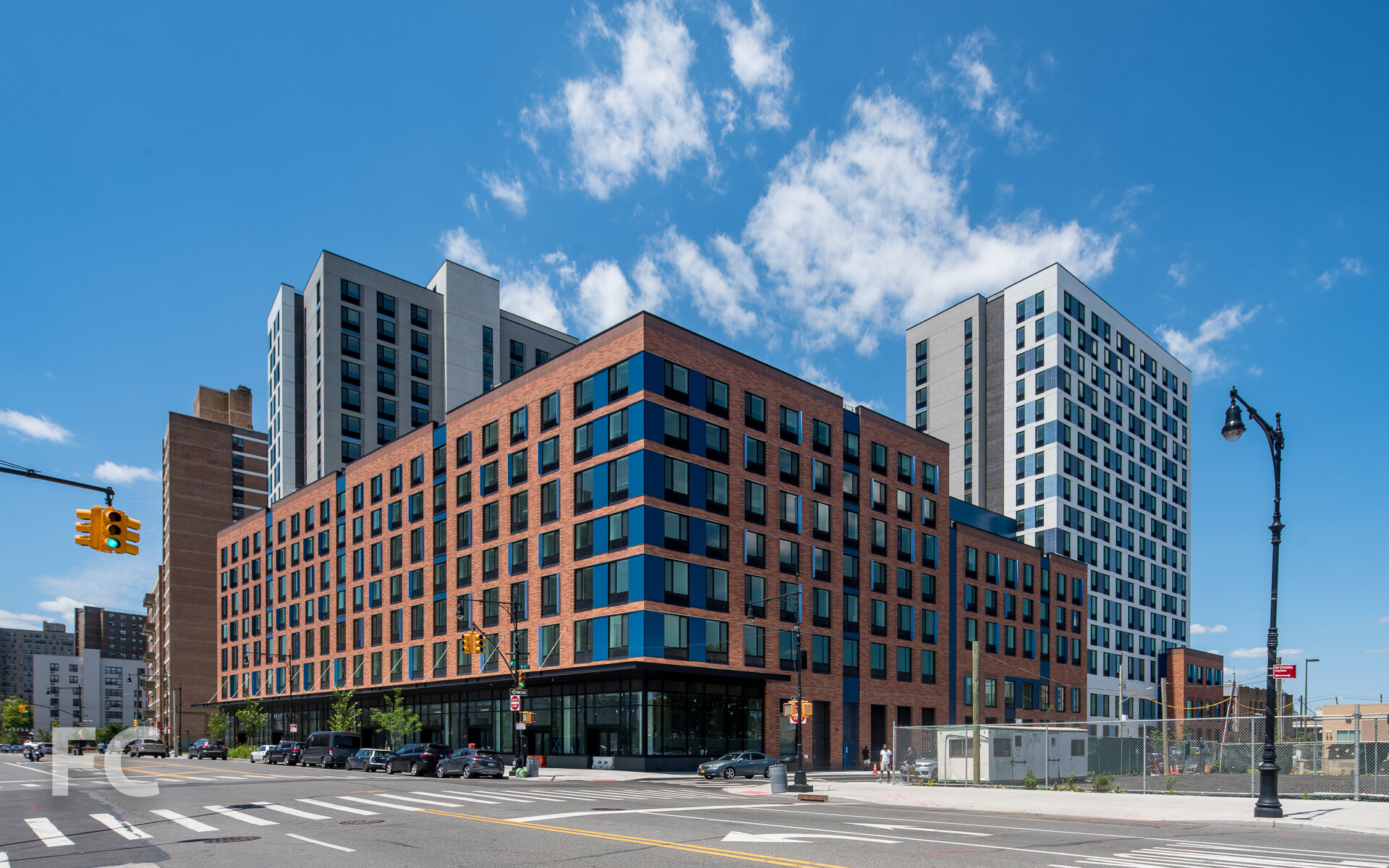
Southeast corner from Surf Avenue.
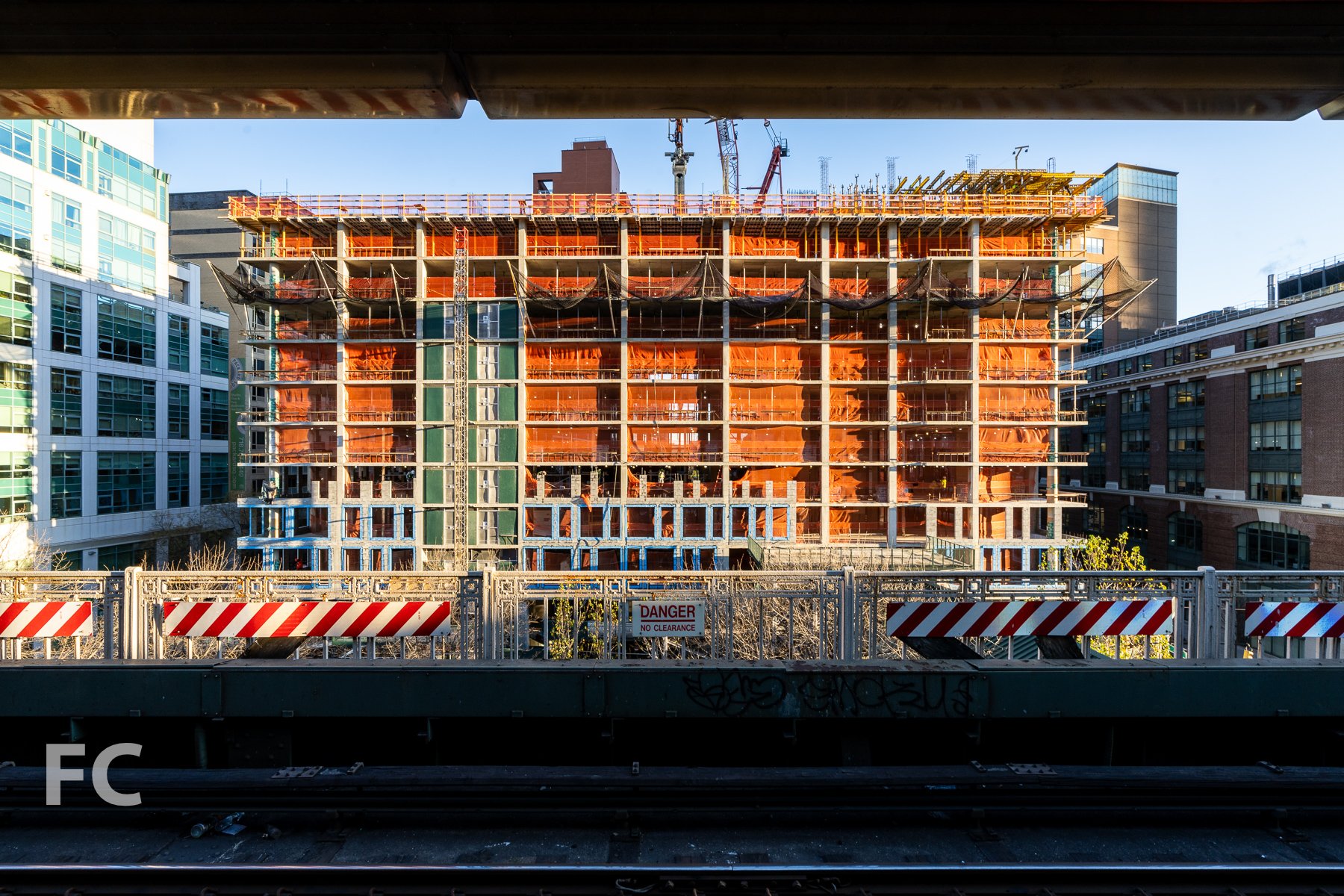
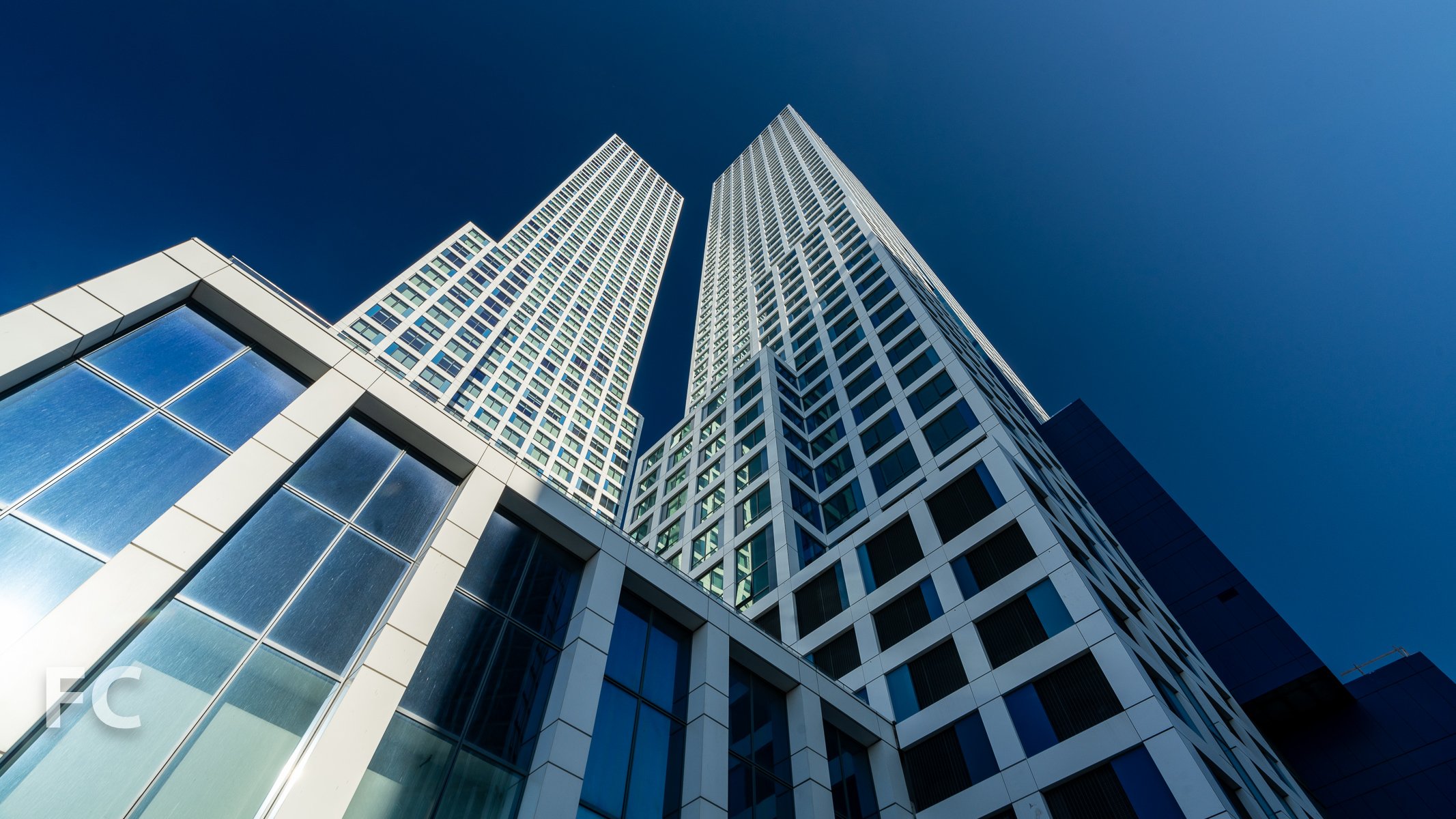
Construction is nearing completion at BFC Partners, L+M Development Partners, and Taconic Investment Partners’ fully affordable residential development at 1709 Surf Avenue in Coney Island, Brooklyn. Designed by Handel Architects, the 446-unit development features a low rise base clad in red brick with blue metal panel accents and punch windows. Two 17-story towers clad in a white concrete block with recycled glass and blue accent brick anchor the northeast and southwest corners of the site.
Southeast corner from Surf Avenue.

Southeast corner of the east tower.
Looking up at the east tower from West 19th Street.
Close-up of the west facade of the west tower.
Close-up of the west facade of the east tower.
Southwest corner from Surf Avenue.
Southwest corner from Surf Avenue.


Northwest corner from Mermaid Avenue.
Architect: Handel Architects; Developer: BFC Partners, L+M Development Partners, and Taconic Investment Partners; Program: Residential Rental, Retail, Office; Location: Coney Island, Brooklyn, NY; Completion: 2021.

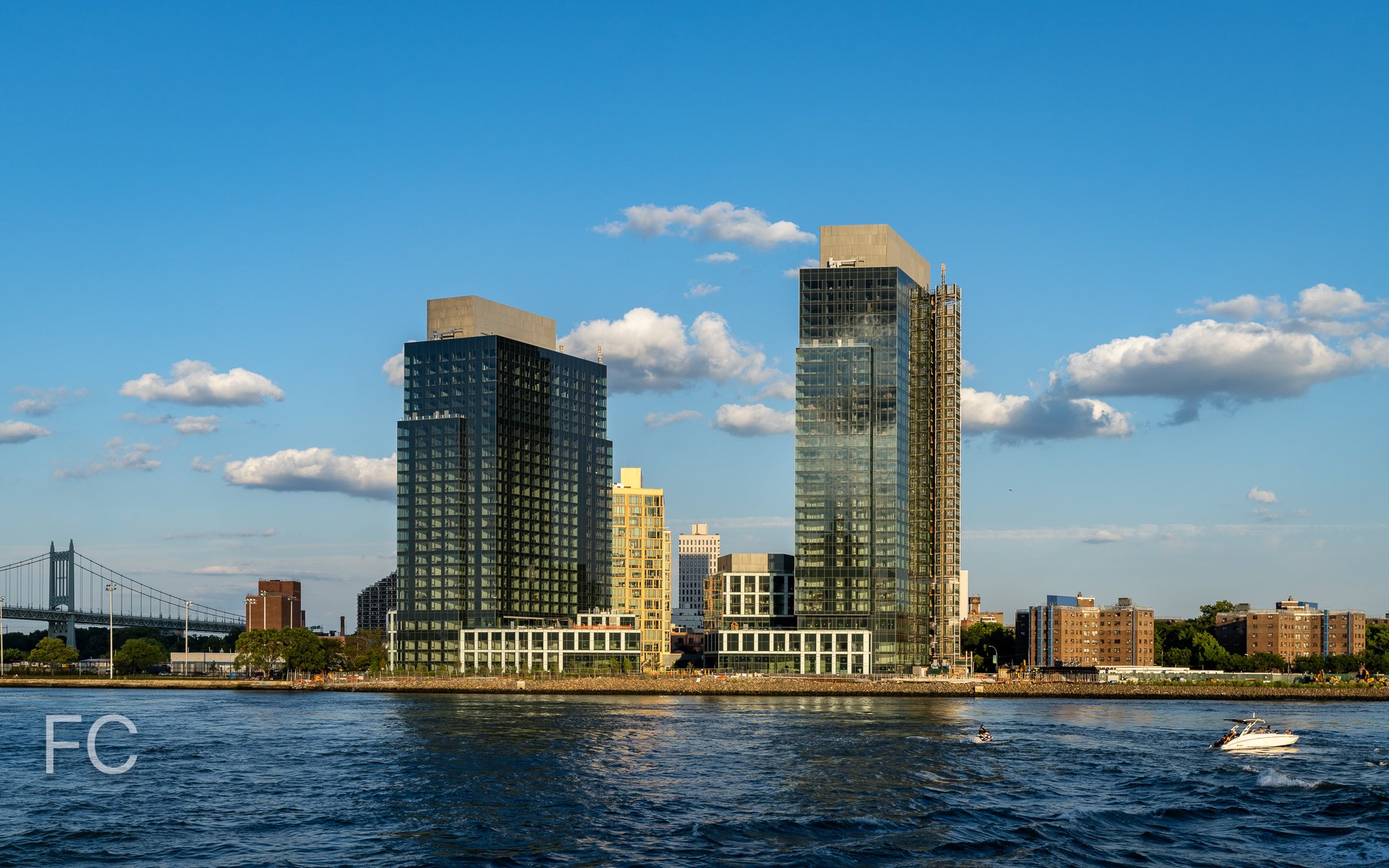
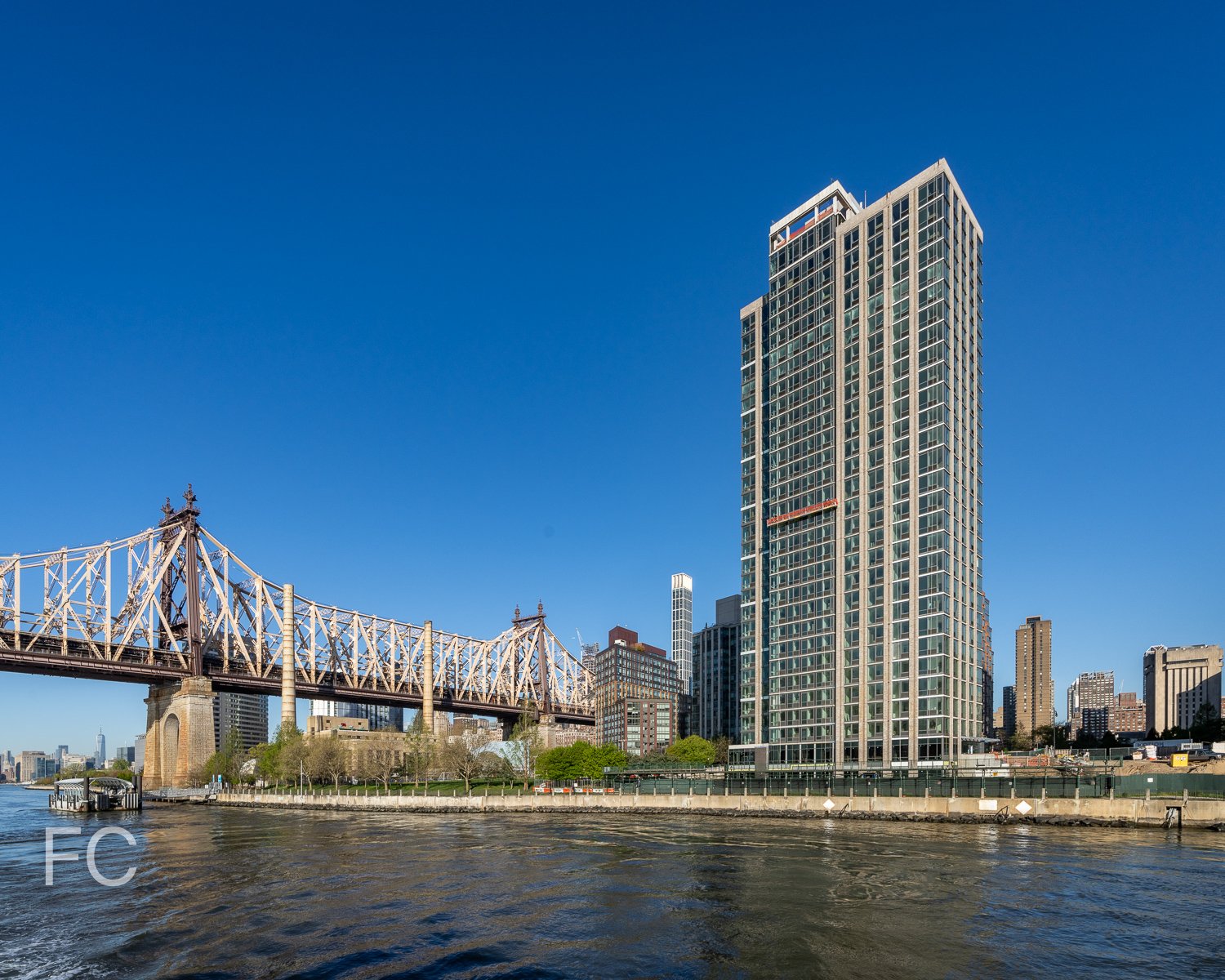
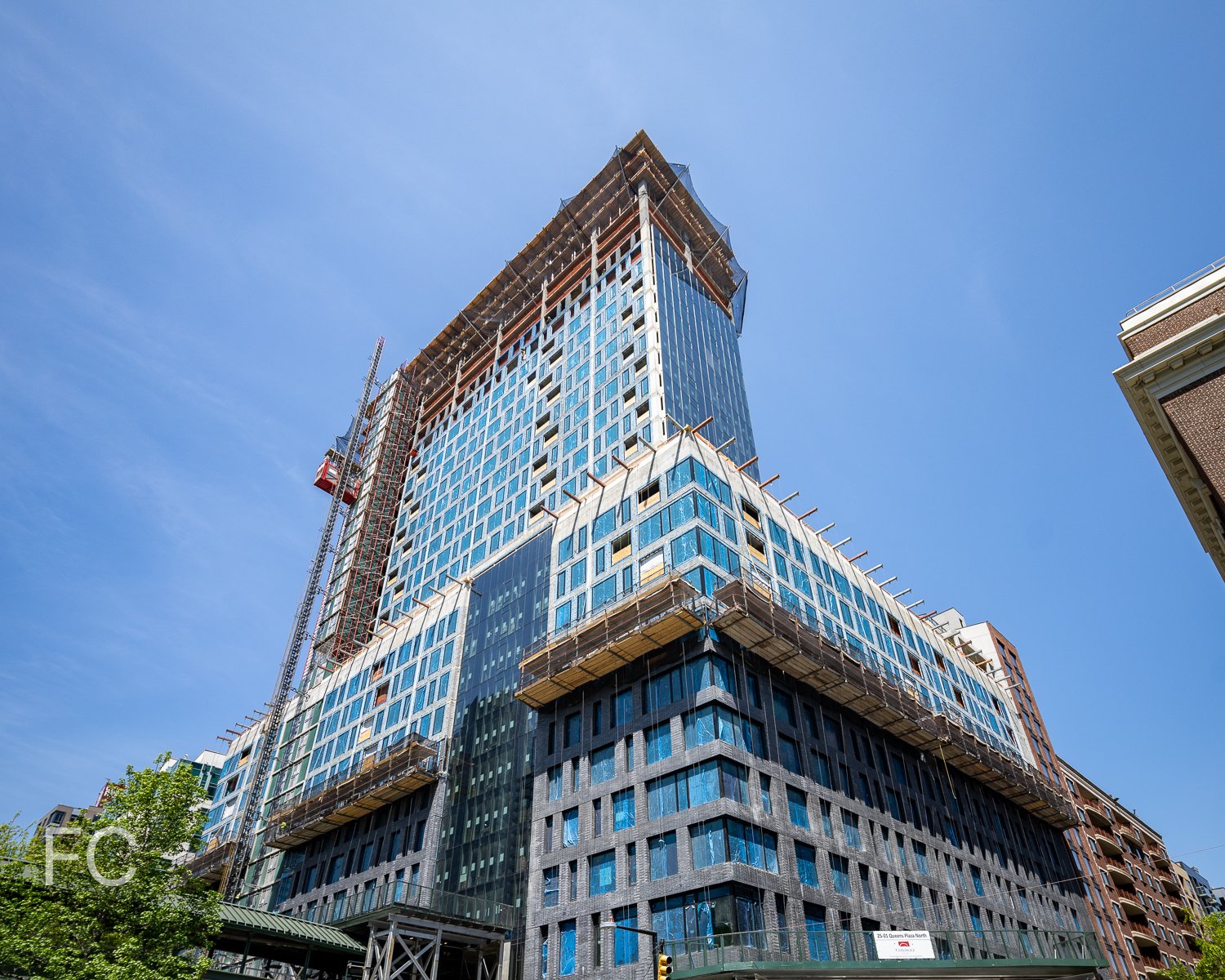
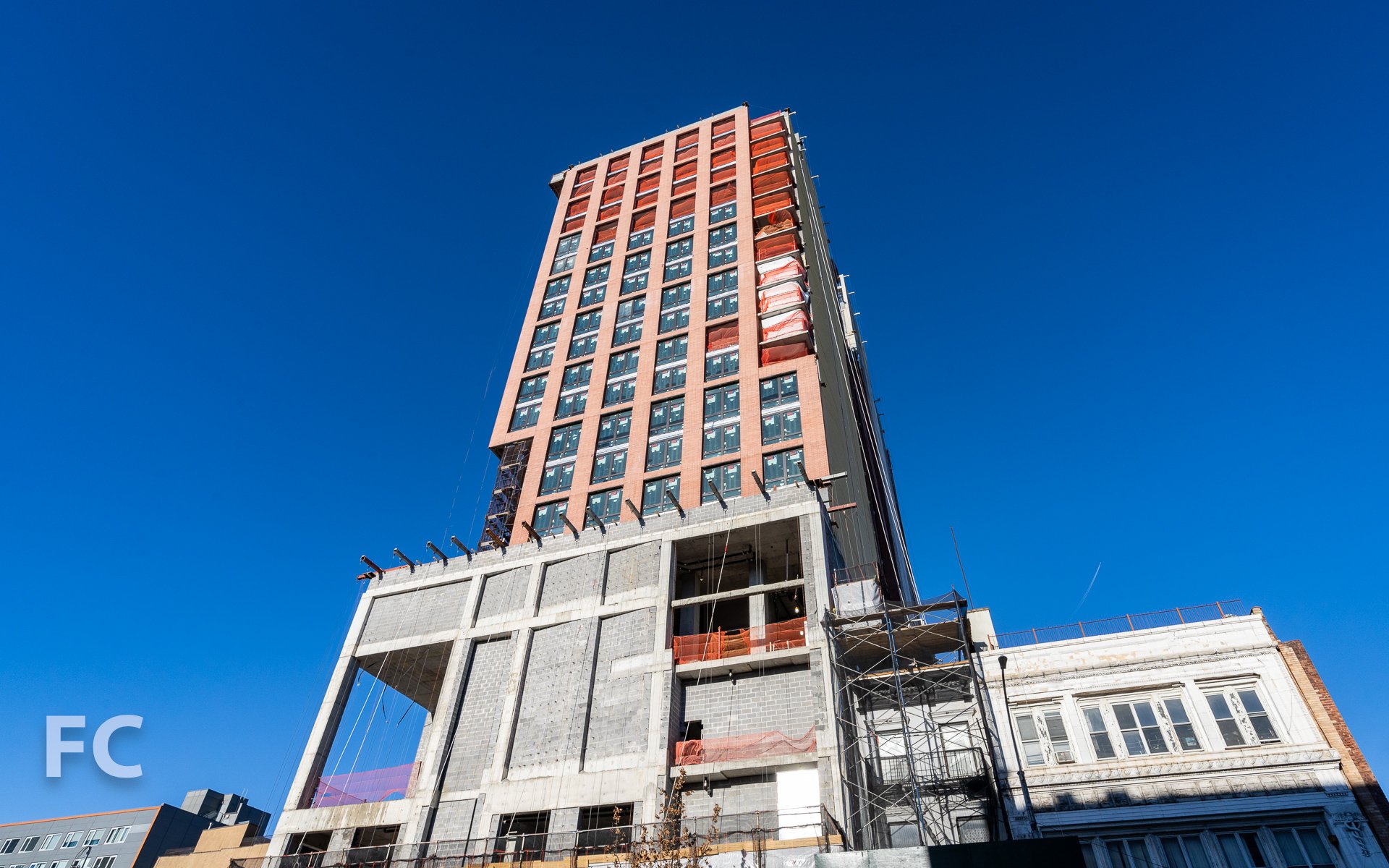

SUMMIT at One Vanderbilt
KPF · Midtown East · 2021
SUMMIT observation deck.
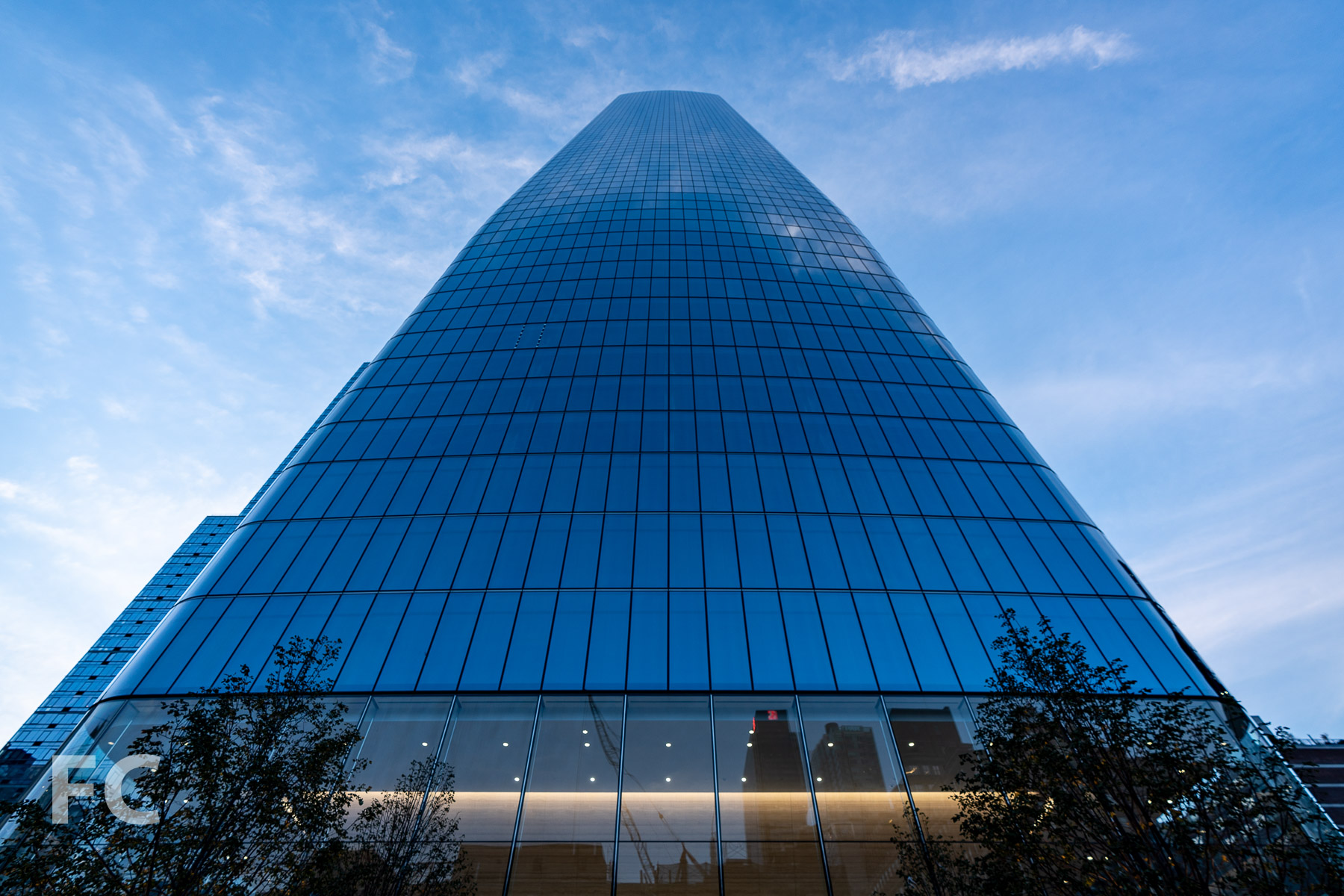
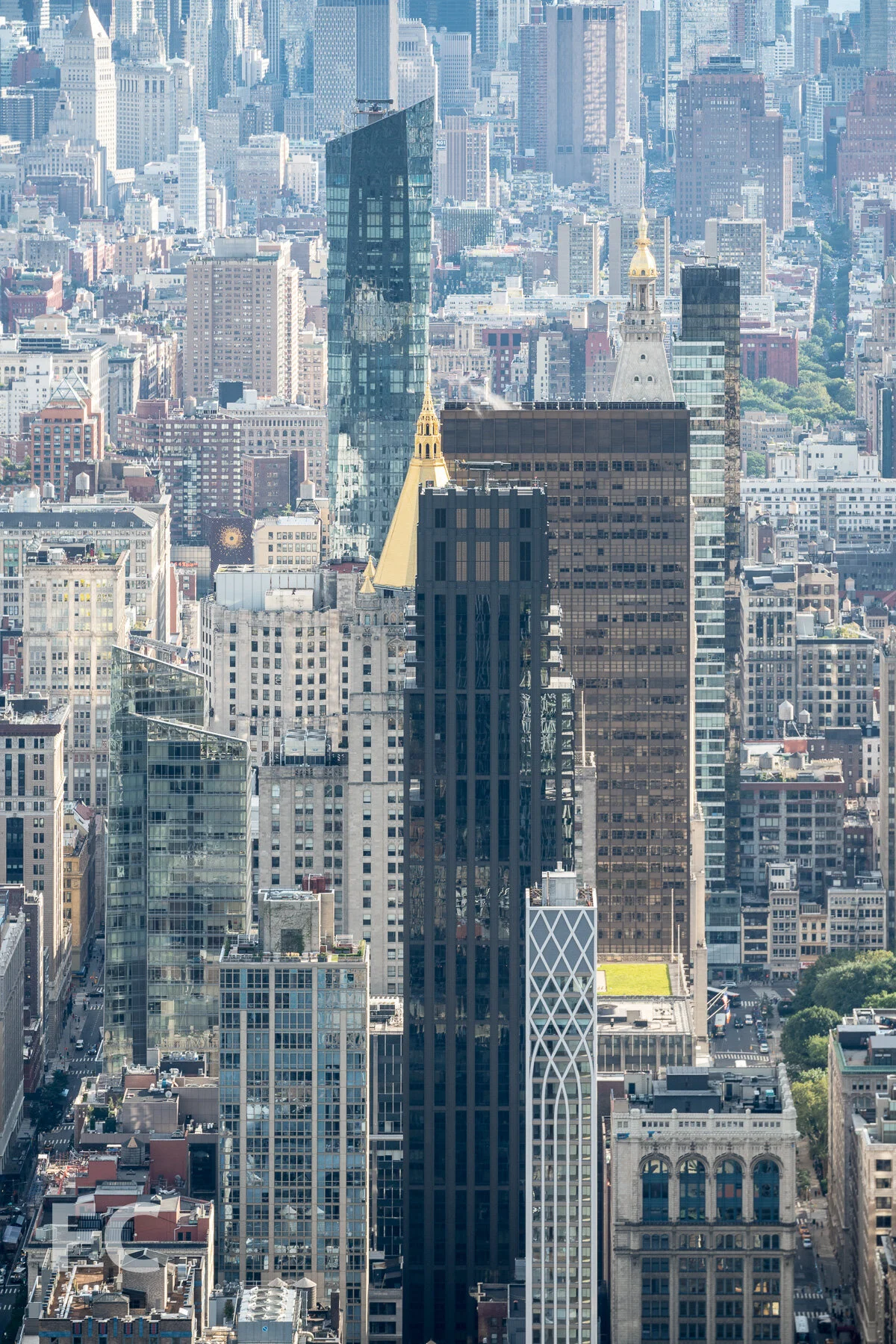
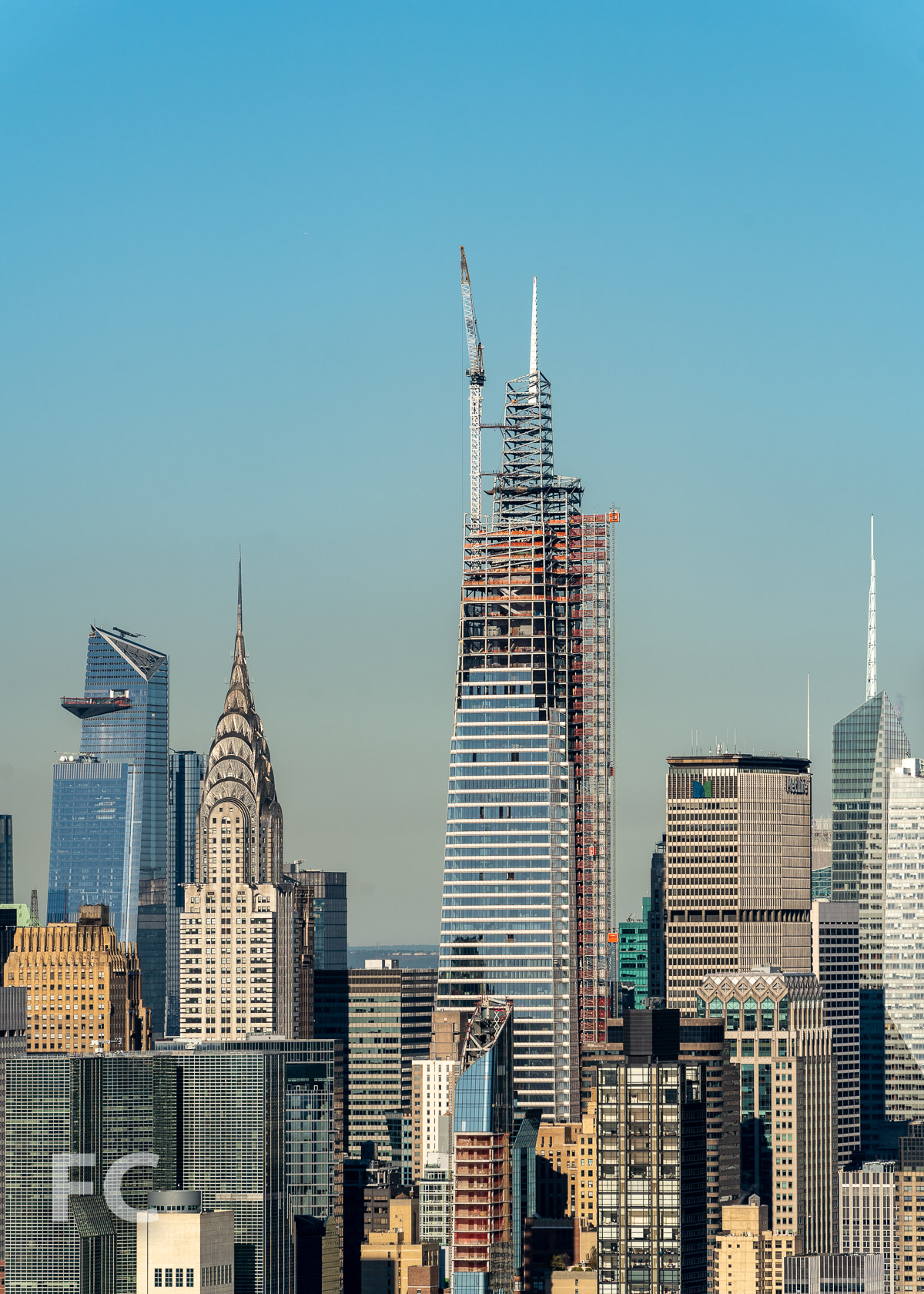
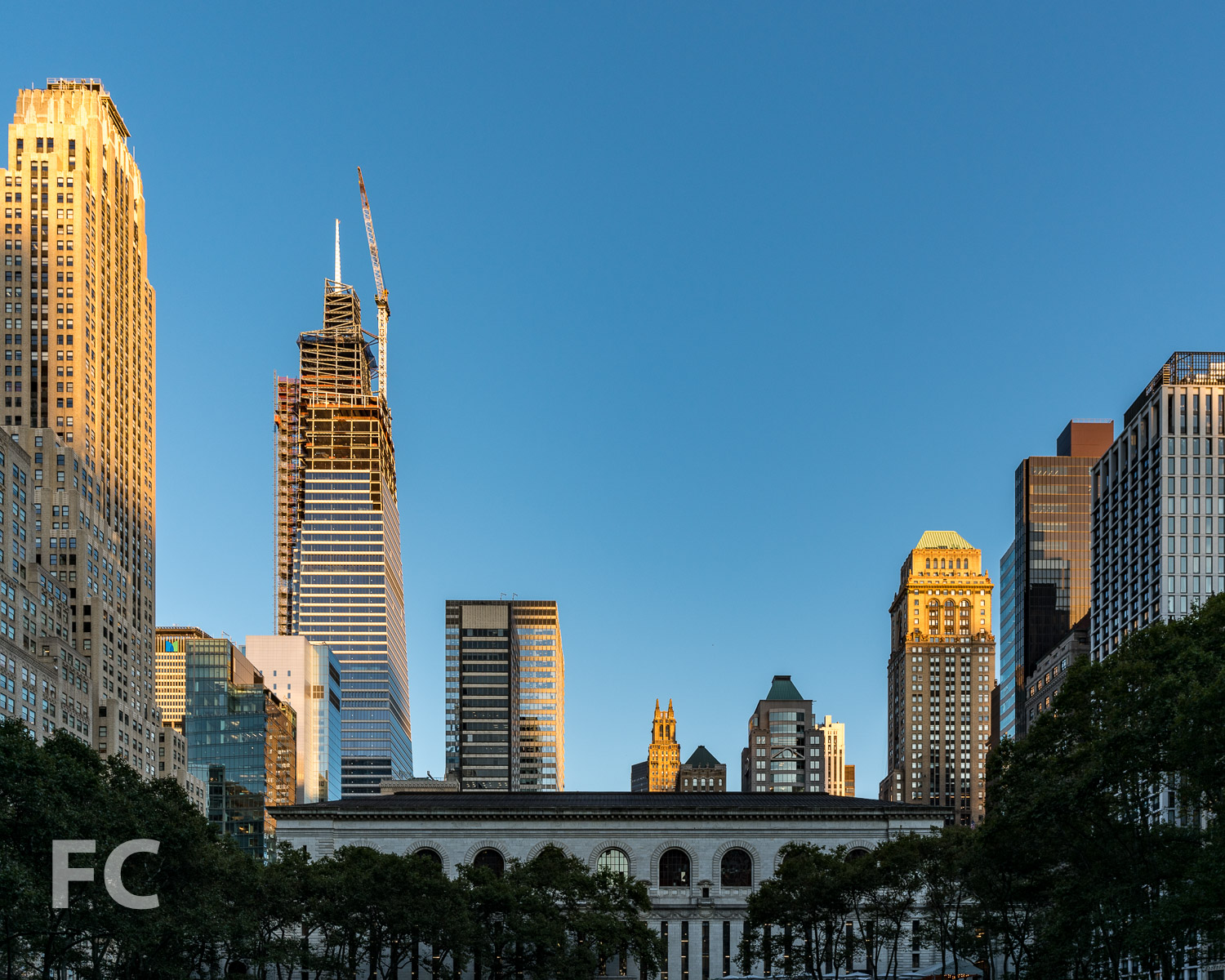
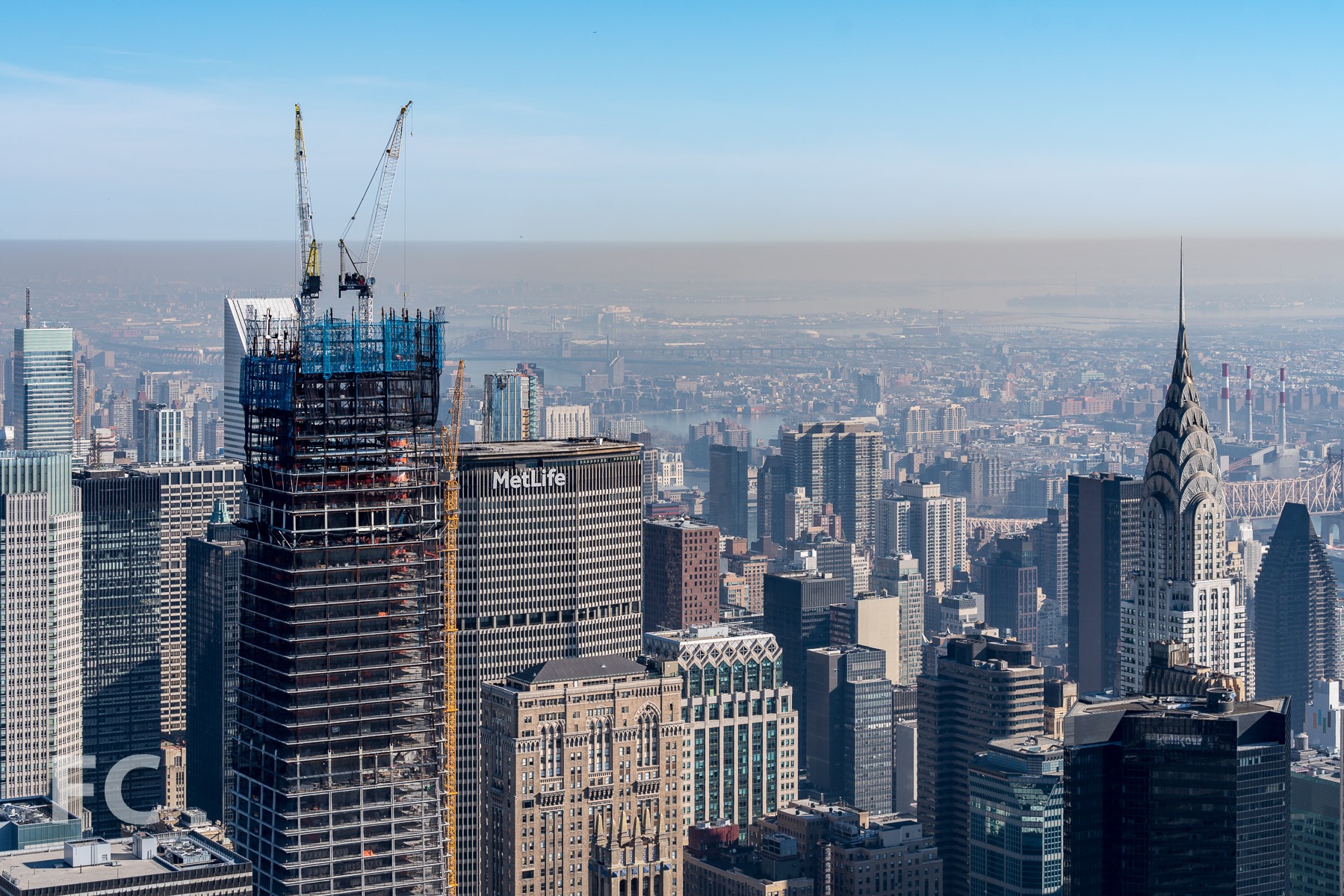
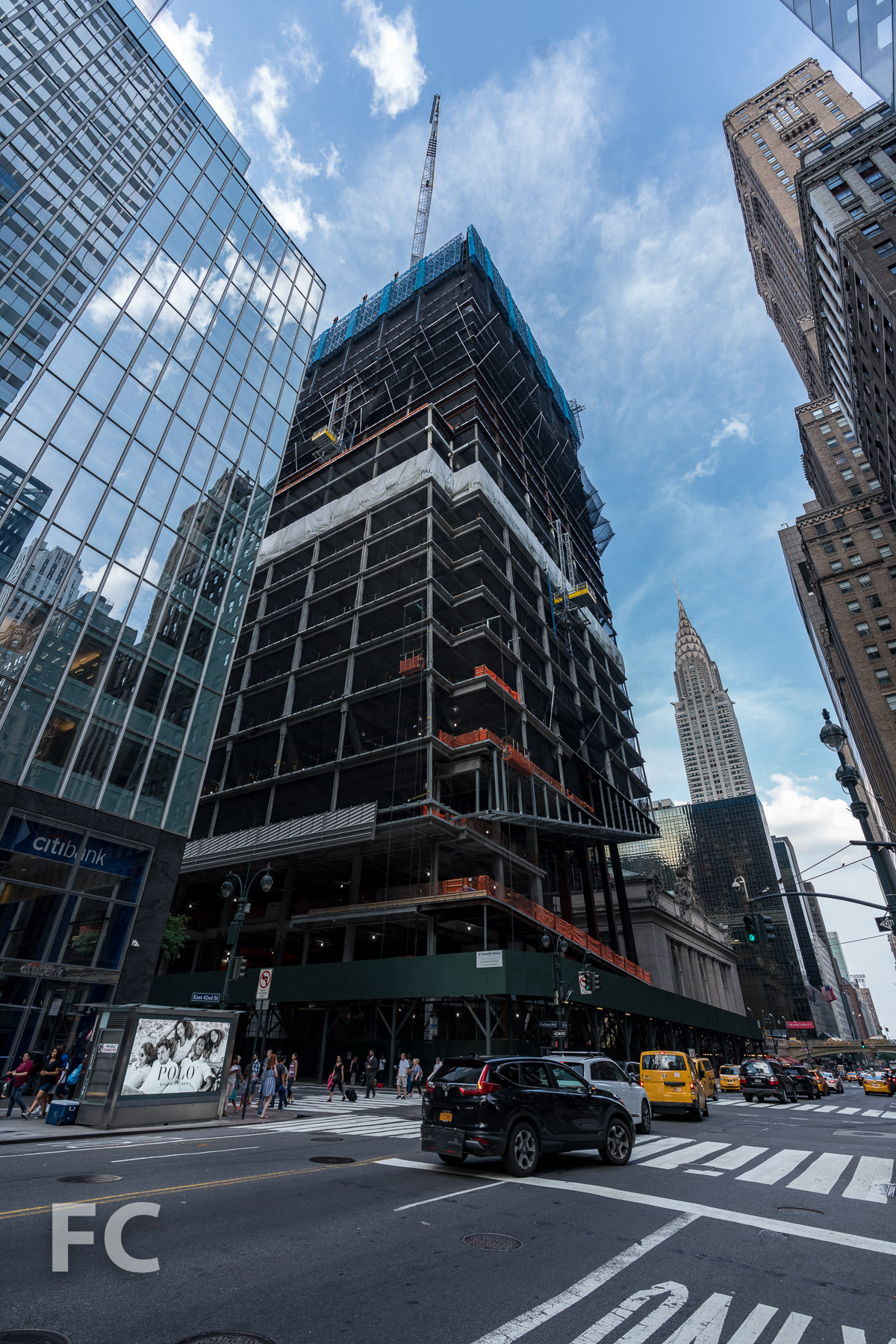
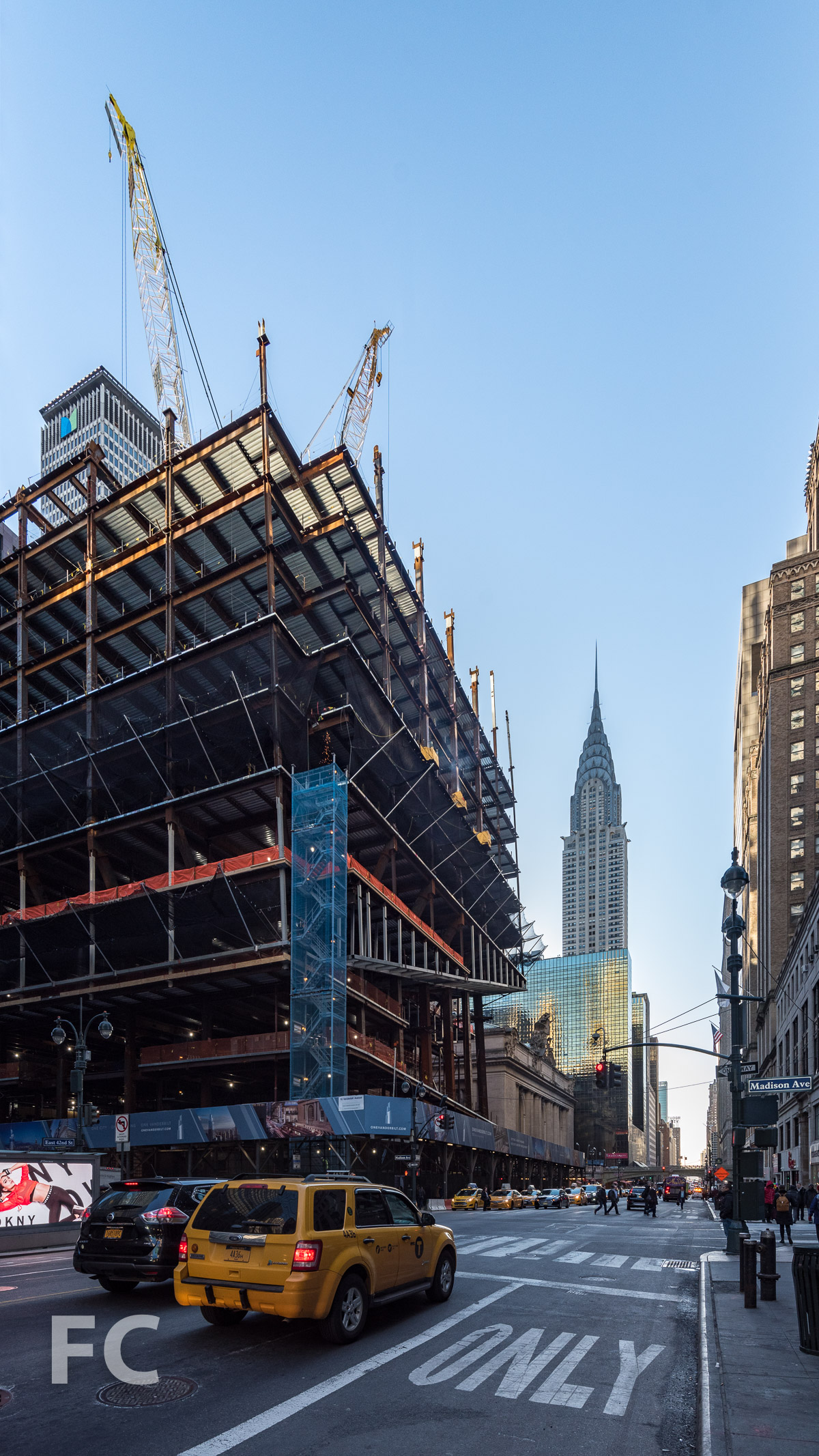
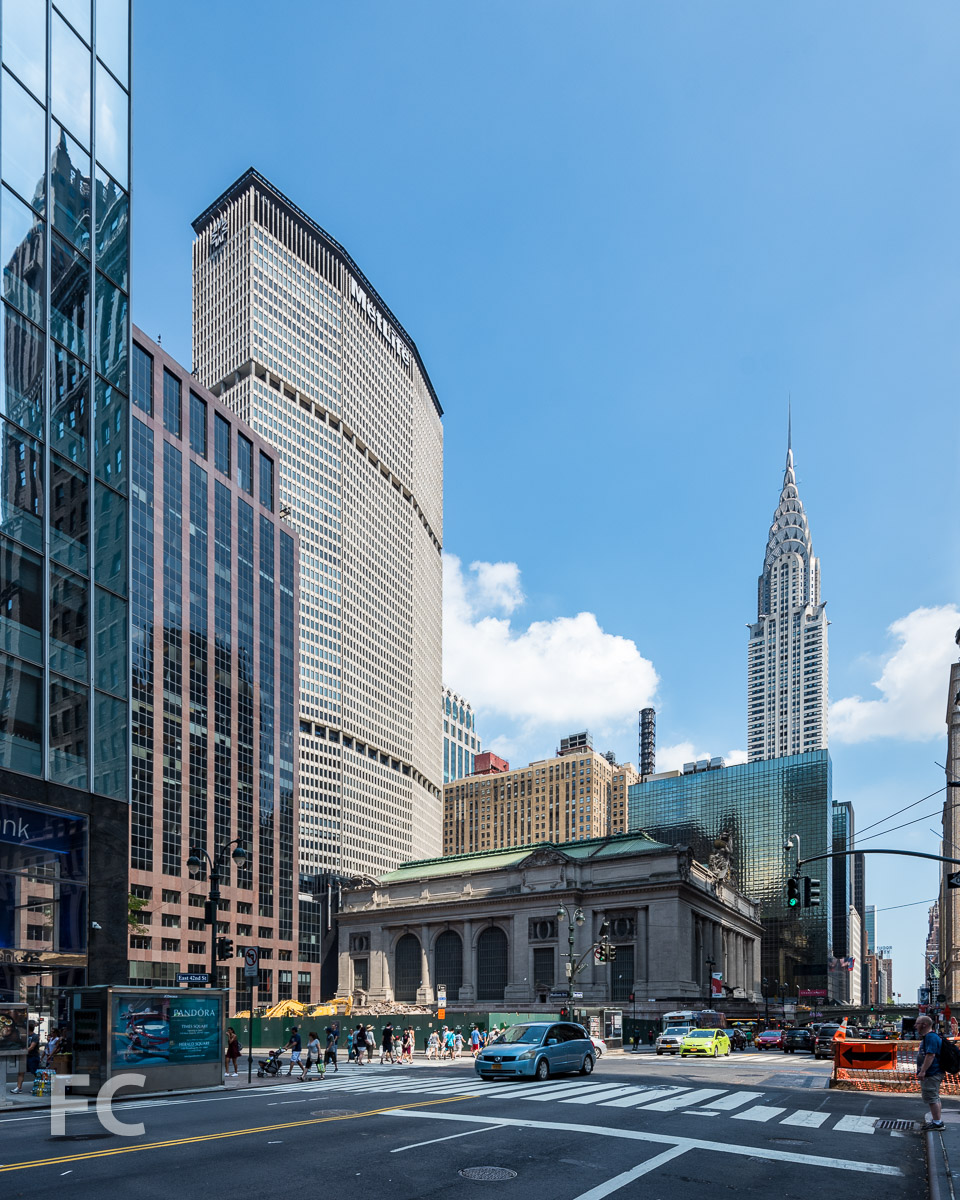
Construction has wrapped up at One Vanderbilt, SL Green's 77-story future supertall tower on a site adjacent to New York's Grand Central Terminal. The 1,401 foot tall tower is designed by KPF and features a three story observation deck known as SUMMIT at the tower’s first setback at the 1,000 foot mark. Designed by Snohetta, SUMMIT occupies the 57th, 58th, and 59th floors. The main levels of the observation deck feature the mind-bending art installation Air by Kenzo Digital. Mirrors wrap the three sides of the space framing the views out to the skyline, leading to views with the sky on the floor and the city’s skyscrapers hovering over you on the ceiling . Two glass skyboxes, known as Levitation, on the west facade give visitors a look down on Midtown from 1,063 feet above Madison Avenue. At the top, two all glass elevators, known as Ascent, travel up the south facade to give visitors a view from over 1,200 feet, the highest observation point in Midtown Manhattan. Tickets for the observation deck, which officially opens on October 21, go on sale today.
Looking north from Levitation, the glass skyboxes at the west façade.
Looking down onto Madison Avenue from the sky boxes 1,063 feet above the street.
View off Bryant Park from the sky boxes.
Looking east towards the Queens and Brooklyn waterfront from the observation deck.
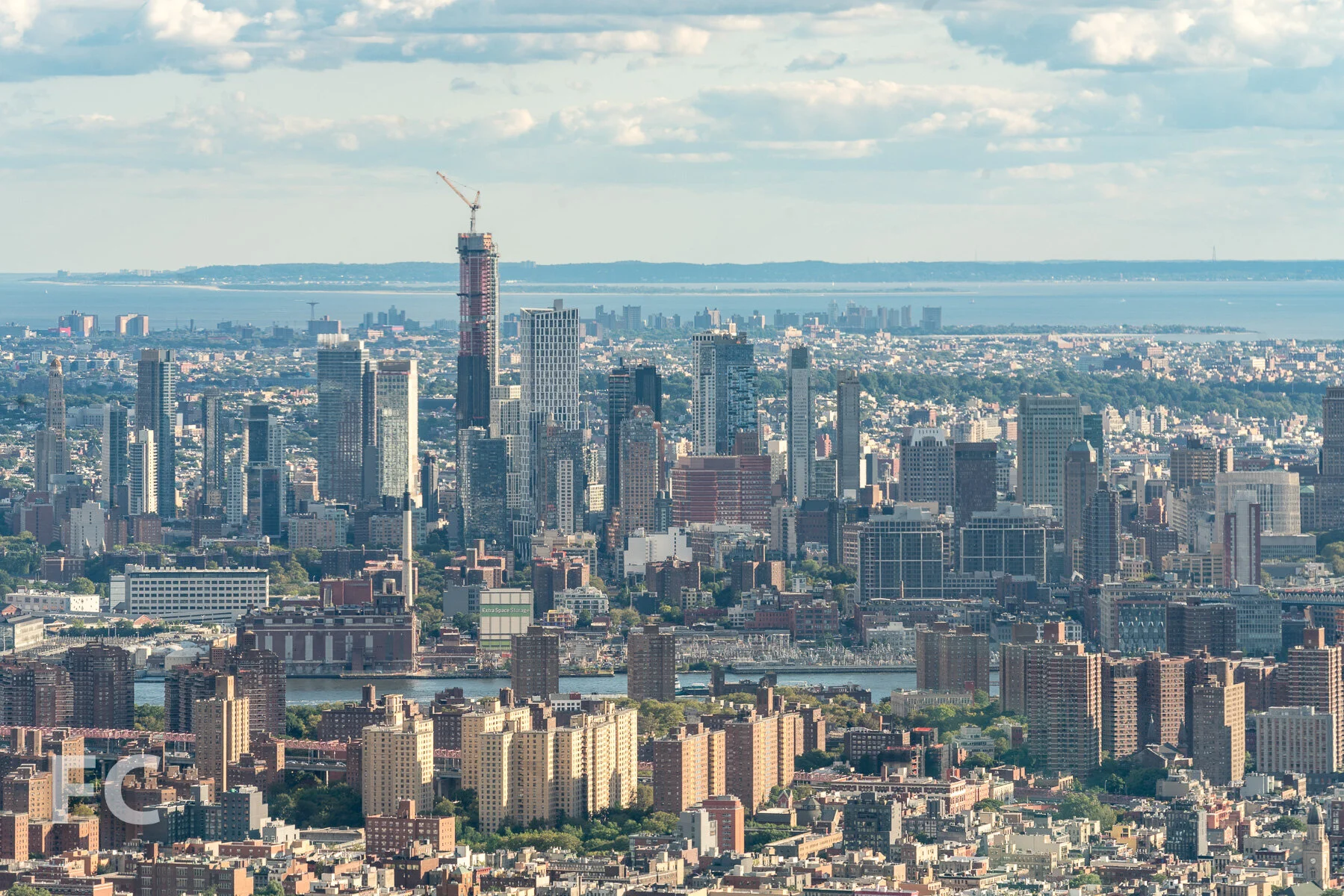
Looking south towards the Downtown Brooklyn skyline from the observation deck.
Looking south towards Midtown and Lower Manhattan from the observation deck.
Looking up at the tracks for the Ascent glass elevators.
View from Ascent, the all glass elevator that travels up the south facade of the crown.
View south towards Midtown and Lower Manhattan at sunset from ASCENT.
Looking down from inside the ASCENT elevator.
One Vanderbilt (center) on the Midtown East skyline.
East facade of One Vanderbilt (right) and the Chrysler Building (left).
The design of the facade features floor to ceiling glass and diagonal terracotta spandrels. Installation is also underway on the terra-cotta panels that clad the underside of the tower at the podium and the ceiling of the lobby.
East facade of One Vanderbilt (center), 685 First Avenue (left), and the Chrysler Building (right).
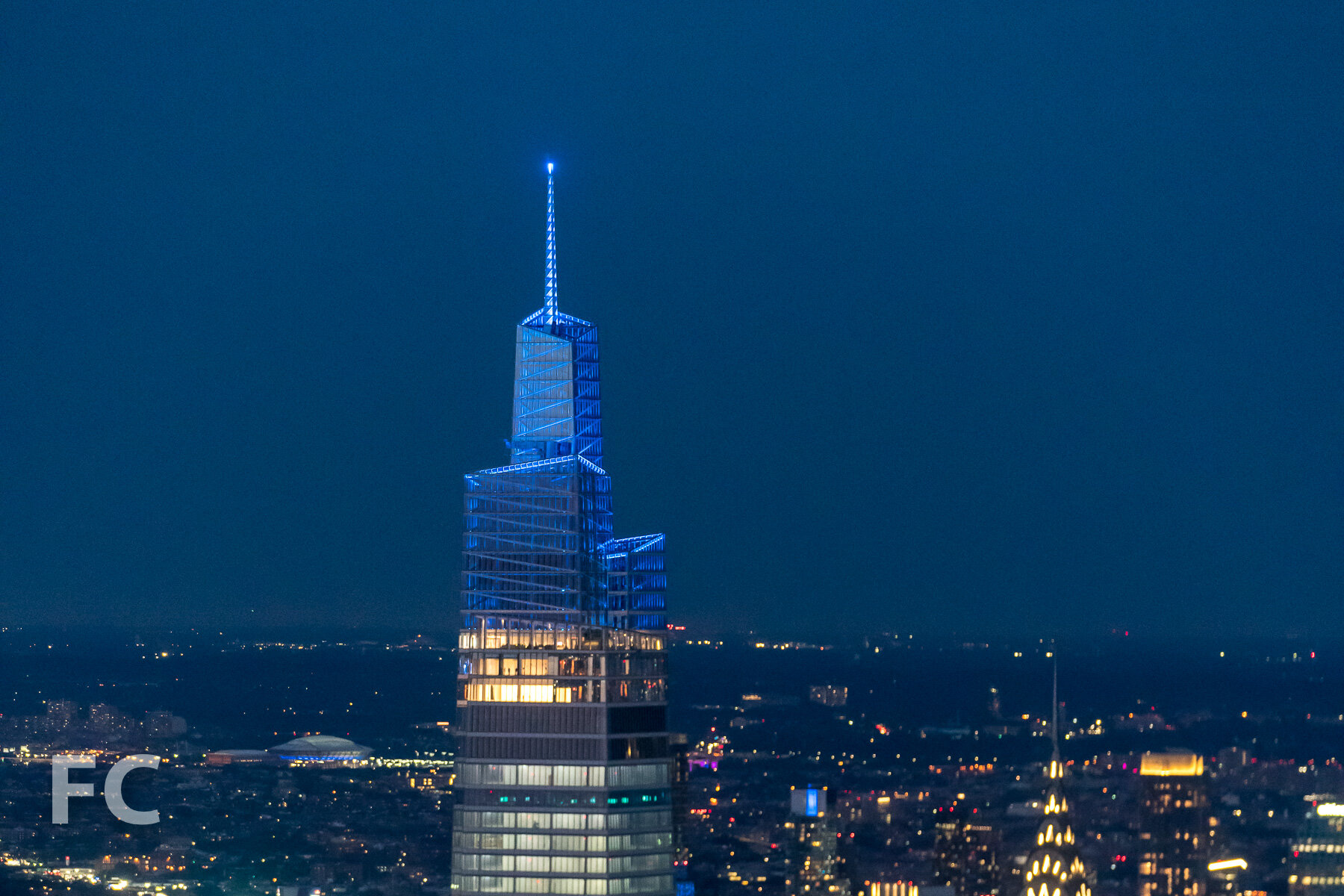
One Vanderbilt lit blue for the 20th anniversary of 9/11.
Architect: KPF; Developer: SL Green Realty Corporation; Development Manager: Hines; Construction: Tishman Construction; Interiors: Gensler; MEP Engineers: Jaros Baum & Bolles; Structural Engineers: Severud Associates; Program: Mixed Use, Office, Retail; Location: Midtown East, New York, NY; Completion: 2020.



1 Manhattan Square
Adamson Associates · Two Bridge · 2019
Southeast corner.
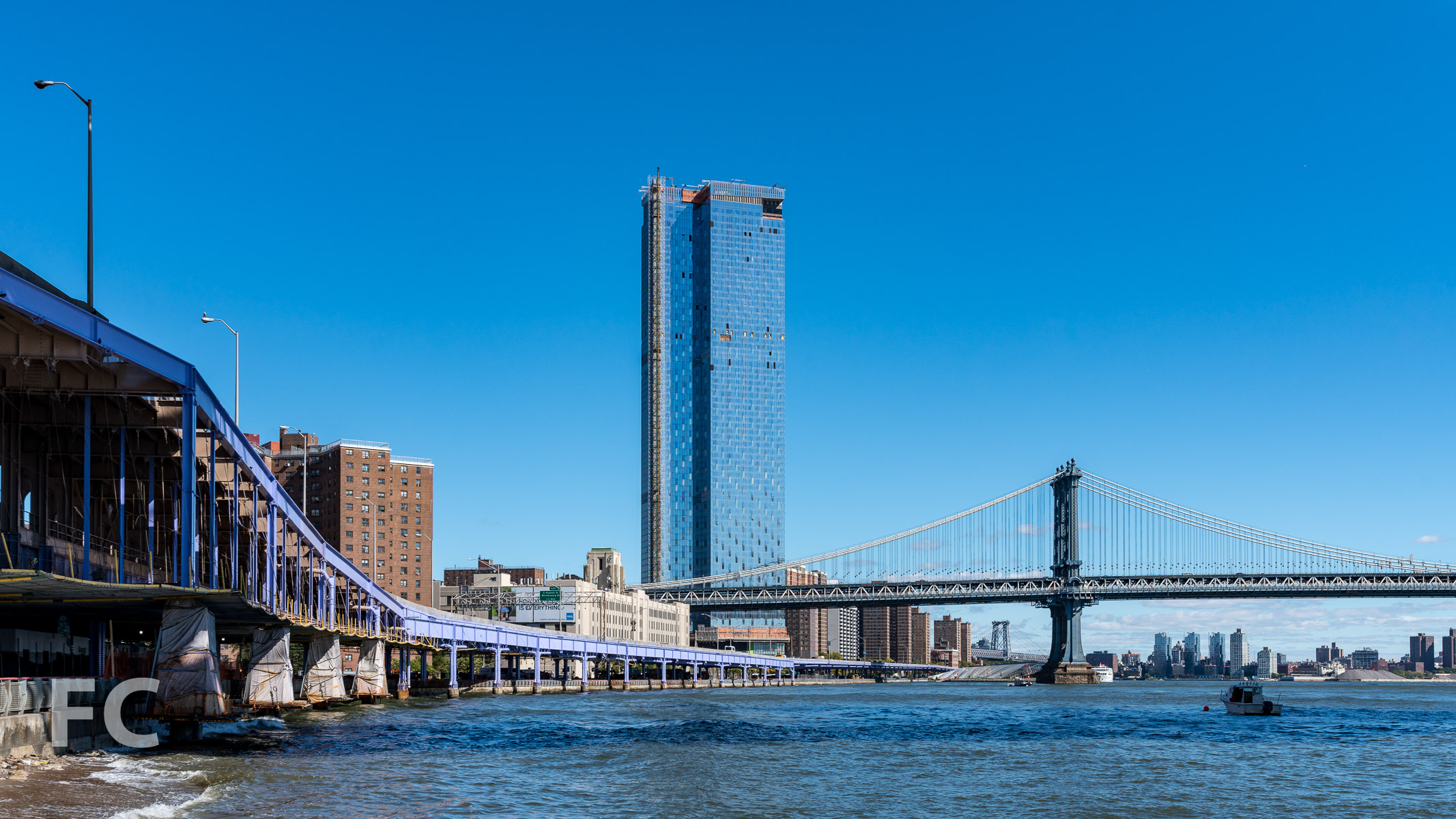
Construction has wrapped up at Extell's One Manhattan Square, a residential condominium tower on the Lower East Side waterfront. Designed by Adamson Associates, the 800-foot-tall tower replaces a former Pathmark grocery store.

Southwest corner.
One Manhattan Square is part of the recent surge of waterfront development in Lower Manhattan. The city has undertaken a multi-year project to upgrade the East River Esplanade, Pier 17 has recently completed a major retail reconstruction, and construction of residential towers are following. One Manhattan Square is at the forefront of residential development in this neighborhood, with towers by SHoP Architects and Handel Architects also proposed at adjacent waterfront sites.
Northwest corner of the site from Cherry Street.
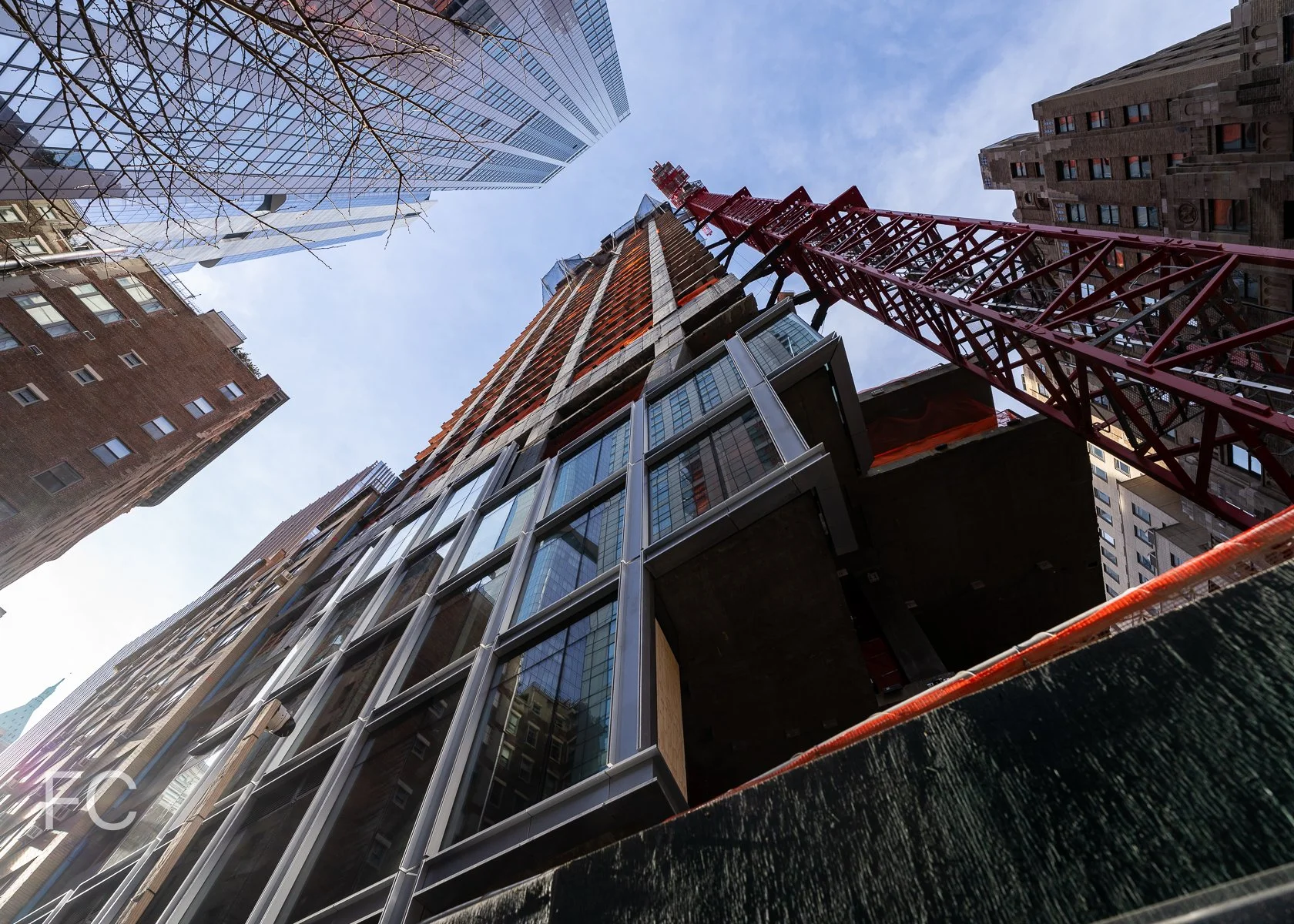
Design of the exterior curtain wall of the tower includes two different wall types. At the north and south facades, panels are floor to ceiling glass with a bronze metal spandrel at the floor slab. For the east and west facades, flat glass panels are alternated with panels that tilt outward from the floor or the ceiling, adding dimension to the façade and a more dynamic reflection to the glass.

Looking up at the northwest corner of the podium and tower.
Northwest corner from Cherry Street.
Detail of the perforated metal cladding of the podium.
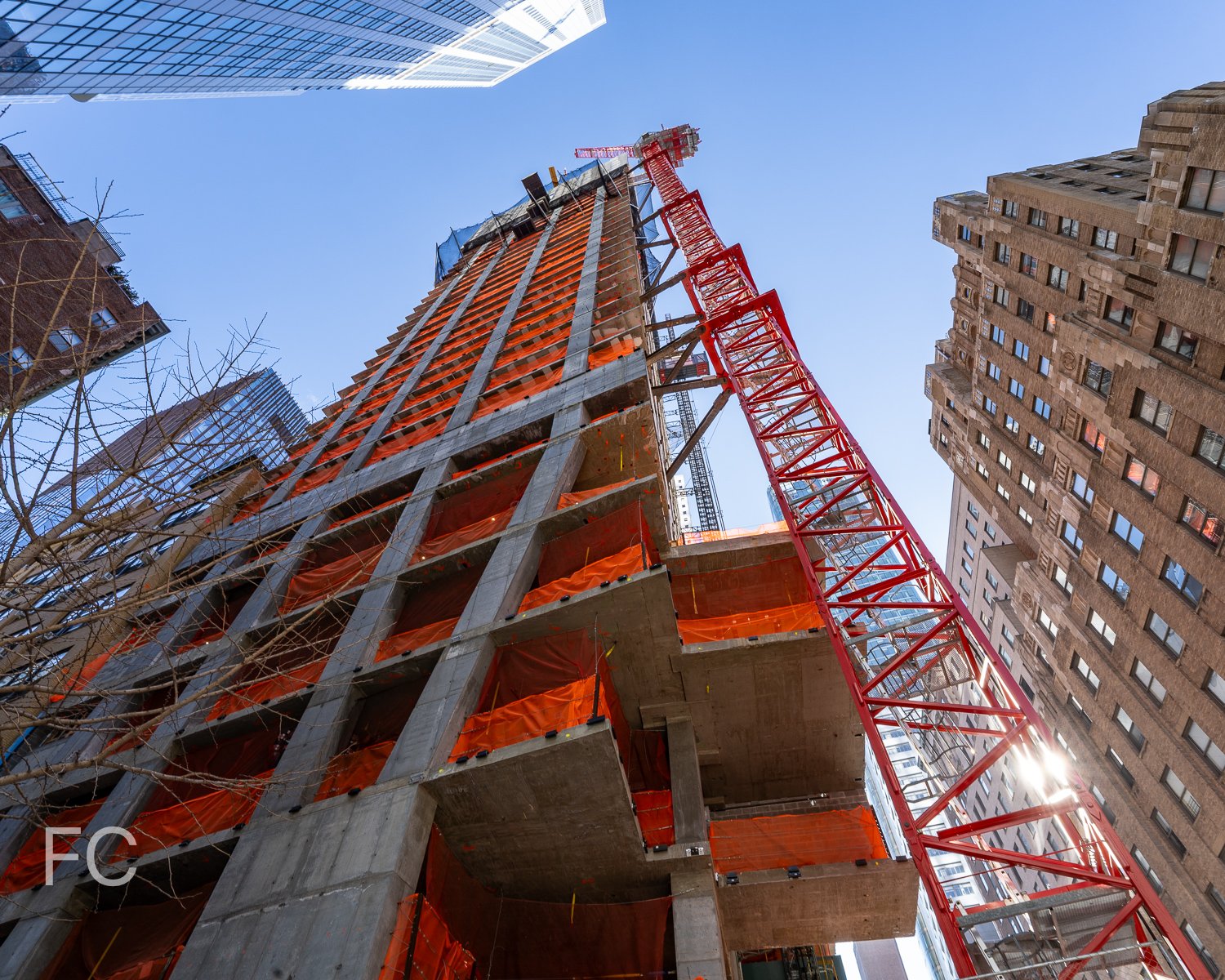
Looking up at the east facade of the tower.
The tower offers 815 residential condo units designed by Meyer Davis with luxury finishes and top of the line appliances from Miele and Subzero. A choice between dark and light kitchen finish packages will be offered to residents for customization of the residence to their tastes. Views from the tower are panoramic, affording views of New York's iconic architecture and waterfront from Lower Manhattan to Midtown to Brooklyn.
Concierge desk.
Lobby lounge.
Residents have access to over 100,000 square feet of indoor and outdoor amenities such as a sports club, spa, entertainment and recreation facilities, and high-end services. Over an acre of outdoor amenity spaces are designed by West 8, the team behind the redevelopment of Governors Island, which is visible from the waterfront views in the tower. The outdoor amenities include gardens, a tree house, tea pavilion, fire pits and courtyards.
Sunken tranquility garden.
75 foot saltwater swimming pool.
Hammam with cold plunge pool.

Culinary lounge.
Culinary lounge.
Cellar bar and lounge.
Billiards room.
Full court basketball.
Tree house.
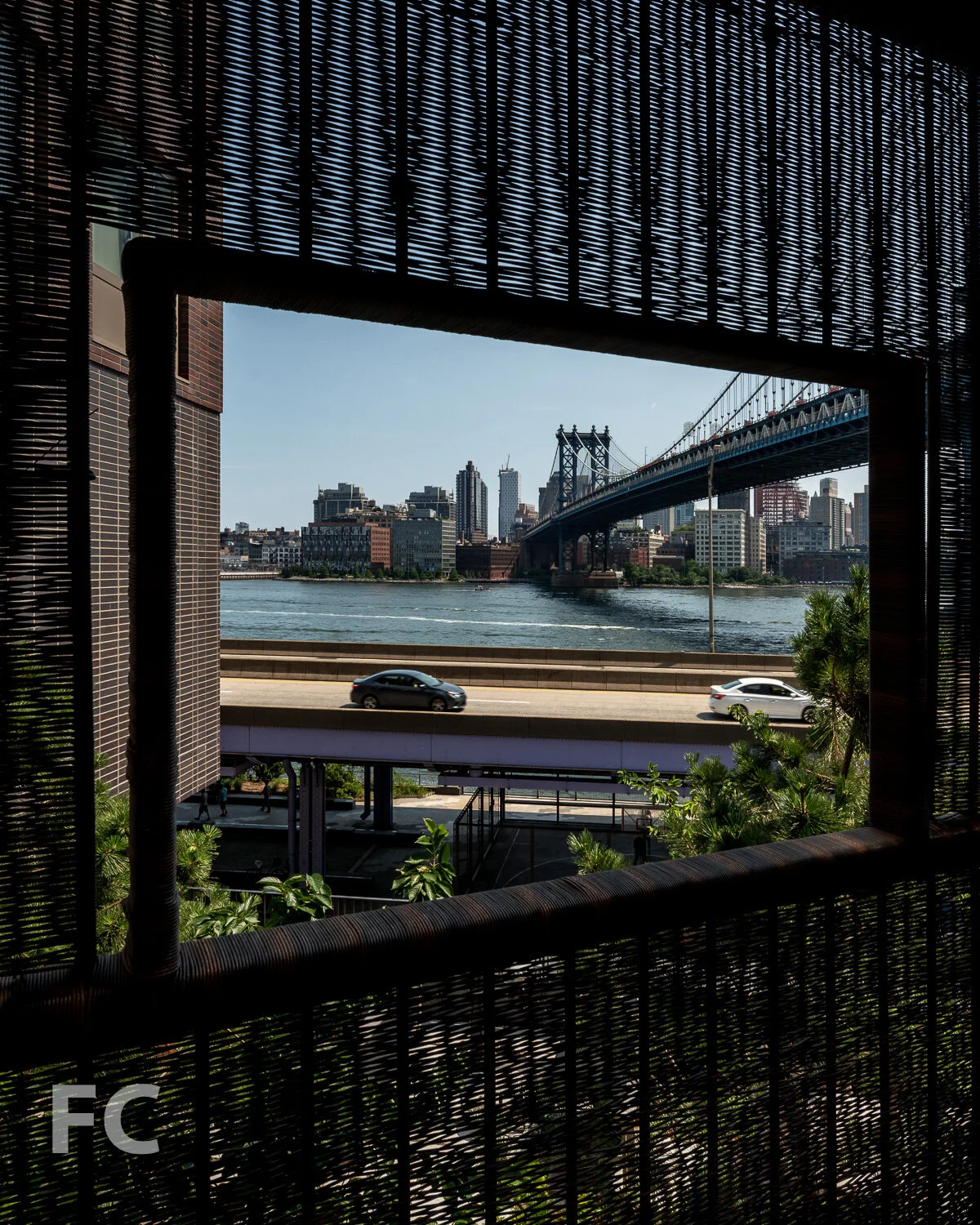
View of Brooklyn’s Dumbo waterfront from the tree house.
Architect: Adamson Associates; Interiors: Meyer Davis; Landscape Architect: West 8; Developer: Extell Development Company; Program: Residential; Location: Two Bridges, New York, NY; Completion: 2019.


Audrey Irmas Pavilion at Wilshire Boulevard Temple
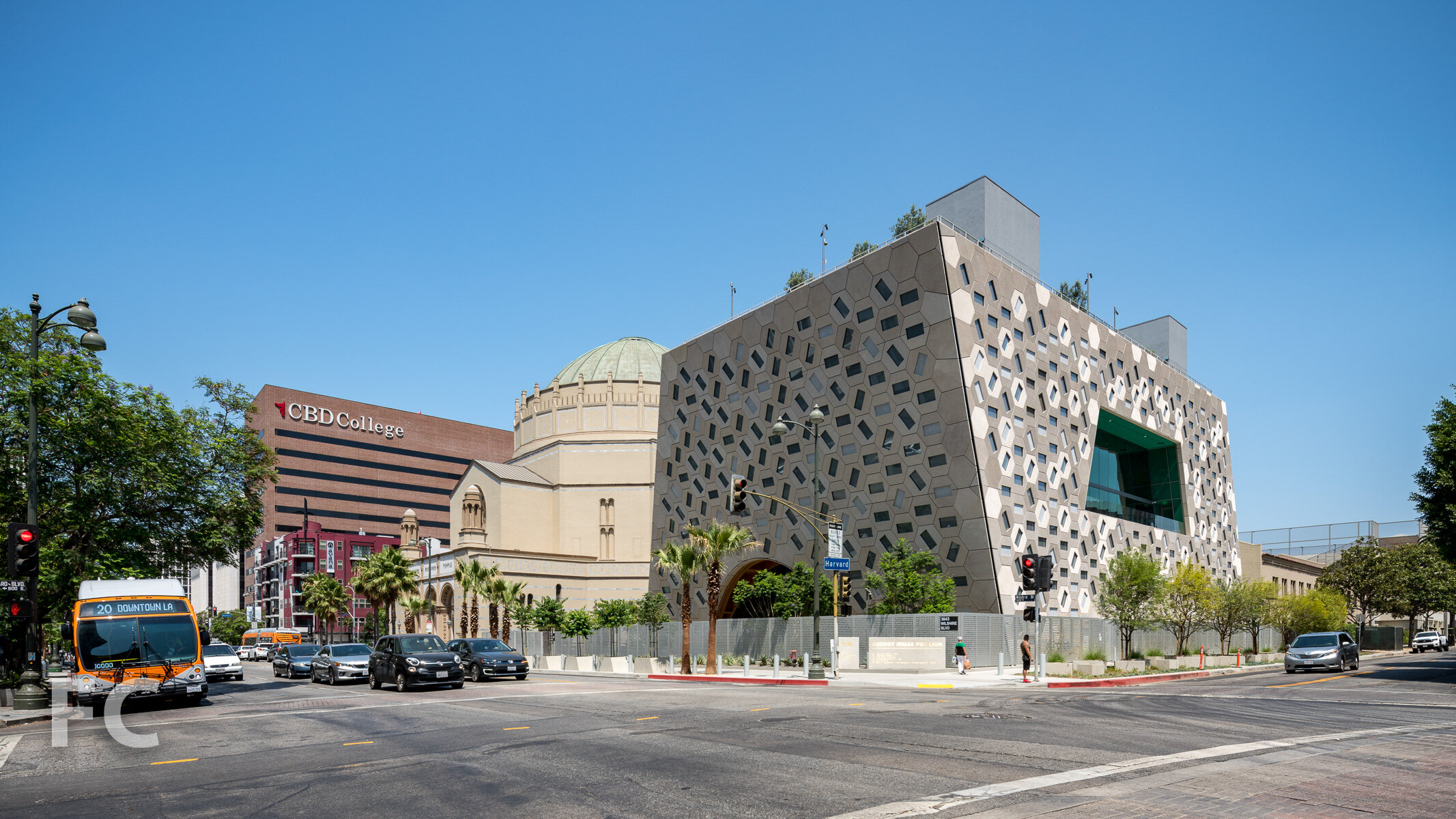
Southwest corner of the temple (left) and the new pavilion (right).
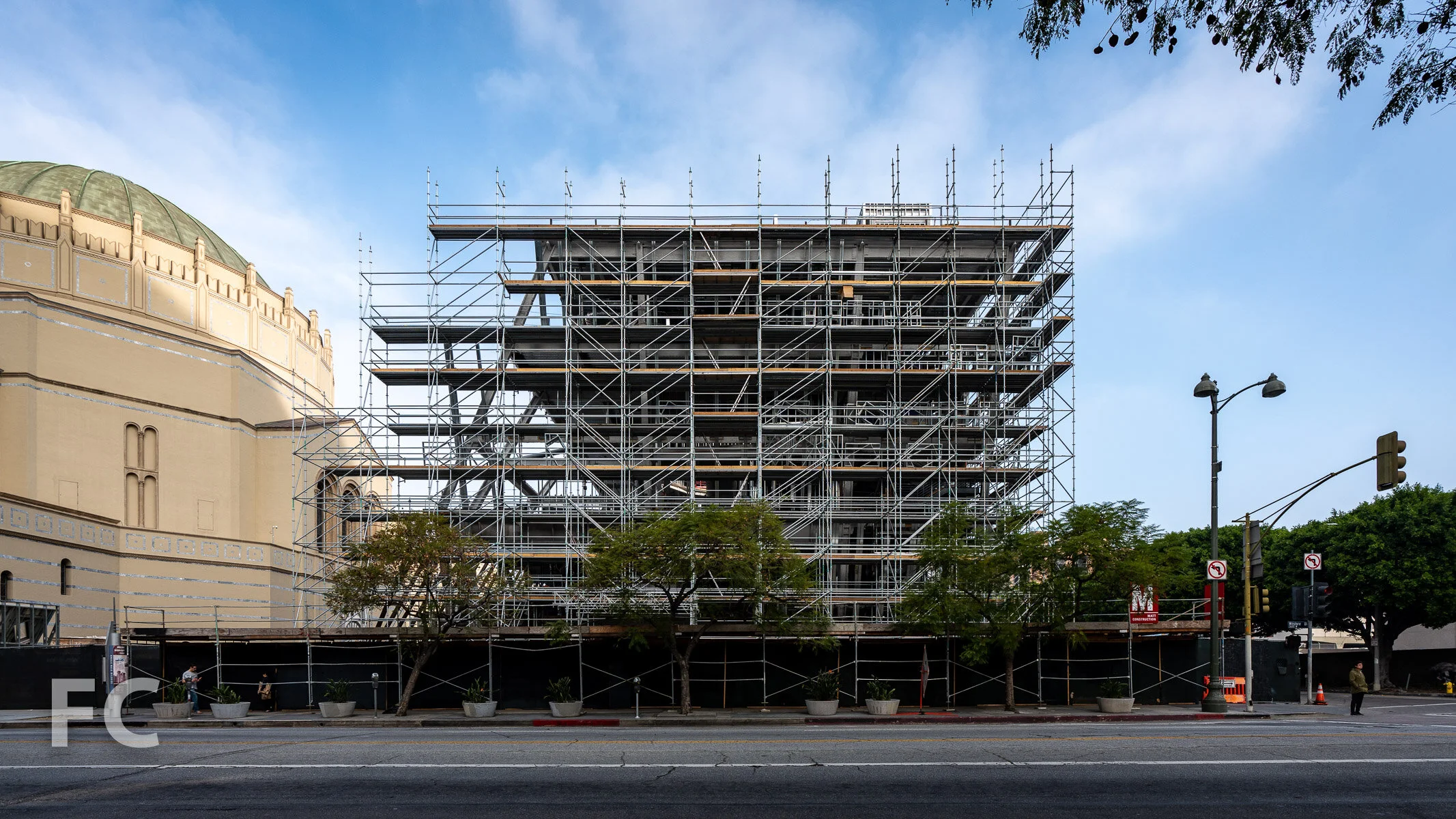
At the corner of Wilshire and Hobart Boulevard sits the Wilshire Boulevard Temple, a worship space for the oldest Jewish congregation in Los Angeles. The Moorish-style building, completed in 1929 by architect Abram M. Edelman, will soon be joined by a new multi-purpose event space for both the congregation and the surrounding city. Designed by Shohei Shigematsu of OMA New York, the Audrey Irmas Pavilion sits adjacent to the 1929 temple in a 5-story trapezoidal form that respects the landmarked building by sloping away from it, opening up a view corridor to the temple’s east facade.
South facade of the temple (left) and the new pavilion (right).
The pavilions trapezoidal massing is punctured by three distinct volumes - a main event space, a smaller multi-purpose room and a sunken garden - that frame views of the temple and the surrounding neighborhood.
Southwest corner of the Audrey Irmas Pavilion.
Exterior cladding for the pavilion pays homage to the temple dome’s octagonal tiling with hexagonal glass fiber reinforced concrete (GFRC) panels. The pavilion is clad in 1280 of these panels, which are approximately five-and-a-half feet tall and weigh 200 pounds. Rectangular windows and louver screens are inset into the hexagons and rotated in a randomized pattern that lends further texture to the facade.


South facade of the Audrey Irmas Pavilion.
The main event space on the ground floor will reference the temple’s iconic dome with its 36-foot tall arced ceiling that spans the entire width of the space. Extending north to south, the arc creates a column free space capable of hosting a variety of programs. A skylight at the ceiling will allow for views of the temple’s dome, continuing the building’s engagement with the existing structure.
Above the main event space, the second floor will offer a chapel, meeting spaces, and a west facing outdoor terrace with views to the existing temple . Offices will occupy the third floor.
Southeast corner of the Audrey Irmas Pavilion.
The fourth floor will serve as the future home of the Wallis Annenberg Center on Purposeful Aging with programming dedicated to wellness, creativity, tech exploration, social connection, community engagement, and financial security.
A sunken garden extends vertically through the pavilion floors up to the roof, furthering the vertical connection of space with circular and semi-circular slab openings. The roof terrace will feature numerous planters and olive trees

Architect: OMA New York (Design Architect), Gruen Associates (Executive Architect); Structure, MEP, Facades: Arup; Landscape Architect: Studio-MLA; Performance Space Consultants: Theatre DNA; Signage and Graphic Design: Space Agency; Civil Engineering: Rhyton Engineering; Lighting: L'Observatoire International; Client: Wilshire Boulevard Temple; Program: ; Location: Koreatown, Los Angeles, CA; Completion: Mid 2021.
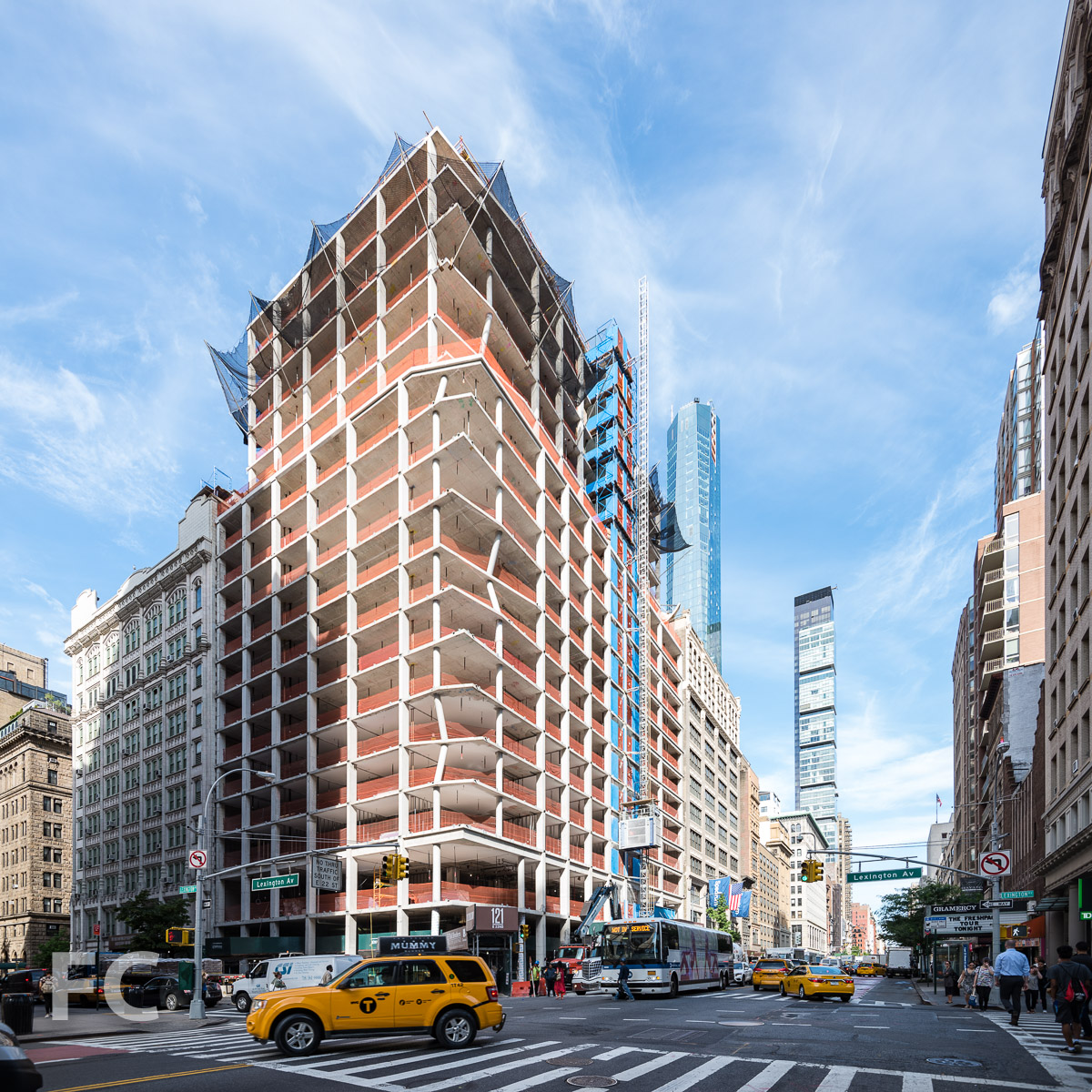


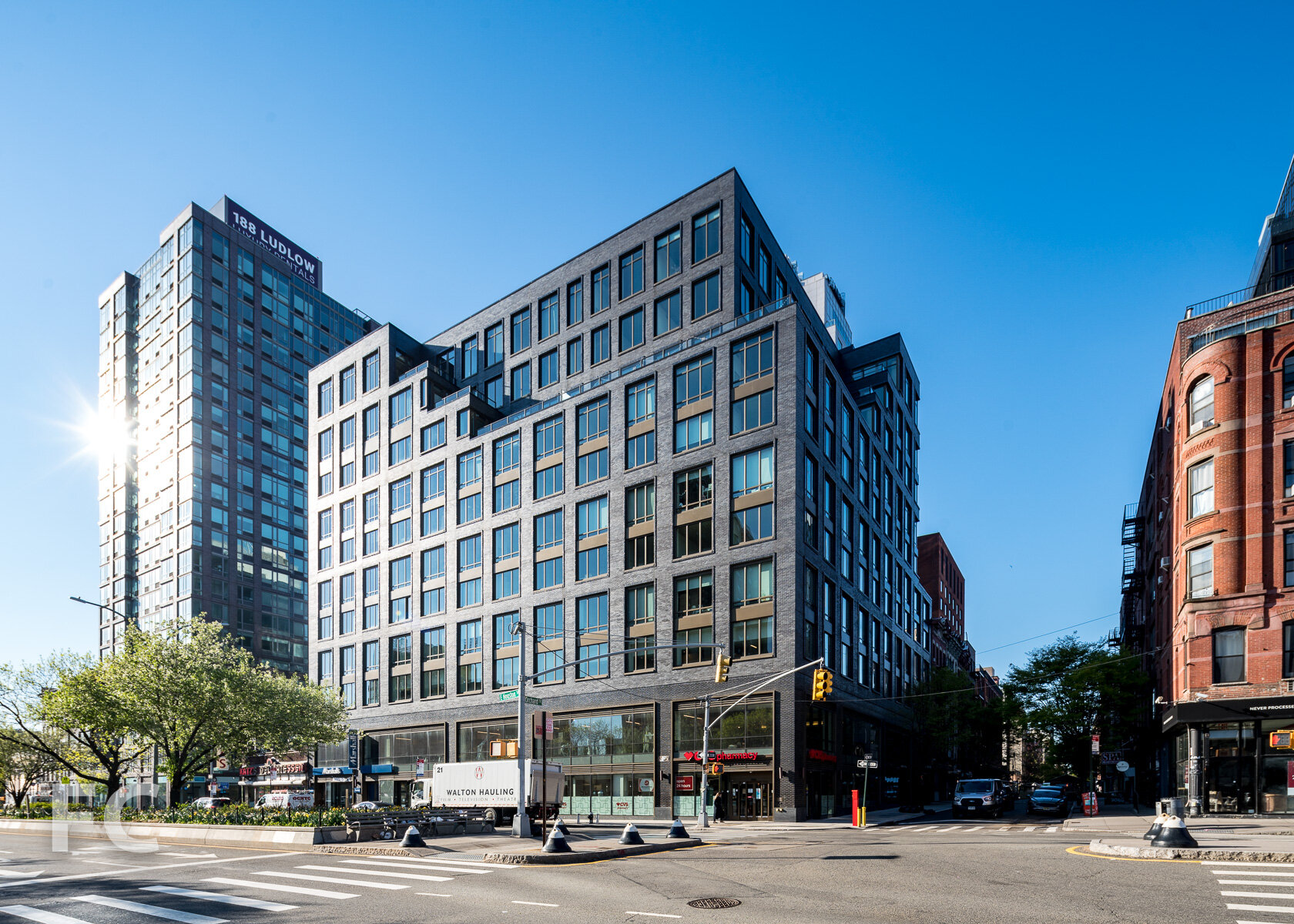
Tour: 196 Orchard Street
Northwest corner from Houston Street.
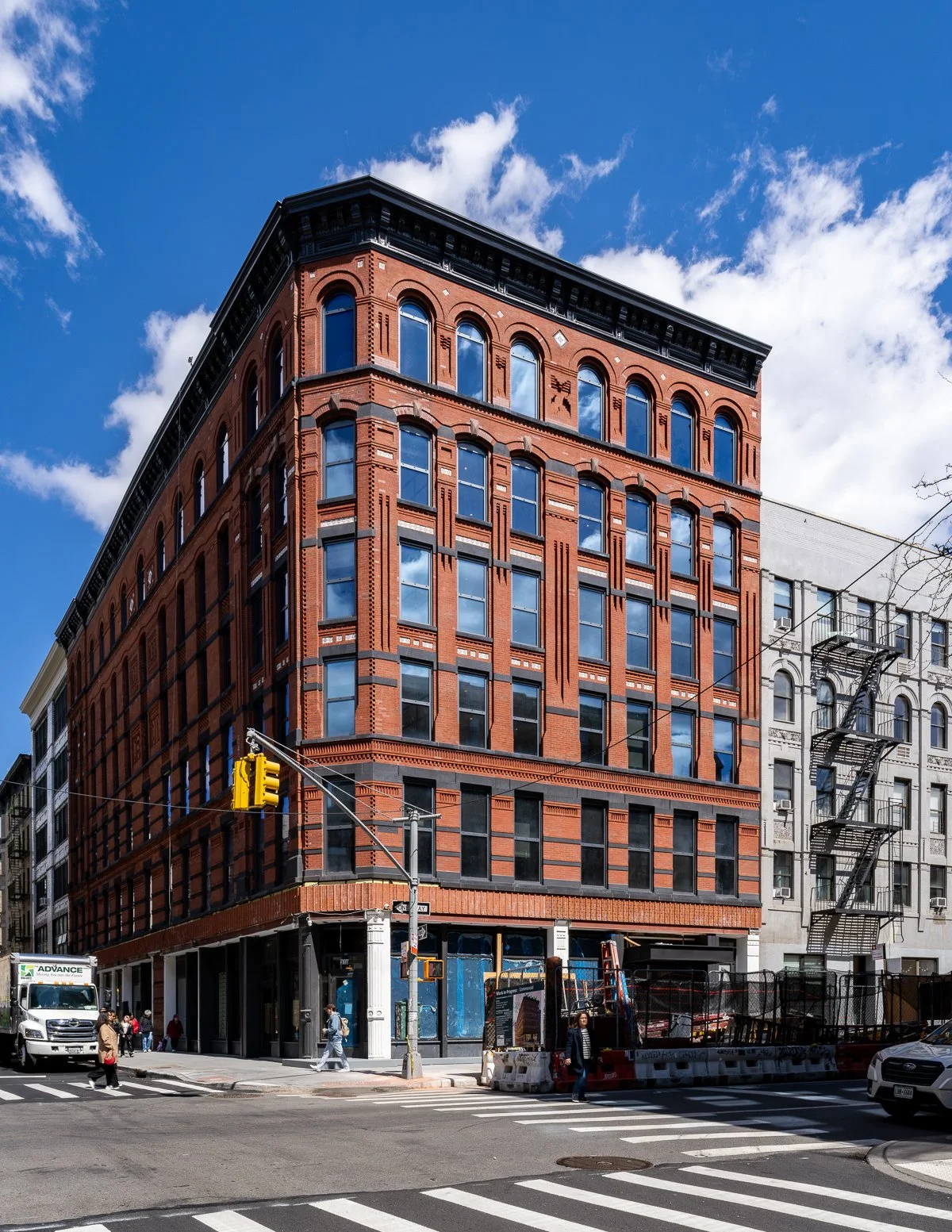
Construction has wrapped up at Magnum Real Estate Group and Real Estate Equities Corporation‘s 196 Orchard Street, a residential condominium building on the Lower East Side. Designed by Incorporated Architecture and Design with Ismael Leyva Architects, the 11-story condo building features a brick facade, with Gilded Bronze glazed Spanish brick at the lower facade and Black Diamond brick above. The facade also features large windows in a double height grid configuration with a glazed brick surround.
North facade from Houston Street.
The building includes 89 condos ranging in size from studios-to-four-bedrooms, including some with private terraces. Amenities include a 30,000 square foot Equinox gym and a 4,300 square foot landscaped rooftop terrace with two outdoor kitchens and custom seating.
North facade detail.
North facade from Houston Street.
Northeast corner from Houston Street.
Rooftop Amenity Terrace and Views
Model Residence
Architect: Ismael Leyva Architects; Interiors: Incorporated Architecture and Design; Developer: Magnum Real Estate Group and Real Estate Equities Corporation; Program: Residential, Retail; Location: Lower East Side, New York, NY; Completion: 2019.
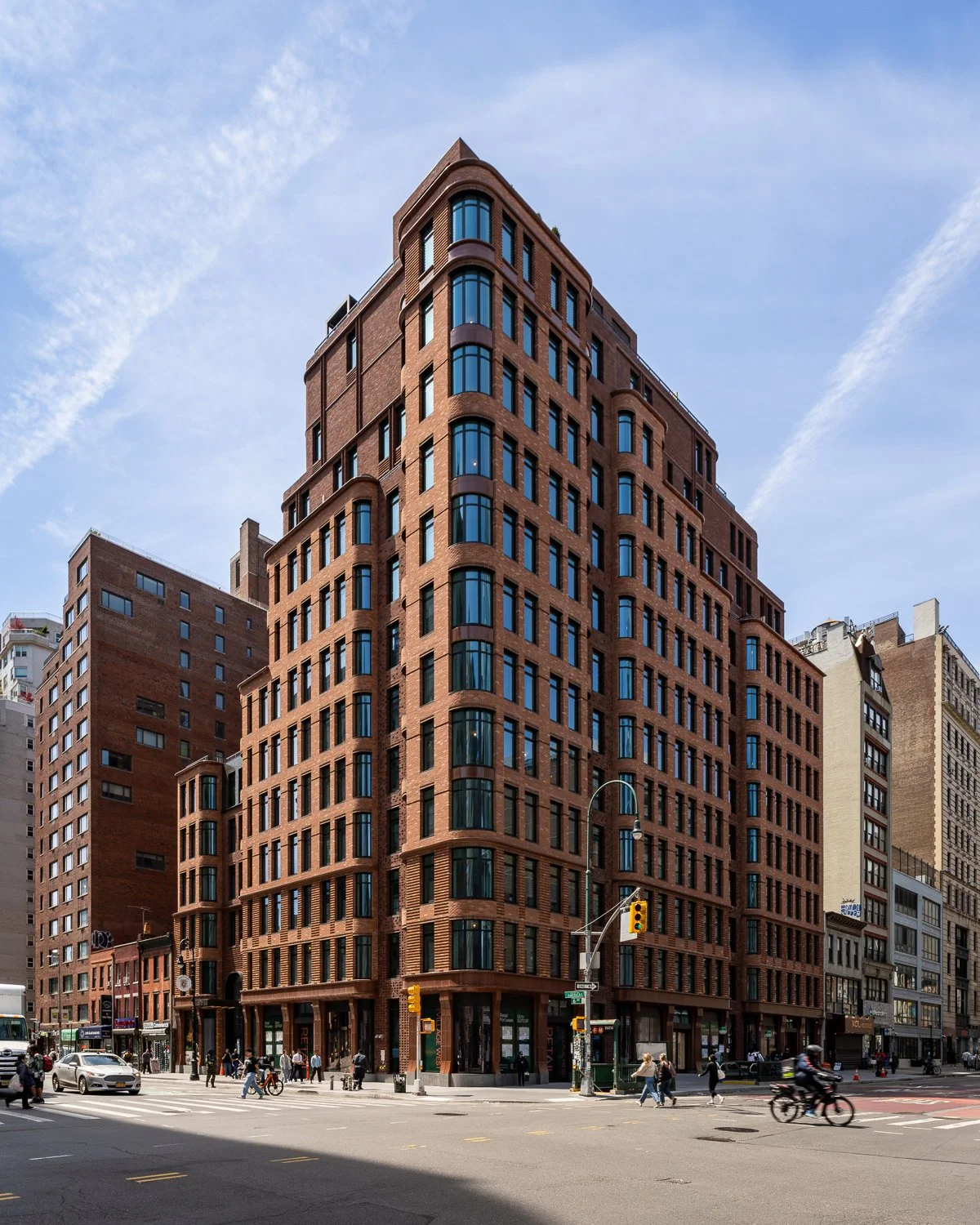
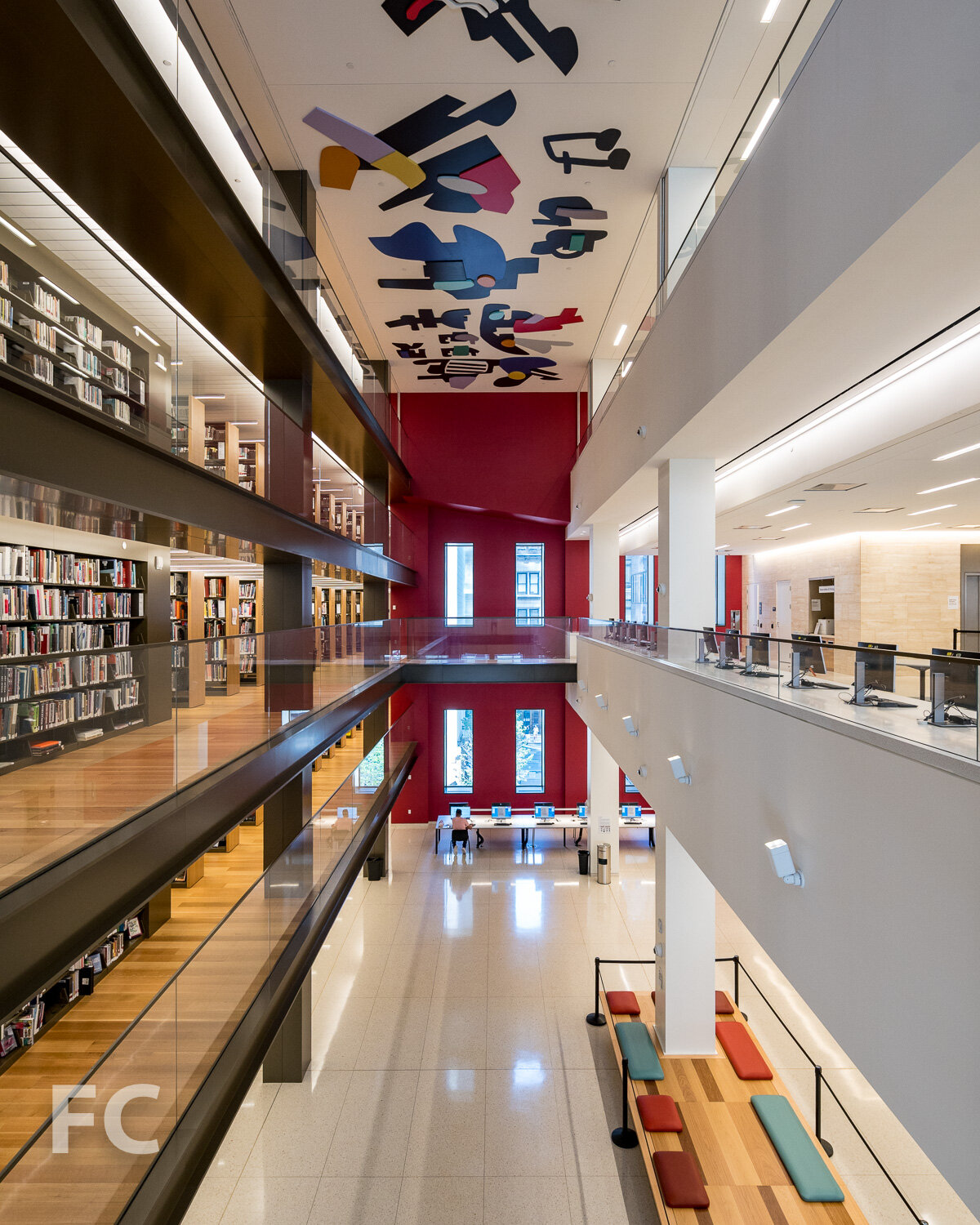
Tour: 455 5th Avenue - Stavros Niarchos Foundation Library
Northwest corner from Fifth Avenue.
The New York Public Library’s renovation of the former Mid-Manhattan Library at the corner of 40th Street and Fifth Avenue has wrapped up and officially opened to the public. Now renamed to the Stavros Niarchos Foundation Library, the renovation of the 1970’s branch library was led by Mecanoo with Beyer Blinder Belle. Before the six-story building was repurposed as a library, it originally opened as a department store for Arnold Constable Co. in 1915.
The renovation created capacity for 400,000 books and other circulating materials, along with updates spaces for the children’s library, teens library, business library, adult learning center, 17,000 square feet of general reading and study space, 11,000 square feet of multipurpose space, and a rooftop terrace.
The Long Room is structured as a 31 foot wide and 85 foot high linear atrium between three floors of flexible reading areas and five floors of book stacks. An abstract artwork by Hayal Pozanti occupies the atrium ceiling.
The three floors of reading areas feature bespoke reading tables at a length of up to 66 feet and supported by the building’s original steel frame. Chairs at the reading tables are an exclusive design collaboration with Thos. Moser for NYPL branch libraries.
A Children’s Library and Teen Center are located on the lower level and connect to the ground floor with a staircase and large light wells.
Architects: Mecanoo with Beyer Blinder Belle Architects; Client: New York Public Library; Program: Library Renovation; Location: Midtown, New York, NY; Completion: 2021
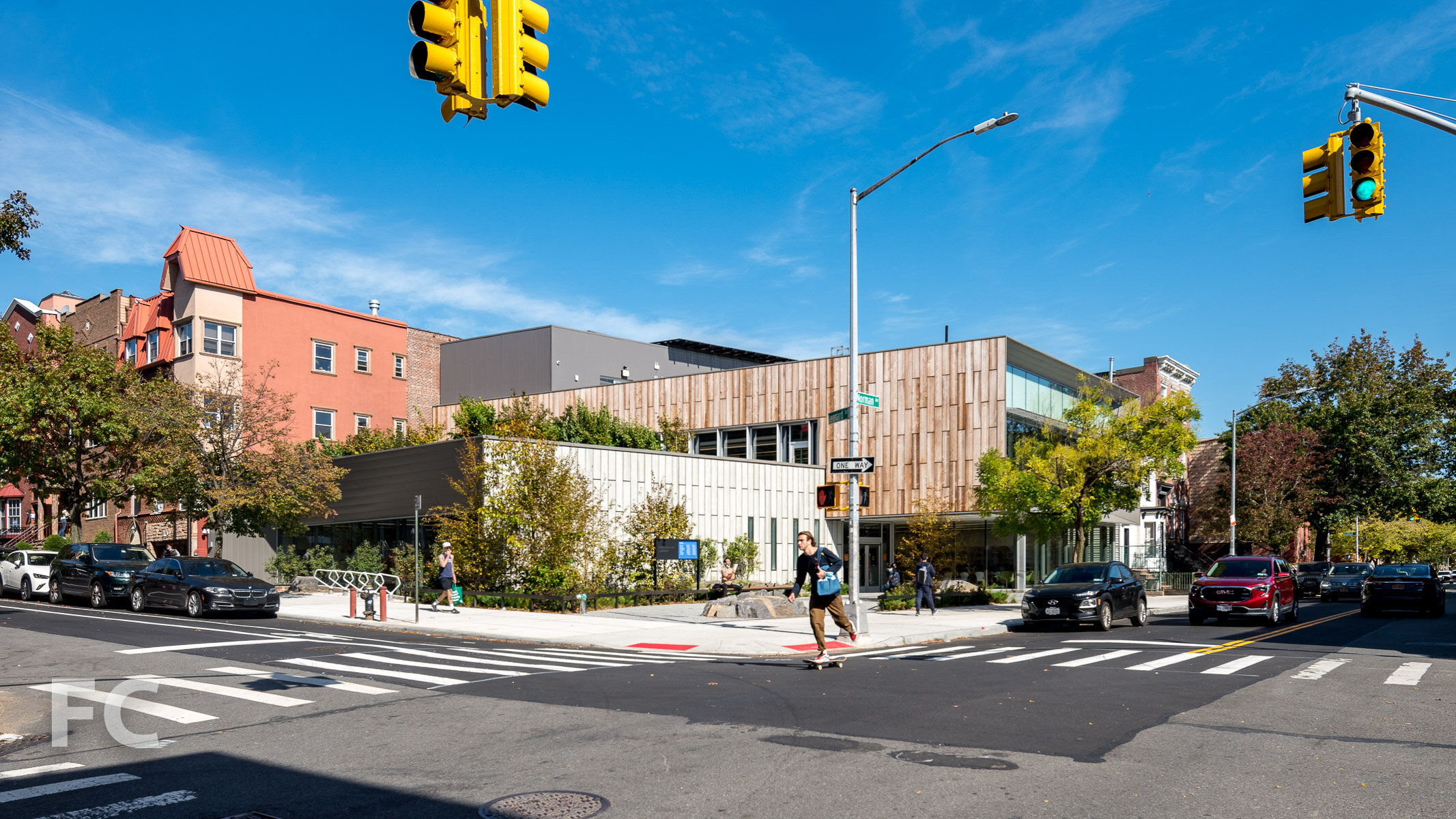
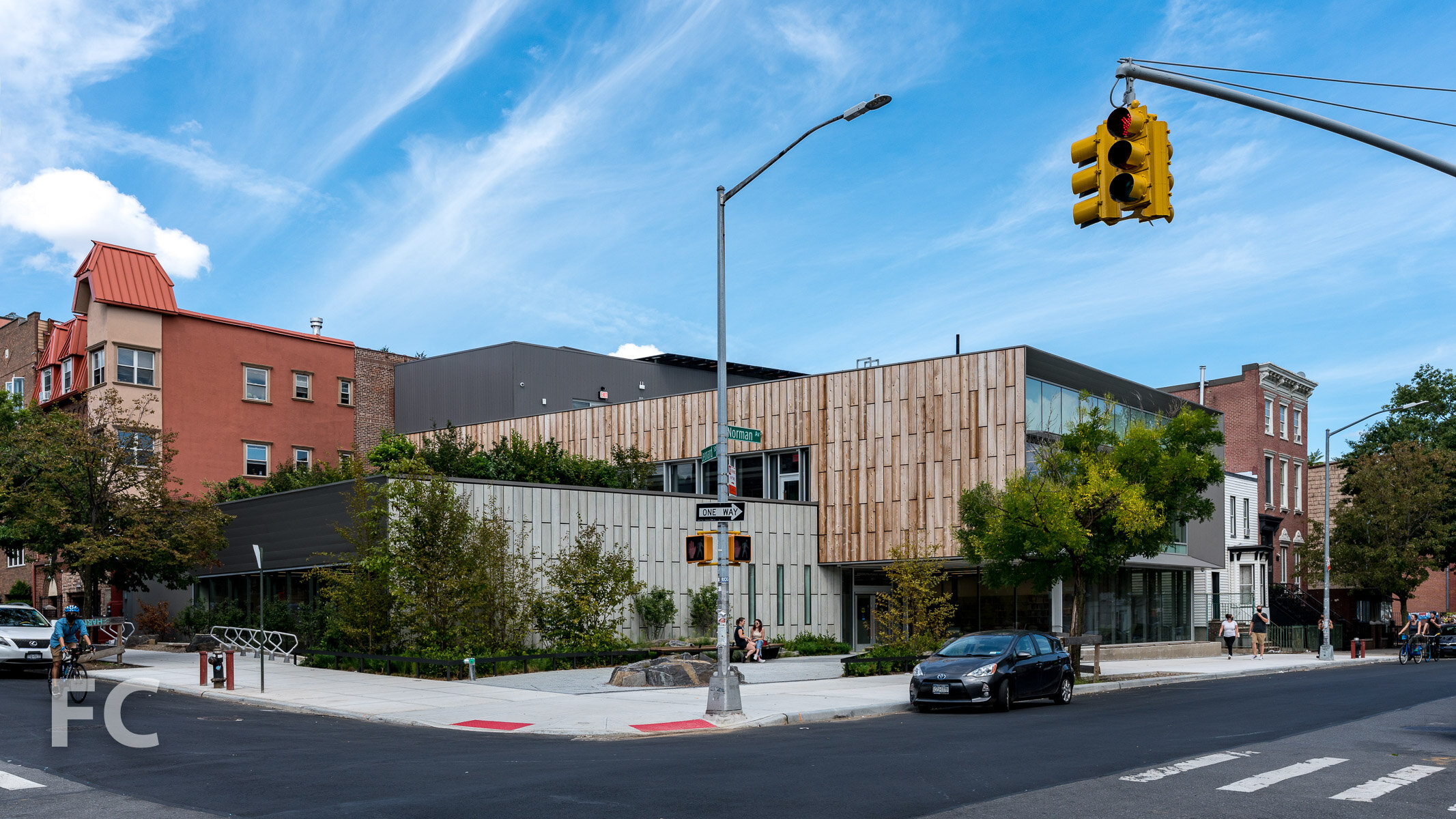
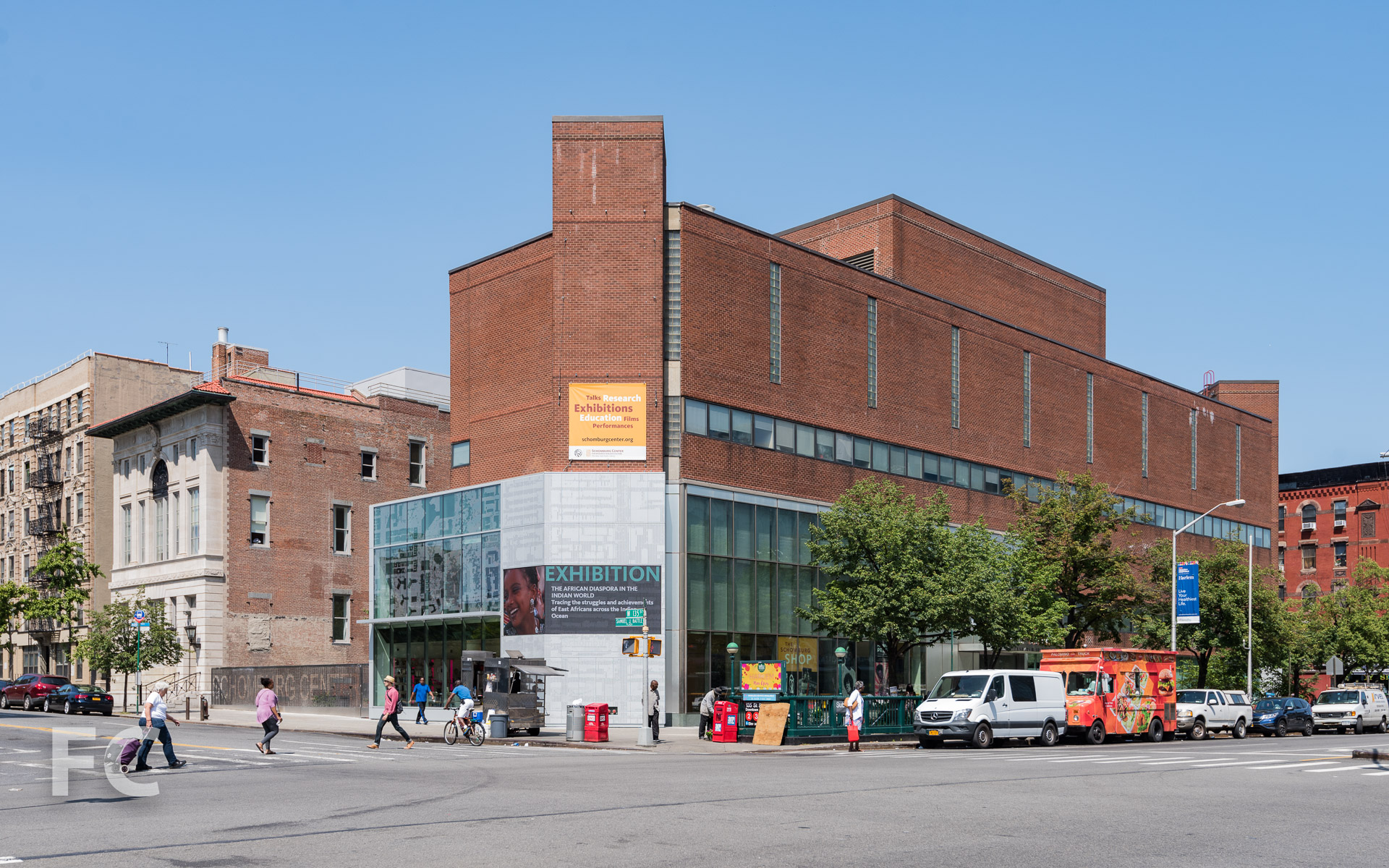


Tour: Pier 55 - Little Island
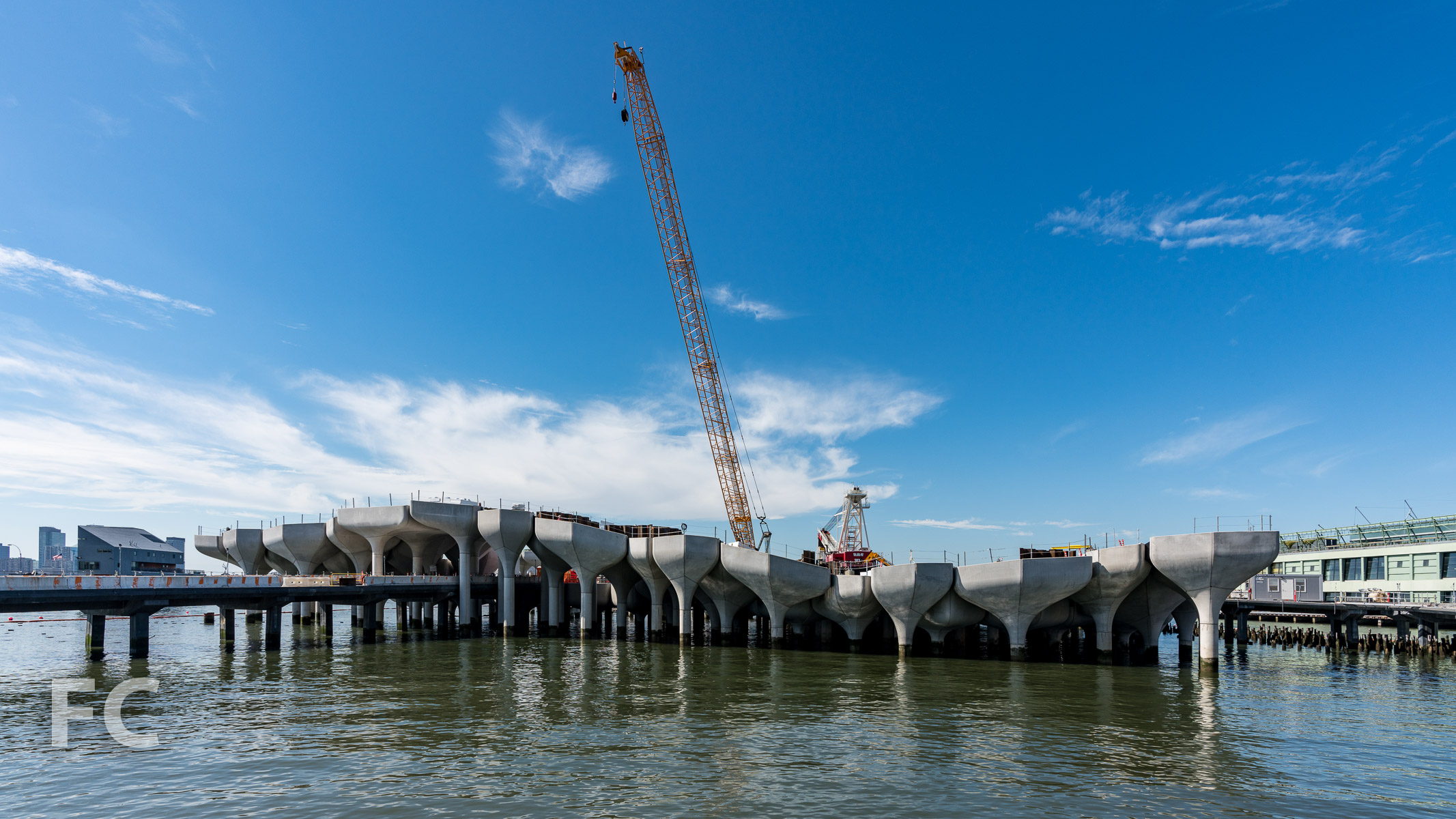
Heatherwick Studio’s park, known as Little Island, at Pier 55 in Hudson River Park has officially opened. Located near the Meatpacking District and the High Line, the design of the 2.4 acre park features an undulating field of 132 pots with plantings sitting on 280 concrete piles. At the park’s peak, the pots rise 30 feet into the air and can weigh more than 90 tons. Four to six petals of lightweight concrete combine to form each of the pots. MNLA led the landscape design, which is inspired by the textures and colors of coastal Acadia National Park in Maine. The park offers a 700-seat amphitheater for music, dance, and theater productions, along with numerous pathways and viewing platforms.

Architect: Heatherwick Studio; Landscape Architect: Mathews Nielsen Landscape Architect; Client: Hudson River Park; Program: park; Location: Meatpacking District, New York, NY; Completion: 2021.


Construction Update: 98 Front Street
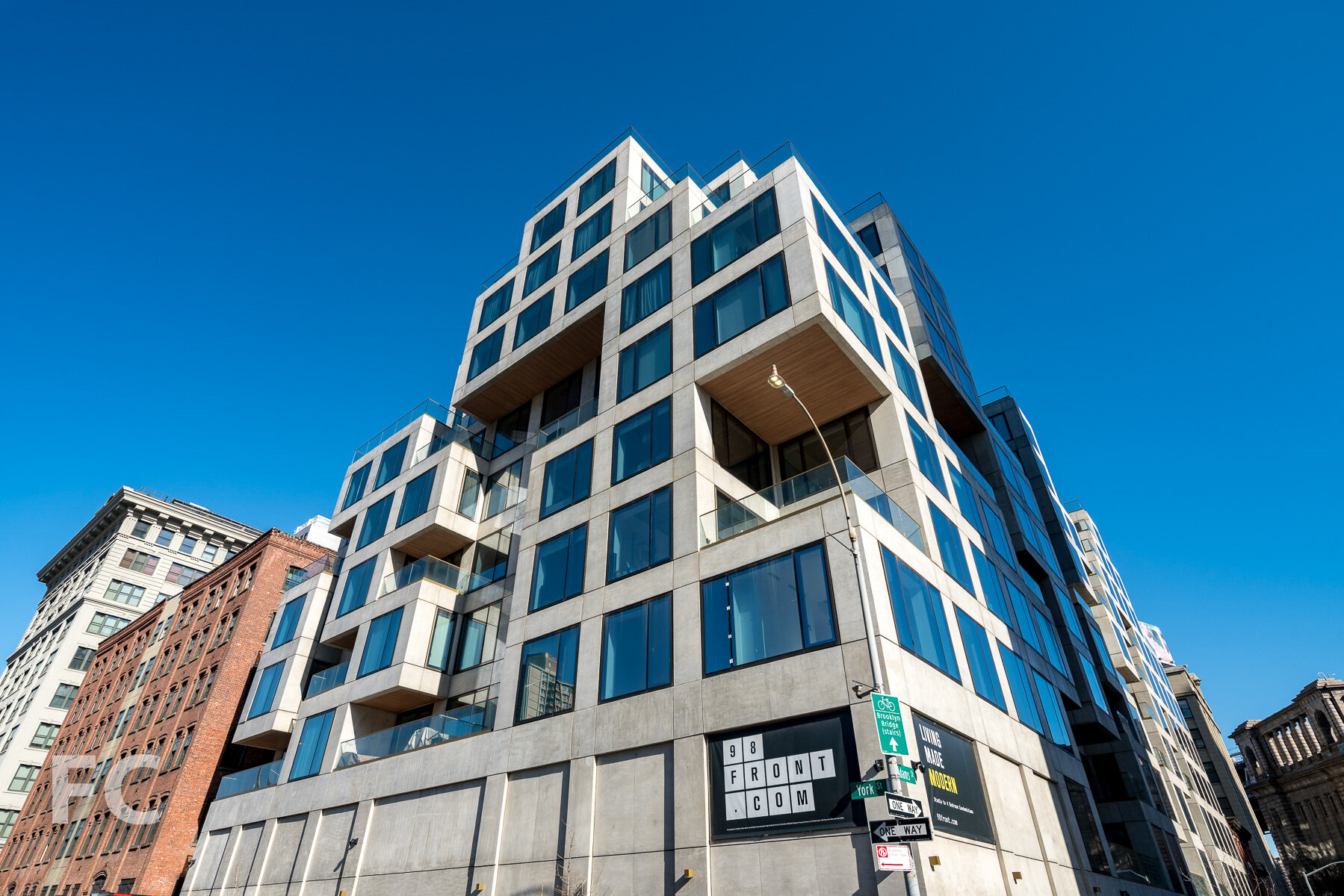
Southeast corner from York Street.
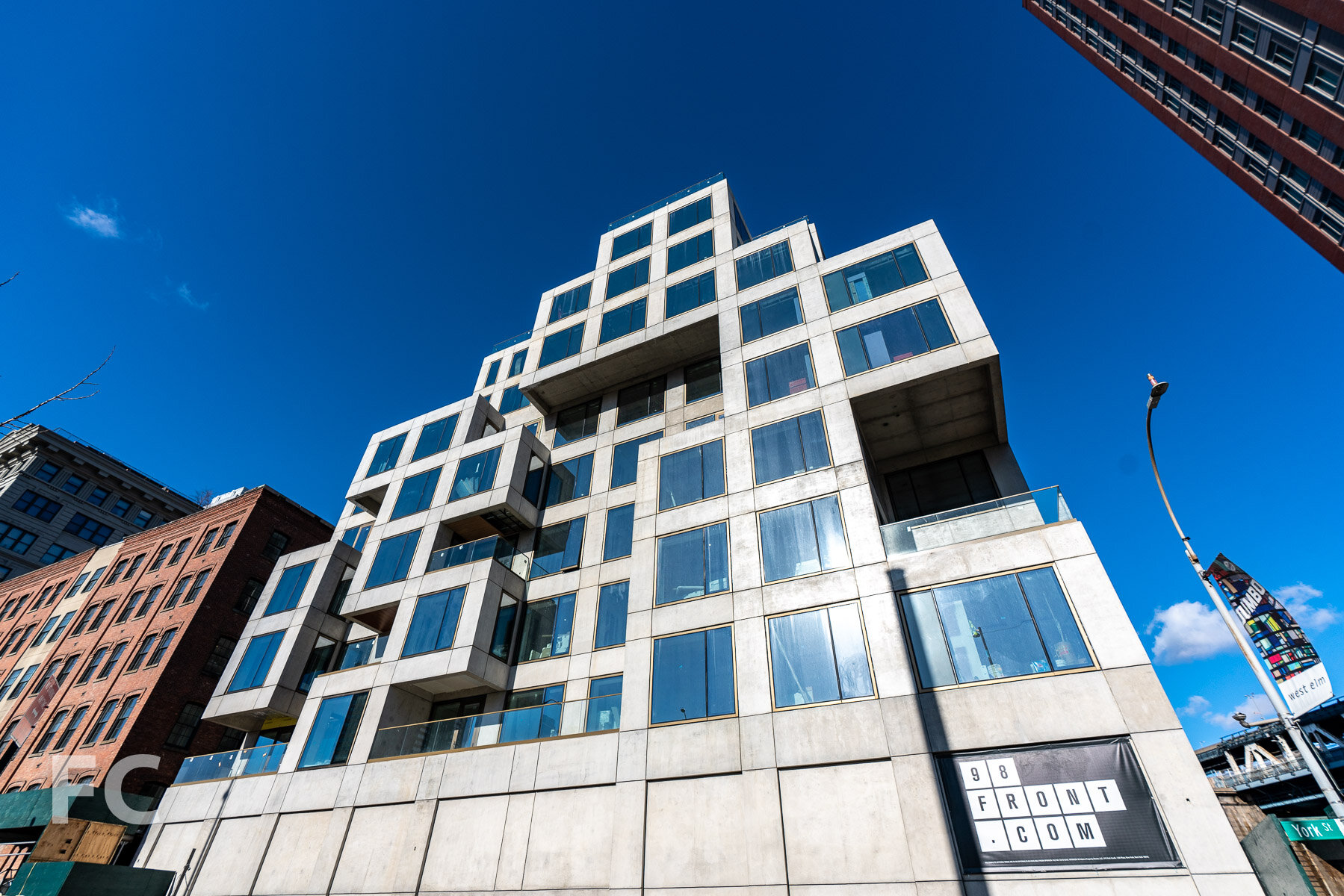
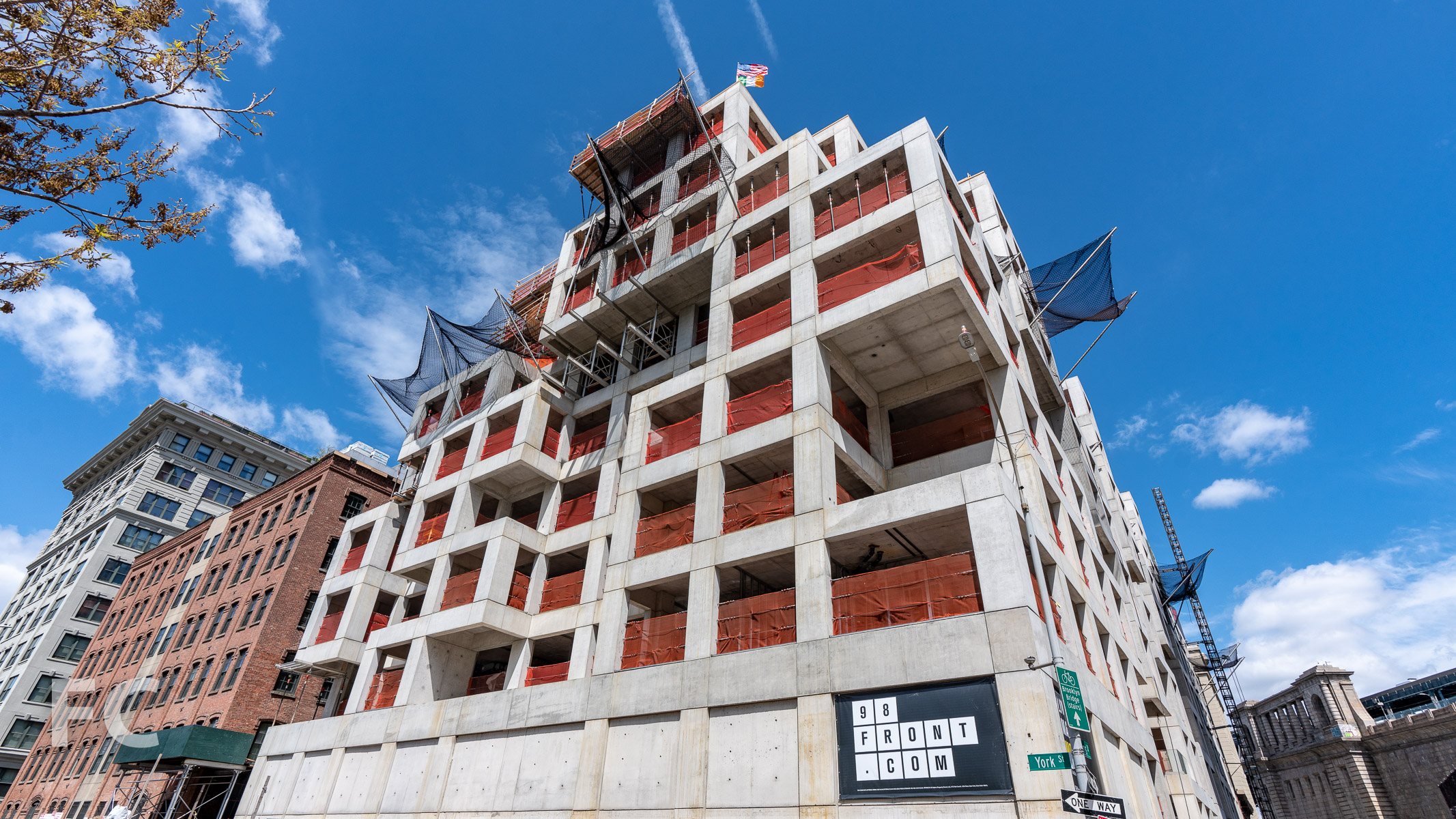
Construction has wrapped up at Hope Street Capital’s 98 Front Street residential building in the DUMBO neighborhood of Brooklyn. Designed by ODA New York, the 10-story building features the firm’s signature eroded massing in the form of poured in place concrete and square proportioned punch windows. This massing strategy allows for outdoor space in the form of terraces and void spaces throughout.
Looking up at the south facade from York Street.
Residents have access to a collection of amenities that includes a double height lobby and mailroom, residents lounge, co-working space, 7,000 square feet landscaped rooftop terrace, fitness center, indoor salt water pool and spa, steam room, children’s playroom, and bike storage.
South facade detail.
South facade.
Residential entry canopy.
Looking up from the residential entry canopy.
Residential lobby and mail room.
Mail room looking out onto a courtyard reflecting pool.
Residents lounge and co-working space.
Residents lounge.
Indoor salt water pool.
Steam room.
Looking up from the courtyard.
Rooftop Amenities
Looking north towards Lower Manhattan from the rooftop terrace.
Rooftop fitness area.
Looking down on the courtyard reflecting pool.
Model Residences
Residential units feature custom 8’8” tall Alumil windows in triple or quadruple panes for sound attenuation, white oak hardwood flooring, and Scandinavian-inspired kitchens with white oak wood cabinetry, Corian countertops, and Bosch appliances. Bathrooms include custom sinks with floating oak shelving, brushed nickel fixtures by AF New York, and large format Nordic Blanco tiles.
Architect: ODA New York; Developer: Hope Street Capital; Program: Residential, Community Facility; Location: DUMBO, Brooklyn, NY; Completion: 2020.
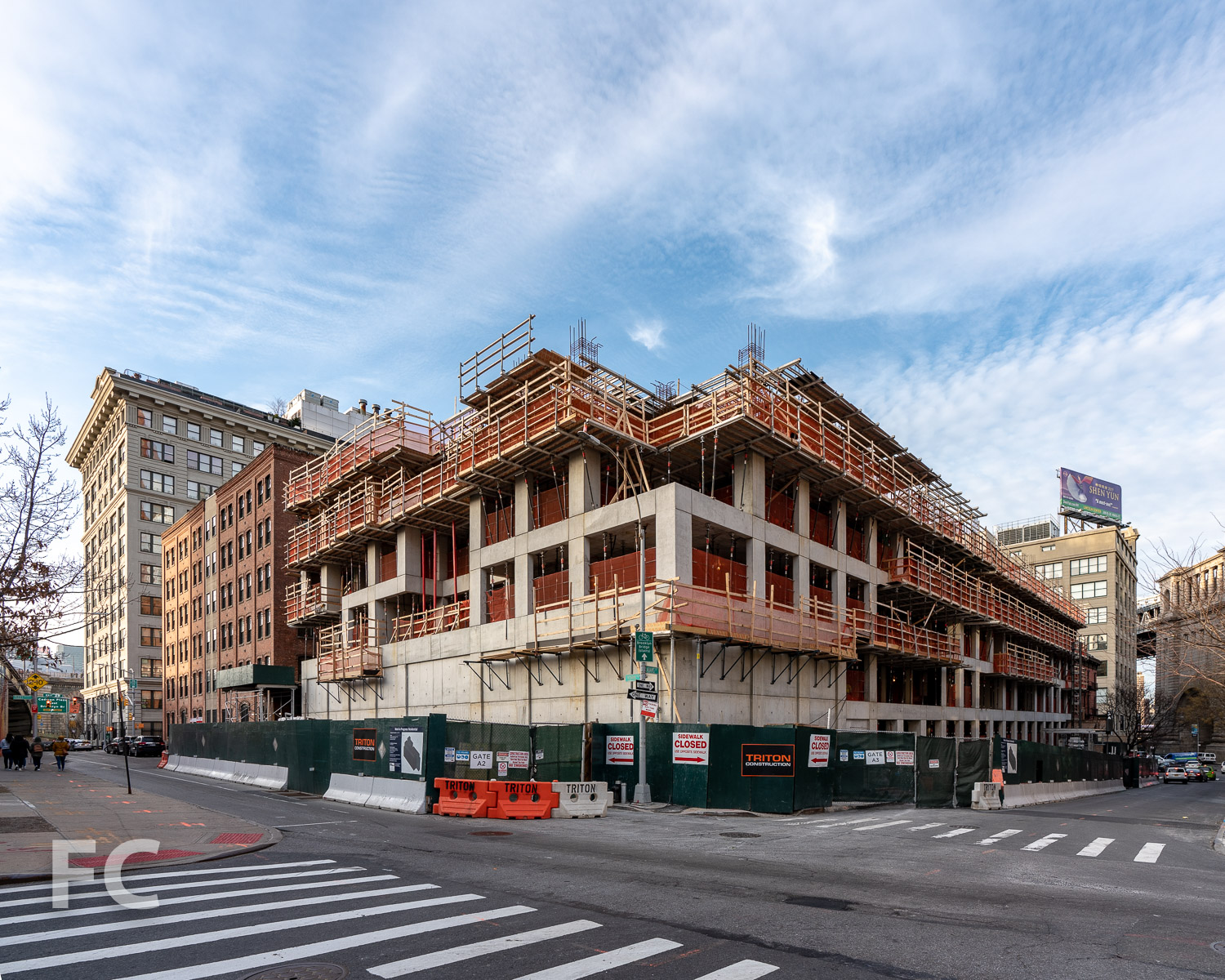

Tour: 1 South 1st Street / 10 Grand Street
West facade from the East River.
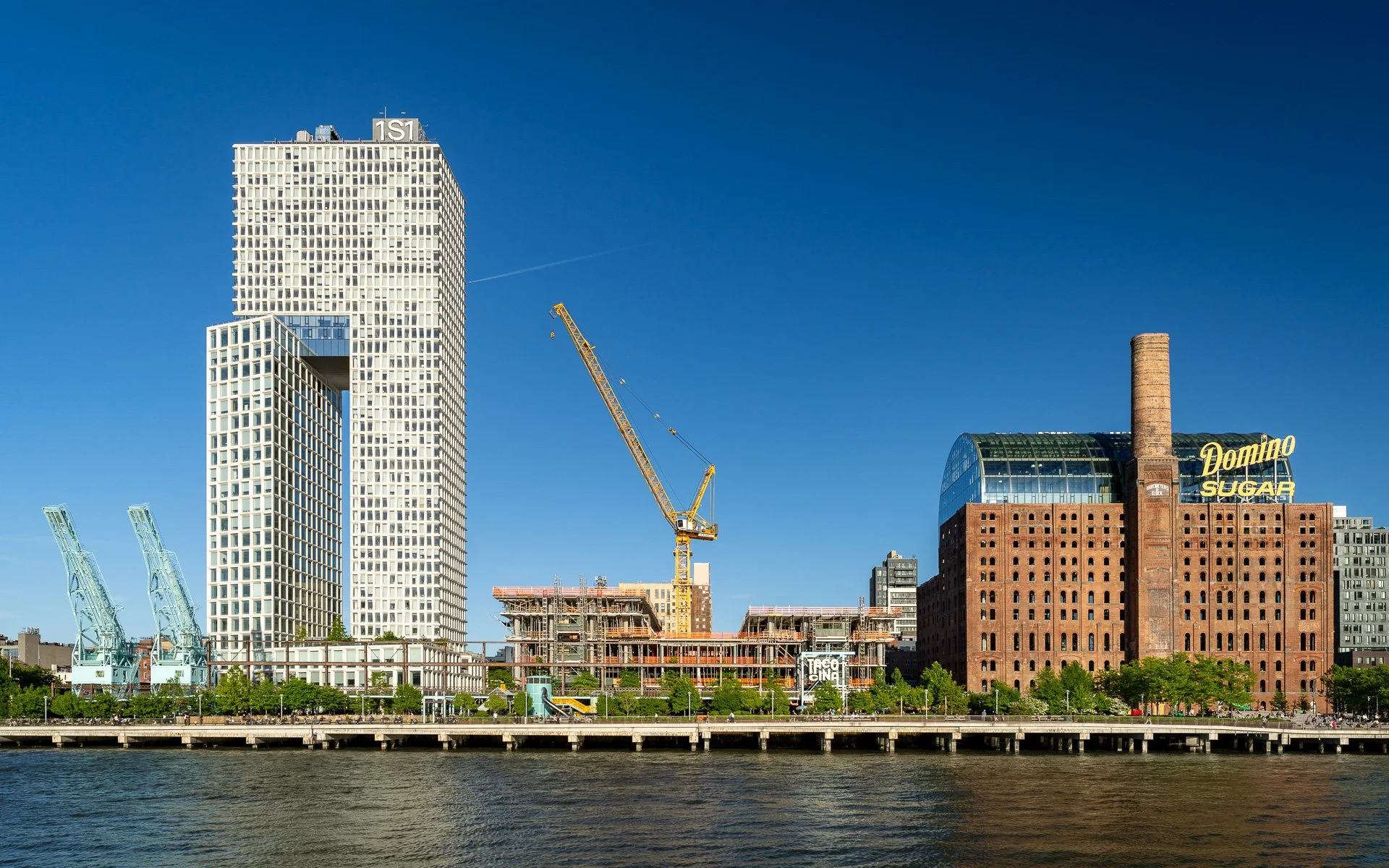
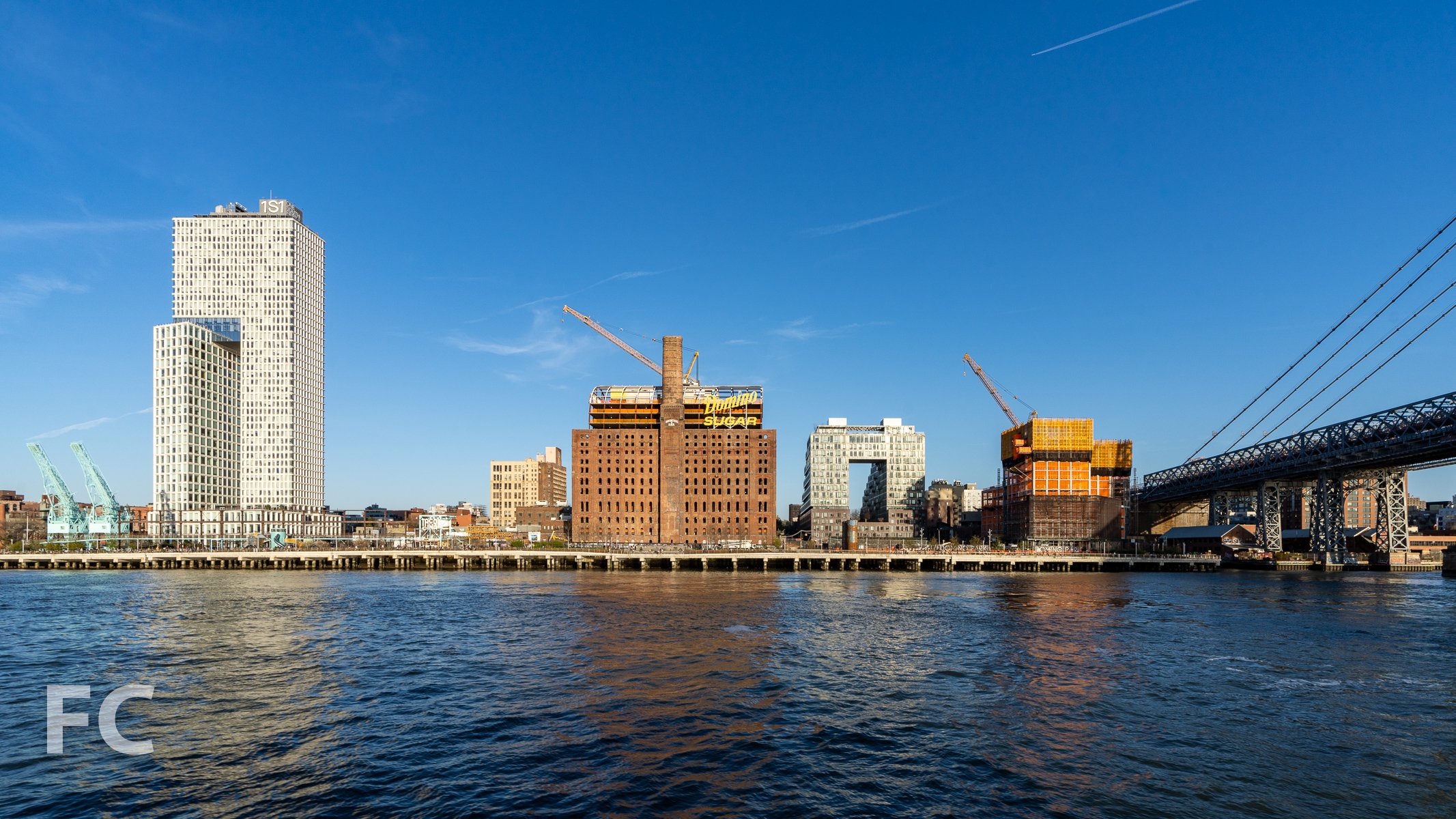
Construction has wrapped up at One South First (formerly 260 Kent), the second residential tower of the Domino Sugar master plan. Designed by COOKFOX Architects, the 42-story tower is located at the northern boundary of Domino Park. Along with 330 residential rental units, the mixed-use building also contains 22 commercial floors with 150,000 square feet of office space and 13,000 square feet of retail, known as Ten Grand Street.
Southwest corner.
COOKFOX was inspired by the molecular structure of sugar crystals for the design of the precast concrete panels that clad the exterior. The molds for the panels were 3D printed using the same BIM model developed for the design and documentation of the building.
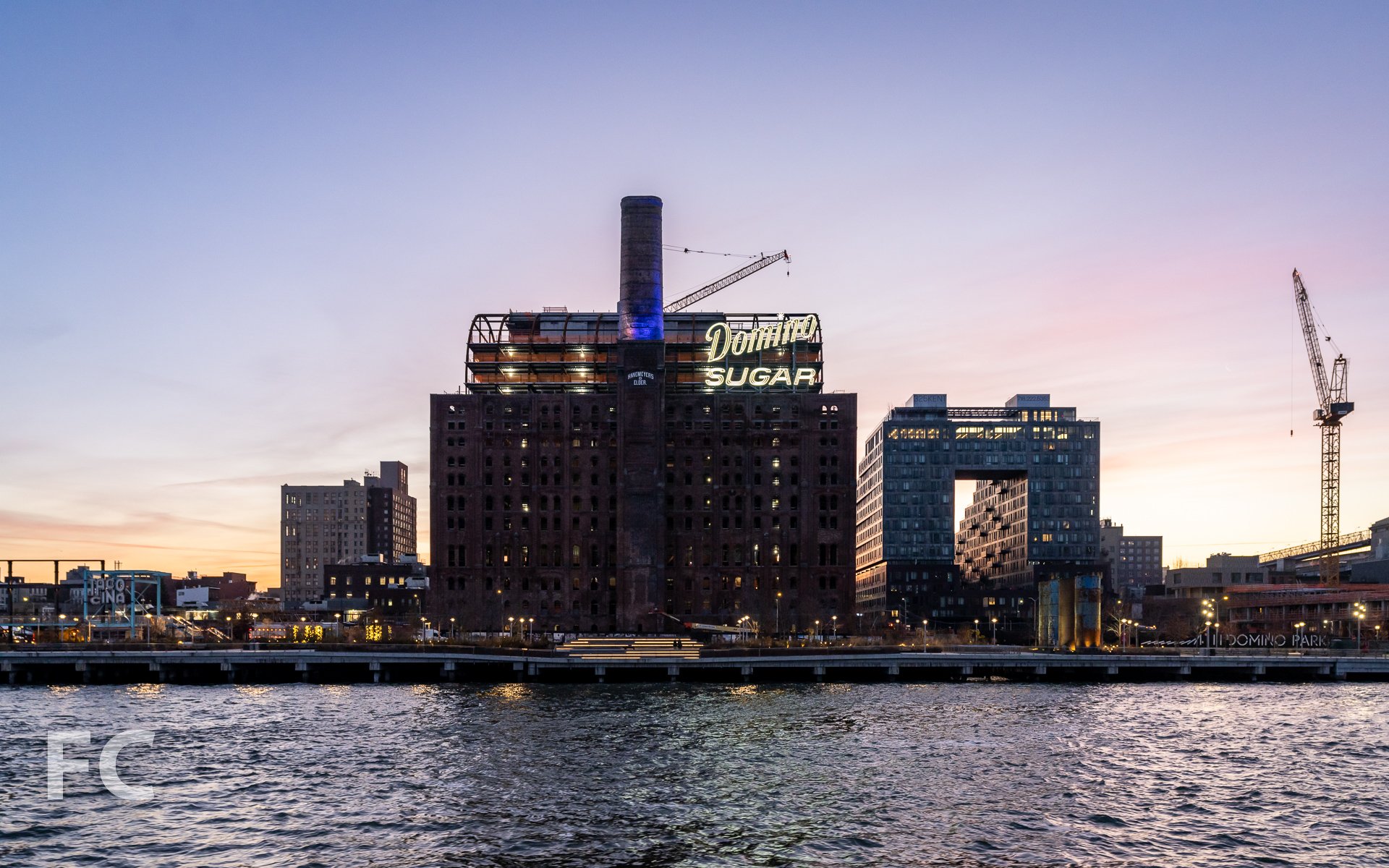
West facade of One South First (far left), the Domino Sugar Refinery (center), and 325 Kent (right) at the Domino Sugar development.
Northwest corner of 1 South First.
Northeast corner from Grand Street.
Looking up at the east facade.
Close-up of the precast concrete panels.
Ten Grand Street
North facade of the podium at the Ten Grand Street office entrance.
The northern volume is composed of 20 floors of commercial office space, each measuring 6,000-square-feet and looking out onto the East River waterfront from floor-to-ceiling windows. Office occupants will have access to two floors of amenities, designed by Bonetti/Kozerski, that include a meeting atrium, work lounge, private conference rooms, 48-seat screening theater, open air terraces, fitness center, bicycle lobby and bike storage, and private outdoor rooftop cabana.
Office lobby clad in metallic terra cotta wall tiles and featuring a site-specific light sculpture by artist Cerith Wyn Evans.
Office lobby.
Meeting atrium.
Meeting atrium.
Office floor.
One South First
Residential lobby.
Mail room adjacent to the residential lobby.
Model Residence
Rooftop Terrace
View northwest towards Midtown.
View southwest towards Lower Manhattan.
View south towards the Domino Sugar Refinery under renovation.
Northeast corner of the Domino Sugar Refinery.
Architect: COOKFOX Architects; Developer: Two Trees Management; Program: Residential Rental, Office, Retail; Location: Williamsburg, Brooklyn, NY; Completion: Late 2019.
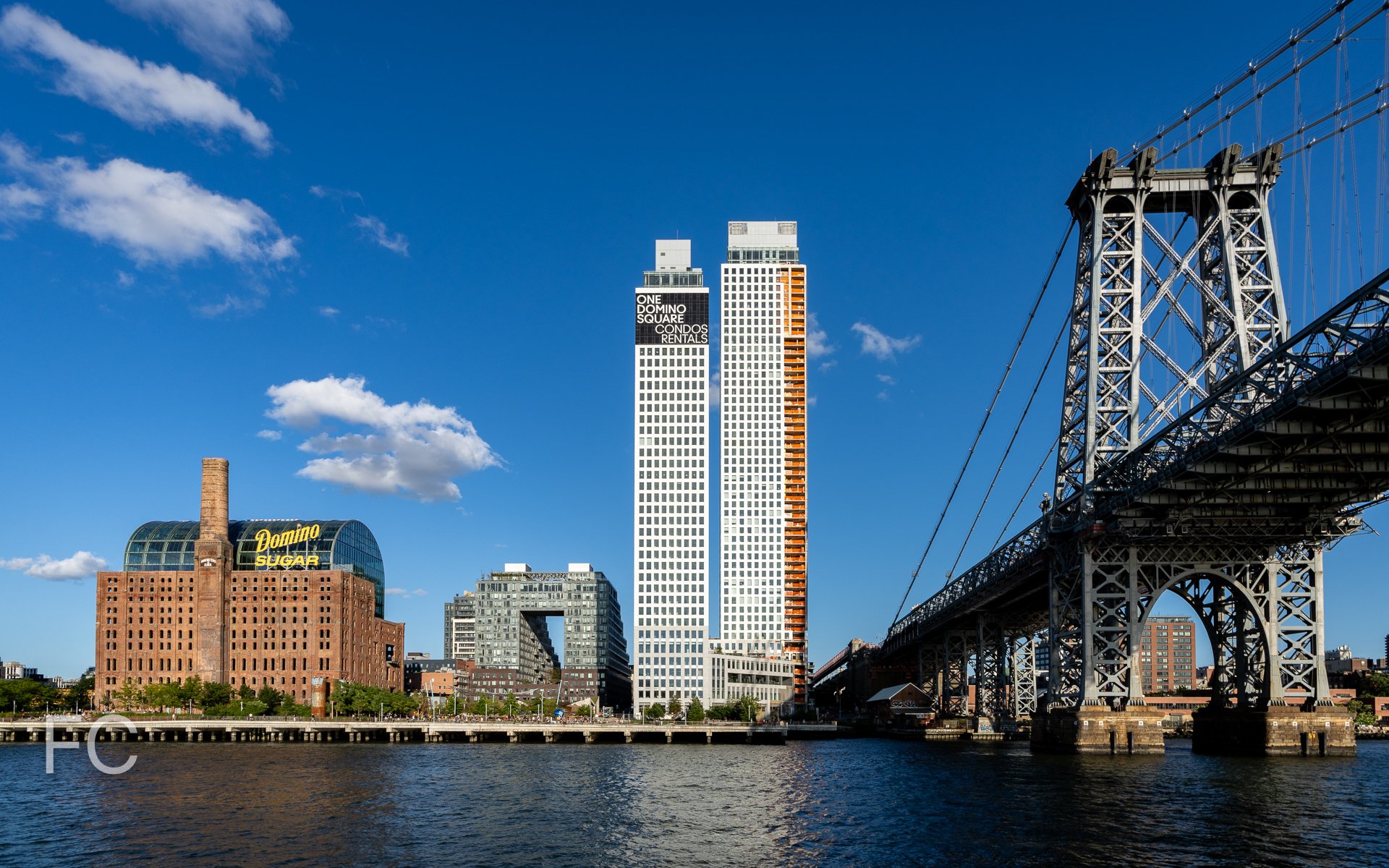
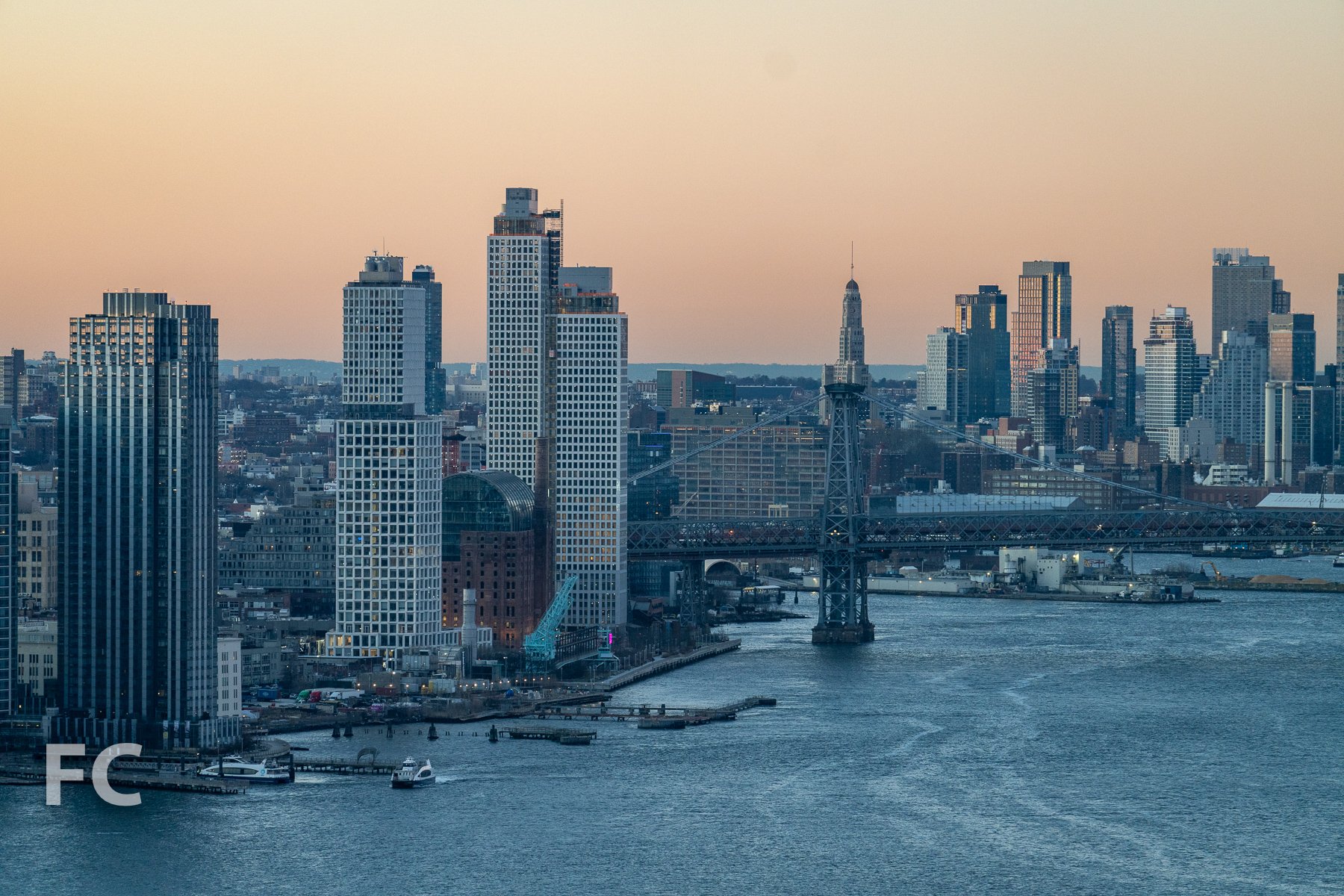
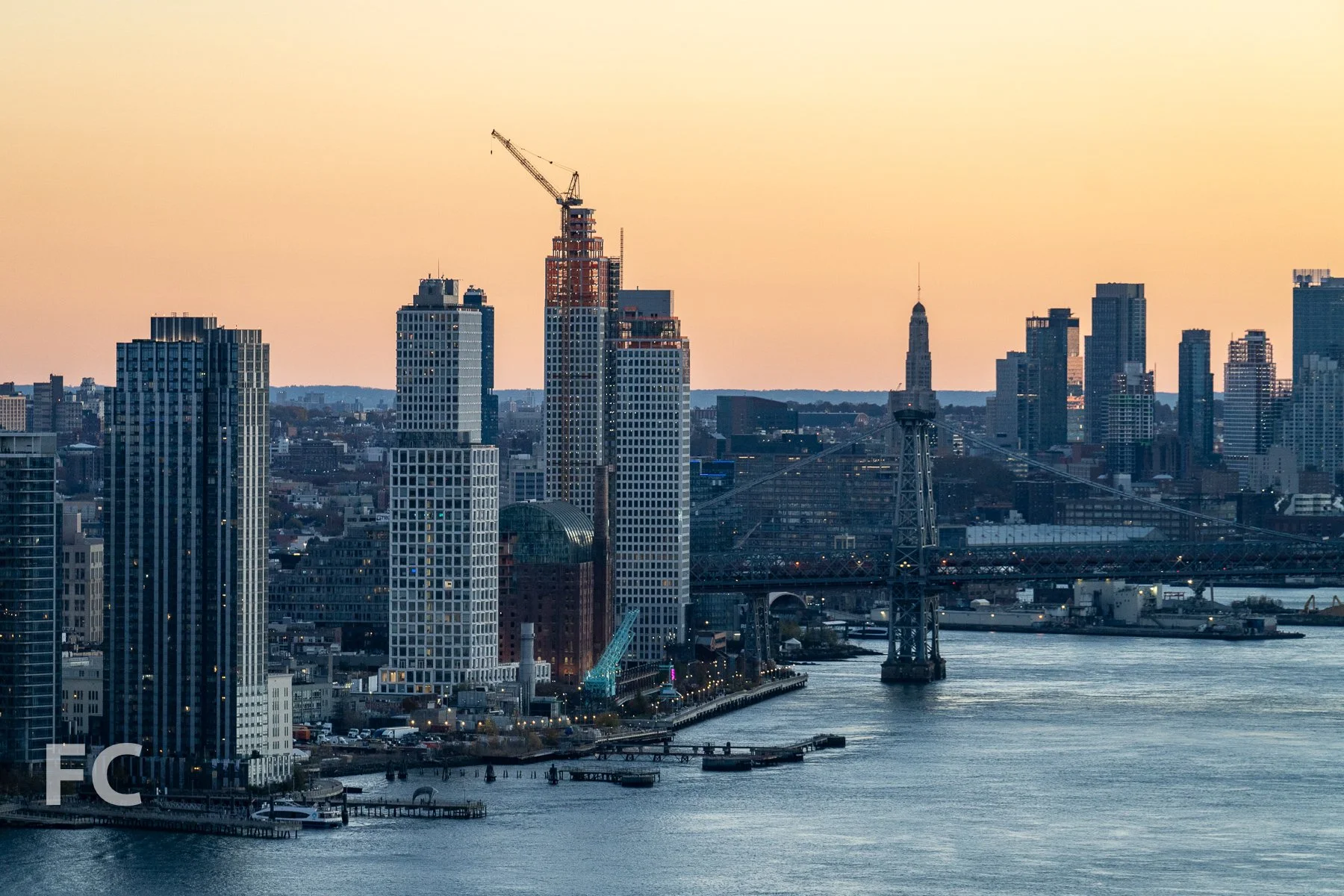




Tour: Moynihan Train Hall and New Penn Station Entry
Northeast corner of the Farley Post Office Building.
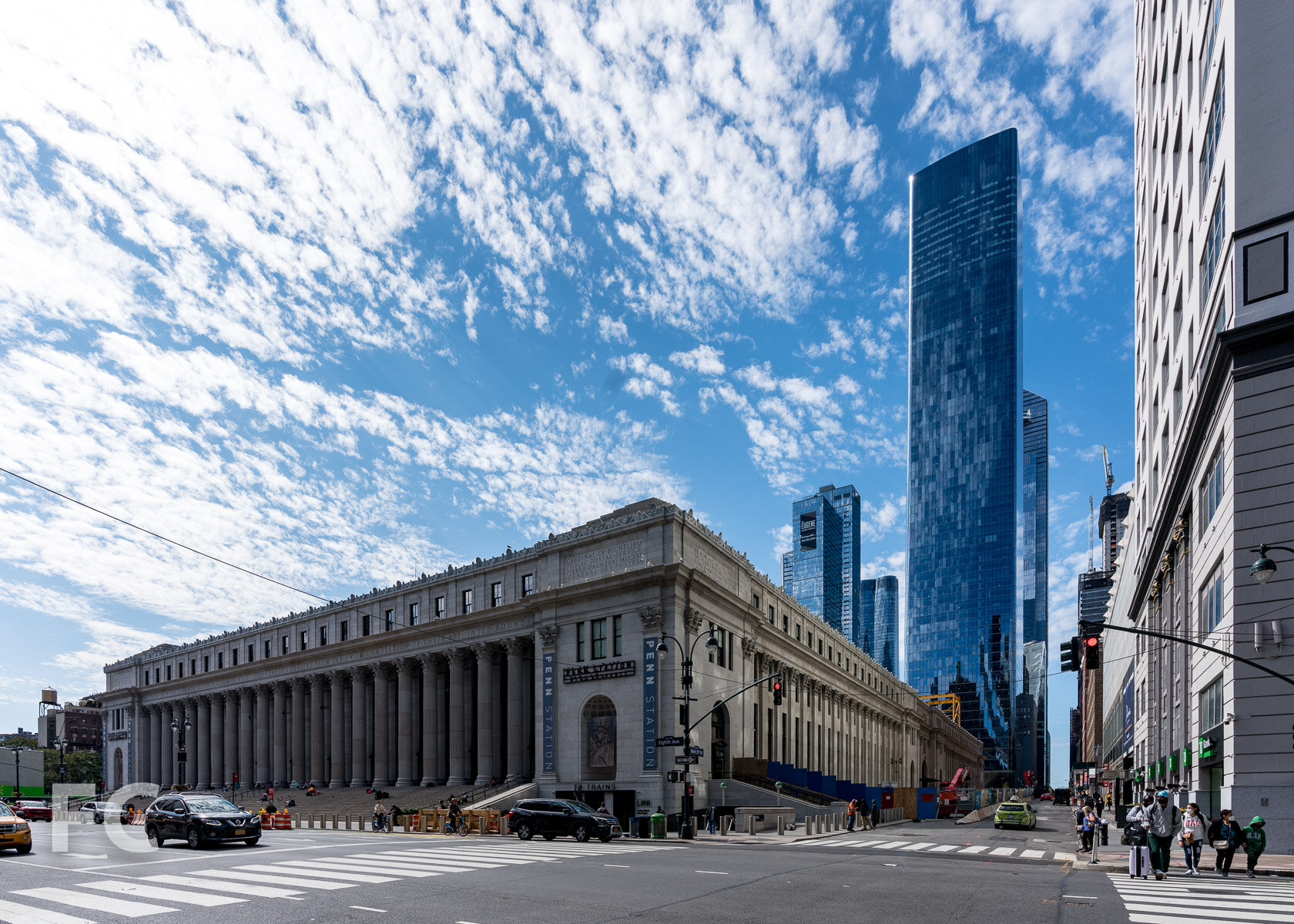
After nearly three decades of planning, the Daniel Patrick Moynihan Train Hall has officially opened in the landmark James A. Farley Post Office Building across from Penn Station. Designed by Skidmore, Owings & Merrill (SOM), the 486,000 square foot rail hub is located in the former mail sorting room of the McKim, Mead & White building from 1913.
Entry at the northeast corner of the Farley Post Office Building.
The design references the demolished Pennsylvania Station, also by McKim, Mead & White, with its central skylight arranged in four catenary vaults supported on three existing trusses. Structural engineering firm Schlaich Bergermann Partner assisted with the design of the vaults, each of which are composed of more than 500 glass and steel panels that thicken at the edges and lighten at the apex.

At the center of the train hall, a new clock designed by Pennoyer Architects hangs from the center truss. The clock design is inspired by the analog clocks that hung in the original Penn Station.
Four LED screens along the eastern wall of the train hall feature New York State imagery designed by Moment Factory.
Rockwell Group has designed Amtrak waiting rooms at the concourse level.
FXCollaborative has designed an Amtrak Metropolitan Lounge on the second floor with views out onto the central train hall.
At night, the train hall is lit up by the lighting fixtures installed on the trusses.
An entrance at 31st Street features the art installation “The Hive” by Elmgreen & Dragset, a collection of 100 skyscrapers hung like stalactites from the ceiling. Kehinde Wiley Studio has designed a hand-painted stained-glass triptych “Go” for the ceiling of the 33rd Street entrance.
“The Hive” by Elmgreen & Dragset.

“Go” by Kehinde Wiley Studio.
New Penn Station Entry
Also opening to commuters is the new Penn Station entrance for the Long Island Rail Road and the subway at 33rd Street, marked by a steel and glass structure with a 32 foot tall overhang.
Architect: Skidmore, Owings & Merrill; Interiors: Rockwell Group (Amtrak Waiting Rooms), FXCollaborative (Amtrak Metropolitan Lounge), and Elkus Manfredi (Food Hall); Client: Office of Governor Andrew Cuomo and Empire State Development, Vornado Realty Trust, Related, MTA, Amtrak; Program: Train Hall, Retail; Location: Chelsea, New York, NY; Completion: 2021.