Tour: Glenstone Museum
Glenstone, a private museum of contemporary art, is located on 230 acres of land in Potomac, Maryland. The museum was developed and financed by local billionaire Mitchell Rales, and opened to the public in 2006 under the curation of Emily Wei Rales. Glenstone is named for the nearby Glen Road and the areas stone quarries. The Gallery, a 30,000 square foot Modernist structure designed by Charles Gwathmey, housed the collection at the museum’s 2006 opening. In 2010, Thomas Phifer was awarded a commission to design the five fold expansion of the museum after a two stage competition. Phifer, who had previously worked for Gwathmey and fellow New York Five Architect Richard Meier, is known for numerous museums and civic buildings.
Arrival Hall
Upon entering the grounds of the museum property, visitors drive to the Parking Grove. An adjacent Arrival Hall offers information and a book store. Alaskan yellow cedar, a soft wood chosen for its complementary tone to the concrete of the pavilions, clads the exterior of the Arrival Hall. Inside, the spaces are clad in a maple wood.
Detail of the maple wall, flooring, and bench.
Bookstore.
Pavilions
The pavilions are situated in a meadow of undulating topography that denies the visitor a clear view of all twelve structures as you follow the winding path to their entrance. Phifer’s site strategy is inspired in part by the dry garden at Ryoan-ji that features fifteen stones in a rectangular gravel field seen from a platform. Visitor’s are never able to see all fifteen stones at the same time, embodying a meditation strategy that favors intuition over reason.
Phifer’s concept for the pavilions was to treat them as a series of rooms, with unique proportions tied to specific artwork, surrounding a water court. Pavilions are sited on the cardinal points to emphasize the changing natural light throughout the day.
Entry.
The cast-in-place concrete used at the pavilion interiors is an architectural concrete made with a mixture of pure white and common grey cement and locally quarried aggregate stones. Finnish plywood panels were used on the handmade formwork to produce a smooth finish for the exterior surface of the concrete. The resulting concrete has slight variations of color and visible lift lines from the removal of the formwork.
Room 1.
Twenty-six thousand precast concrete blocks, measuring six feet by one foot, clad the exterior and interior walls of the pavilions. Blocks were cast off site and vary based on weather conditions during casting and curing. Darker blocks were poured in winter due to temperature and the slower evaporation of water. Surface finish was even affected by removing the formwork in rain or sunny weather. Time will further the contrast of the blocks as they are further exposed to the elements.
Stair handrail detail.
Phifer has situated the twelve pavilions around an 18,000 square foot Water Court which can be viewed through large panels of glass. These German made panels are set in stainless steel mullions and reach heights up to thirty feet.
A platform made of Ipe wood and a teak bench allow visitors to sit and reflect outside in the Water Court. Plantings include water lilies, irises, rushes, cattails, and hardy canna.
Terrazzo made of granite is employed for the floors of the pavilions and complements the surrounding concrete and glass. Although typically polished to a high gloss, the Glenstone’s terrazzo has a matte finish and has a lighter than normal color due to the small aggregate used in the mix.
Room 7 features a monumental bench made of hickory and the largest glass panel in the pavilions, offering visitor’s a stunning view of the surrounding meadow. Maple clads the interior surfaces of the room.
Room 7.
Phifer has specified a plaster for the gallery walls that is made of Italian marble dust and a lime paste from the rocks of the Ticino River in Switzerland.
The clerestories in the pavilions are made of glass that has been acid-etched to produce a uniform and semitransparent surface. This process involves washing clear glass in a light acid bath, creating a smoother surface than sandblasting, to filter natural light entering a space.
Every detail is thoughtfully considered, even the accommodation of sprinkler heads and fire extinguishers.
Water fountains outside of the restrooms.
Located near the pavilions’ entrance, Michael Heizer’s Compression Line is surrounded by argillite, a sedimentary rock of hardened clay particles. This type of argillite comes from the southwest United States and resembles the rusted steel of the sculpture it surrounds. Another piece by Heizer, Collapse, is located in Room 5 and surrounded by the same argillite rock.
Compression Line by Michael Heizer.
Collapse by Michael Heizer.
The Gallery
Glenstone’s first art gallery was designed by the late Charles Gwathmey and opened in 2006. The exterior is clad in zinc and gray granite.
The Gallery (2006).
Sylvester by Richard Serra (2001).
Landscape
The nearly 300 acre landscape of Glenstone is designed by landscape architect Peter Walker and Partners and includes paths, trails, streams, meadows, forests, and outdoor sculptures.
Split-Rocker by Jeff Koons, 2000.
Sculpture in the surrounding landscape includes Jeff Koons’s Split-Rocker, 2000, which is planted each year in the spring with New Guinea Impatiens.
Split-Rocker before its spring planting.
Clay Houses (Boulder-Room-Holes) by Andy Goldsworthy, 2007.
Architects: Thomas Phifer and Partners (The Pavilions), Gwathmey Siegel & Associates Architects (The Gallery); Landscape Architect: Peter Walker and Partners; Client: Glenstone Museum; Program: Museum; Location: Potomac, Maryland; Completion: 2006 (The Gallery), 2018 (The Pavilions).
Tour: Miami Design District Museum Garage
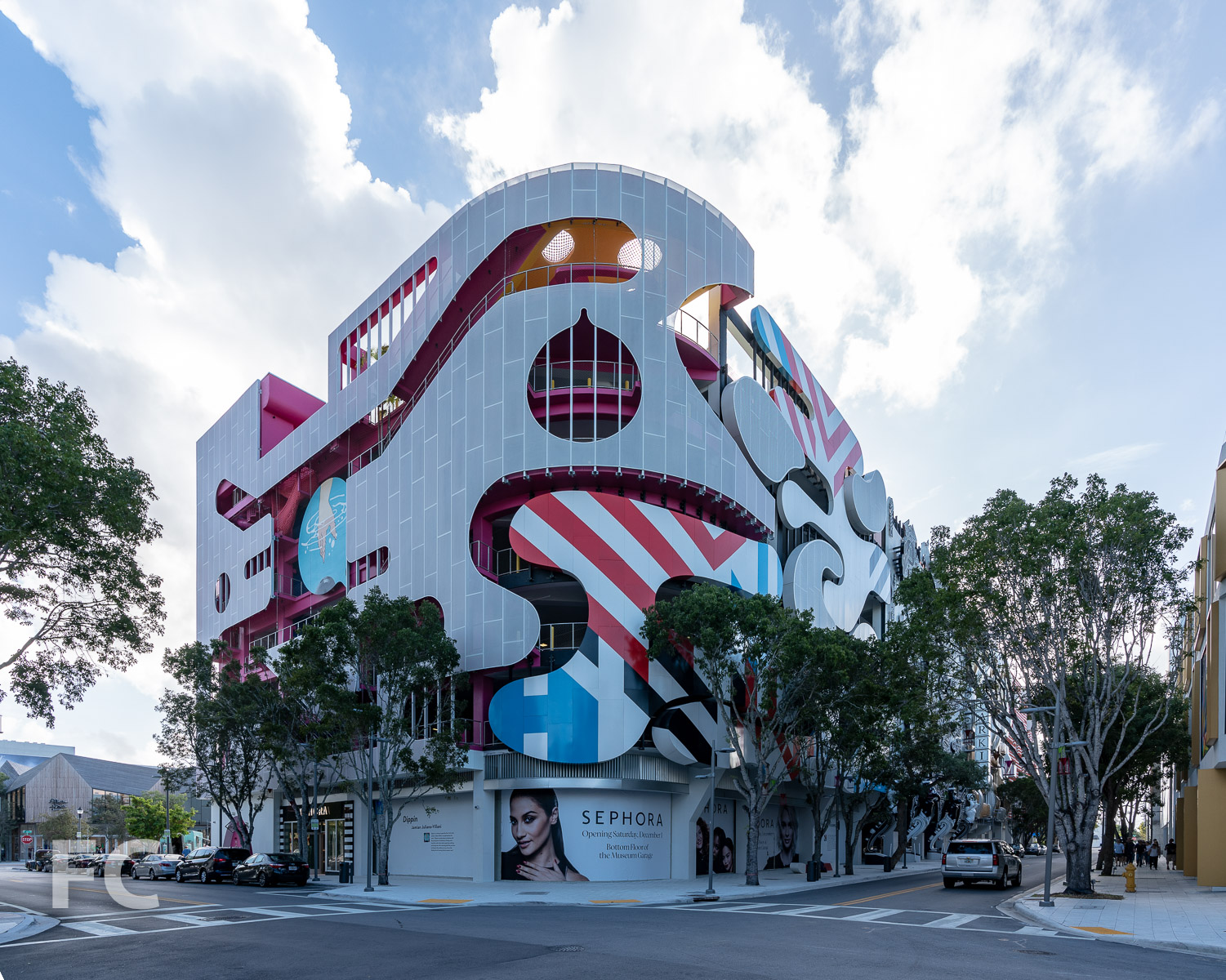
Miami Design District’s latest garage has opened to the public. The project is a collaboration between WORKac, J. Mayer H., Clavel Arquitectos, Nicolas Buffe, K/R Architects, and Sagmeister & Walsh. Each firm has designed a portion of the garage’s facade to produce the effect of a collage spanning the entire enclosure.
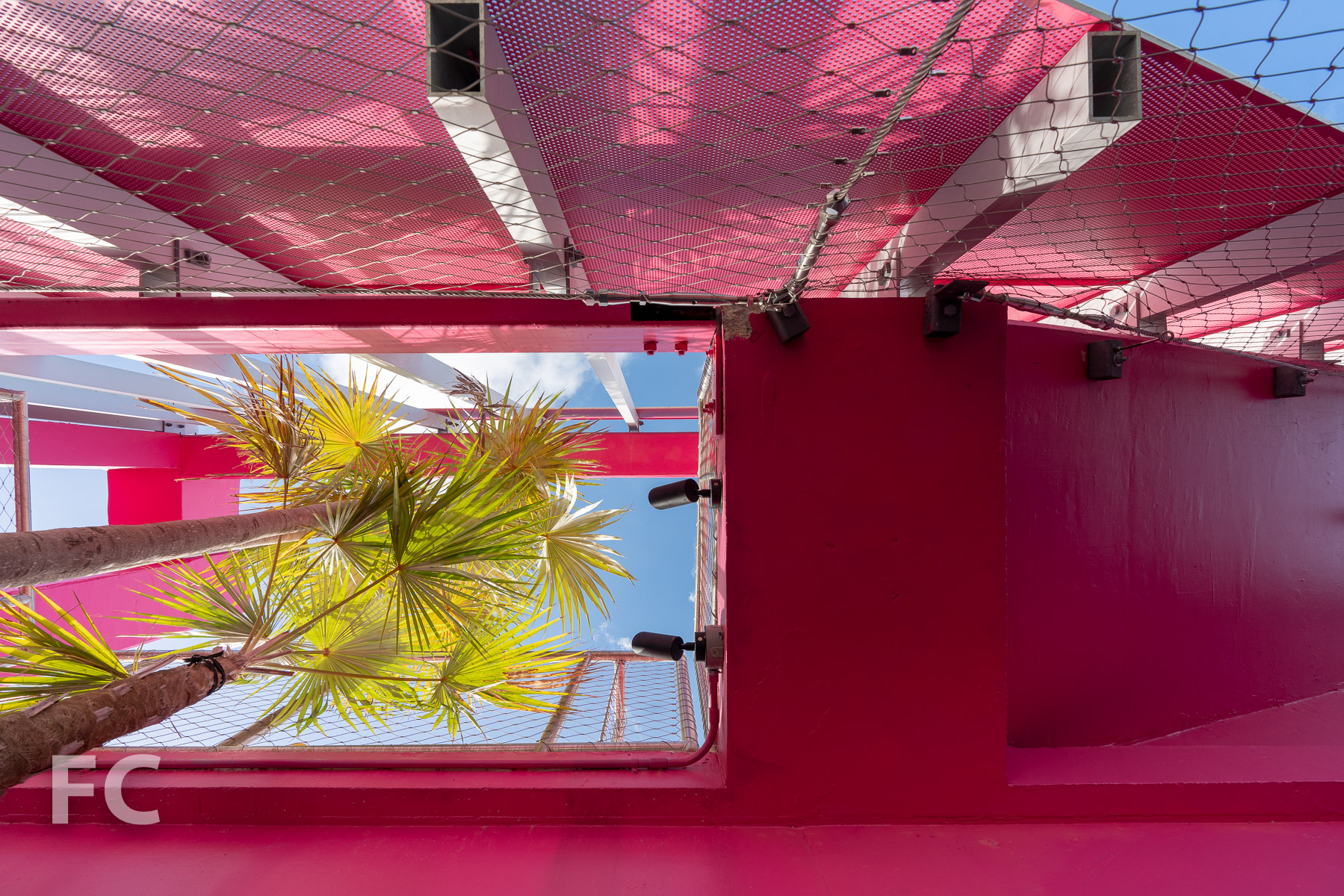
WORKac’s facade consists of a four foot thickened space that allows for a vertical progression of public spaces, including a graffiti art gallery, children’s play area, a garden, a DJ platform, lending library, listening lounge, fountain, bar, car washing/charging station, and space for pets.
Architects/Designers: WORKac, J. Mayer H., Clavel Arquitectos, Nicolas Buffe, K/R Architects, and Sagmeister & Walsh; Program: Parking Garage; Location: Miami, FL; Completion: 2018.

Construction Update DC: Midtown Center
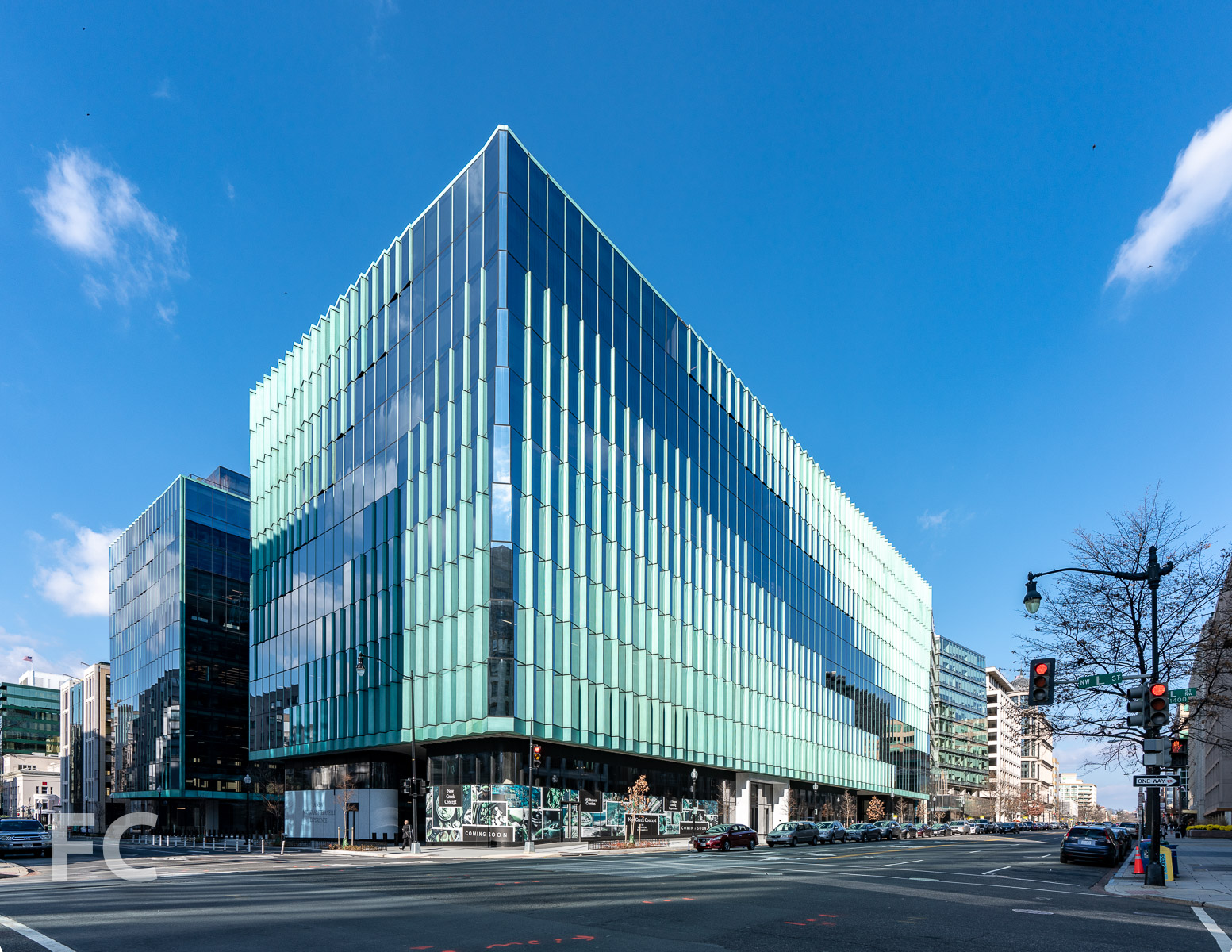
Southwest corner from L Street NW.
Construction has wrapped up at Midtown Center, an office complex in downtown Washington, D.C. Developed by Carr Properties, the 12-story, 862,000 RSF complex is built on the site of the former Washington Post headquarters.
Southeast corner from L Street NW.
SHoP Architects has designed the complex with a c-shaped footprint, with retail wrapping around a public plaza and office floors above. The east and west office blocks are connected by a network of pedestrian bridges at multiple floors. A 5,000 SF rooftop terrace and shared conference space caps the office building.
Close-up of the west façade of the west tower.
The office block is clad in a glass-and-copper façade designed with panels that gradually rotate outward to provide solar shading without compromising views. Over time, the copper elements of the curtain wall will gradually patina.
Criss crossing pedestrian bridges above the public plaza.
Detail of the pedestrian bridges.
Pedestrian bridges connecting the east and west tower.


Tour: 242 Broome Street
Looking east on Broome Street.
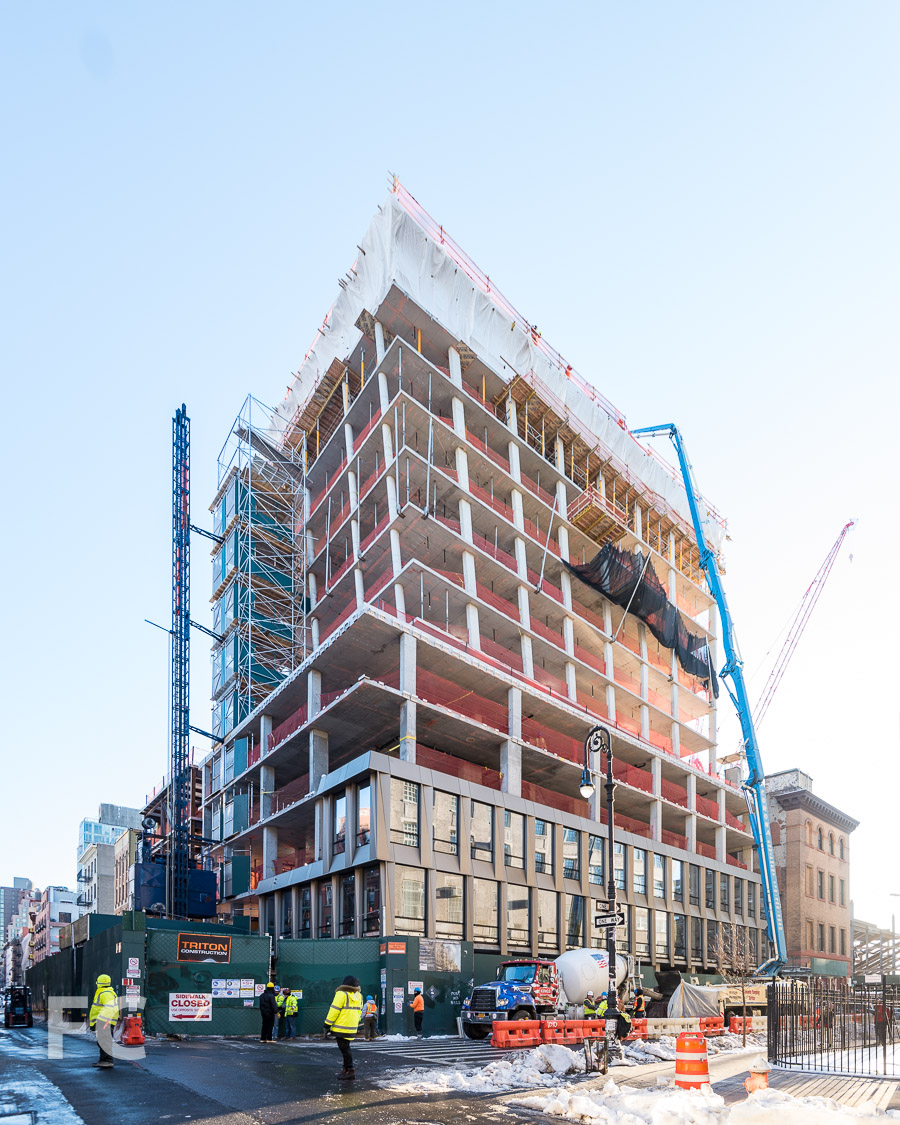
Construction has wrapped up at 242 Broome, a 14-story, 55-unit condo tower from developers Taconic Investment Partners, L+M Development Partners, and BFC Partners. The project is located on the corner of Broome and Ludlow Street, anchoring the western boundary of the new 9-building Essex Crossing mixed use development on the Lower East Side. SHoP Architects’ massing for the tower follows a typical podium and setback tower strategy, creating a sixth story outdoor terrace. The tower slopes inward at the southwest corner, opening up the terrace to more light and views.
Southwest corner from Broome Street.
Adjacent to the residential tower, the site will also feature a four-story, 17,735 square foot structure that will house the International Center of Photography’s museum and school.
Looking up at the west facade.
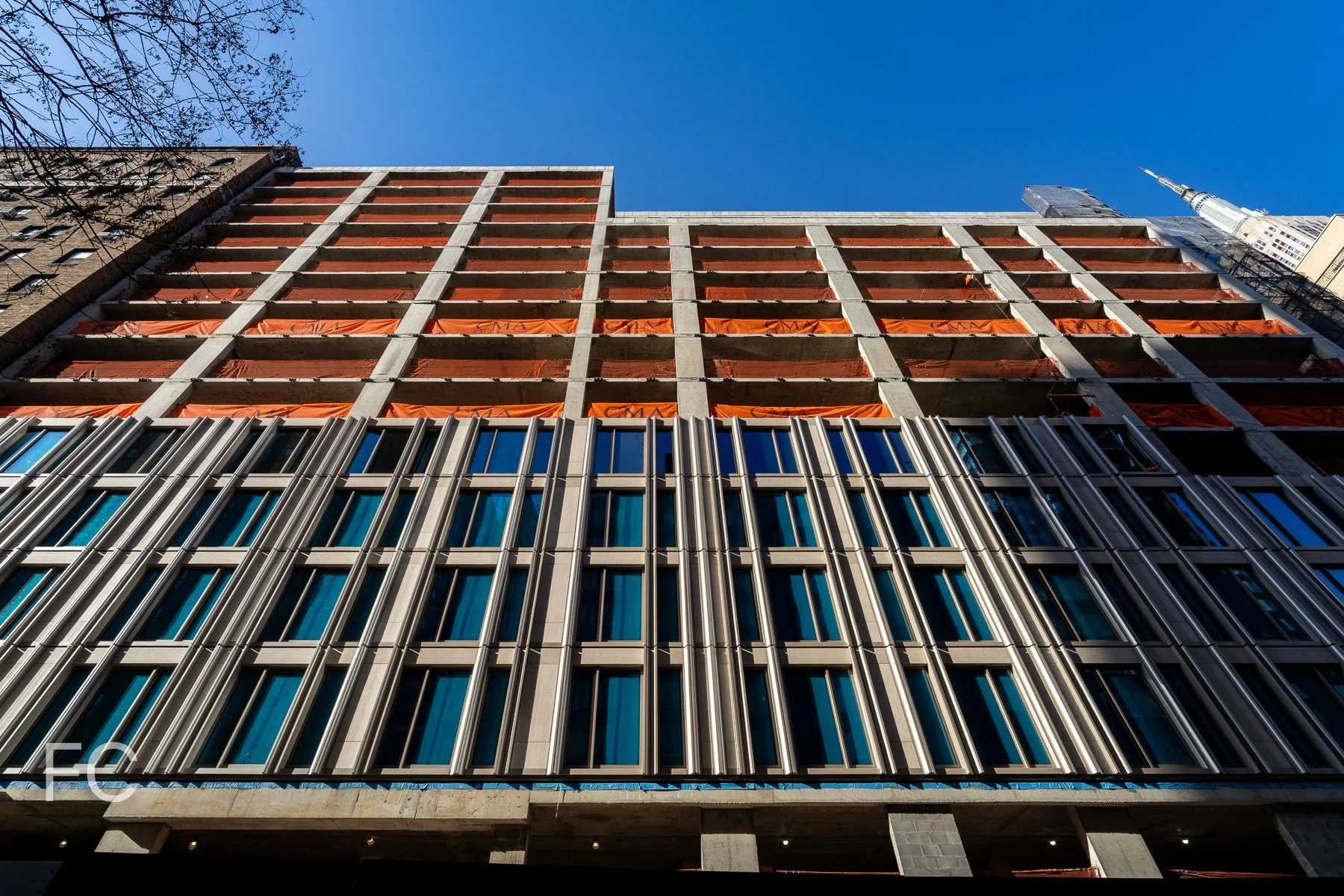
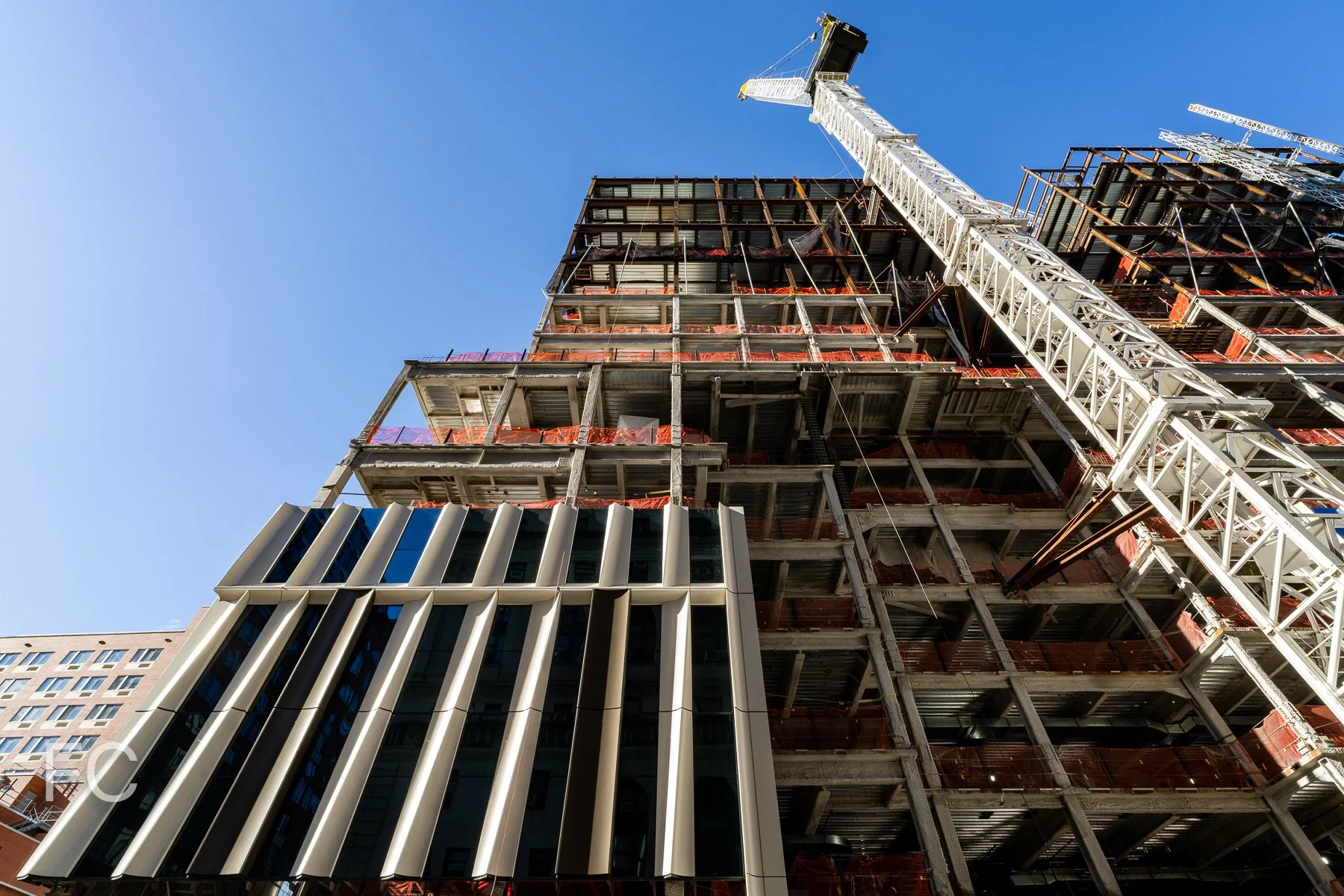
Installation has begun on the bronze-toned metal panel and glass curtain wall that clads the exterior. The design features faceted metal panels that frame the glass openings. At the podium, the metal panel spandrels covering the floor slabs create deep overhangs on the west facade as the form of the building torques at the southwest corner.
Looking up at the south facade.
Residential entry on Broome Street.
Condo units range from one-to-three-bedrooms, with 11 of the 55 units set aside under the city's affordable housing program. Residences will feature open concept kitchen and living spaces with typical ceiling heights of 10 feet in the living spaces.

Residential lobby.
Closeup of the lobby feature wall.
Architectural model in the residential lobby.
Residential elevator cab.
Amenities
Residents have access to a range of amenities including an entertainment lounge with kitchen, fitness center, children’s playroom, landscaped roof terrace, and residential storage.
Entertainment lounge.
Entertainment lounge.
Entertainment lounge.
Kitchen at the entertainment lounge.
Fitness center.
Penthouse B
The project includes three penthouse units, each with their own private outdoor terrace.
Living room.
Dining room.
Kitchen.

Stairs to private terrace.
Private terrace.
View southwest towards Lower Manhattan from the private terrace.
Private terrace.
View north towards the Lower East Side from the private terrace.
View south from the private terrace.
Master bedroom.
Master bathroom.
Secondary bedroom.
Architect: SHoP Architects (Design Architect), SLCE Architects (Architect of Record); Developers: Delancey Street Associates (Taconic Investment Partners LLC, L+M Development Partners, BFC Partners, Goldman Sachs); Program: Residential, Retail; Location: Essex Crossing, Lower East Side, New York, NY; Completion: 2018.
Tour: 650 Fifth Avenue - Nike Flagship Store
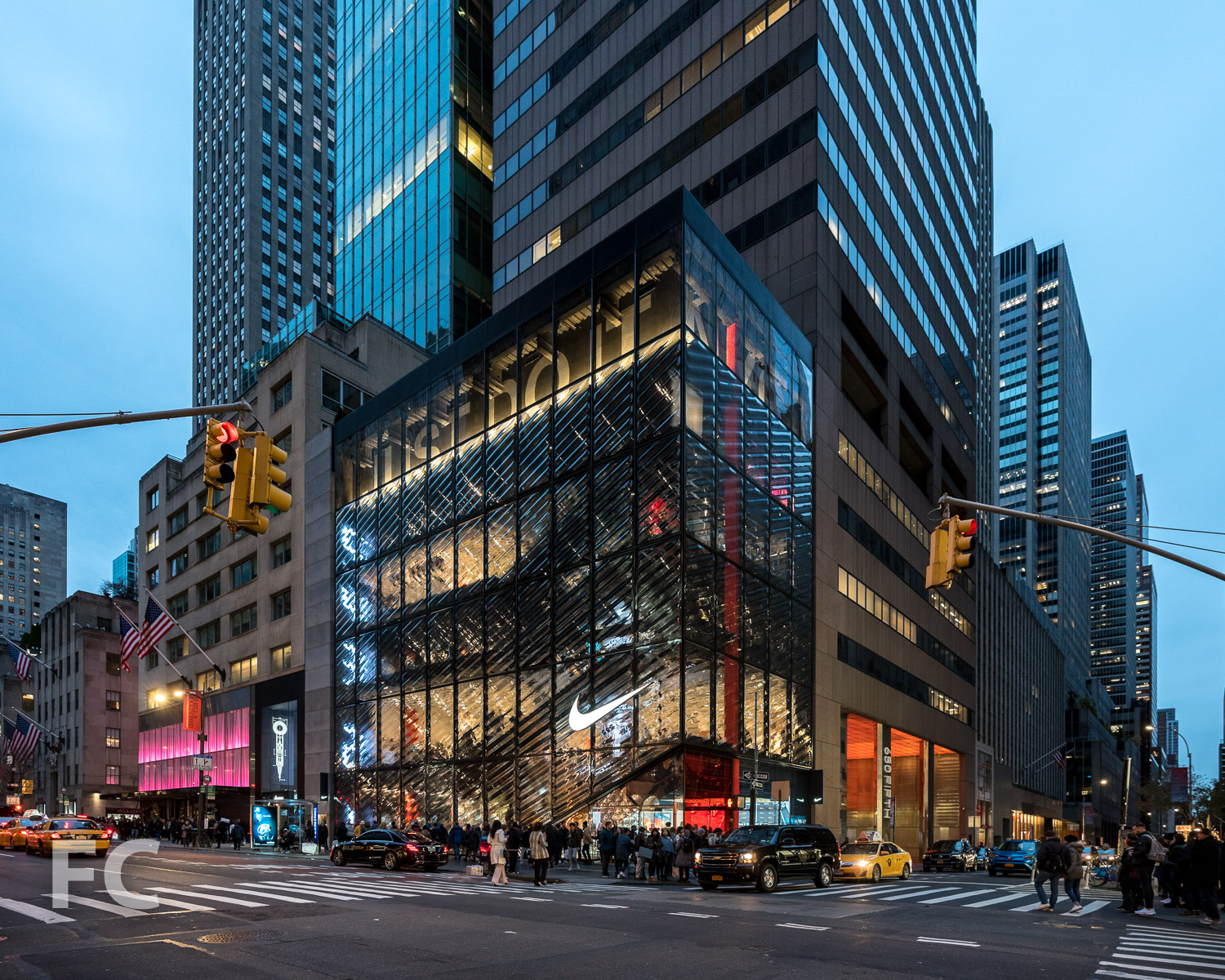
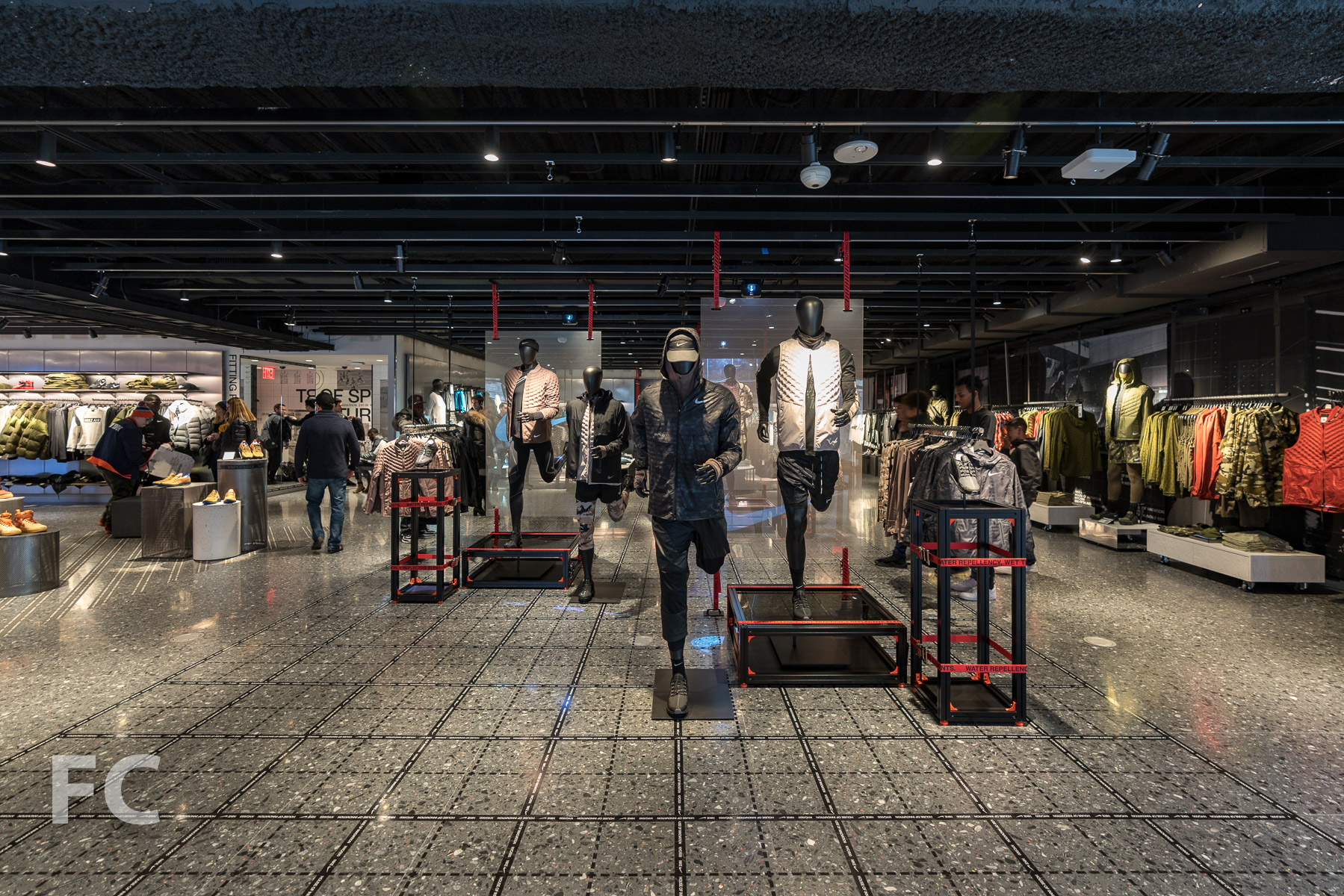
Nike’s new six-story flagship store, House of Innovation 000, has opened at the corner of 5th Avenue and East 52nd Street in Midtown. The façade is clad in slumped glass with a strong diagonal pattern that matches the angle of the brand’s famous swoosh logo. Retail concepts inside the flagship store include a Sneaker Bar, two maker’s studios, a Sneaker Lab, a Nike Expert Studio, and a Speed Shop at the below grade floor that will use local data to stock and restock shelves based on what is popular with buyers at this particular location.

Architects: Nike Global Retail Design and CallisonRTKL; Facade Consultant: Heintges Consulting Architects & Engineers, Mode Lab; Client: Nike; Location: Midtown, New York, NY; Completion: 2018.




Tour: 485 Marin
East facade from Marin Boulevard.
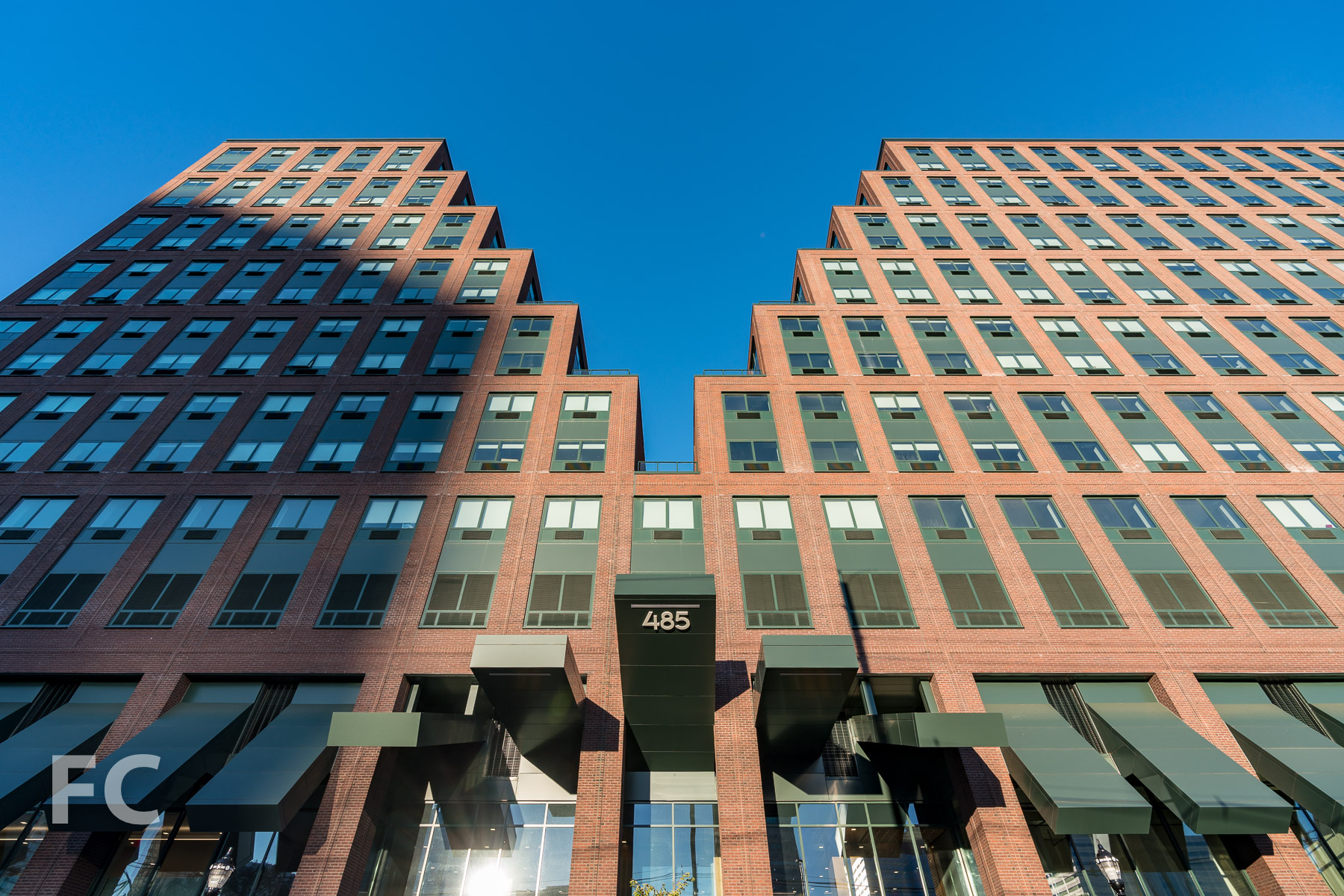
Construction has wrapped up at 485 Marin, KRE Group’s 18-story residential rental building in Jersey City’s Hamilton Park neighborhood. As the largest rental building in the neighborhood, the project offers 397 units, ranging in size from studios to 3-bedrooms.
Looking up at the residential entry canopy at the east facade.
Hollwich Kushner has designed the brick clad building with a stepped massing at the center which allows for a view corridor for the surrounding neighborhood and terraces facing north and south, with views to Midtown and Lower Manhattan.
East facade detail.
Residential entry from Marin Boulevard.
Residential lobby.
Amenities
Residents have access to a range of amenities including a fitness center, private dining room, screening room, a 5th floor lounge and connected outdoor amenity deck with a swimming pool, sunbathing areas, and grilling stations. Marin Green, a new public park provided by the building’s developer, has also recently opened on the west side of the building. The Melillo & Bauer Associates designed park includes a lawn, cafe-style seating, children’s play area, and dog park.
Marin Green park.
Model Residences
Interior are designed by Christopher Stevens and feature open floor plans with rustic oak -style wood flooring, large picture windows, quartz stone kitchen and bath countertops, Grohe kitchen fixtures, Whirlpool appliances, and Kohler bathroom fixtures.
Kitchen and living room.
Bedroom.
Bathroom.
Residential terraces.
View towards Midtown from a residential terrace.
Architect: Hollwich Kushner (Design Architect, Marchetto Higgins Stieve Architects (Architect of Record); Interiors: Christopher Stevens; Client: KRE Group; Program: Residential Rentals; Location: Hamilton Park, Jersey City, NJ; Completion: 2018.

Construction Update: 503 West 24th Street - The Getty
East facade from 10th Avenue.
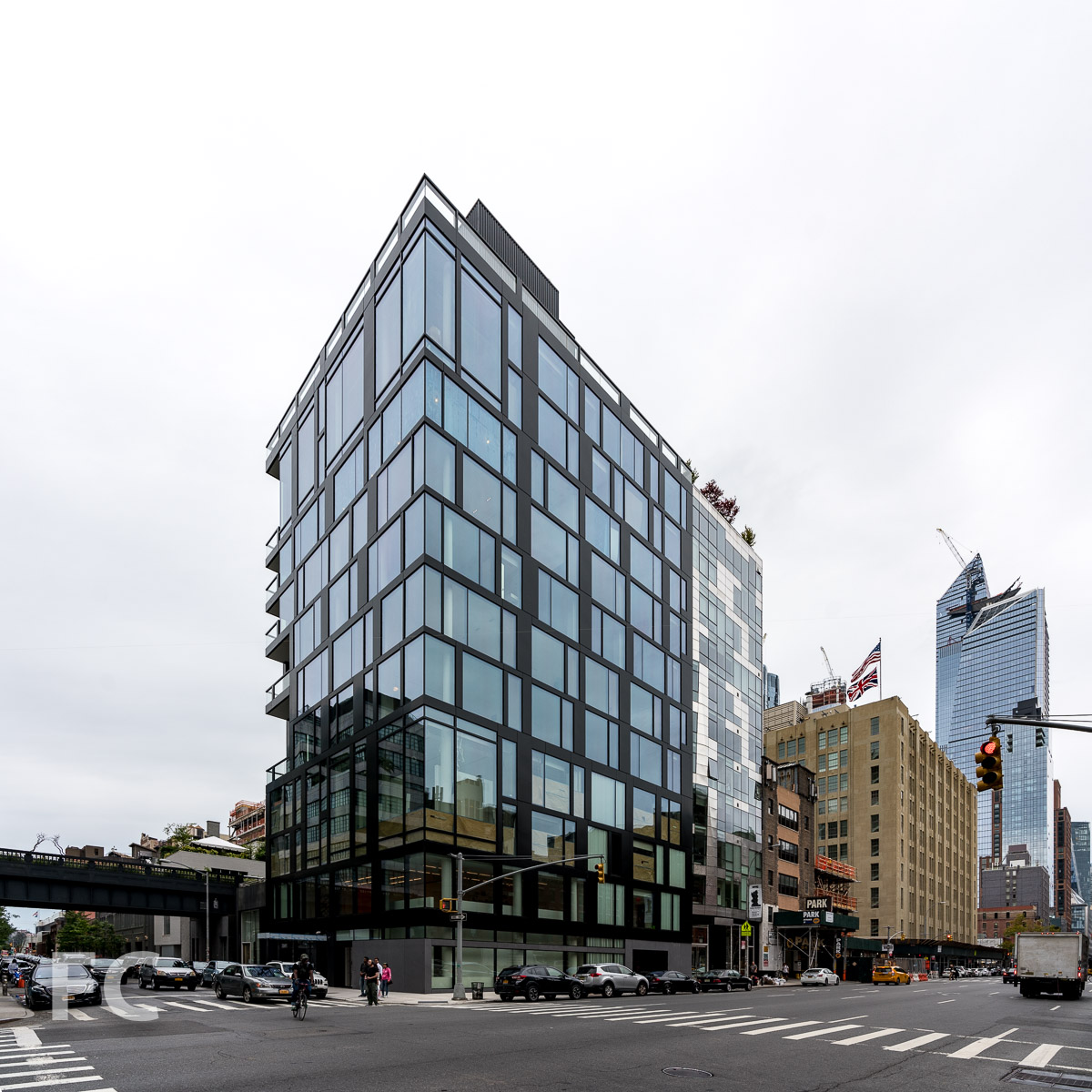
Construction is wrapping up at The Getty, a 12-story residential condo building with a three-story Lehmann Maupin Gallery at the base. Designed by Peter Marino, the black metal and glass clad building is located adjacent to the High Line at the former site of the Getty gas station. Only six residences are on offer in the building, including a triplex penthouse.
Closeup of the east facade.
The Lehmann Maupin Gallery occupies three stories at the base, which features a 22-foot high gallery at the ground floor, gallery offices and a private viewing area at the second floor, and a black box gallery at the cellar. Works currently on view include Liza Lou on the ground floor and Do Ho Suh and Teresita Fernández in the second floor private viewing area.
Lehmann Maupin Gallery entrance.
Ground Floor Gallery
Second Floor Gallery
Cellar Gallery
Architect: Peter Marino Architects; Developers: Victor Group and Michael Shvo; Program: Residential Condo, Gallery; Location: Chelsea, New York, NY; Completion: 2018.
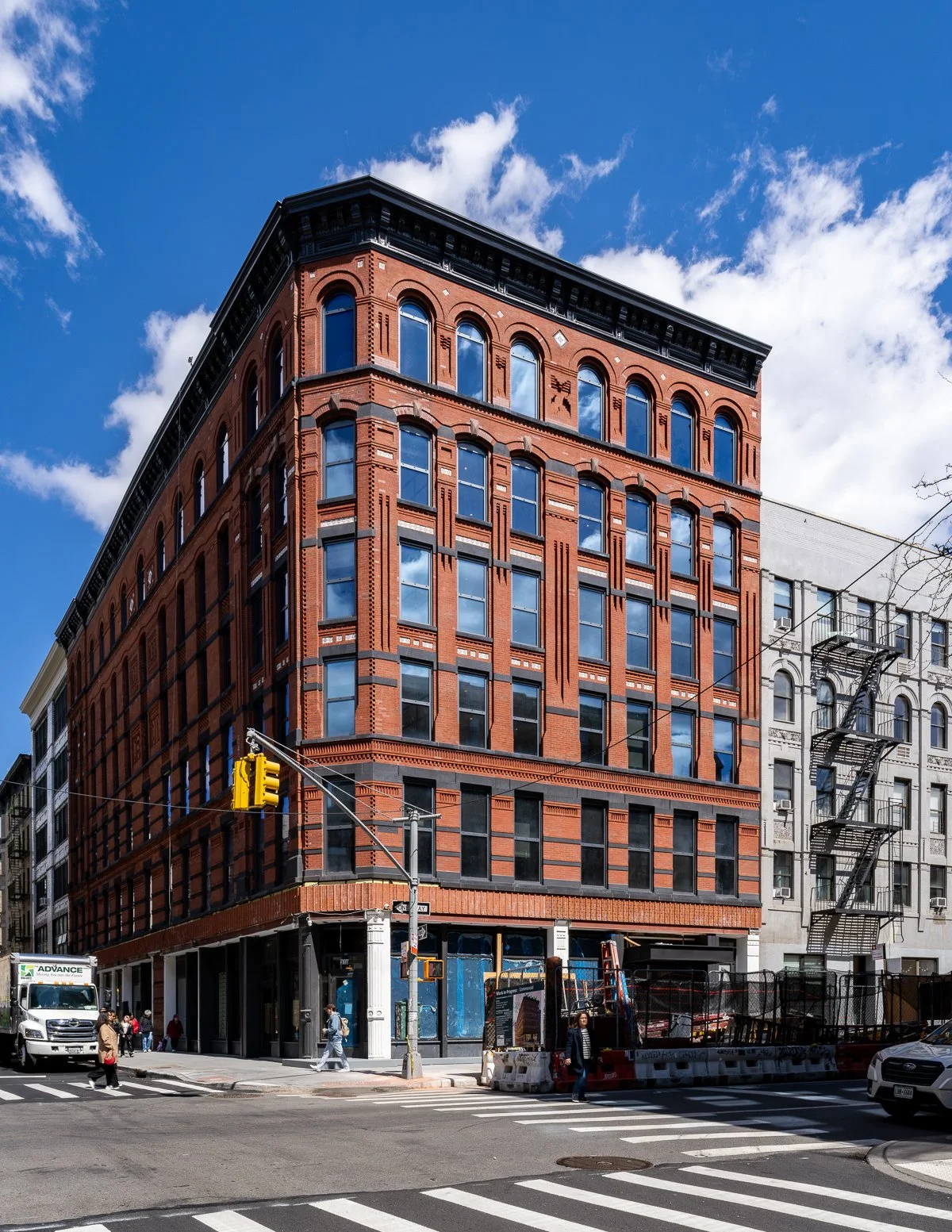
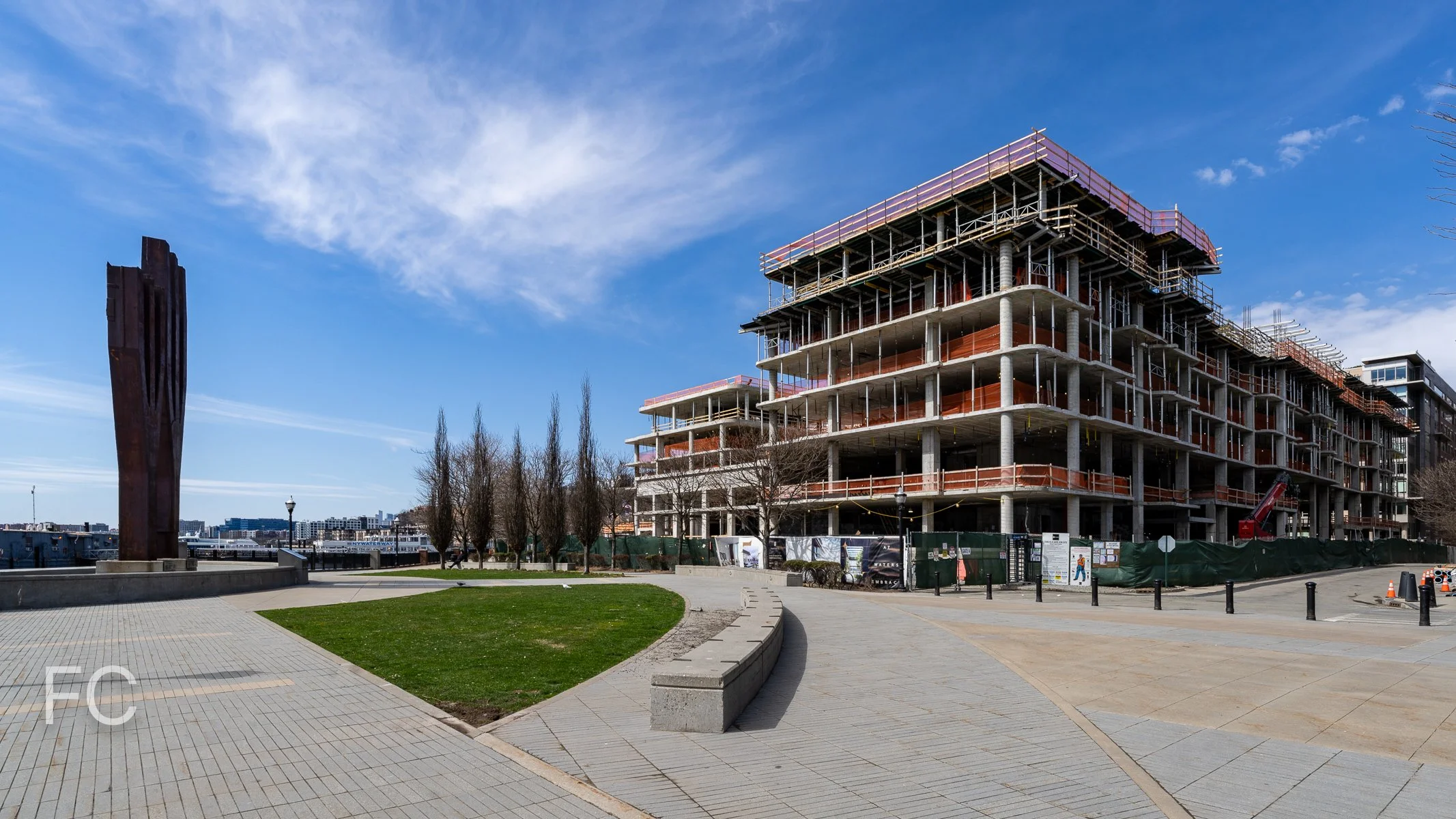
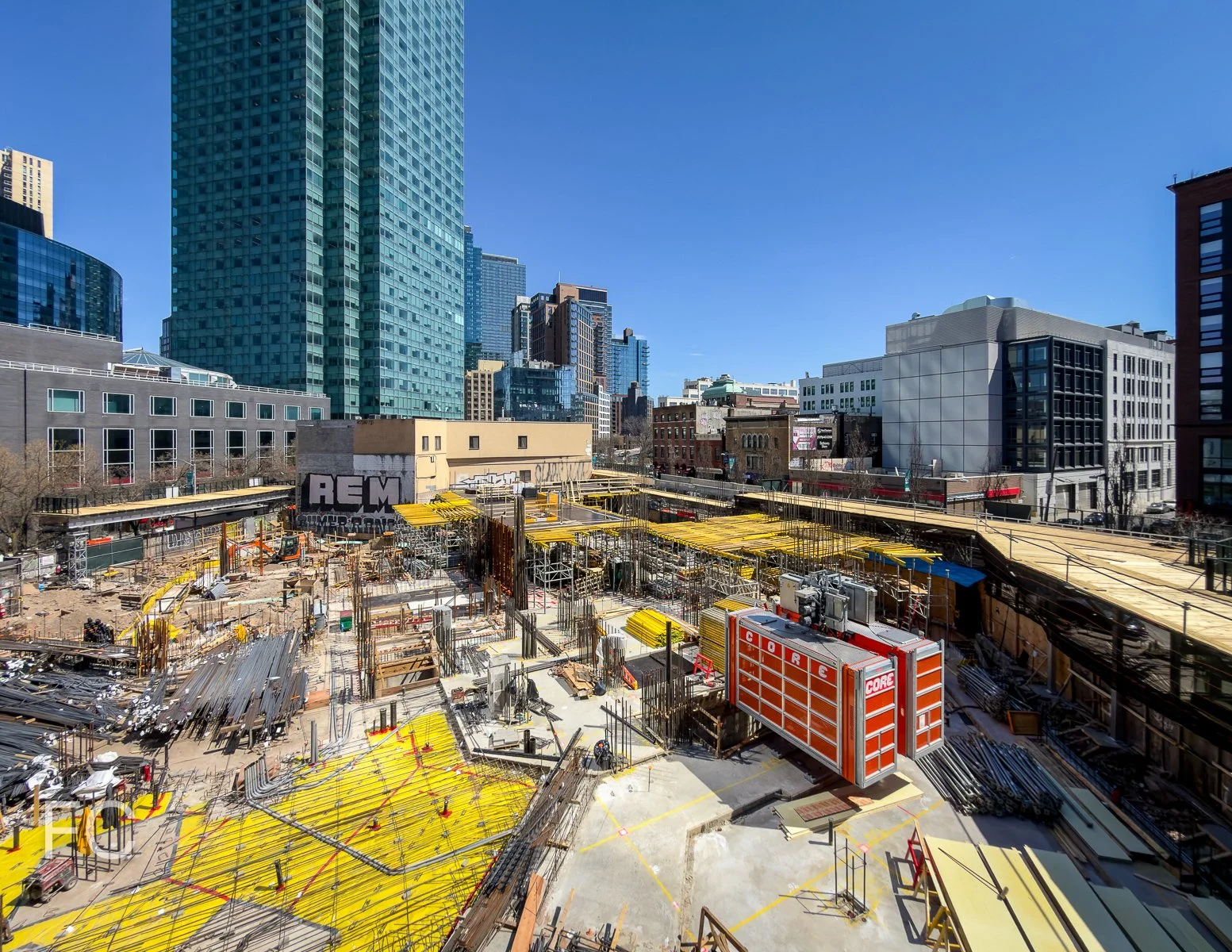
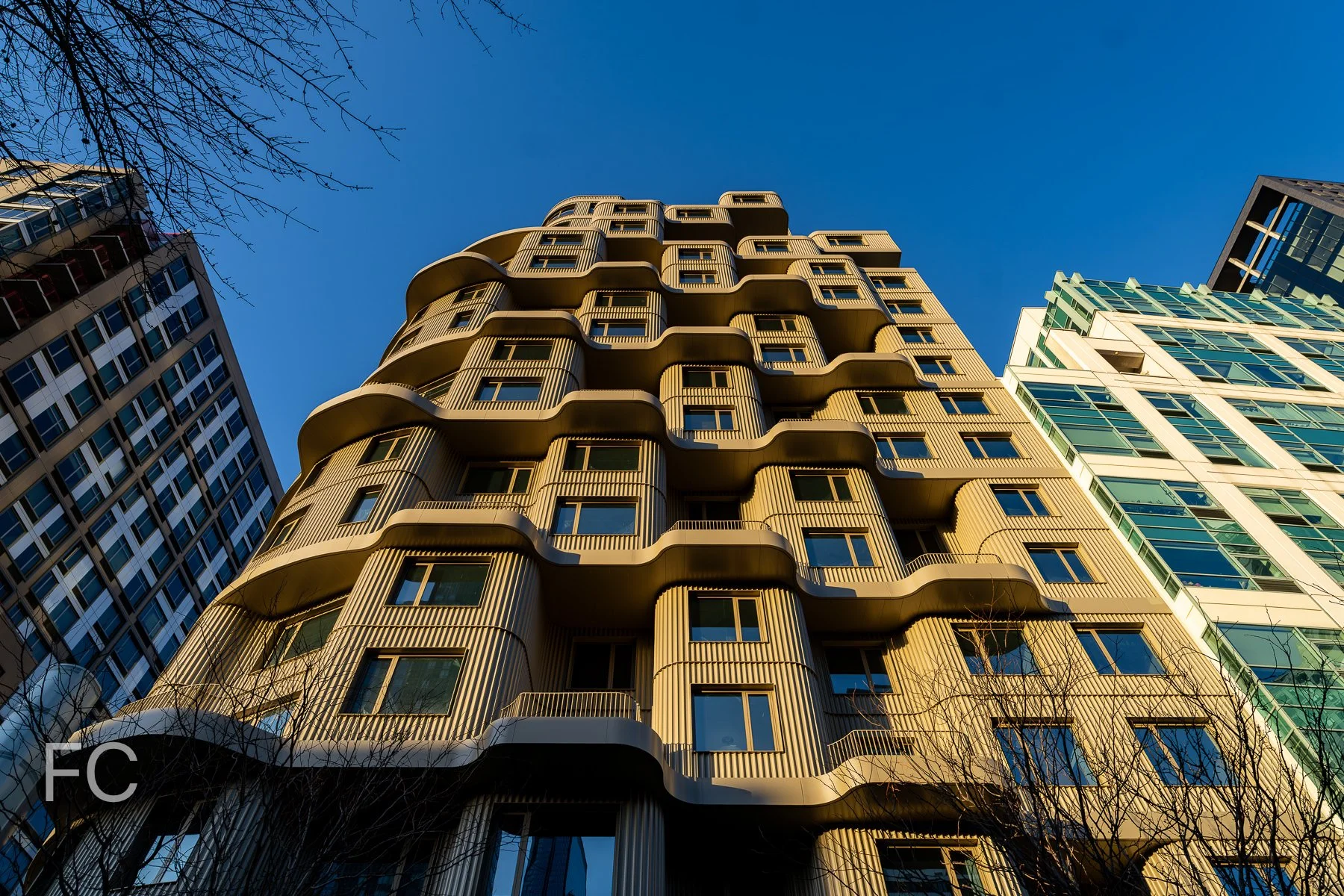

Construction Update: 187 Franklin Street
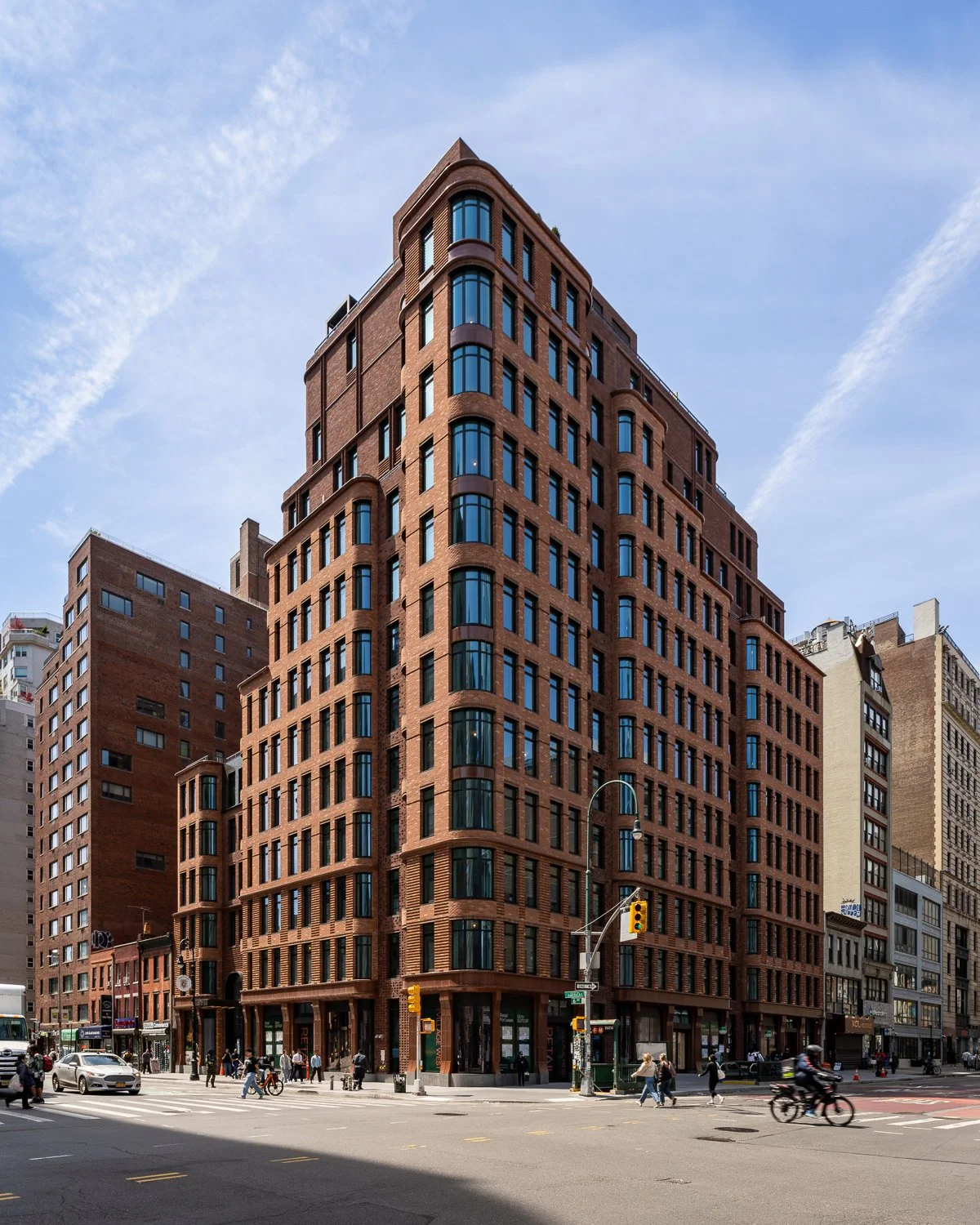
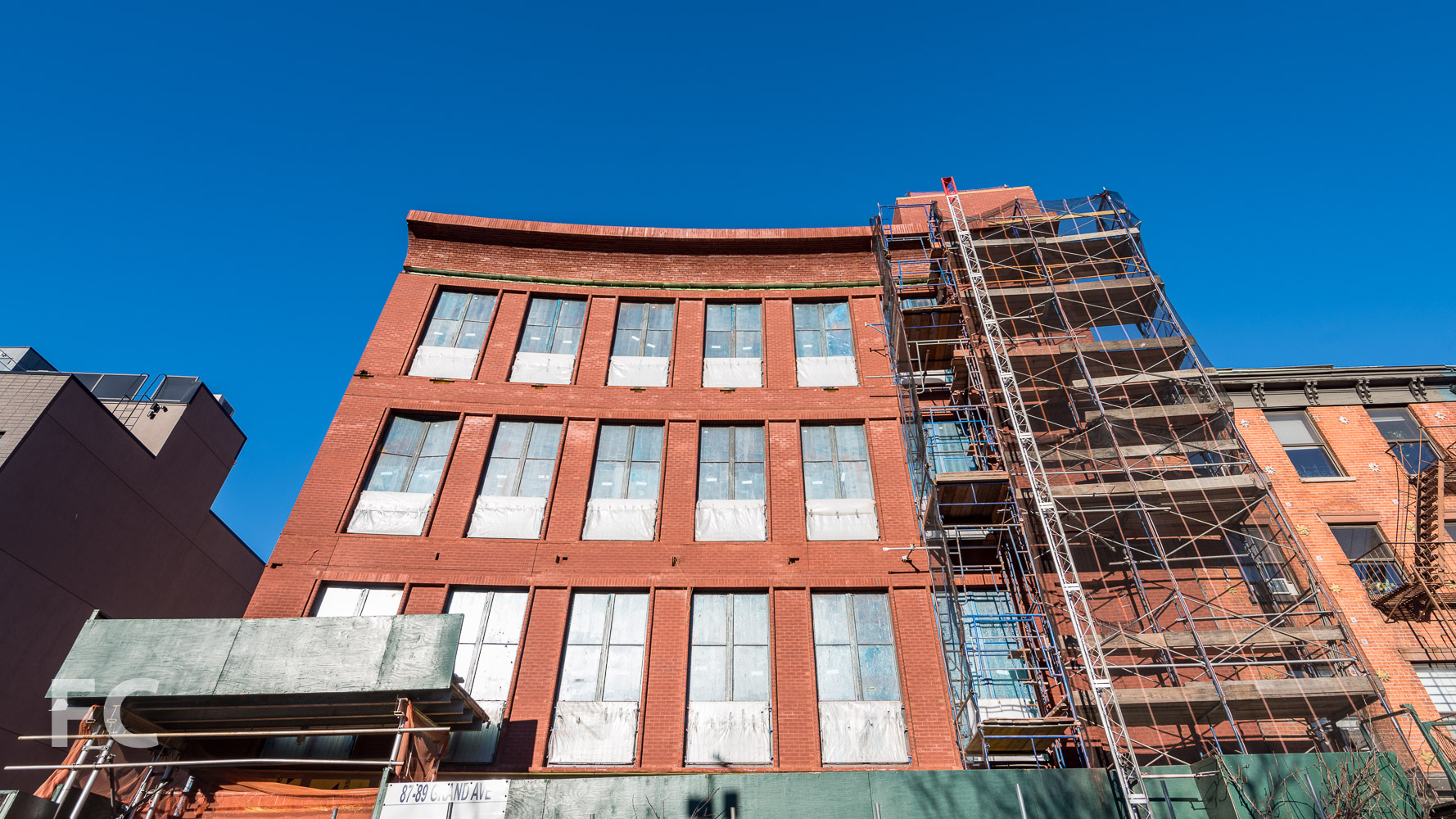
Construction is wrapping up at 187 Franklin Street, a single family residence renovation in a landmarked neighborhood in Tribeca. Designed by Systems Architects, the renovation of the existing structure features a new brick facade, two additional stories, and a set-back, brick penthouse. The sinuous brick facade includes angled windows to provide privacy for the family from the public building across the street.
Architect: System Architects; Program: Single Family Residential; Location: Tribeca, New York, NY; Completion: 2018.



Tour: 123 Melrose Street - The Denizen Bushwick
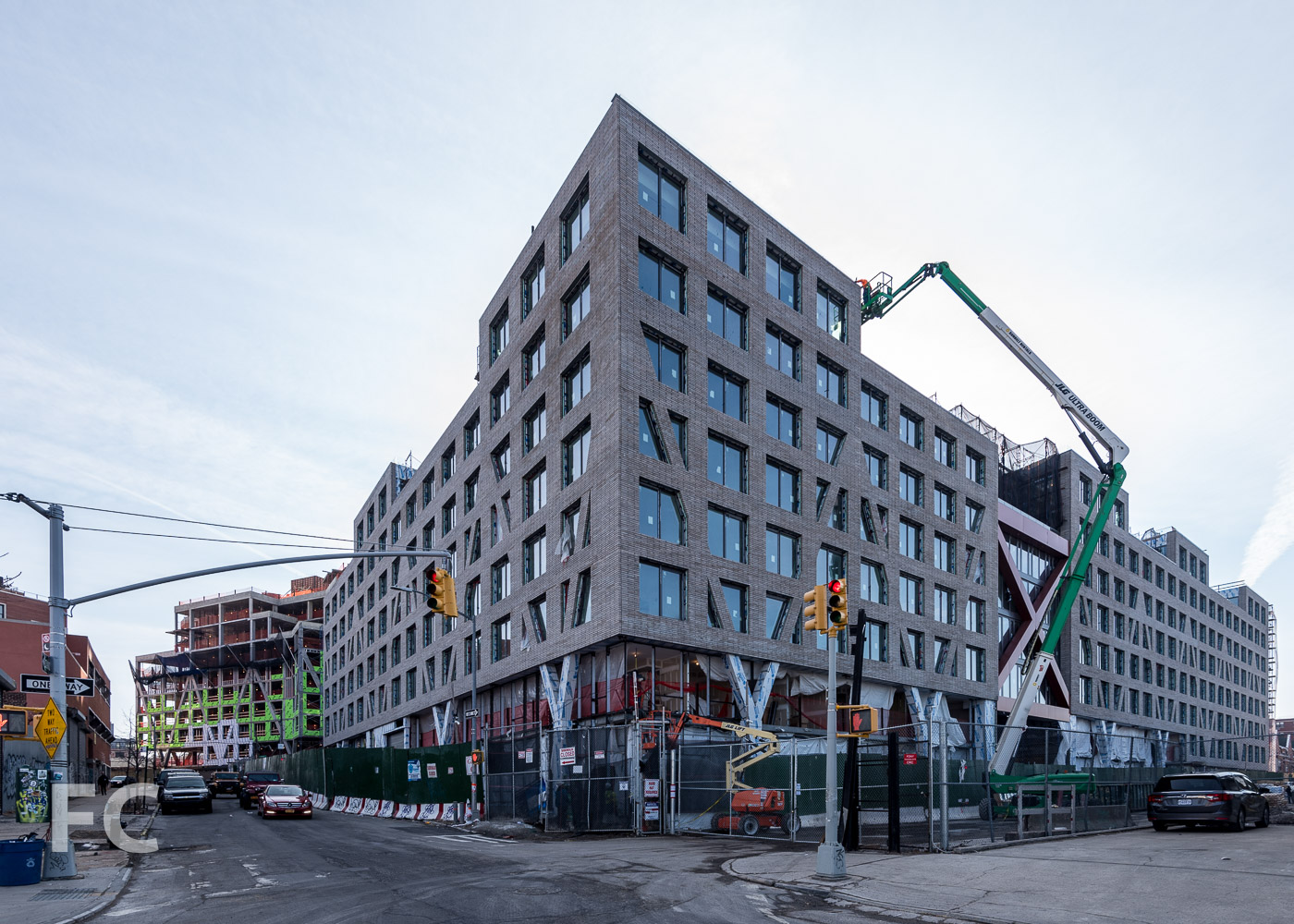
North façade of the north block from Noll Street.
Construction has completed on the first phase at 123 Melrose, now known as the Denizen. The two block development from All Year Management is located at the southern end of the former Rheingold Brewery complex in the Bushwick neighborhood of Brooklyn. When completed, the ODA designed development will bring 1,000,000-square-feet of residential over two blocks, bisected by a 17,850-square-foot public park. Twenty percent of the residential units will be offered under the city's affordable housing program.
Looking up at the north facade from Noll Street.
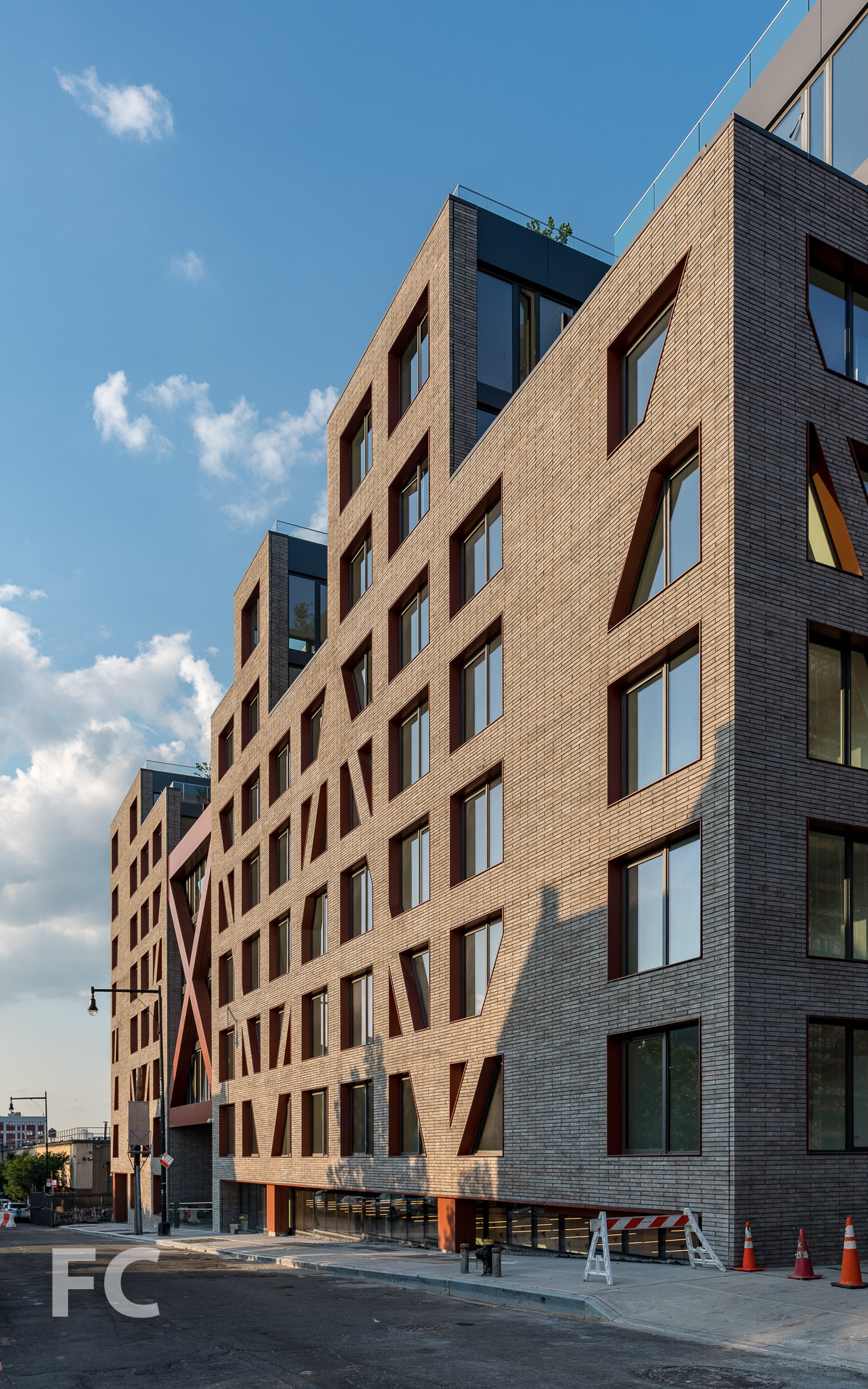
West facade of the north block from Stanwix Street.
Northwest corner of the north block from Stanwix Street.

Residential entry.
Residential lobby.
Ceiling detail.
Residential lobby.
Mail room.
Package room.
Amenities
The Denizen will offer residents a vast array of amenities at the ground floor including a beer brewery, wine cellar, chef kitchen, tenant lounge, library, conference rooms, co-working space, game room, kids room with rock climbing wall, courtyards, zen gardens, dog spa, bike storage, and package room.
Art gallery.
Game room.
Game room.
Game room.
Courtyard.

Wine storage.
Beer brewery.
Kids room.
Outdoor kids play area with Brookyn map ceiling mural.
The Denizen's location indicated on the Brooklyn map mural.
Looking up from a courtyard space.
Residents lounge.
Wood slats ceiling detail at residents lounge.
Conference room.
Residences
When both phases are completed, the 8-story project will offer 911 residential units, ranging in size from studios to two-bedrooms. The project's interiors are designed in three styles: steel, wood, and concrete. These styles impact all facets of the design in a particular zone, from elevator enclosures, corridors, and apartment furnishings. For instance, the wood zone features an elevator enclosure designed to look like a large wood shipping crate and kitchens that feature a complementary wood finish.
Elevators in the wood section.
Elevator lobby.
View to the northwest.
Rooftop
Residents have access to a number of outdoor amenities at the rooftop, including lounge space, outdoor games, green market, rooftop mini golf, and rooftop pet run.
Mini golf course.
Murals
The building's single loaded corridors opening onto large glass corridor walls offered a unique opportunity for featuring artwork. Local artists from the Bushwick Collective were selected to paint a number of murals throughout the building that span the full height of the residential floors.
Architect: ODA; Developer: All Year Management; Program: Residential; Location: Bushwick, Brooklyn, NY; Completion: 2018.


Tour: Institute for Contemporary Arts at VCU
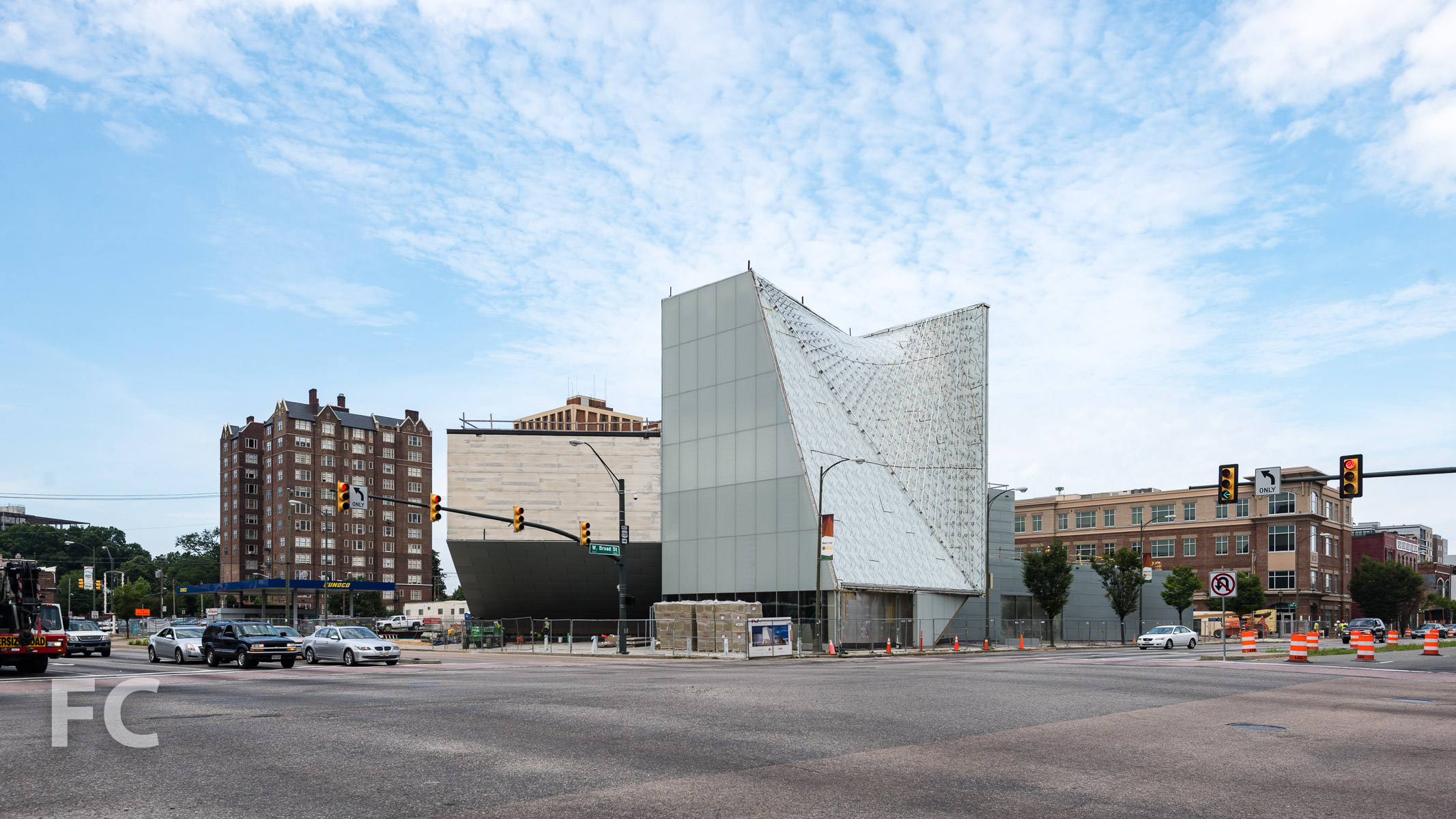
East facade from West Broad Street.
Steven Holl Architects' latest museum, the Institute for Contemporary Art's Markel Center, has opened on the campus of Virginia Commonwealth Universityin Richmond, Virginia.
Looking up at the performance space volume.
The centerpiece of the design is the 33 foot high forum located at the intersection of West Broad Street and North Belvidere Street. Off of this main forum volume, visitors can access the 240-seat auditorium, sculpture garden, and the four contemporary art galleries that fork into multiple volumes along West Broad Street.
Looking up at the forum and performance space volumes intersection.
Pre-weathered titanium zinc, the primary cladding material, was selected for its environmental friendliness as a 100% recyclable material and its flexibility in cladding the curved shapes of the museum.
Northeast corner from West Broad Street.
Other sustainable features of the design include the use of 7,500-square-feet of green roofs on three of the four galleries and the use of geothermal wells for the central heating/cooling system. The wells are drilled down to approximately 460 feet and use the earth as a heat source in the winter and a heat sink in the summer for the building's climate control system.
Sculpture Garden
North entry.
Northwest corner at the sculpture garden.
Entry door hardware detail.
Forum

South entry.
Ground Floor Gallery

Stair railing detail.
Sculpture Terrace Garden
Second Floor Galleries
Third Floor Gallery
Performance Space
Cafe
Basement

Architect: Steven Holl Architects with BCWH Architects; Structural Engineer: Robert Silman Associate; Mechanical Engineers: Arup, OLDS; Landscape: Michael Boucher Landscape Architect; Client: Virginia Commonwealth University; Program: Museum; Location: Richmond, VA; Completion: Spring 2018.