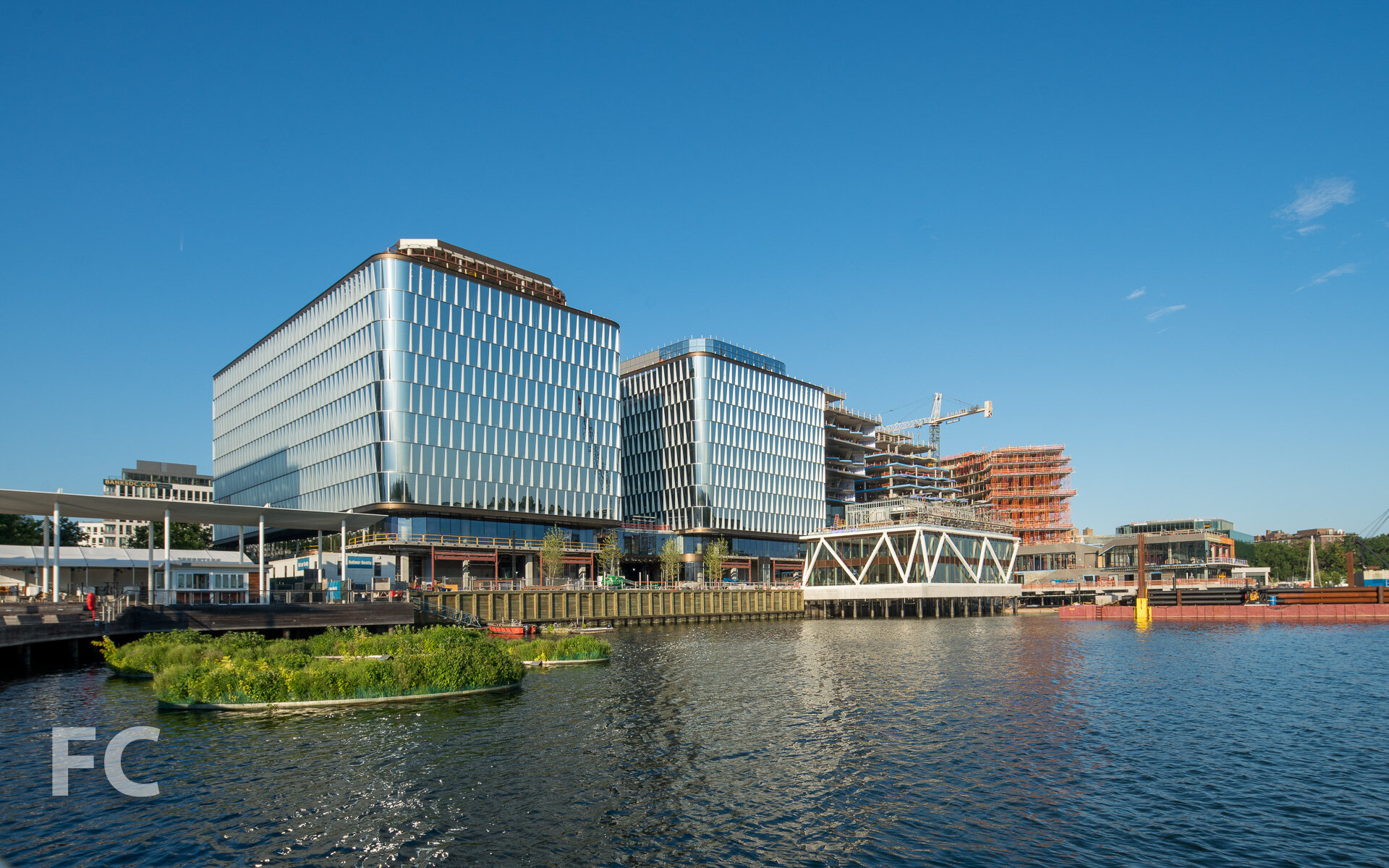
Construction Update: The Wharf DC - Phase Two
Construction is ongoing at The Wharf’s phase two development at the Southwest Waterfront in Washington, DC. Developers Hoffman & Associates and Madison Marquette opened phase one in October 2016 with five buildings with residential, hotel, office, retail, and private event space. When completed in 2022, the second phase will offer 1.25 million square feet of mixed-use space in five additional buildings and two water buildings at the southern half of The Wharf.
Parcels 6 and 7
SHoP Architects is overseeing the design of Parcel 6 and 7’s 500,000 square feet of Class A office space and 33,000 square feet of retail space. The program is split among two buildings connected at the lower levels and clad in a glass curtain wall.
Parcel 6 and 7 facade detail.
North facade of Parcel 6.
Northeast corner of Parcel 6 from Maine Avenue SW.
East facade of Parcels 6 and 7 from Maine Avenue SW.
Water Building 1
Hollwich Kushner is overseeing the design of Water Building 1, a three-story hospitality structure built over a pier in the Potomac River. A steel ring truss of rectangular hollow sections and glass curtain wall clad the lower two floors of the concrete flat slab structure.
Parcel 8
ODA New York is leading the design on the mixed-use Parcel 8 building, which will offer 235 apartments and a 131-key hotel with 10,000 square feet of retail at the base.
Southwest facade of Parcel 8.
Northeast facade of Parcel 8 from Maine Avenue SW.

Southeast corner of Parcel 8 from Maine Avenue SW.
Parcel 9
Rafael Vinoly is leading the design of Parcel 9, which will offer 96 residential condo units and 18,000 square feet of retail.
East facade of Parcel 9 from Maine Avenue SW.
Northeast corner of Parcel 9 from Maine Avenue SW.
North facade of Parcel 9 from Maine Avenue SW.
Parcel 10
At the southern edge of the Wharf’s phase two, Morris Adjmi Architects is overseeing a five-story structure with 60,000 square feet of office space with 15,000 square feet of retail.
Southeast corner of Parcel 10 from Water Street SW.
Northeast corner of Parcel 10 from Water Street SW.
North facade of Parcel 10 from Water Street SW.
Phase two buildings.
Tour: The Reach at the Kennedy Center for the Performing Arts
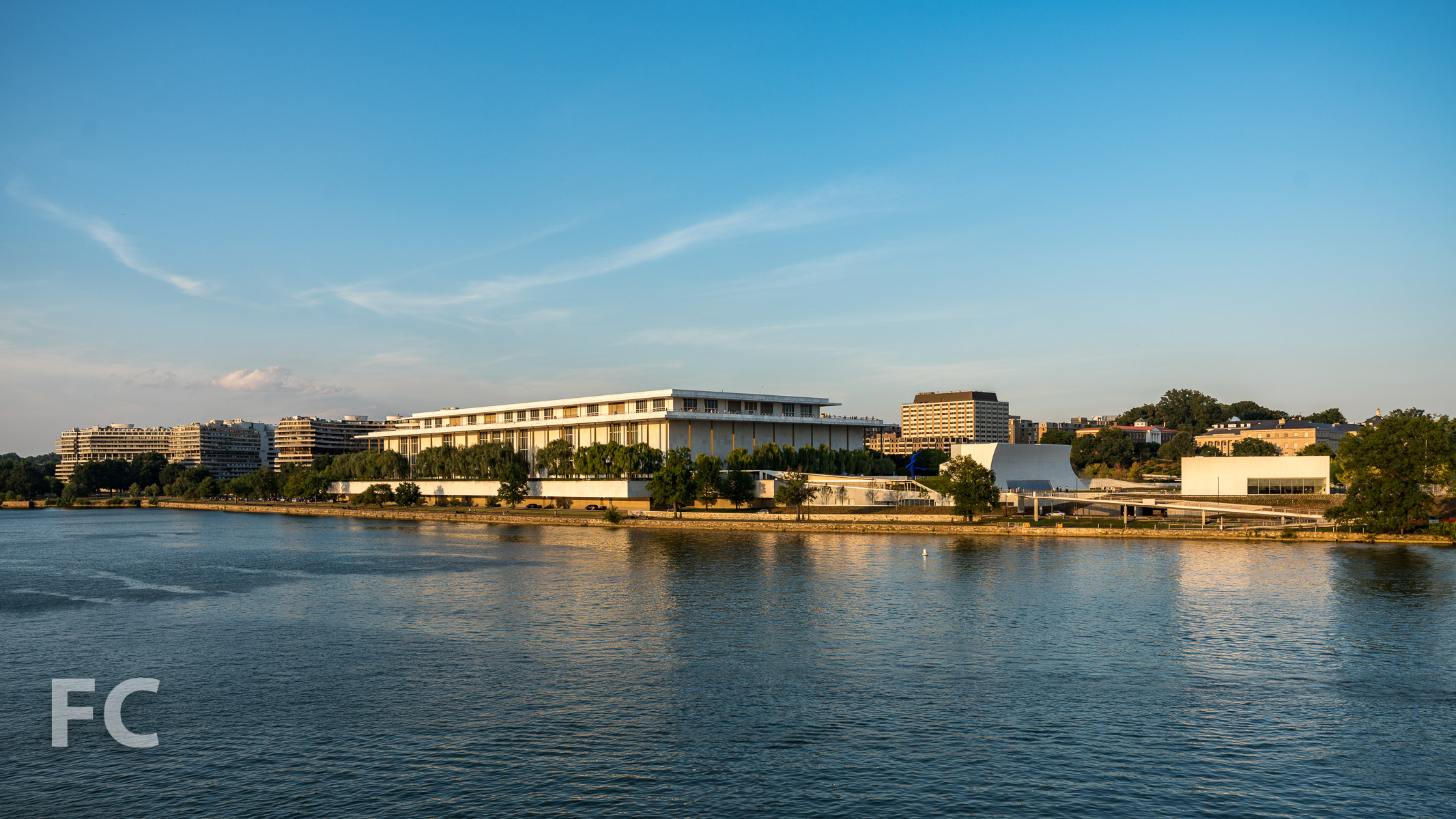
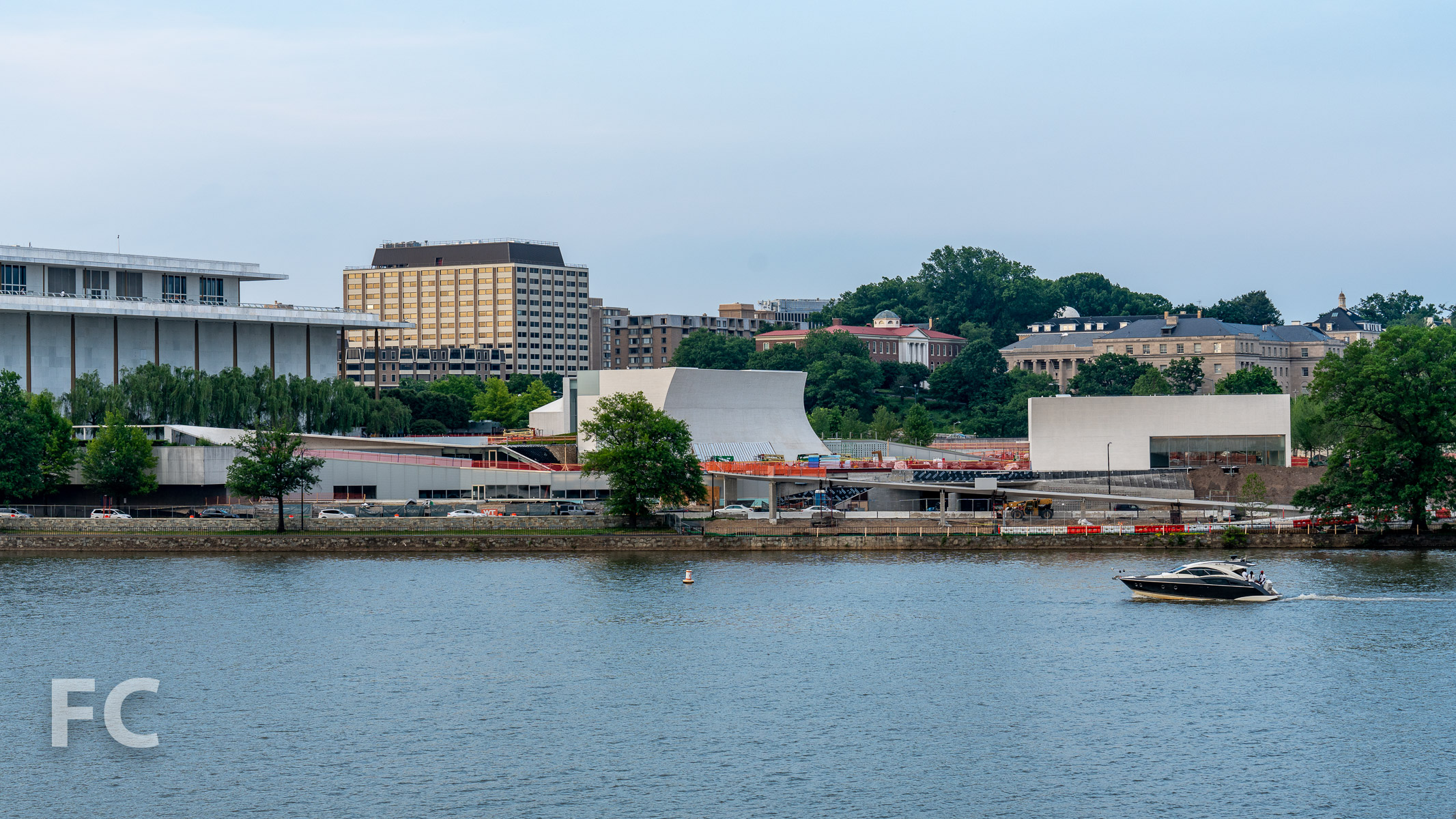
Steven Holl Architects’ expansion of the John F. Kennedy Center for the Performing Arts in Washington, D.C. officially opens on September 7. Known as The Reach, the expansion is located on 4.6 acres immediately south of the original 1971 structure by Edward Durell Stone. Rather than build onto the existing structure, the architect has designed a series of pavilions sited on the largest green roof in Washington, DC. The pavilions and connecting underground spaces house rehearsal rooms and classrooms, a lecture hall, multipurpose meeting rooms, and an event space. Holl envisions his design as a means to connect the expansion with the landscape and the adjacent Potomac River.
Holl employs titanium white, board-formed concrete and backlit clear and etched glass windows as the primary exterior materials for the three pavilions.
The pavilions sit within a four season landscape of expansive lawns, wild grasses, sedum varietals, and a ginkgo grove. Pathways are defined by bluestone pavers.
Welcome Pavilion
Welcome Lobby
The entry lobby features a visitors desk, coffee bar, and a Wall of Gratitude recognizing leadership donors.
Justice Forum
The Justice Forum, named after one of the five ideals commonly attributed to President Kennedy, is a 144 seat lecture hall with the capacity for film screenings and small-format performances. Primary finishes include cherry wood and “crinkle concrete” that diffuses sound waves with its faceted shape created by the unique formwork.
Multipurpose Studios
Skylight Pavilion
The Skylight Pavilion serves as a public atrium space that can accommodate special events, seated dinners, and receptions. Acoustic plaster covers the walls and ceiling within the 36-foot tall space, while a large curved glass opening allows for views out to the river, lower lawn, and reflecting pool.

River Pavilion
The River Pavilion serves as a flexible interior and exterior space with dramatic views of the Potomac River, the River Plaza and reflecting pool.
Sculpture
The Bridge
A pedestrian bridge spans Rock Creek and Potomac Parkway, connecting the Kennedy Center campus to the Potomac riverfront.
Tour: Conrad Washington DC
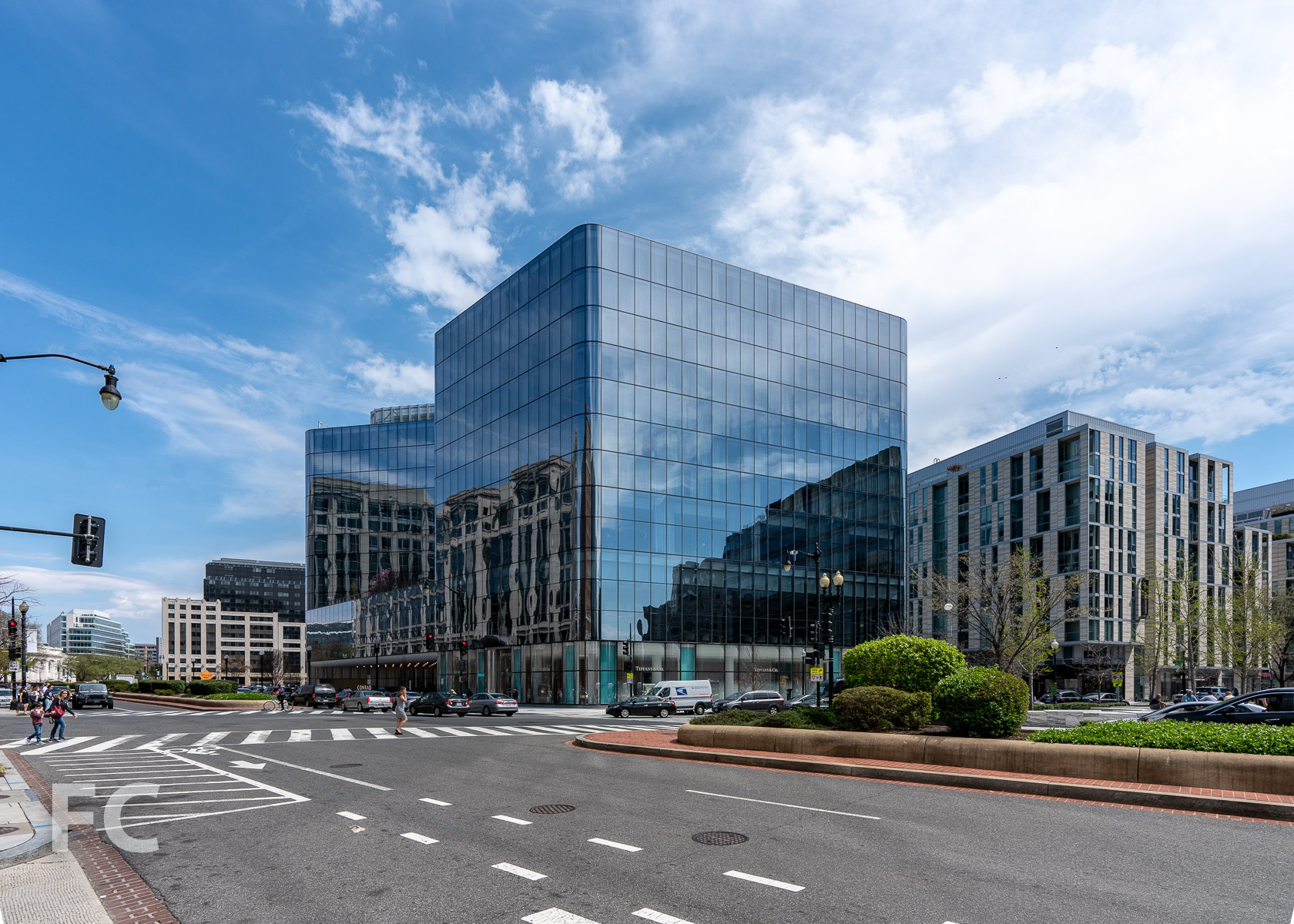
Southeast corner from I Street NW.
Hilton’s luxury hotel brand Conrad has opened a new location at CityCenterDC in Washington, DC. The 10 story, 360-key hotel is developed by Hines and Qatari Diar. Herzog & de Meuron are responsible for the design which features an organic massing with rounded corners and clad in a glass curtain wall.
Southwest corner from I Street NW.
The ground floor retail features storefronts clad in rounded glass panels. Earlier renderings seemed to show the entire building clad in these rounded panels, but traditional flat glass panels were employed everywhere but the corners above the ground floor in the built project.
Tiffany & Co. retail storefront.
Northwest corner from New York Avenue NW.
Hotel entry on New York Avenue NW.
After entering the main entrance on the ground floor, hotel guests head to the third floor and its central atrium. A chain mesh veil hangs around the perimeter of the organically shaped atrium void and natural light fills the space from numerous circular skylights at the roof above. At the third floor, a collection of hotel amenities radiate around the central atrium, including restaurant Estuary, a lobby bar, conference rooms, and reception desk.
Hotel main entrance.
Atrium.
Looking up at the atrium skylight.
Detail of the chain mesh veil at the atrium.
Estuary entry.
Estuary.
Third floor terrace.
Signage.
Hotel corridor at the 10th floor.
Atrium screen at the 10th floor.
Hotel room entry.




Construction Update: International Spy Museum
Southwest corner.
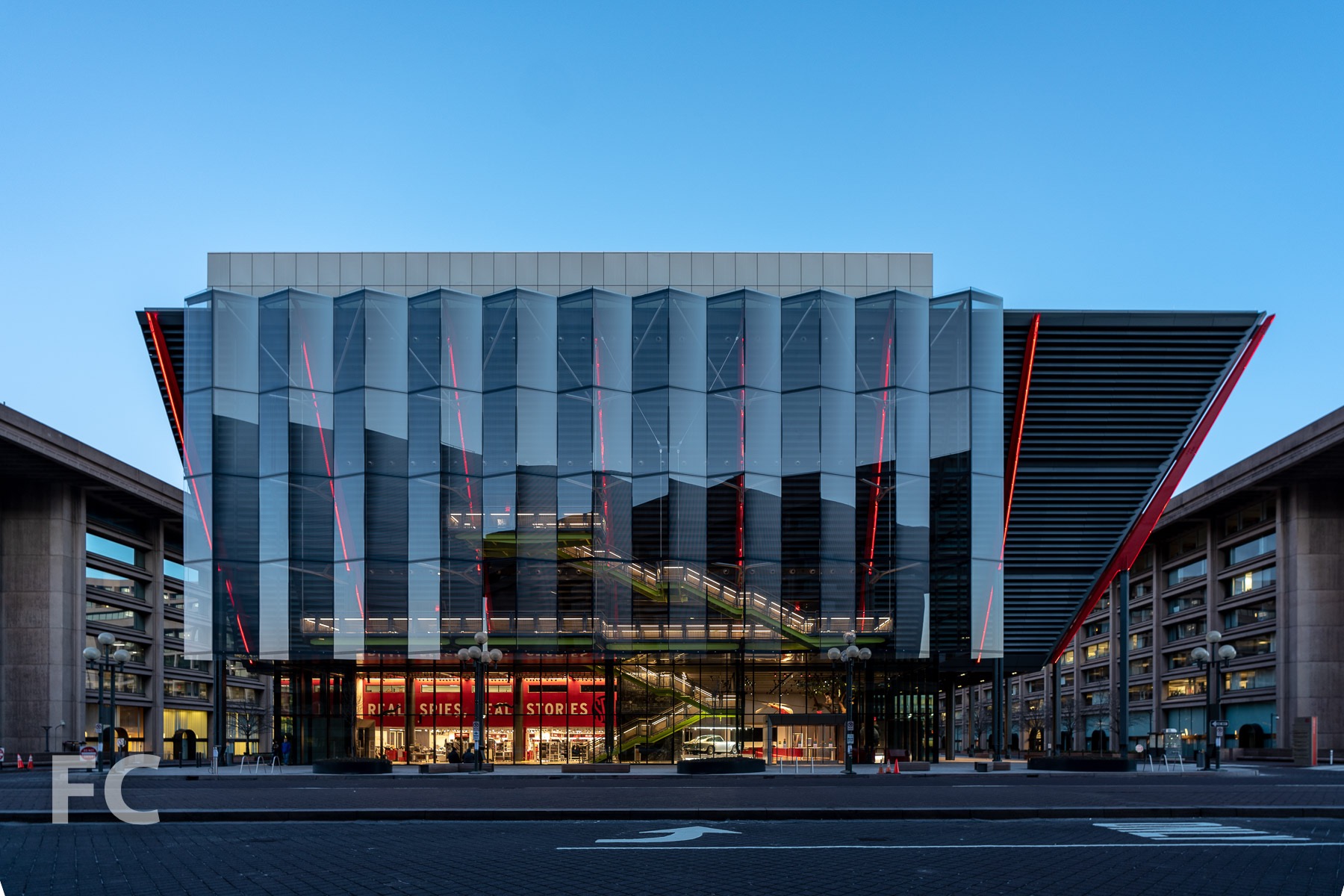
Construction has wrapped up at Rogers Stirk Harbour + Partners’ new home for the International Spy Museum in Washington, DC. Previously located in a 19th Century building in the Penn Quarter neighborhood of DC since 2002, the museum will open in its new building at L’Enfant Plaza this May. The three-story exhibition space is located in a pleated “black box” that angles out towards 10th Street and accented by red steel fins. A glass veil at the west facade encloses an atrium and double height ground floor lobby and museum store. A setback two-story event space with views of the city sits above the angled exhibition volume, the roof of which allows for a rooftop terrace.
South entry.
Ground floor lobby.
West facade.
Looking up at the west facade.
West entry.
Northwest corner.
Closeup of the north facade.



Construction Update DC: Midtown Center
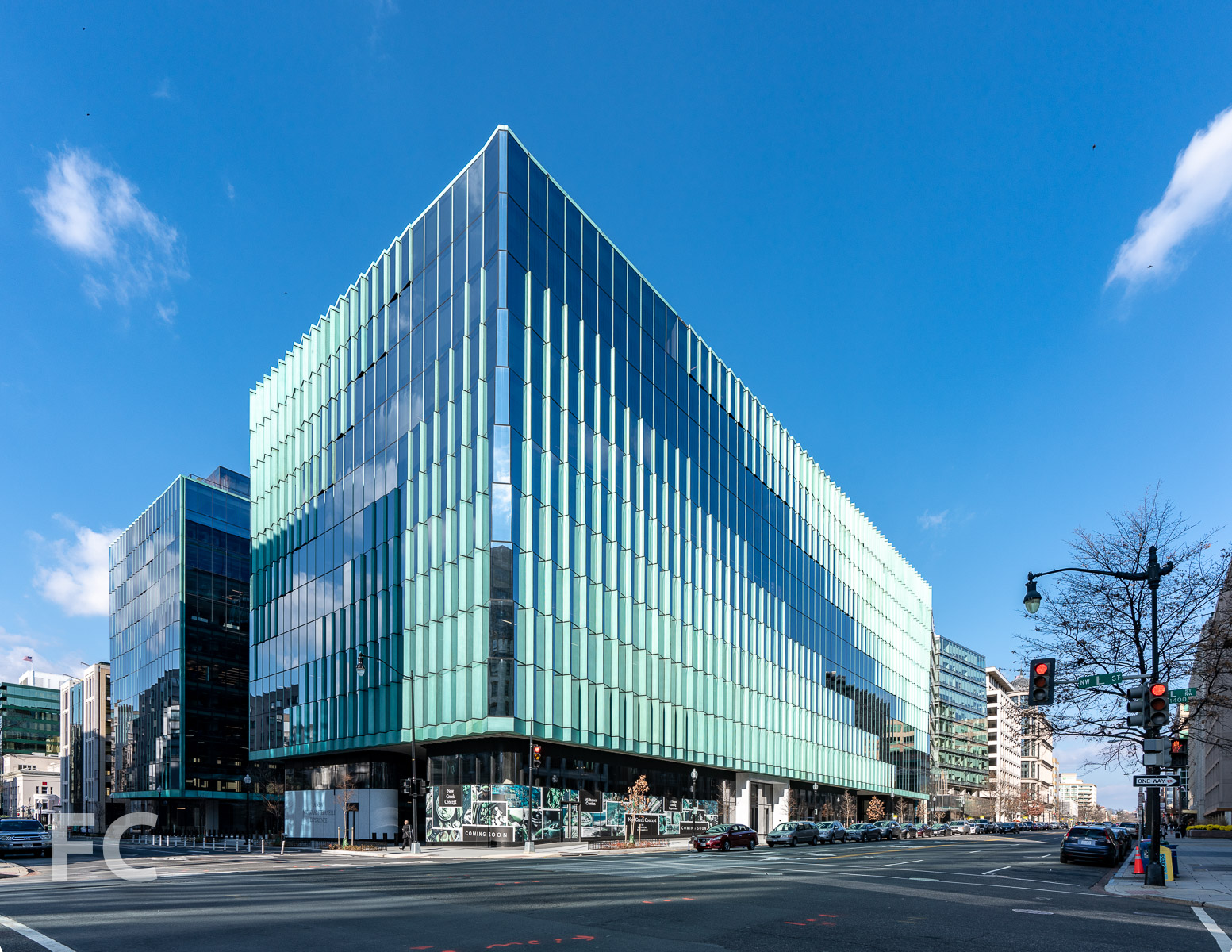
Southwest corner from L Street NW.
Construction has wrapped up at Midtown Center, an office complex in downtown Washington, D.C. Developed by Carr Properties, the 12-story, 862,000 RSF complex is built on the site of the former Washington Post headquarters.
Southeast corner from L Street NW.
SHoP Architects has designed the complex with a c-shaped footprint, with retail wrapping around a public plaza and office floors above. The east and west office blocks are connected by a network of pedestrian bridges at multiple floors. A 5,000 SF rooftop terrace and shared conference space caps the office building.
Close-up of the west façade of the west tower.
The office block is clad in a glass-and-copper façade designed with panels that gradually rotate outward to provide solar shading without compromising views. Over time, the copper elements of the curtain wall will gradually patina.
Criss crossing pedestrian bridges above the public plaza.
Detail of the pedestrian bridges.
Pedestrian bridges connecting the east and west tower.

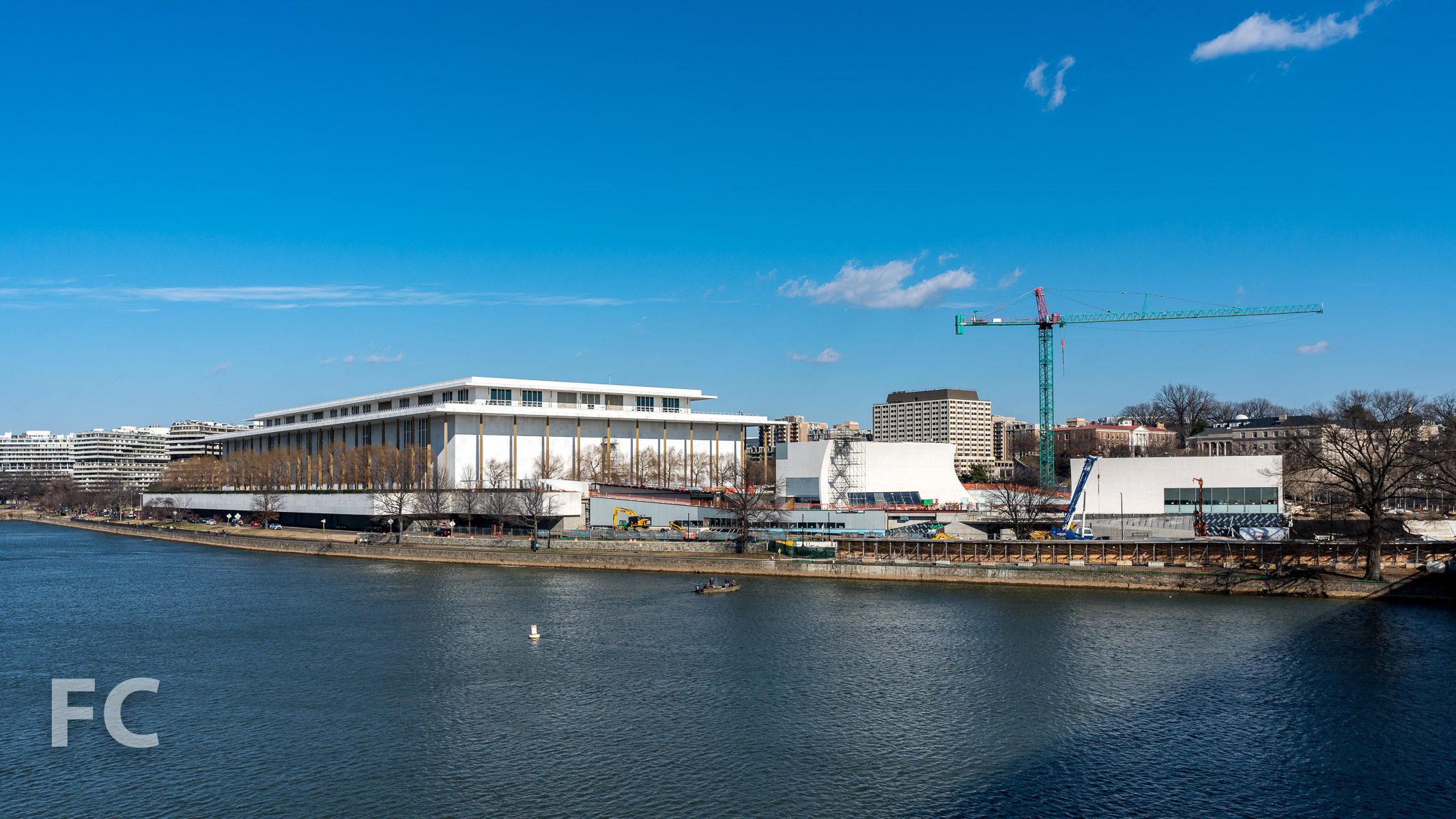
Construction Update: The JFK Center for the Performing Arts Expansion
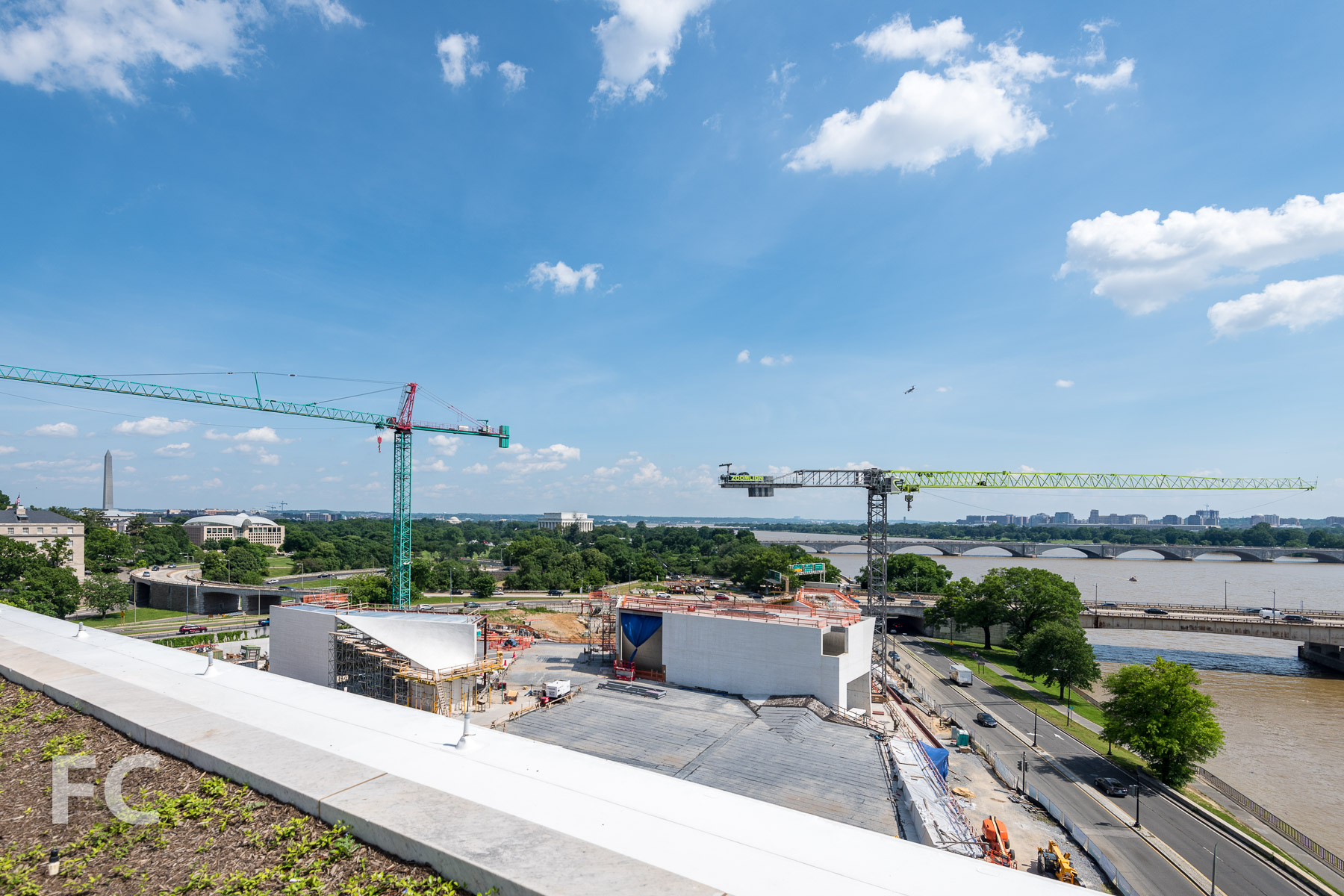
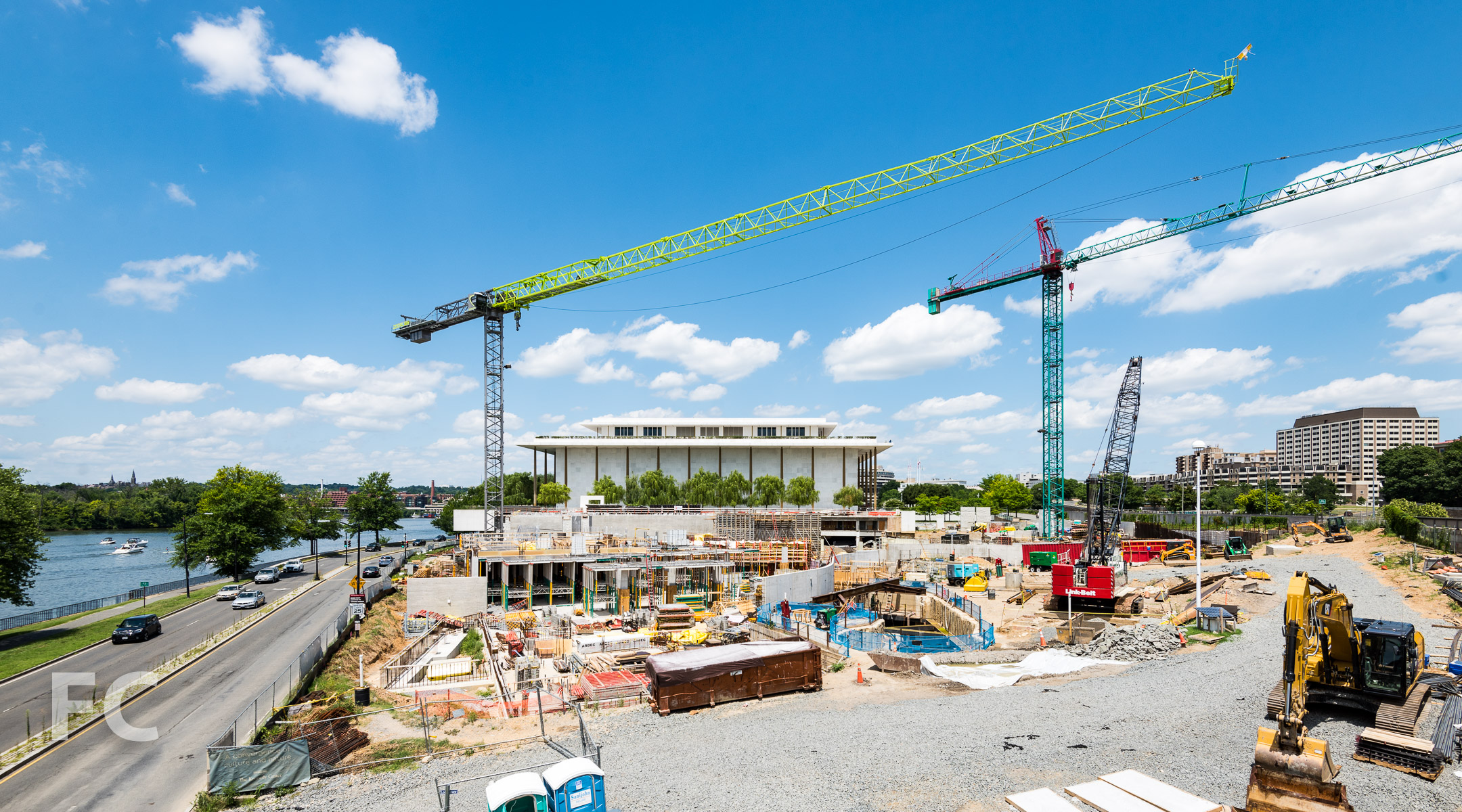
Exterior wall construction is nearing completion at the expansion of the John F. Kennedy Center for the Performing Arts in Washington, D.C. Designed by Steven Holl Architects, the expansion is located immediately south of the original 1971 structure by Edward Durell Stone. Rather than build onto the existing structure, the architect has designed a series of structures that will house rehearsal rooms and classrooms, a lecture hall, multipurpose meeting rooms, and an event space. Holl envisions his design strategy as a means to connect the expansion with the landscape and the adjacent Potomac River.
Architect: Steven Holl Architects (Design Architect), BNIM (Architect of Record); Structural Engineer: Robert Silman Associates; MEP Engineer: Arup; Landscape Architect: Edmund Hollander Landscape Architects; Envelope Consultant: Thornton Tomasetti; Client: The John F. Kennedy Center for the Performing Arts; Program: Performing Arts; Location: Washington, D.C.; Completion: Fall 2019.

Construction Update: West Half
Construction is nearing completion at JBG Smith’s West Half residential building adjacent to Nationals Park in the Navy Yard neighborhood of Washington, DC. Designed by ODA New York, the project features a stepped massing at the southeast corner opposite the ball park, allowing for terraces and balconies that provide ample outdoor space.
Architect: ODA New York; Developer: JBG Smith; Program: Residential, Retail; Location: Navy Yard, Washington, DC.; Completion: 2019.

Atlantic Plumbing
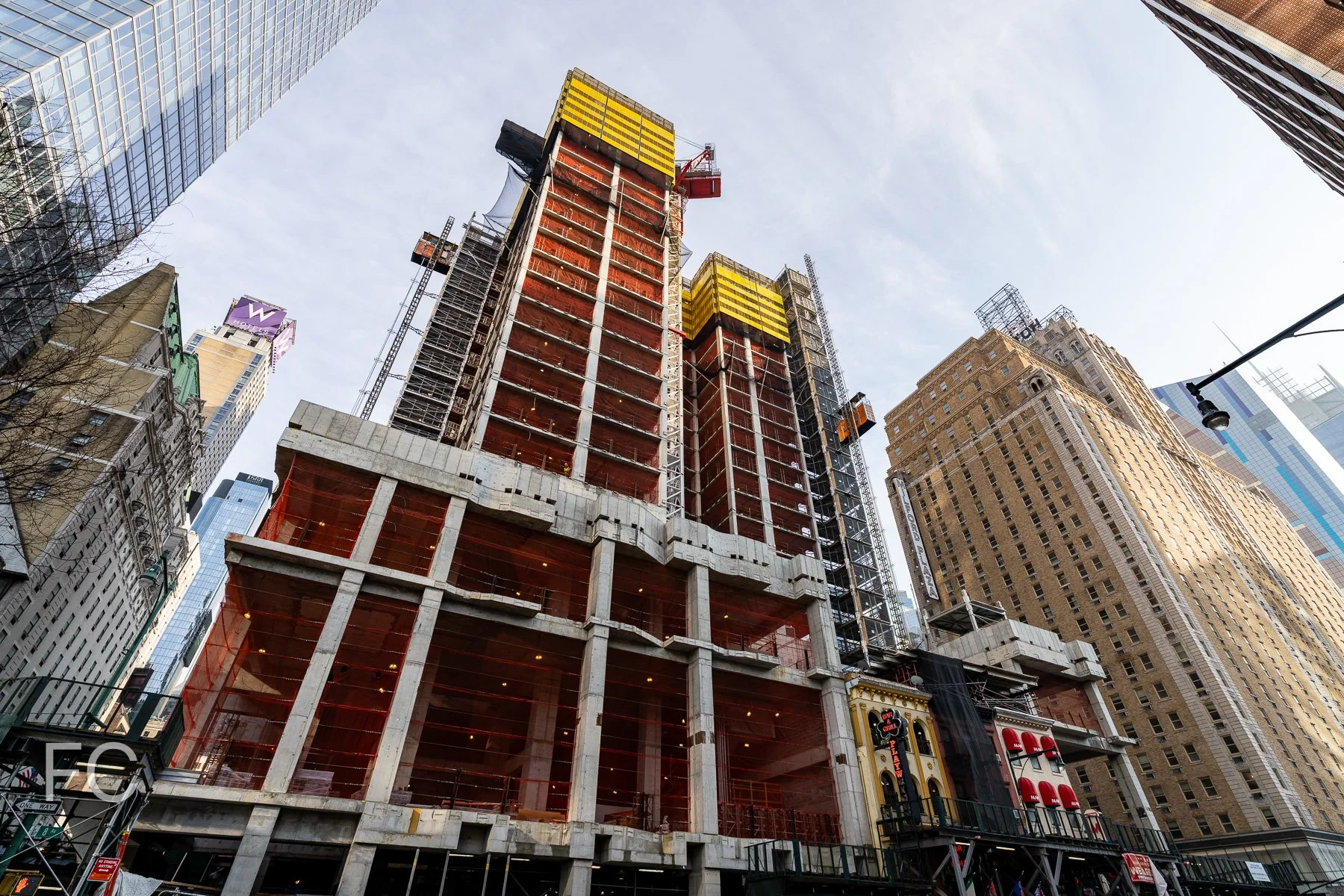
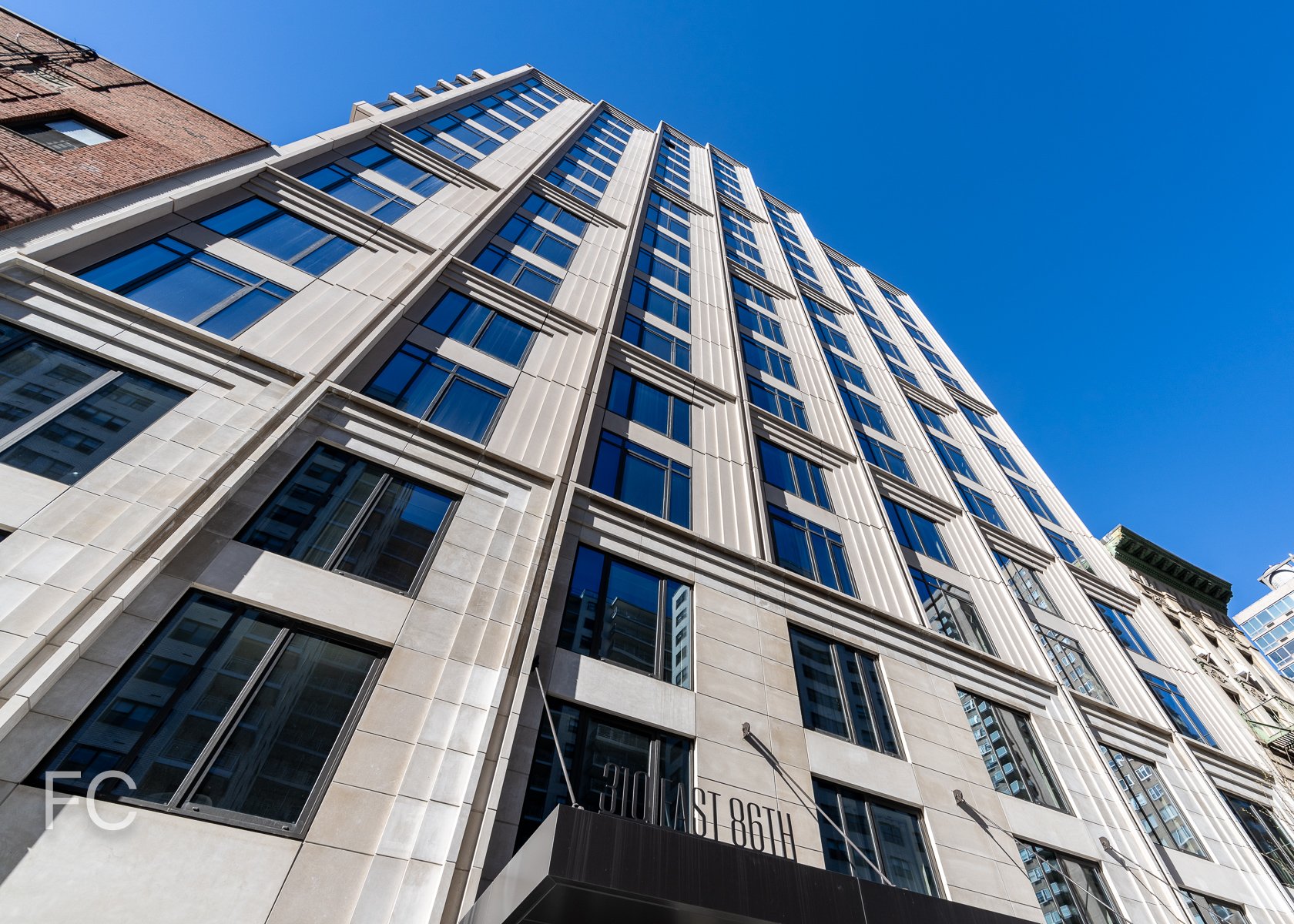
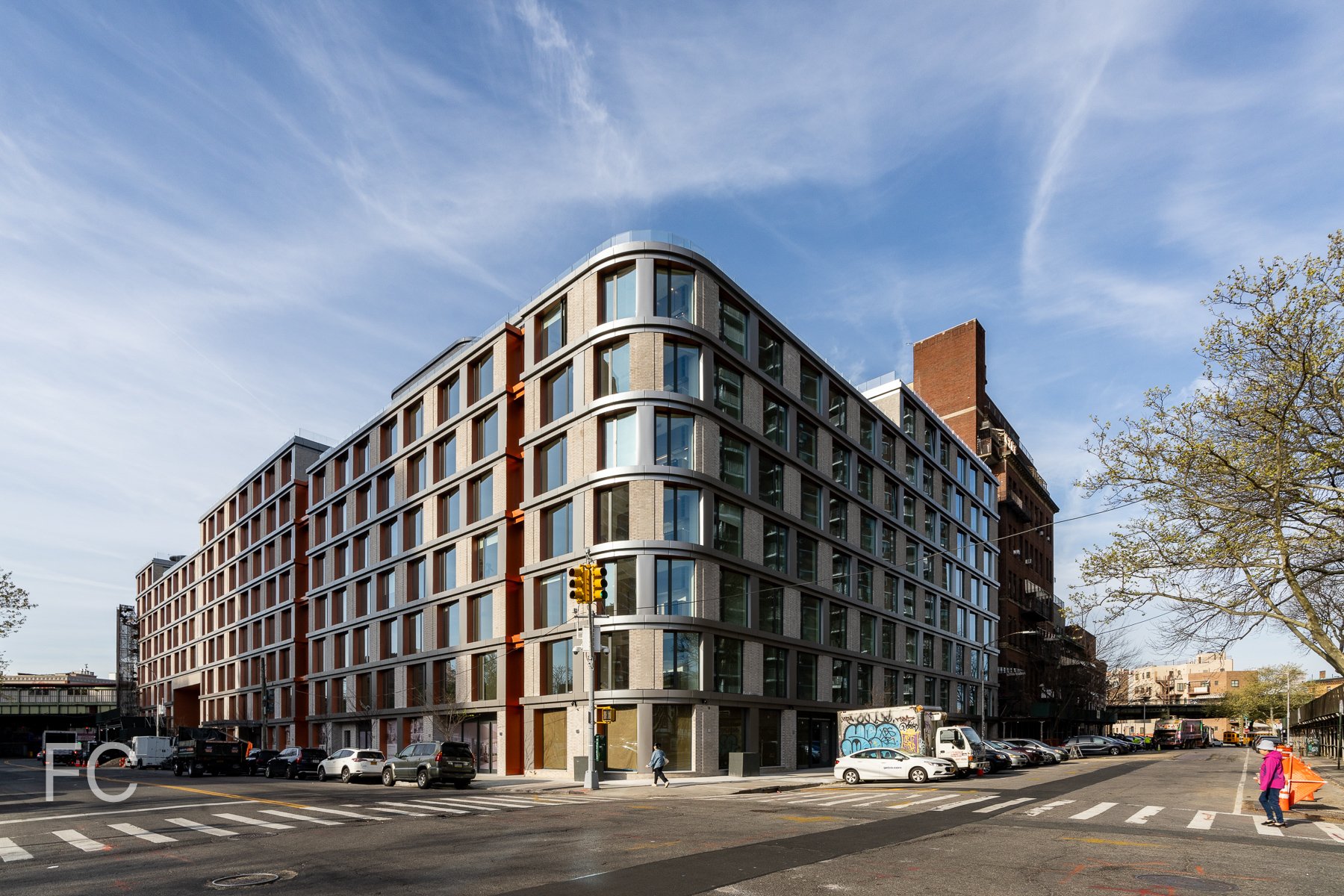
Last month, while visiting Washington, DC, I toured the soon-to-be-completed Atlantic Plumbing mixed use project from The JBG Companies and Walton Street Capital. Designed by Morris Adjmi Architects with the industrial contemporary style found in their numerous New York projects, Atlantic Plumbing includes two buildings on the site of the former Atlantic Plumbing Supply Company in the Shaw neighborhood. The larger of the two buildings, at 2112 Eighth Street NW, features 310 units of rentals and condos clad in an envelope of glass and corten steel exoskeleton. Closer to completion, 2030 Eighth Street NW includes 62 units clad in an envelope of industrial styled windows that creates an oversized running bond pattern. Interior details throughout 2030 Eighth Street NW reinforce the industrial aesthetic.
Completion on both buildings is slated for later this year.
Looking north on Eighth Street NW.
2030 Eighth Street NW (left) and 2112 Eighth Street NW (right) at Atlantic Plumbing.
Northeast corner of 2030 Eighth Street NW.
Facade detail of 2030 Eighth Street NW.
Lobby entry of 2030 Eighth Street NW.
Lobby of 2030 Eighth Street NW.
Concierge desk.
Mailroom.
Unit entry signage.
Entryway of a one bedroom unit.
Living room and kitchen.
Kitchen.
Bedroom.
Bathroom.
Corner bedroom in a multi bedroom unit.
Top floor fitness center.
Top floor residents' lounge.
Top floor residents' lounge.
Top floor residents' lounge.
Rooftop lounge.
Rooftop lounge.
Rooftop lounge.
Rooftop lounge.
A view of 2112 Eighth Street NW from the rooftop lounge of 2030 Eighth Street NW.
Detail of the facade of 2112 Eighth Street NW.
Southeast corner of 2112 Eighth Street NW.
Southwest corner of 2112 Eighth Street NW.
Looking up at the east facade of 2112 Eighth Street NW.
Architect: Morris Adjmi Architects; Developers: The JBG Companies, Walton Street Capital; Program: Residential, Retail; Location: Shaw, Washington, DC; Completion: 2015.


BIG Maze
BIG has just completed a modern take on the maze, constructed in the Great Hall of the National Building Museum in Washington, D.C. The firm has approached the project with its signature methodology of rigorously evaluating form in relation to function to find new approaches to a design problem. This manner of design thinking is seen in every building they undertake, primarily conveyed in their signature diagrams.
The historical form of the maze, found in cultures around the world from ancient times, has been that of increasing confusion as one wanders further into its depths. To bring new life to the form, BIG has subtracted a convex form from the 18 feet high walls of the maze. The further you journey into the center of the maze, the better you understand the path you've taken, as the wall's height decreases. Not only does this lead to personal enlightenment, it is also a spectacular new way to encourage the visitor to reexamine the Renaissance detailing of the building through the dynamic framing of the walls.
View of the maze from the Great Hall.
Entrance to the maze.
Entrance podium.
Looking up within the maze.
View from the center of the maze.
View from the center of the maze.
The material selection of plywood by BIG sought to complement the earth tones of the Building Museum's interiors while contrasting with its Renaissance detailing through its sparseness of finish and form.
Walking through the maze.
Detail of the maze wall intersections.
Maze walls at the center.
Construction was achieved in just under a month with the help of work donated by local contractors. The base floor was constructed first, with a break in construction for a previously scheduled wedding in the Hall before resuming with the walls.
This formal approach of the warped surface eroding the field of walls from the top recalls Peter Eisenman's strategy for his sculptural memorial in Berlin. At the Memorial to the Murdered Jews of Europe, Eisenman uses the warped surface of the ground to alter the visitor's relation to the concrete pillars. As you enter the field, the pillars are low, creating a bench or steps for children to jump between. The further in you proceed, their scale dramatically increases, becoming looming columns that block the light and instilling an unease that evokes the emotional effect of the Holocaust's atrocities.
Memorial to the Murdered Jews of Europe, Eisenman Architects, 2004
To add to the experience of BIG's maze, the visitor can gain a different perspective as they visit the upper levels of the museum and look down on its intricate paths from the colonnades.
Aerial perspective from the second floor colonnade.
Aerial perspective from the second floor colonnade.
The center of the maze.
Bjarke Ingels leading a tour in the maze.
Aerial perspective from the third floor colonnade.
Hopefully with the success of the maze, the museum will seek more opportunities to engage the public with architecture in a space which begs for elements that activate it and create a dialogue.
Architects: BIG (Bjarke Ingels Group); Program: Exhibition; Location: National Building Museum, Washington, D.C.; Completion: 2014.
REX Architects · Williamsburg · 2028