Columbia University Business School
Diller Scofidio + Renfro / FXCollaborative · Morningside Heights · 2022
Southwest corner of Kravis Hall (left) and Geffen Hall (right).
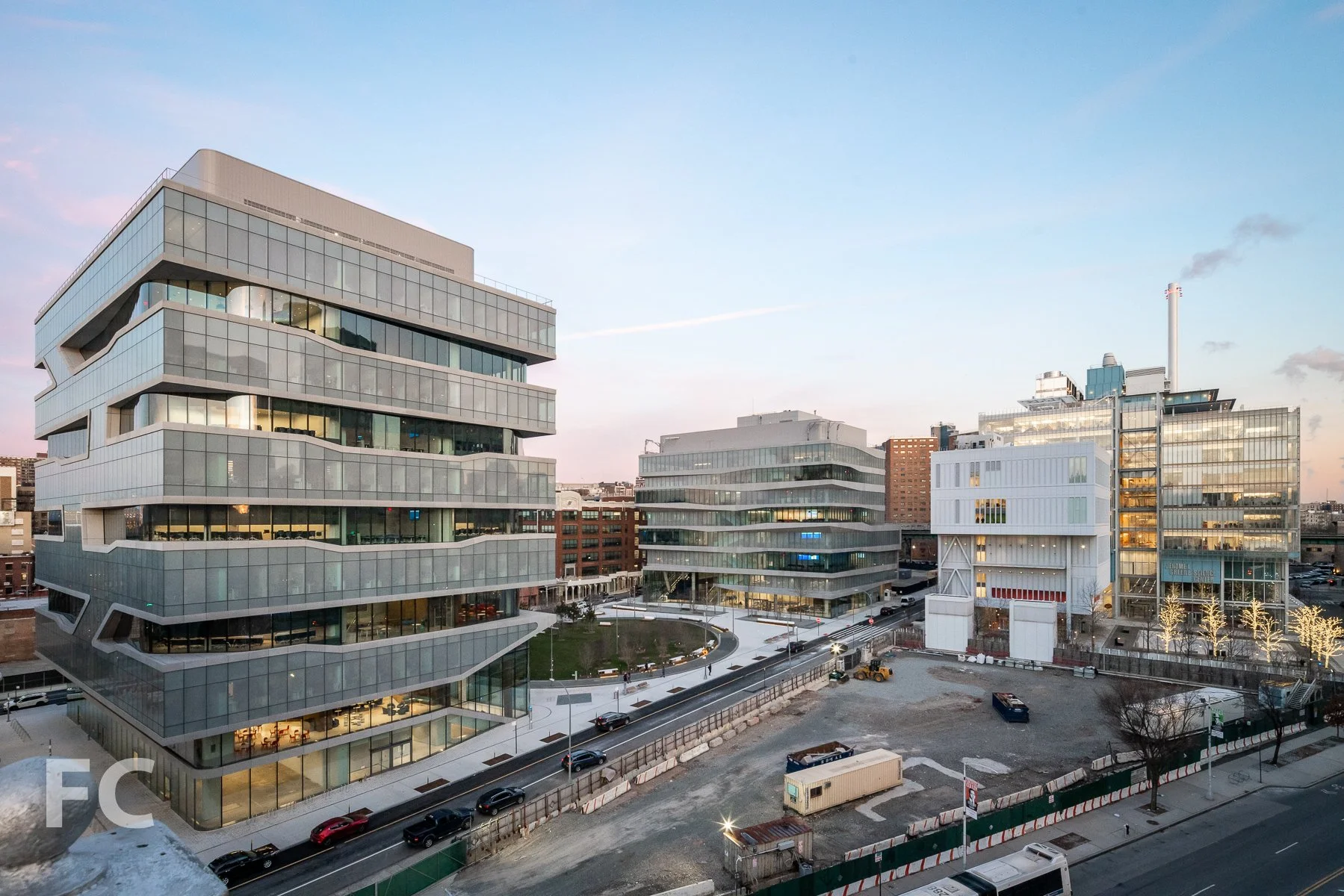
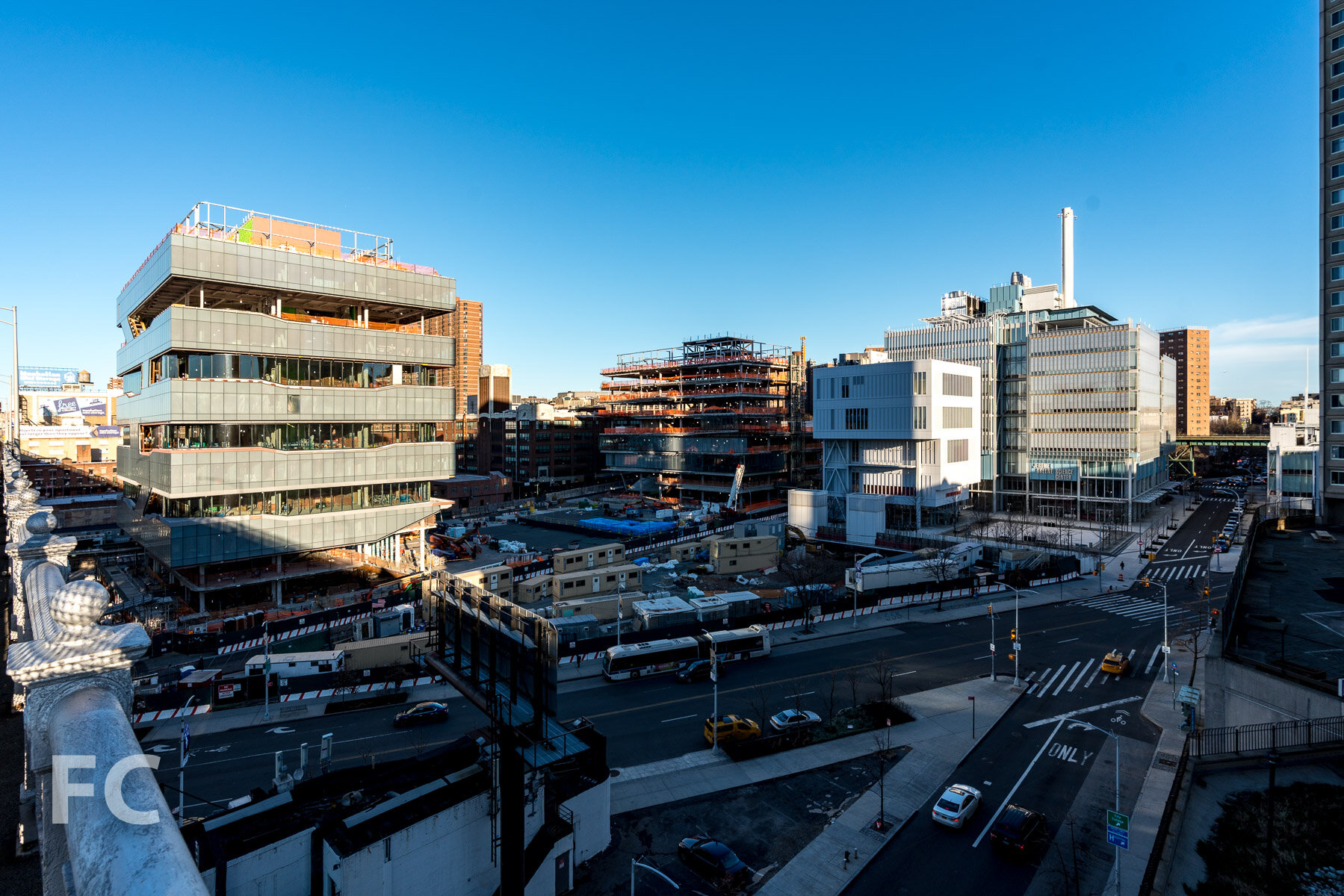
A new home for the Columbia Business School has opened at the university’s Manhattanville campus in West Harlem. The Business School’s two new structures, the 8-story David Geffen Hall and 11-story Henry R. Kravis Hall, are located on a site to the north of the first phase buildings by Renzo Piano. Totaling approximately 492,00 square feet, the two new buildings double the school’s current square footage. Design on the two buildings is led by Diller Scofidio + Renfro with FXCollaborative and associate architects Aaris Design Architects.
Looking northeast towards the Manhattanville campus, including the Business School (left), the Lenfest Center for the Arts (right), and the Jerome L. Greene Science Center (far right).
James Corner Field Operations have designed a 40,000 square foot central open space which the two buildings bookend.

Northwest corner of Geffen Hall (center) and Kravis Hall (right).
Henry R. Kravis Hall
East facade of Kravis Hall at sunset.
Kravis Hall features two generous circulation stairs, located at the east and west facades, which link together alternating floors of faculty offices and teaching spaces. Known as The Network, these stairs link lounges, seminar spaces, open-breakout, tiered seating, carrels and informal hang-out spaces at the east facade. A faculty version of The Network is located along the west facade and offers views of the Hudson River. Both circulation stairs also act as vertical structure elements.
The exterior wall, fabricated by Intercom Facades and AZA US (Former AZA-INTERCOM Corporation) with W&W Glass, is designed to express the interweaving of student, faculty, and administrative program. Transparent glass encloses student floors, the Network circulation spaces, and ground floor program. Faculty floors are clad in GFRC (glass fiber reinforced concrete) slab covers and fritted glass that contrasts with the more transparent student spaces. The building’s structure uses “skip truss” steel framing on alternating faculty floors to achieve nearly column-free classrooms.
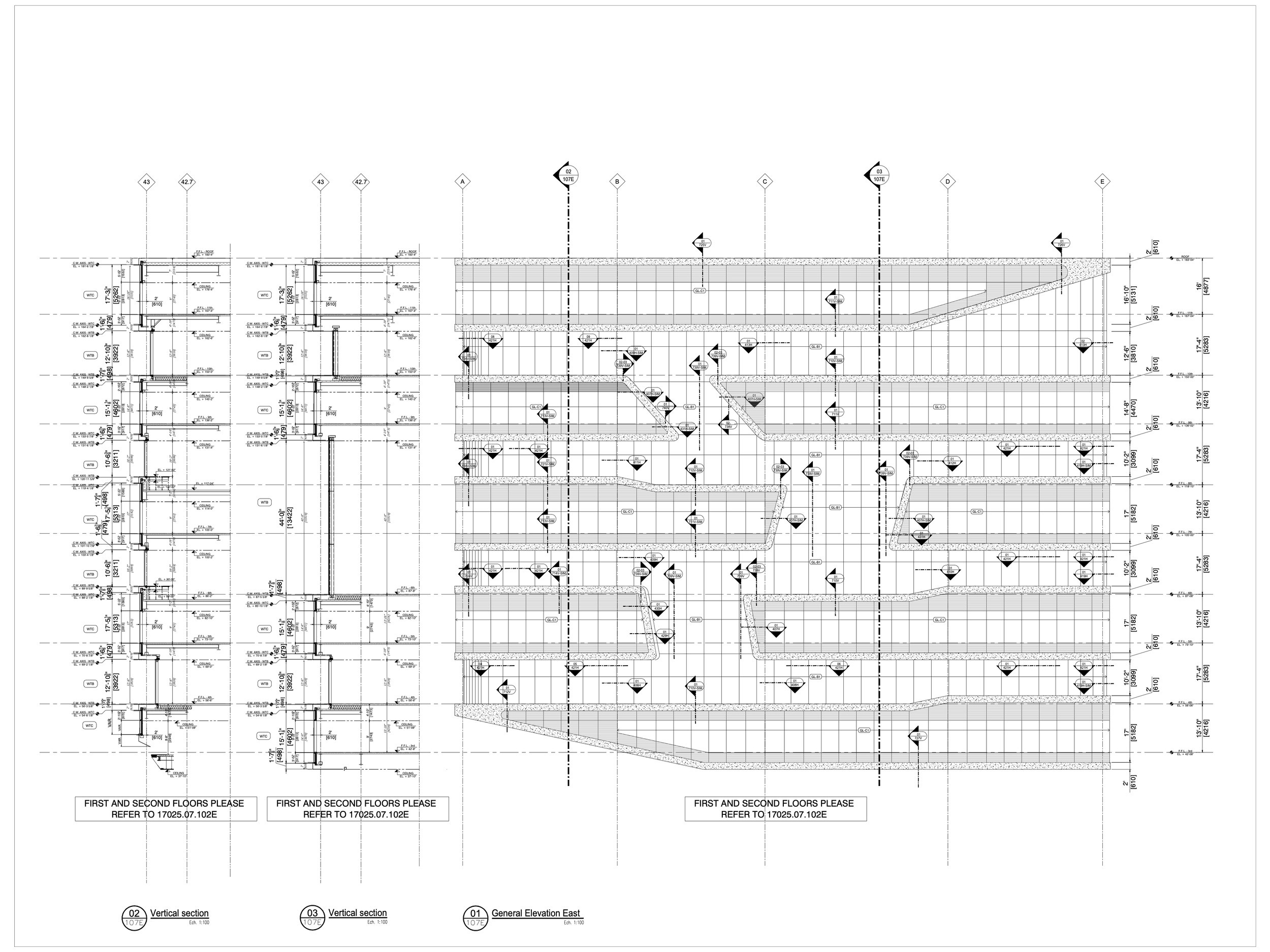
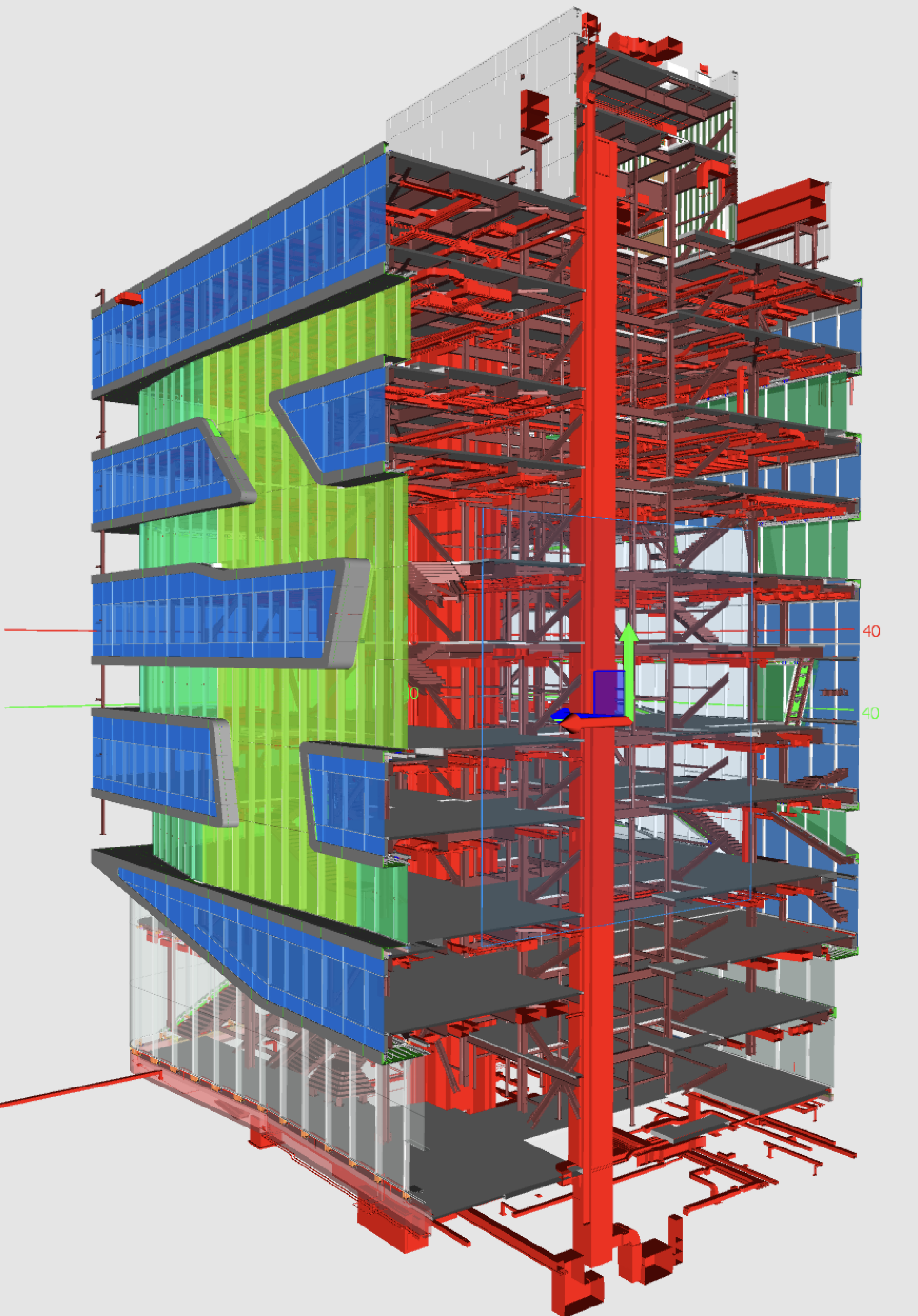
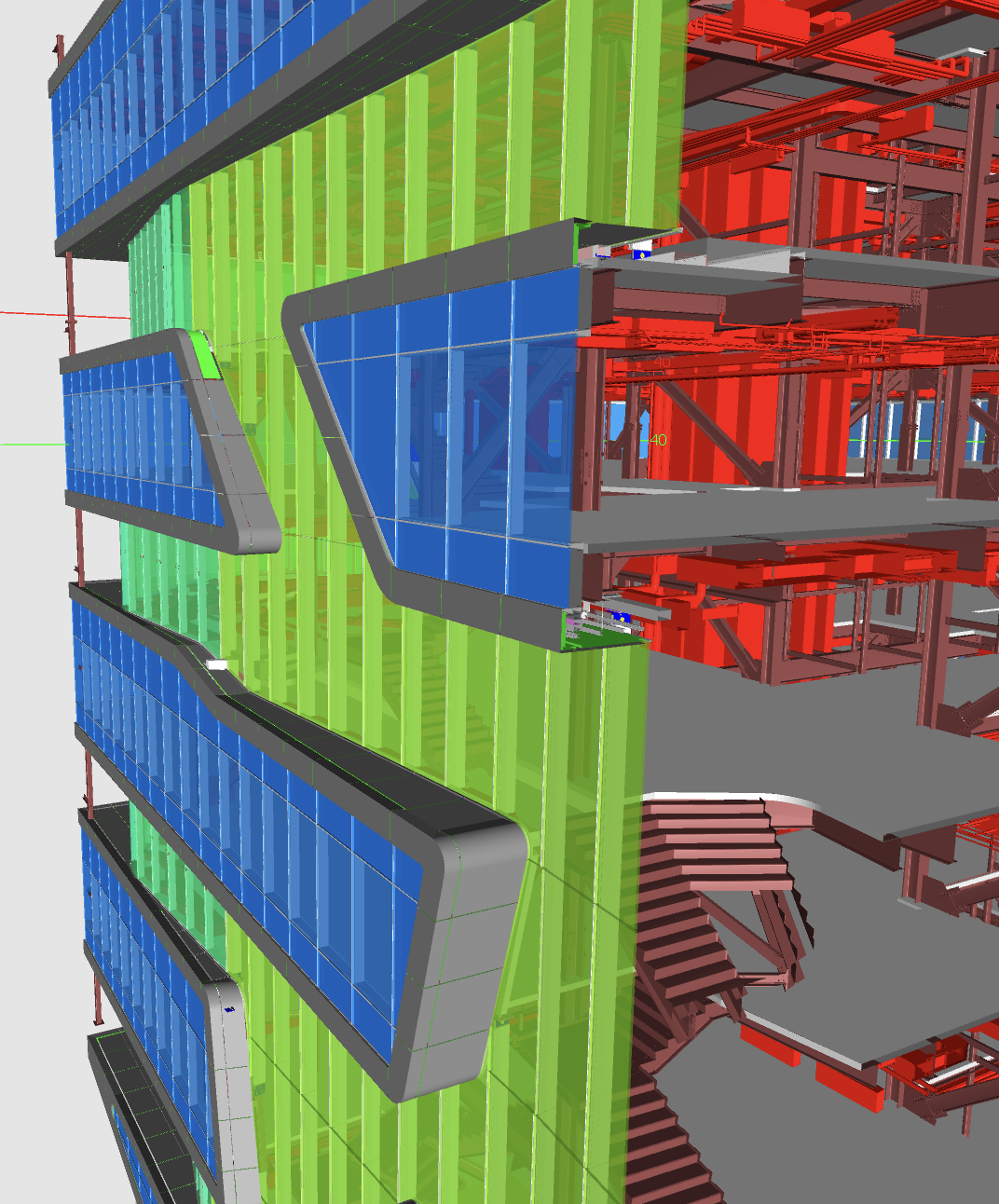
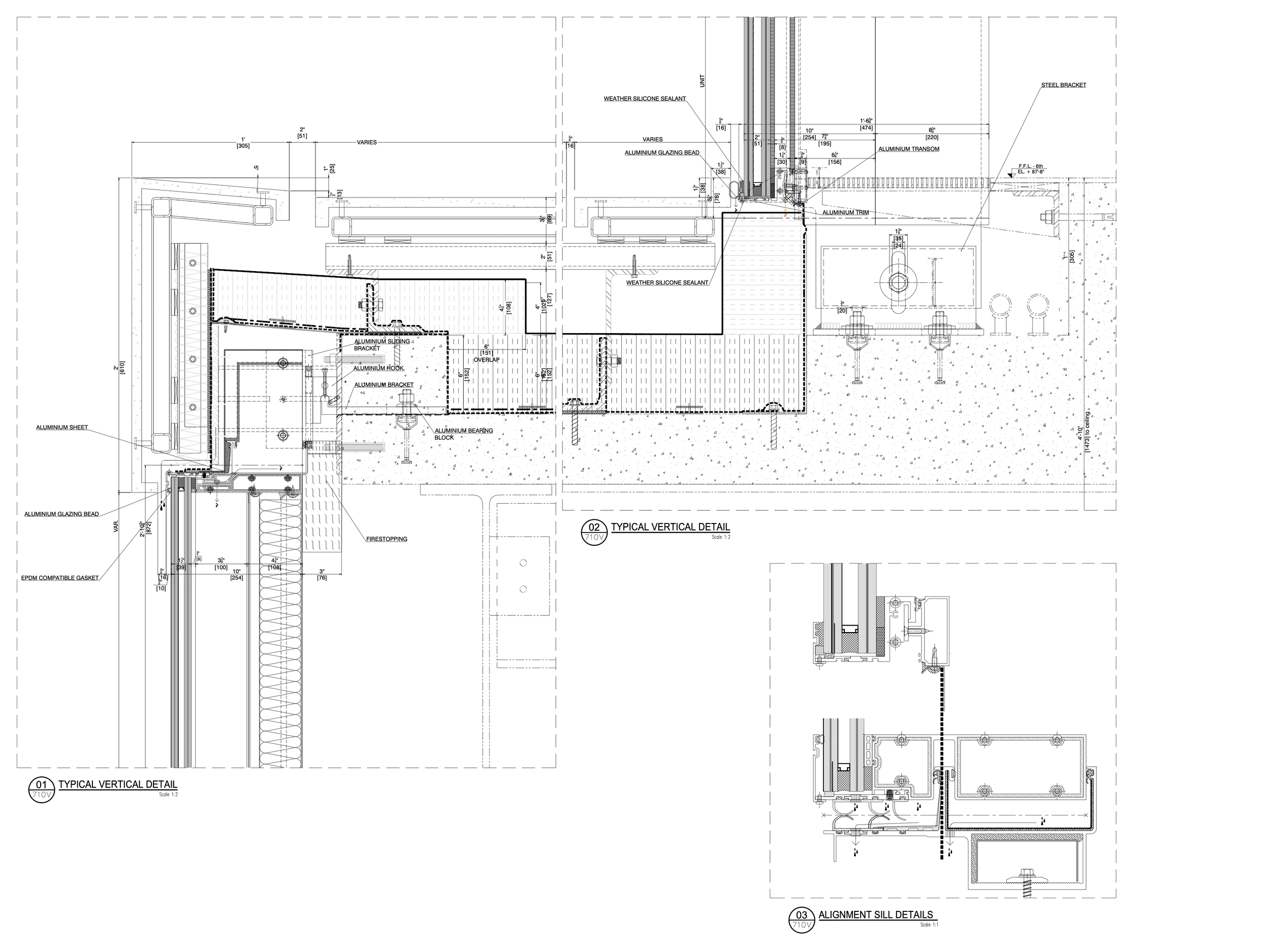
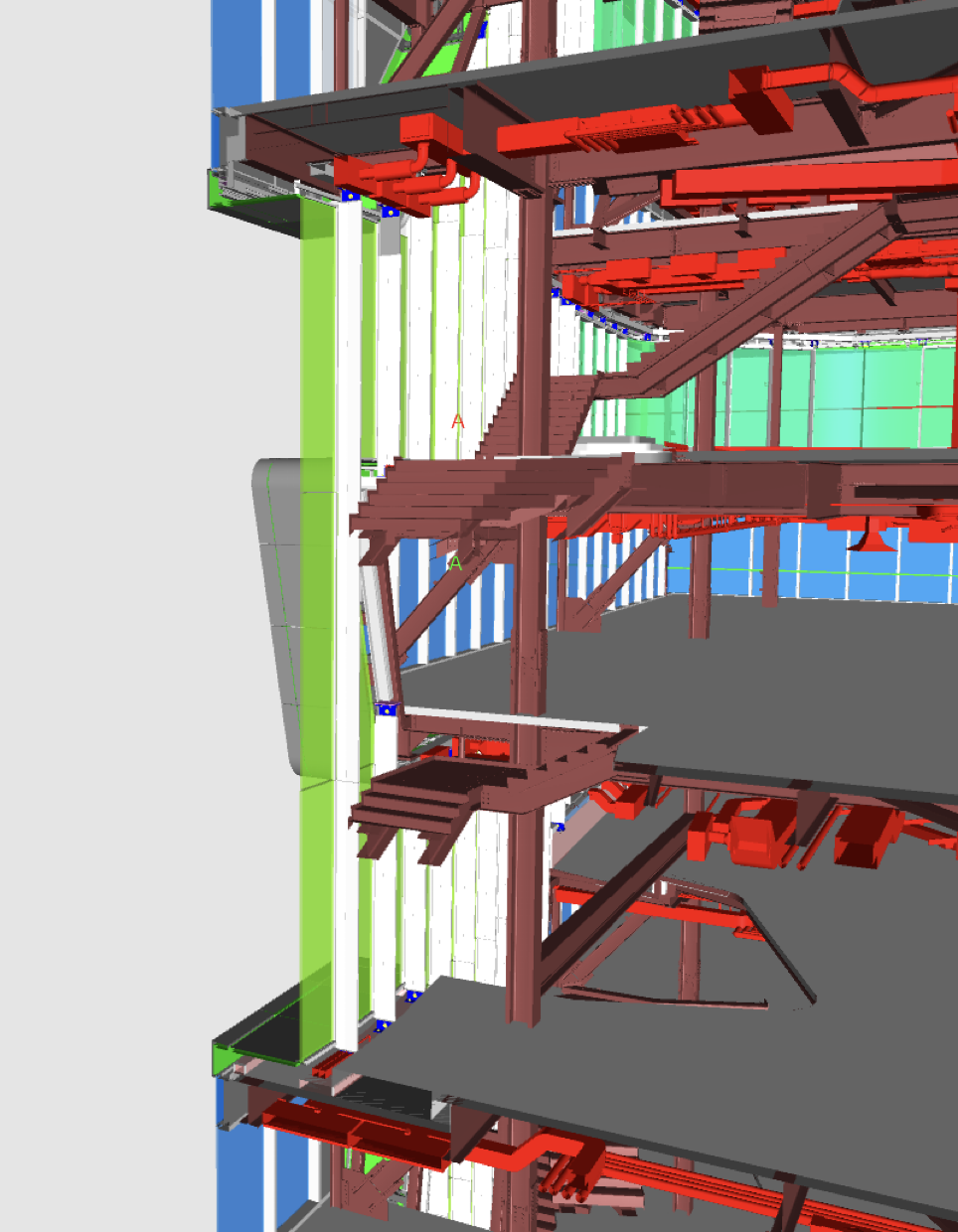
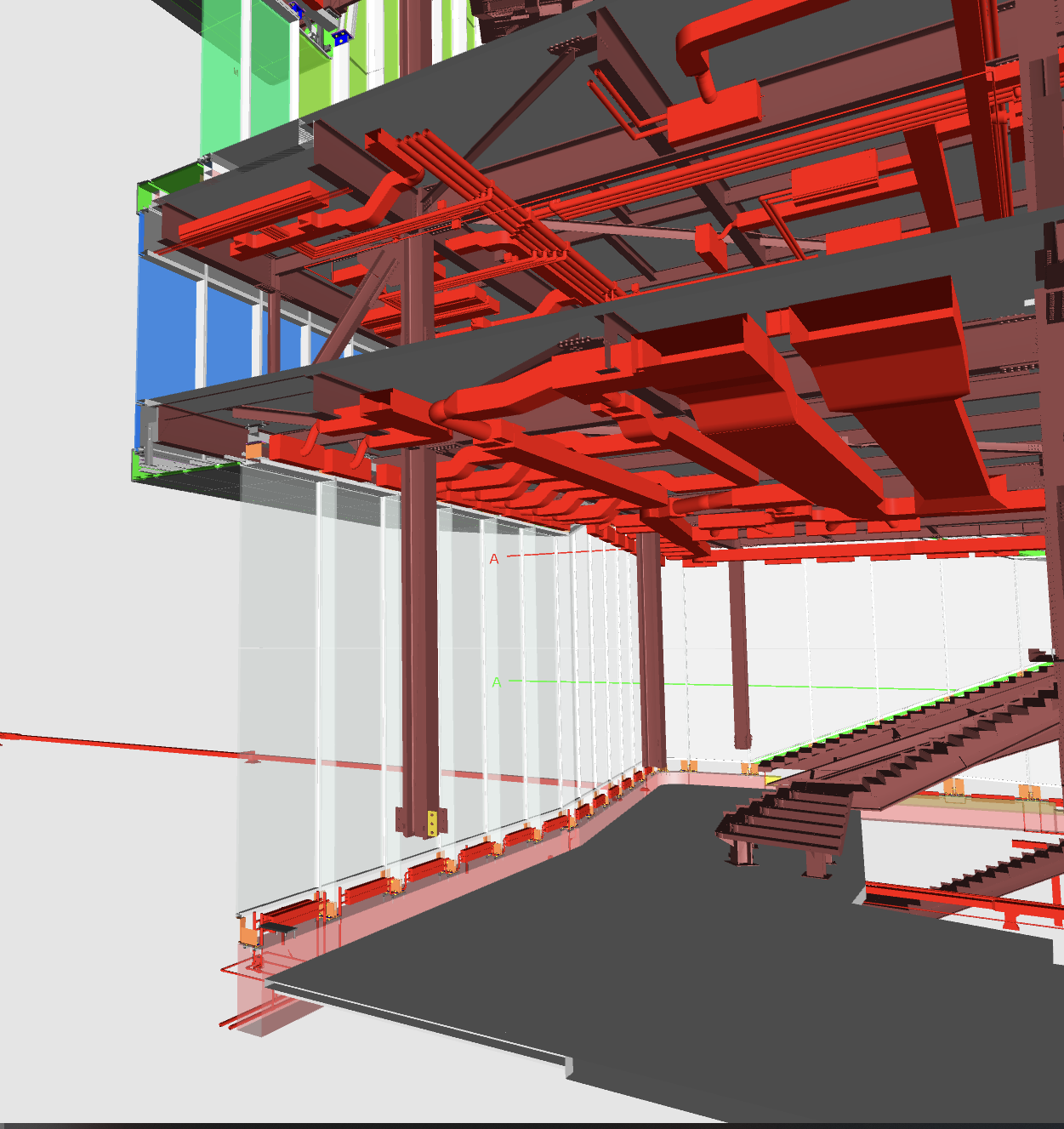
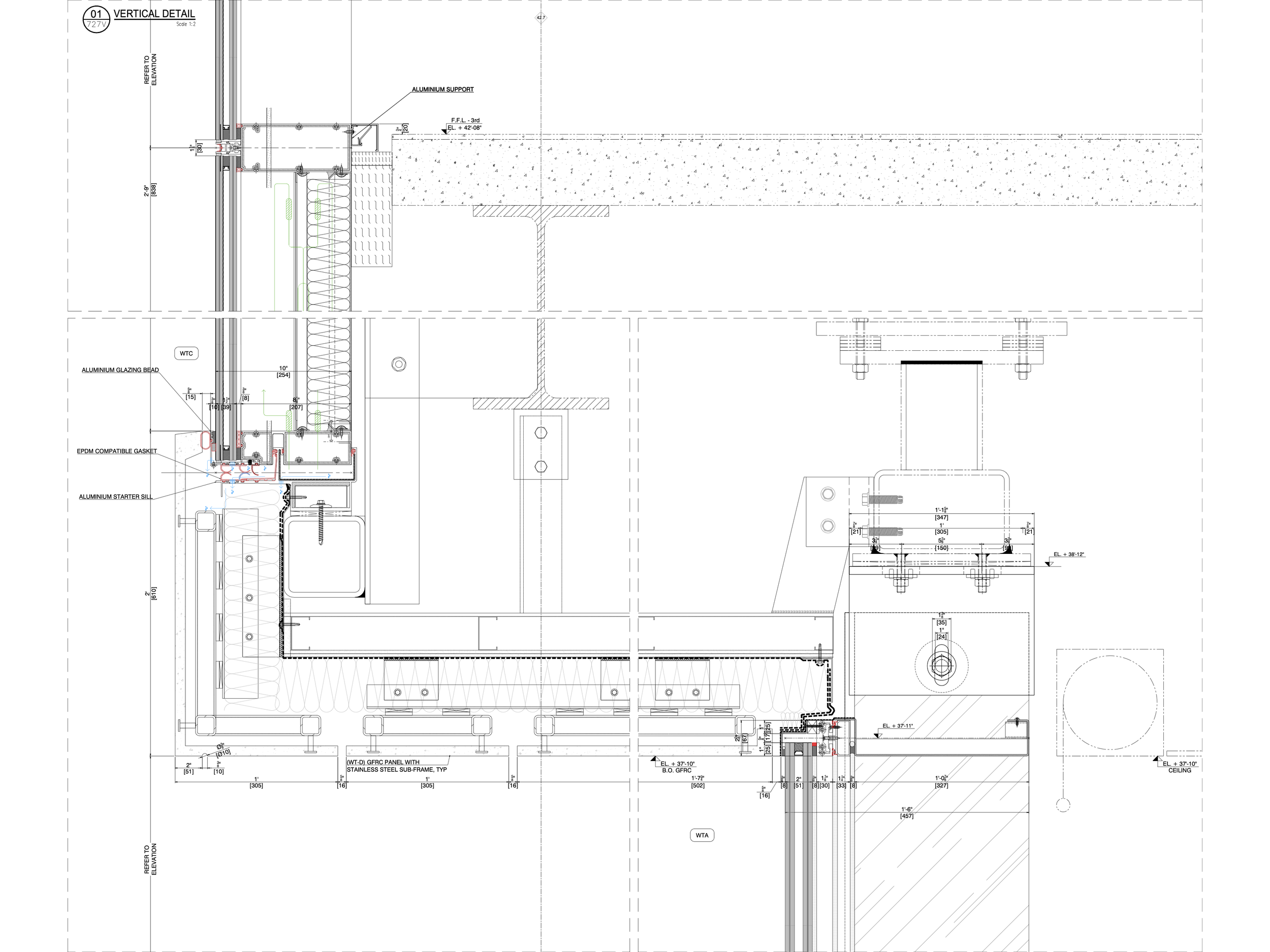
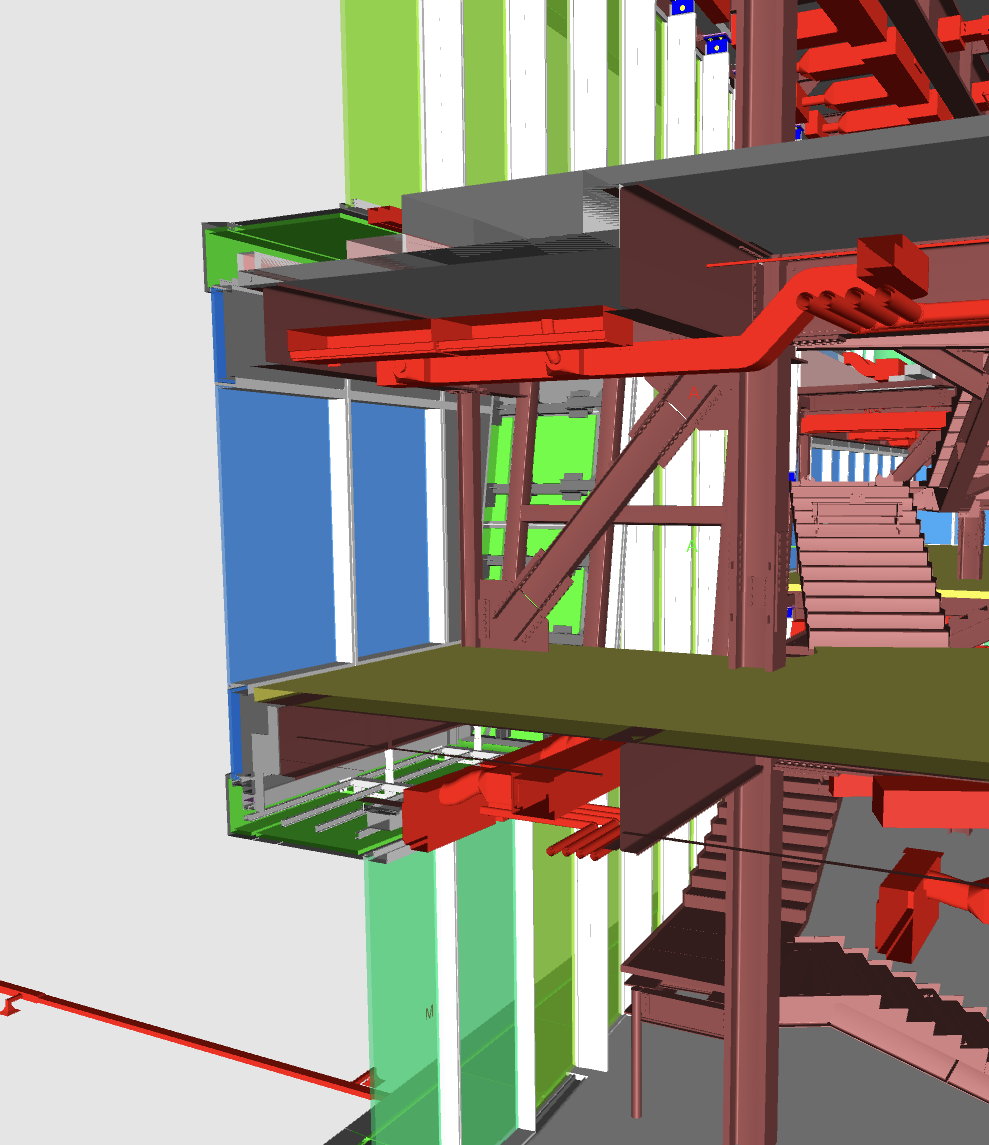

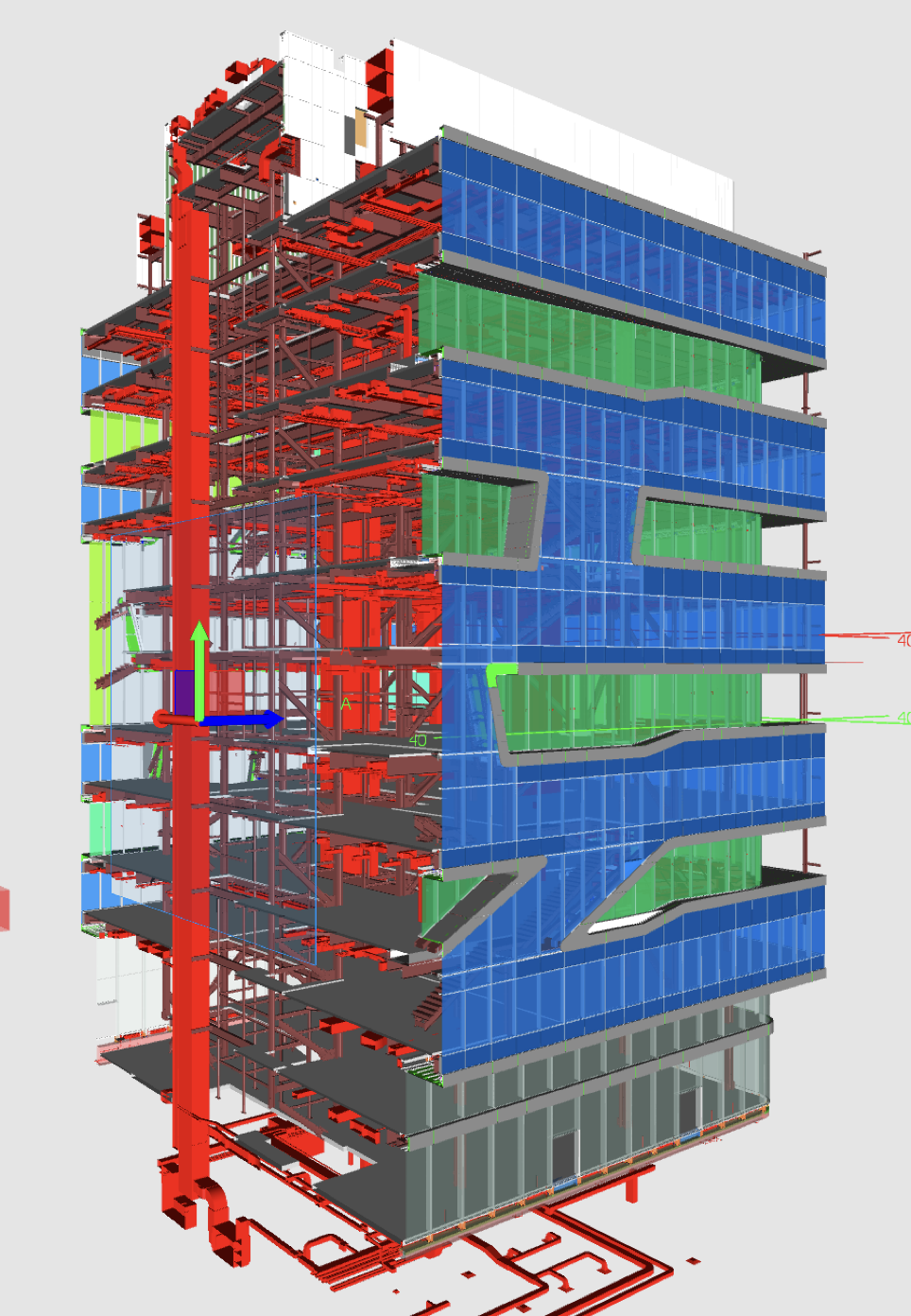
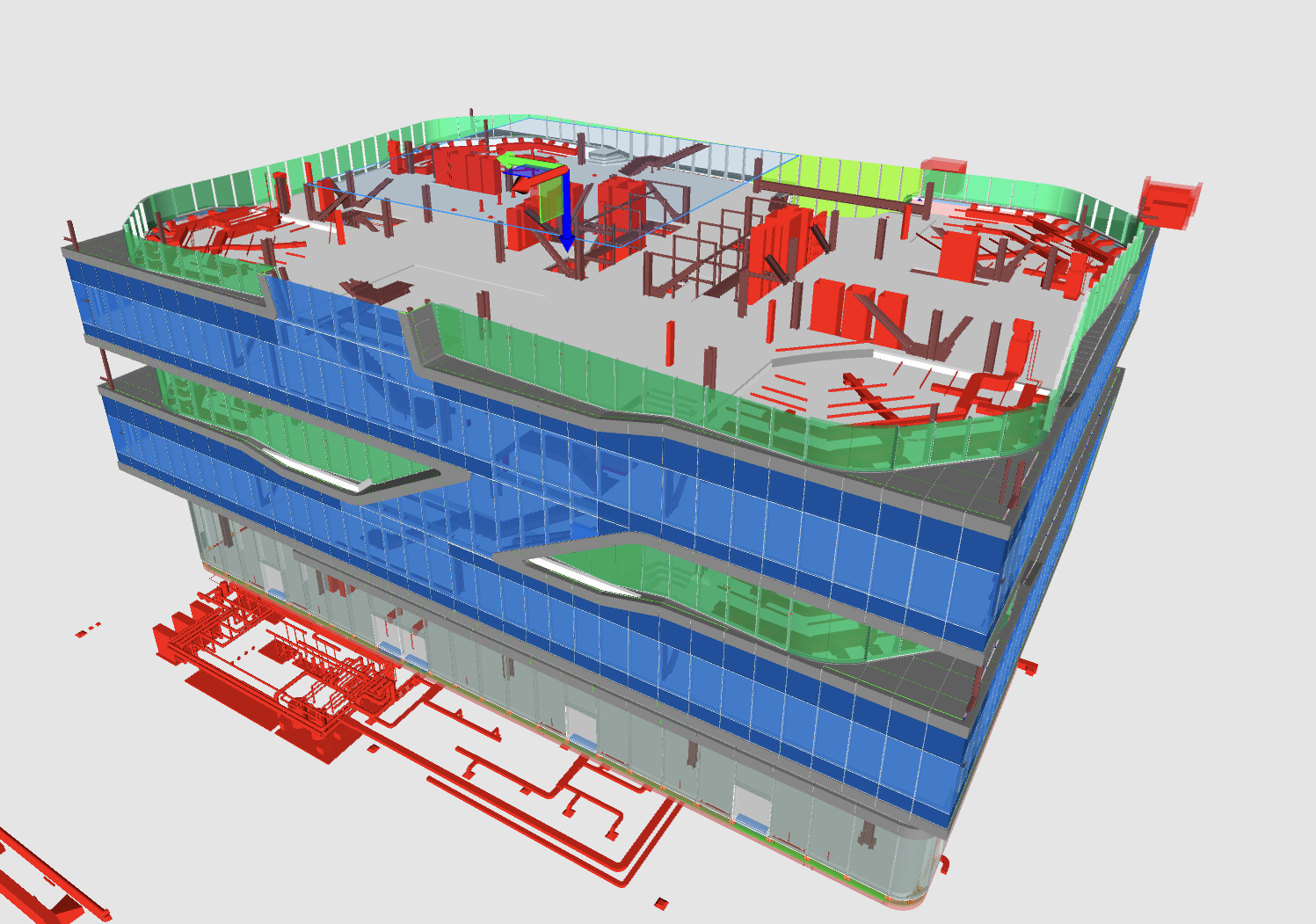
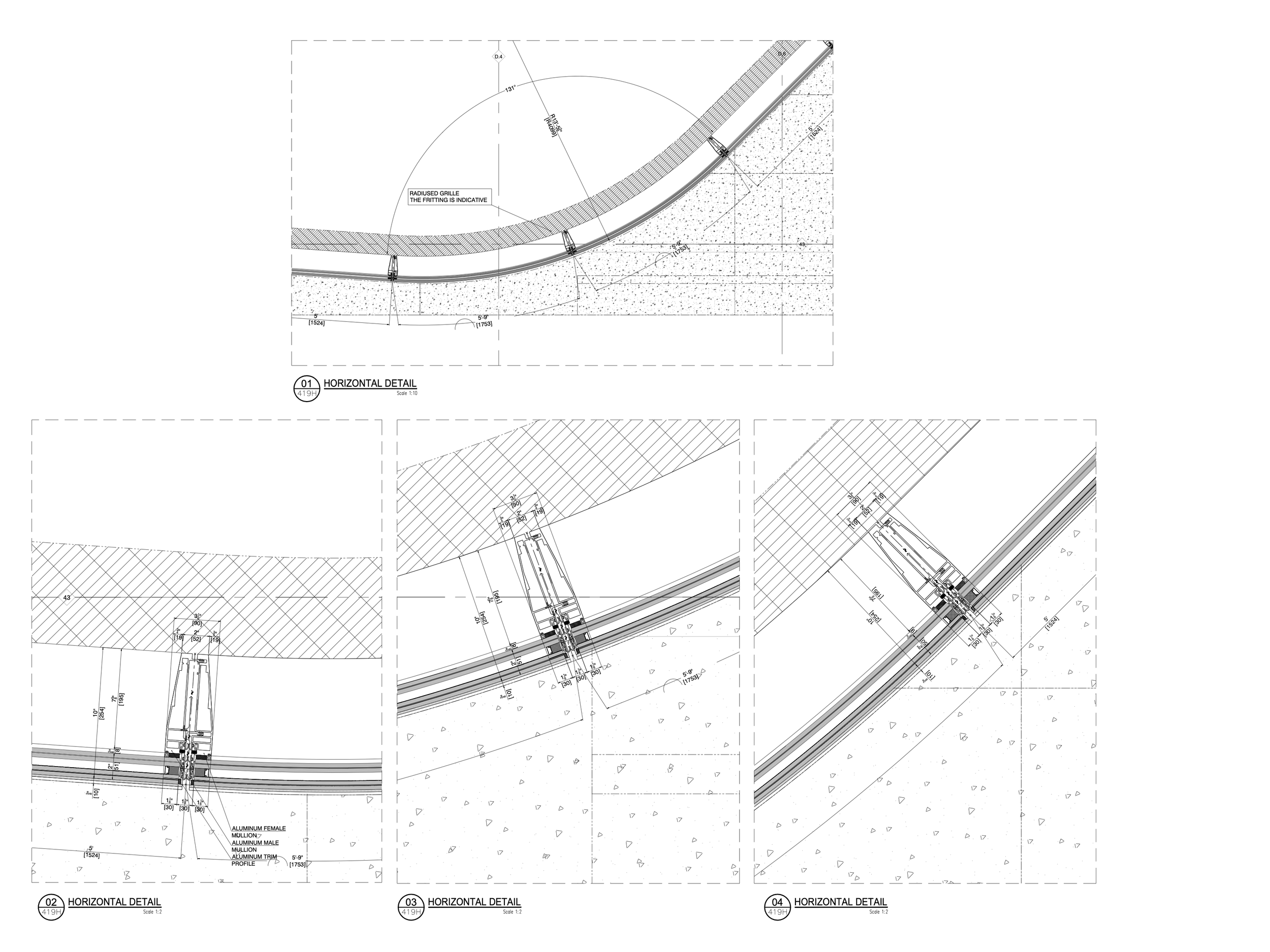
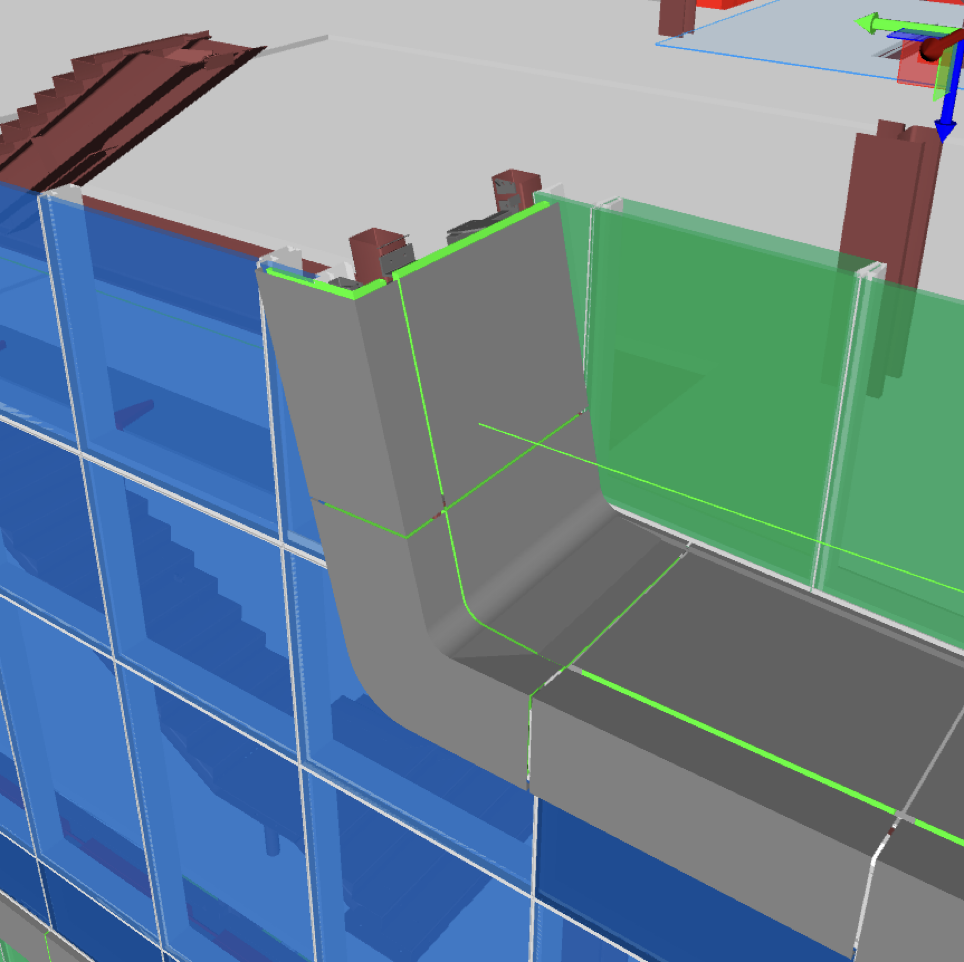
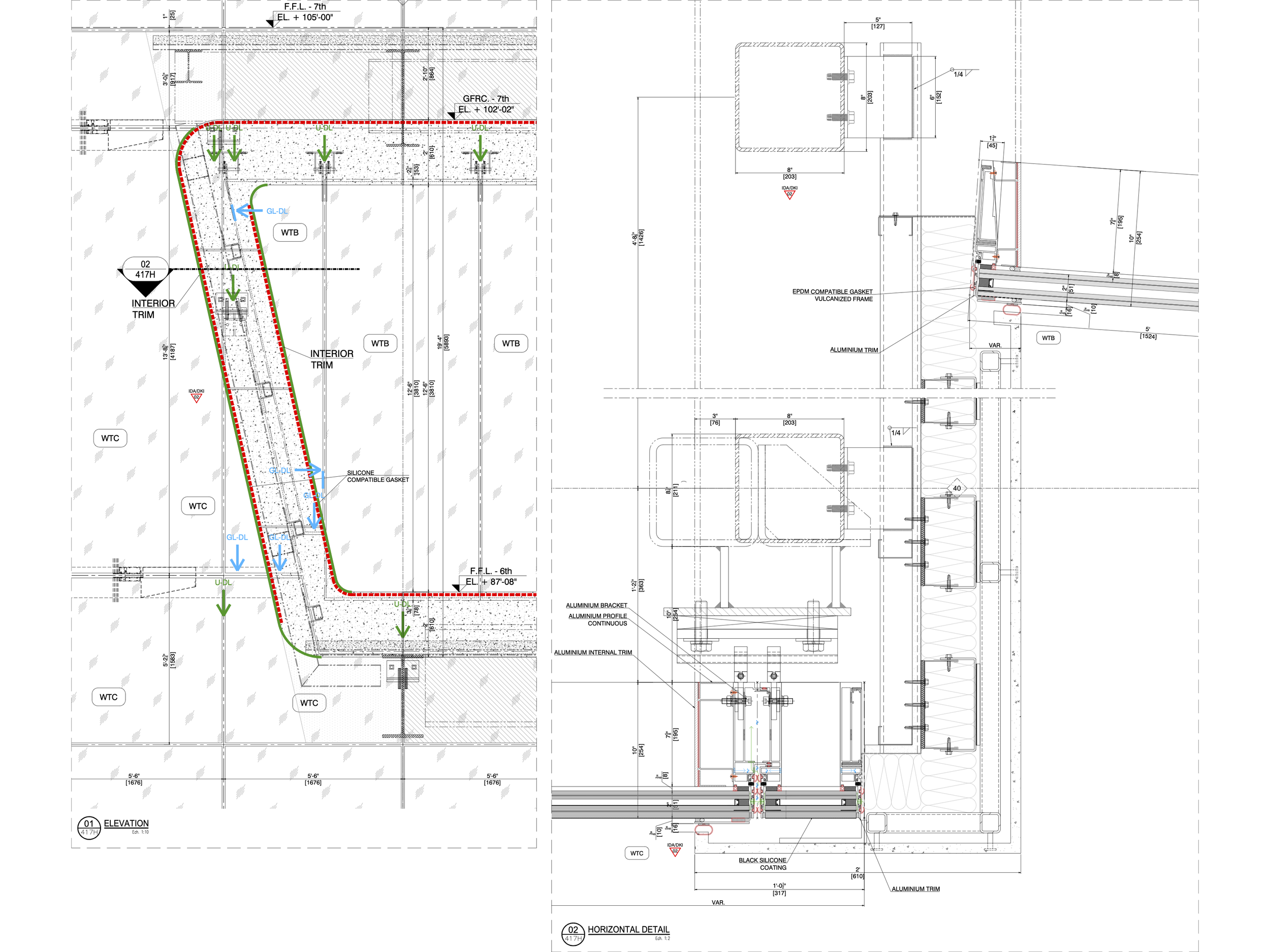
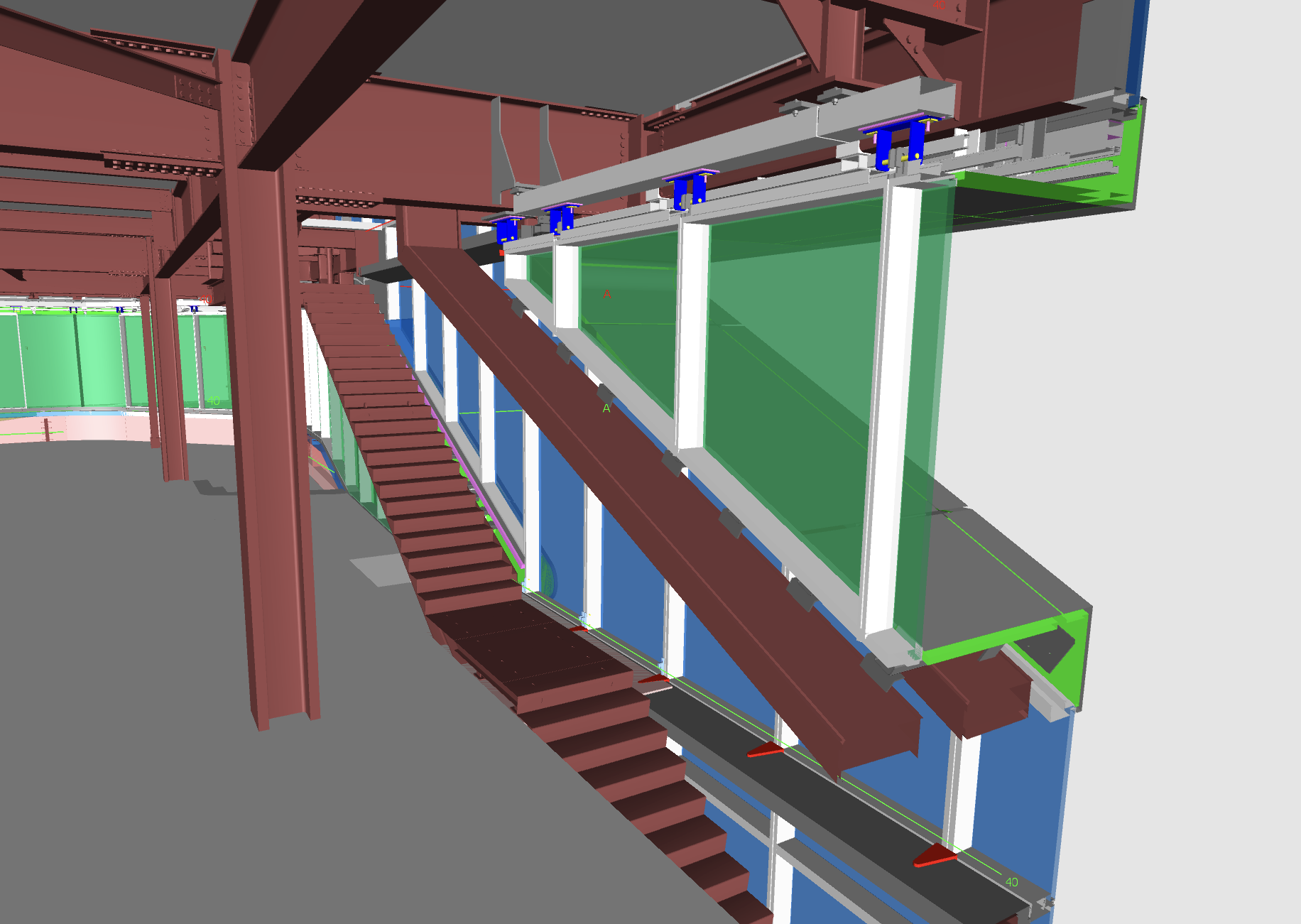
Exterior wall details courtesy of Intercom Facades and AZA US.
Southeast corner of Kravis Hall.
South facade of Kravis Hall.
Looking up at the south facade of Kravis Hall.
East facade of Kravis Hall.
East facade of Kravis Hall.
Southeast corner of Kravis Hall.
Looking up at the east facade of Kravis Hall.
Close-up of the northeast corner of Kravis Hall.
Close-up of the east facade of Kravis Hall.
At the ground floor, the Samberg Commons offers seating for 201 on tiered, undulating seating made of American oak. This space can be transformed to connect with a 199-person dining space on the second floor. The ground floor of Kravis Hall also offers retail space along the building’s 12th Avenue frontage.
Samberg Commons at the southeast corner of Kravis Hall.
West facade of Kravis Hall with ground floor retail frontage.
Southwest corner of Kravis Hall.
Southwest corner of Kravis Hall (left) and Geffen Hall (center).
West facade of Kravis Hall.
David Geffen Hall
Southwest corner of Geffen Hall.
Mirroring Kravis Hall, the eight-story Geffen Hall also features a perimeter circulation element at the west facade that connects alternating floors for administrative offices and teaching spaces. A skin of GFRC and fritted glass in a gradient from transparent to opaque clads the facade the fronts the commons and Kravis Hall. Along with MBA teaching spaces, Geffen Hall also houses the Executive MBA program. At the northwest corner of the ground floor, the Cooperman Commons 274-person auditorium space accommodates student and faculty gatherings. The Columbia-Harlem Small Business Development Center on the second floor offers support resources and services to local businesses and entrepreneurs.
West facade of Geffen Hall.
Southwest corner of Geffen Hall.
Northwest corner of Geffen Hall.
Northwest corner of Cooperman Commons.
Cooperman Commons and lobby.
Ground floor cafe at Geffen Hall.
Architects: Diller Scofidio + Renfro with FXCollaborative; Structural Engineer, Exterior Envelope and Facade Consultant: Arup; Mechanical Engineer: Buro Happold; Associate Architect: AARRIS ATEPA Architects (Dedicated Dining, Multi-Function Room); Sustainability/ LEED Consultant: FXCollaborative; Landscape Architect: James Corner Field Operations; Exterior Wall Fabricator: Intercom Facades and AZA US (Former AZA-INTERCOM Corporation) with W&W Glass; Program: Education; Location: Manhattanville, New York, NY; Completion: 2022.




Audrey Irmas Pavilion at Wilshire Boulevard Temple
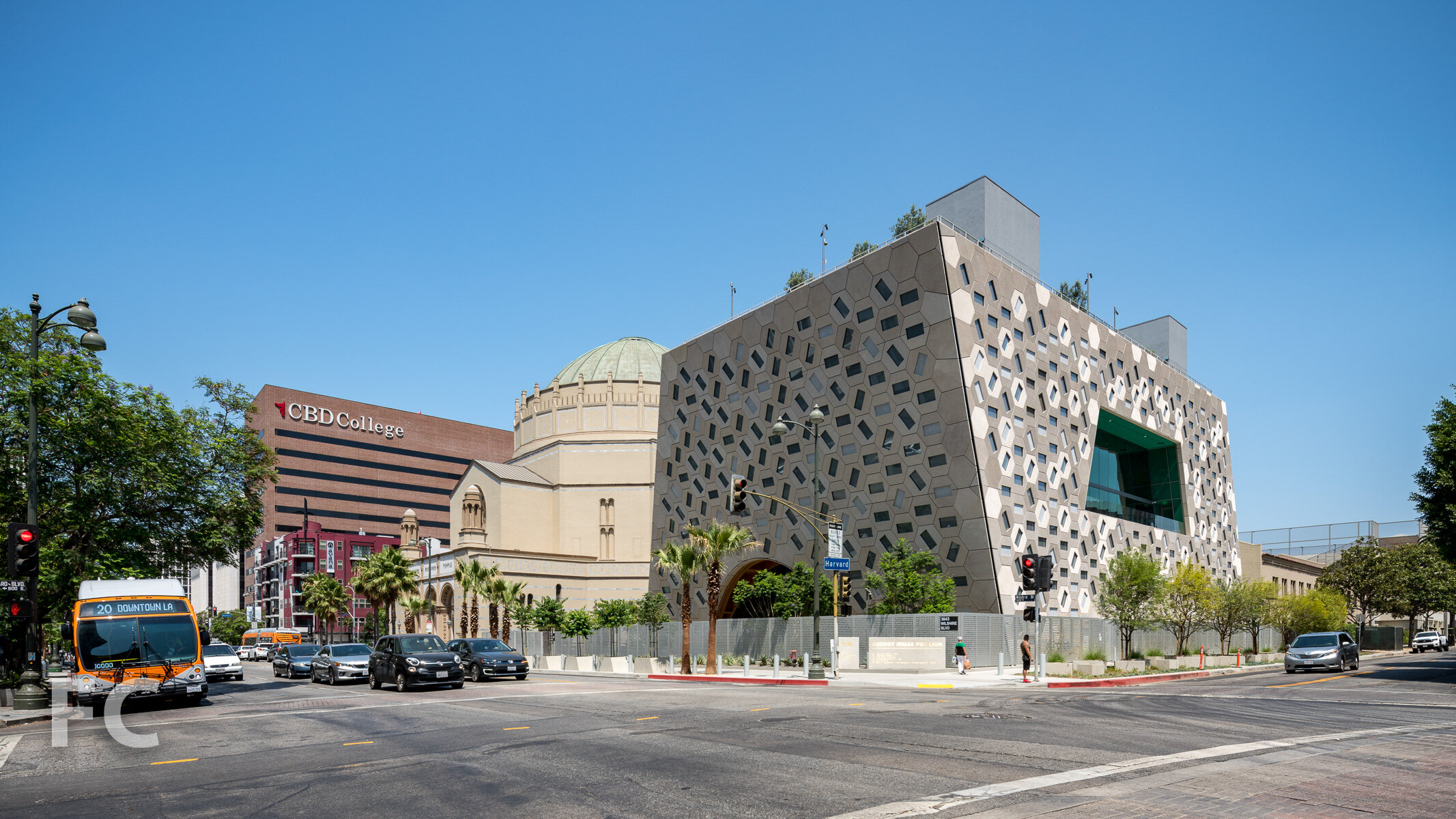
Southwest corner of the temple (left) and the new pavilion (right).
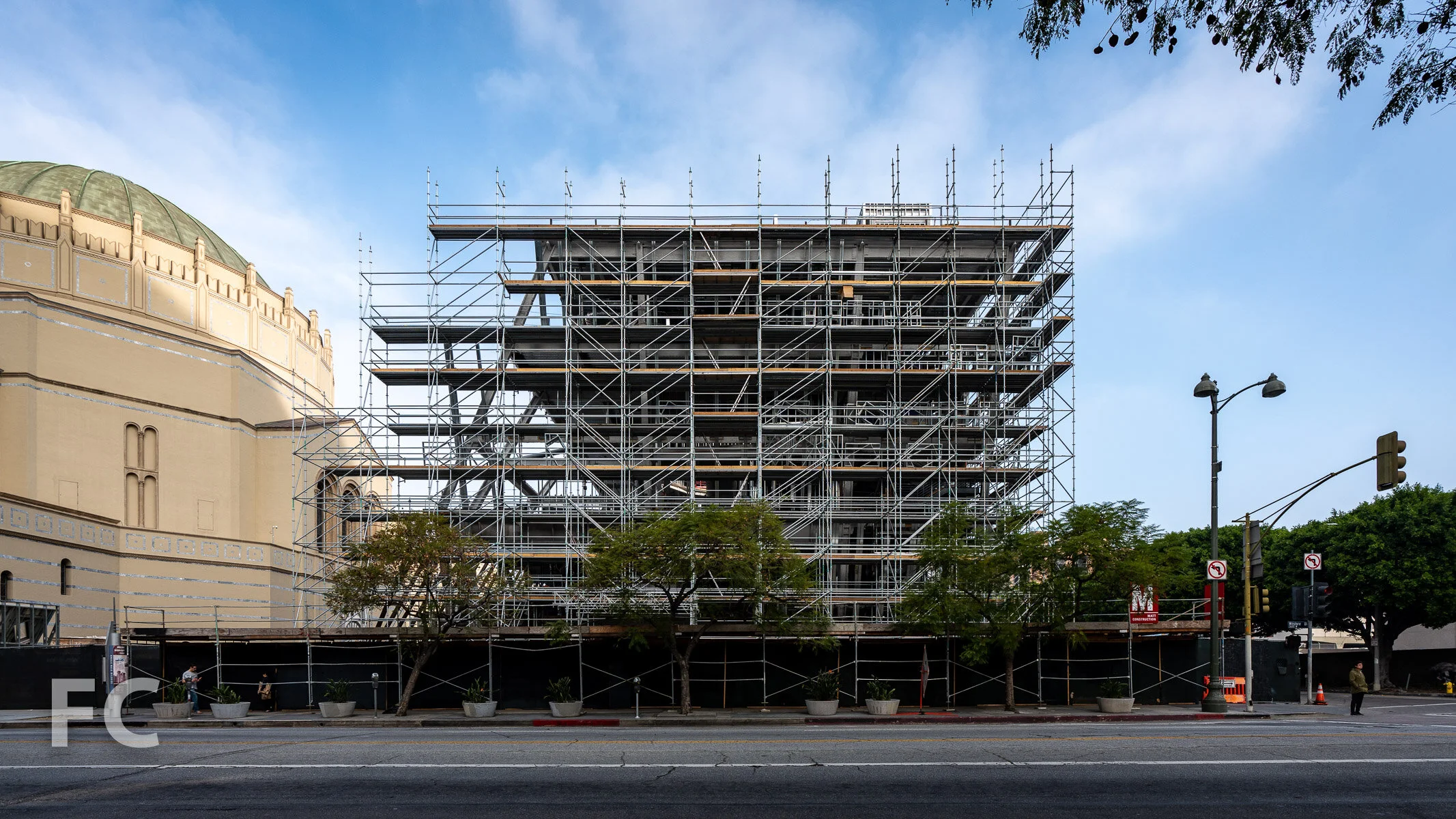
At the corner of Wilshire and Hobart Boulevard sits the Wilshire Boulevard Temple, a worship space for the oldest Jewish congregation in Los Angeles. The Moorish-style building, completed in 1929 by architect Abram M. Edelman, will soon be joined by a new multi-purpose event space for both the congregation and the surrounding city. Designed by Shohei Shigematsu of OMA New York, the Audrey Irmas Pavilion sits adjacent to the 1929 temple in a 5-story trapezoidal form that respects the landmarked building by sloping away from it, opening up a view corridor to the temple’s east facade.
South facade of the temple (left) and the new pavilion (right).
The pavilions trapezoidal massing is punctured by three distinct volumes - a main event space, a smaller multi-purpose room and a sunken garden - that frame views of the temple and the surrounding neighborhood.
Southwest corner of the Audrey Irmas Pavilion.
Exterior cladding for the pavilion pays homage to the temple dome’s octagonal tiling with hexagonal glass fiber reinforced concrete (GFRC) panels. The pavilion is clad in 1280 of these panels, which are approximately five-and-a-half feet tall and weigh 200 pounds. Rectangular windows and louver screens are inset into the hexagons and rotated in a randomized pattern that lends further texture to the facade.


South facade of the Audrey Irmas Pavilion.
The main event space on the ground floor will reference the temple’s iconic dome with its 36-foot tall arced ceiling that spans the entire width of the space. Extending north to south, the arc creates a column free space capable of hosting a variety of programs. A skylight at the ceiling will allow for views of the temple’s dome, continuing the building’s engagement with the existing structure.
Above the main event space, the second floor will offer a chapel, meeting spaces, and a west facing outdoor terrace with views to the existing temple . Offices will occupy the third floor.
Southeast corner of the Audrey Irmas Pavilion.
The fourth floor will serve as the future home of the Wallis Annenberg Center on Purposeful Aging with programming dedicated to wellness, creativity, tech exploration, social connection, community engagement, and financial security.
A sunken garden extends vertically through the pavilion floors up to the roof, furthering the vertical connection of space with circular and semi-circular slab openings. The roof terrace will feature numerous planters and olive trees

Architect: OMA New York (Design Architect), Gruen Associates (Executive Architect); Structure, MEP, Facades: Arup; Landscape Architect: Studio-MLA; Performance Space Consultants: Theatre DNA; Signage and Graphic Design: Space Agency; Civil Engineering: Rhyton Engineering; Lighting: L'Observatoire International; Client: Wilshire Boulevard Temple; Program: ; Location: Koreatown, Los Angeles, CA; Completion: Mid 2021.


CUMC Vagelos Education Center
Looking west on West 171st Street.
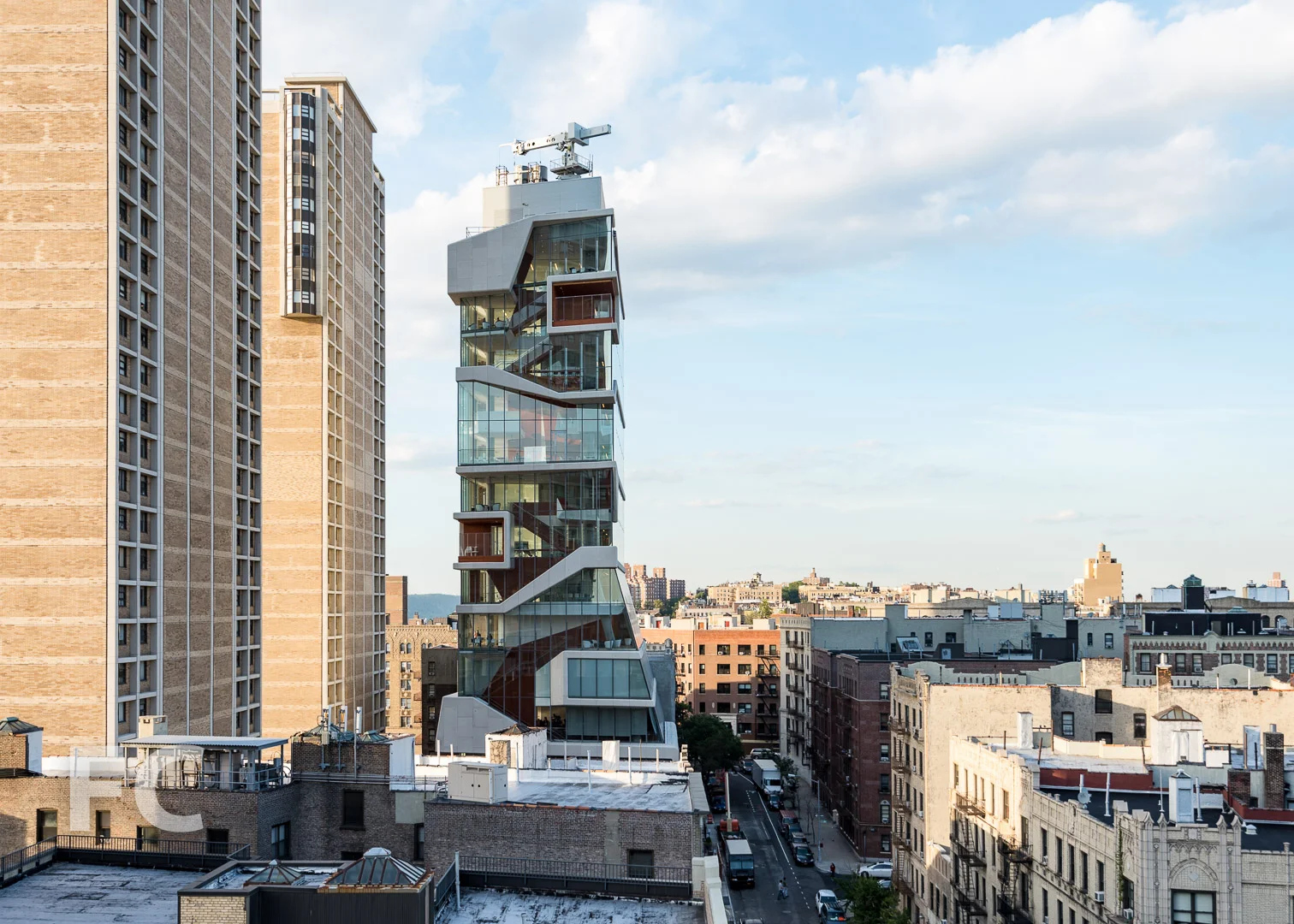
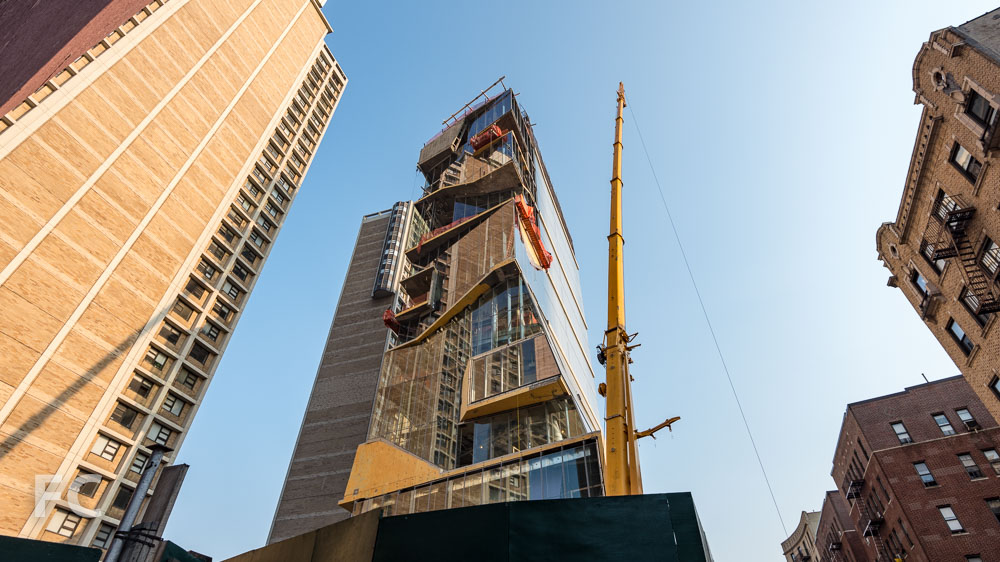
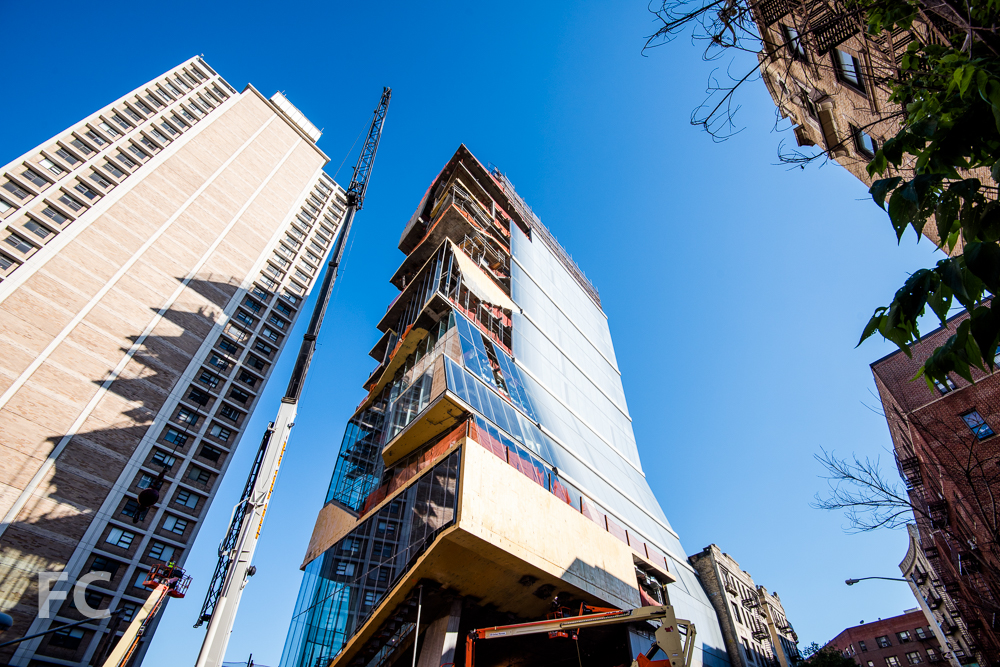
New York's latest, high-profile education building has opened on the campus of Columbia University Medical College in Washington Heights. Designed by Diller Scofidio + Renfro with Gensler, the 14-story Roy and Diana Vagelos Education Center houses classroom, simulation and training facilities for the college.
Close-up of the "Study Cascade" at the southeast corner.
Southeast corner from Haven Avenue.
Looking up at the east facade from Haven Avenue.
The building's iconic feature is the "Study Cascade," a south facing 14-story space, connected by a grand stair, with a variety of indoor spaces for individual and group interaction, outdoor rooms and terraces that foster collaborative learning amongst students and faculty. With the "Study Cascade" DS+R has sought to subvert the normative medical building typology by rethinking its circulation strategy, which the studio has focused on in a wide range of projects over the past few decades.
The "Study Cascade" at the south facade.
Southwest corner of the "Study Cascade."
GFRC paneling and Douglas fir wood clad the solid forms of the "Study Cascade," while the transparency of floor-to-ceiling glass with glass fin supports allows for open views of Manhattan and the Hudson River.
Close-up of the "Study Cascade" at the south facade.
West facade.
Looking up at the west facade.
Looking southeast from an outdoor terrace on the 13th floor.
View south from an outdoor terrace.
Grand stair at the lobby.
Architects: Diller Scofidio + Renfro with Gensler; Structural Engineer: Leslie E. Robertson Associates (LERA); Program: Education; Location: Washington Heights, New York, NY; Completion: 2016.


VIA 57 WEST at 625 West 57th Street
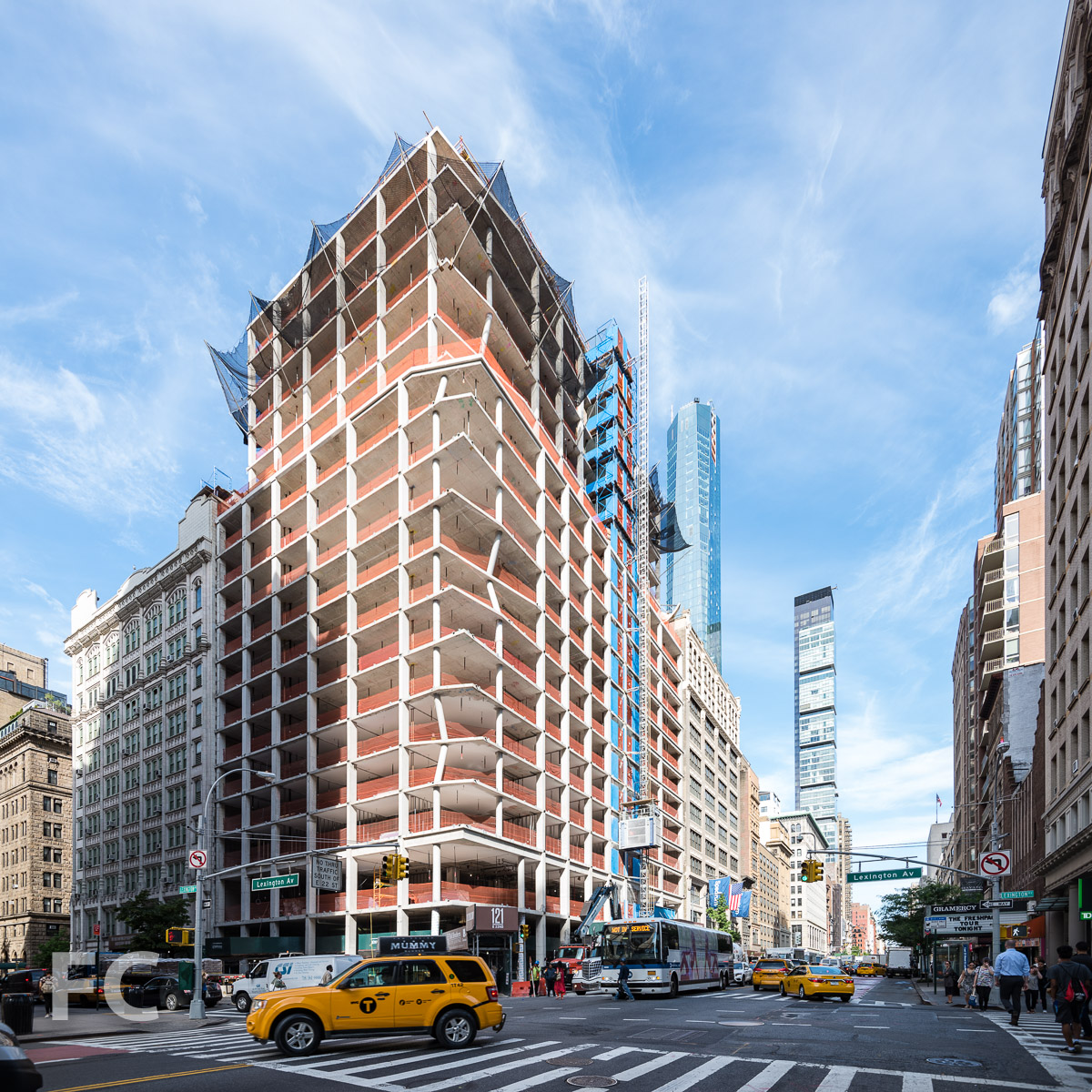
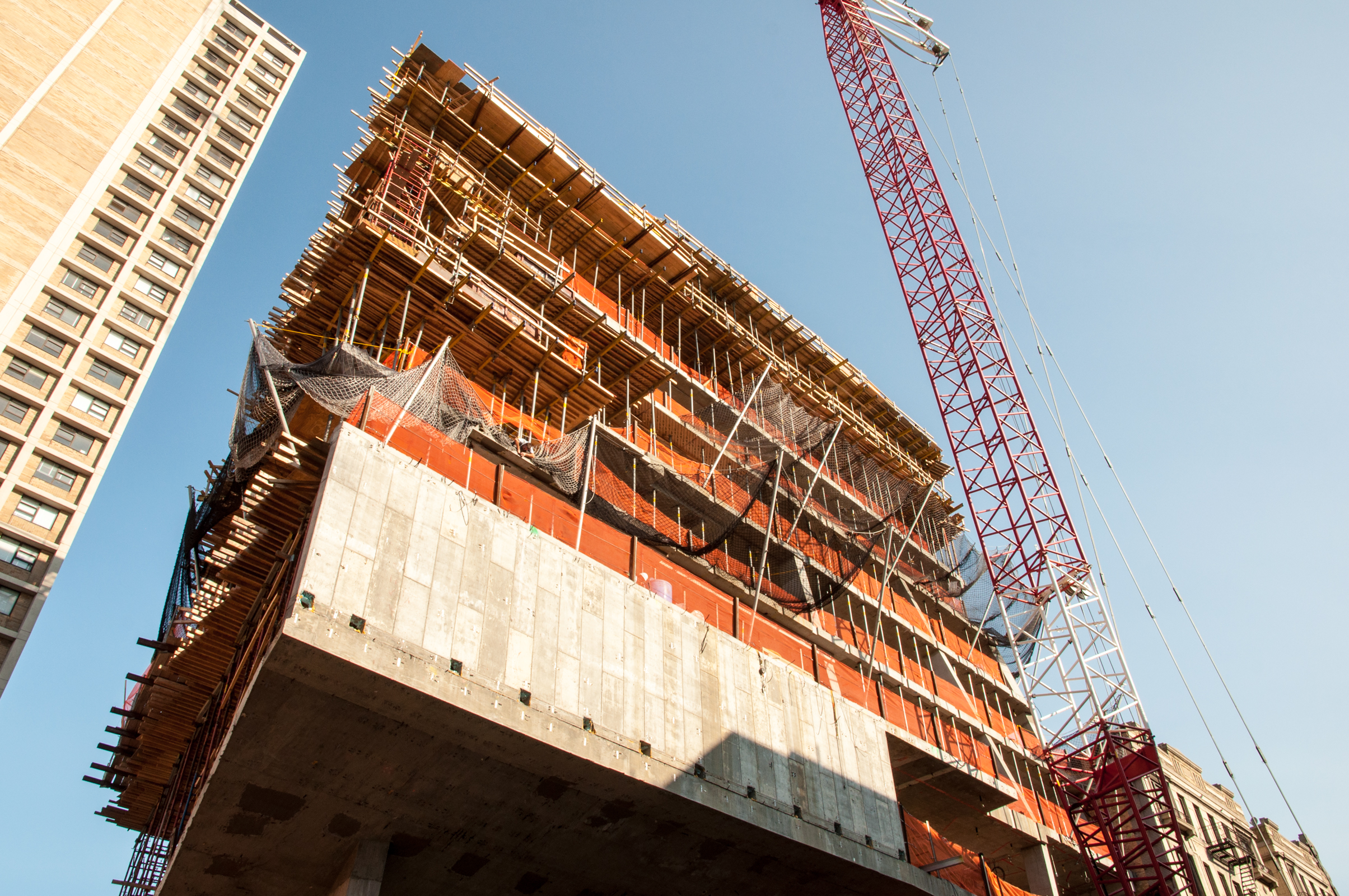
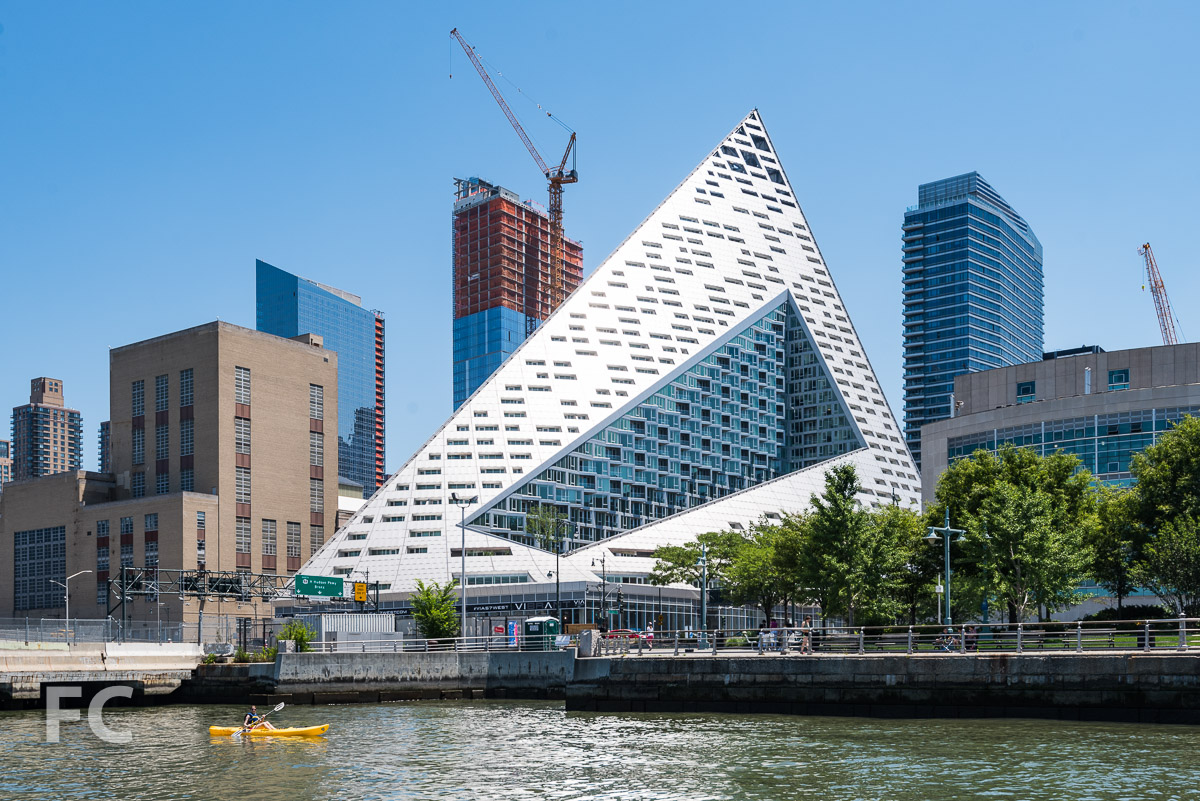
Construction is wrapping up at the Durst Organization's VIA 57 WEST on the Hudson River waterfront. Designed by Bjarke Ingels of BIG, the 470-foot-tall "courtscraper" includes 709 residential rental units and 45,000-square-feet of commercial retail space. Renters began to move in this past spring and now the building's amenities have opened, with the branding of VIA Garden, VIA Social, and VIA Fit.
VIA Garden
Designed by Starr Whitehouse, the building's 22,000-square-foot courtyard features native plants and trees, along with seating and an outdoor grilling area.
Looking west from the courtyard entrance.
Looking up from the courtyard.
The courtyard's winding brick path and newly planted trees.
Organic bench seating in the courtyard.
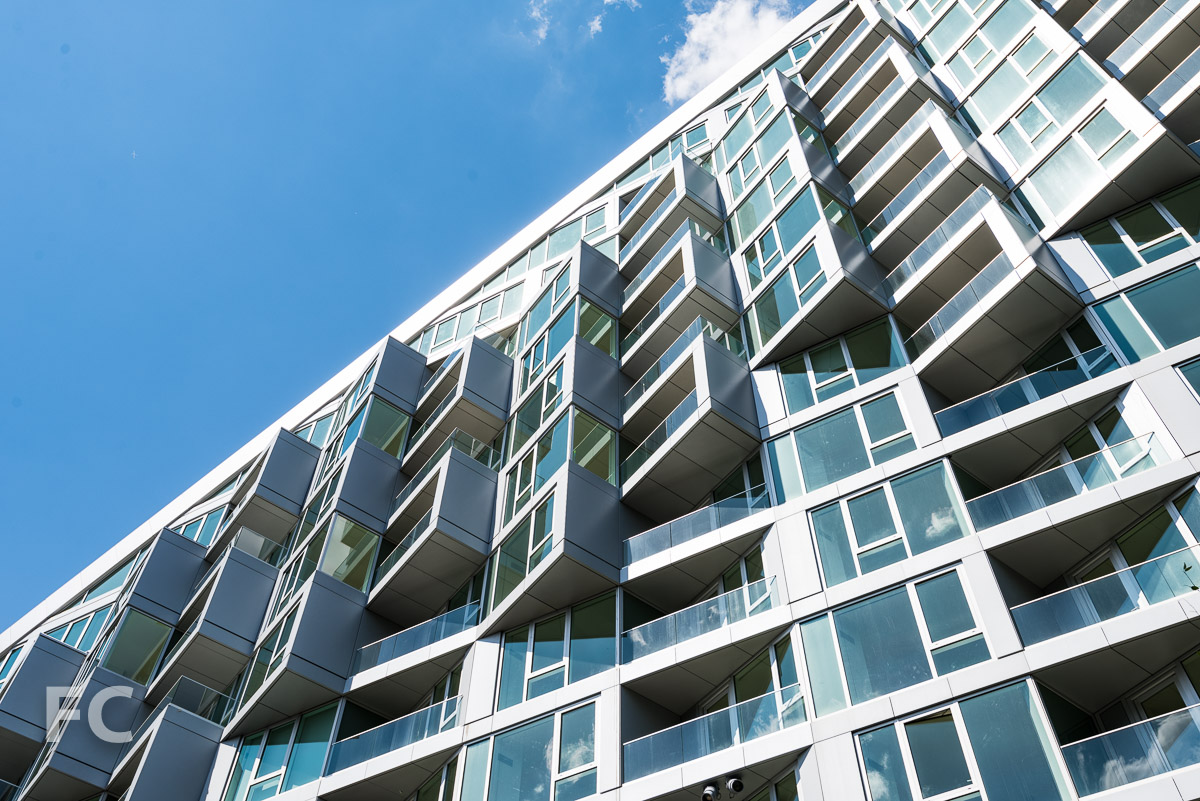
Looking east from the western edge of the courtyard.
Hudson River view from the western edge of the courtyard.
Hudson River view from the western edge of the courtyard.
VIA Social: East Resident Lounge
East resident lounge seating with a view of Stephen Glassman Studio's "Flows Two Ways."
Detail of Stephen Glassman Studio's "Flow Two Ways."
VIA Social: West Resident Lounge
VIA Social: Poker Room
Poker room.
Poker room.
VIA Fit
Indoor half basketball court.
Indoor half basketball court.
Developer: The Durst Organization; Architect: BIG (Design Architect), SLCE Architects (Architect of Record); Engineer: Thornton Tomasetti Group Inc.; Exterior Wall: Enclos Corp.; Landscape Architect: Starr Whitehouse Landscape Architects; Program: Residential, Retail; Location: Hell's Kitchen, New York, NY; Completion: 2016.
71 Laight Street - The Sterling Mason
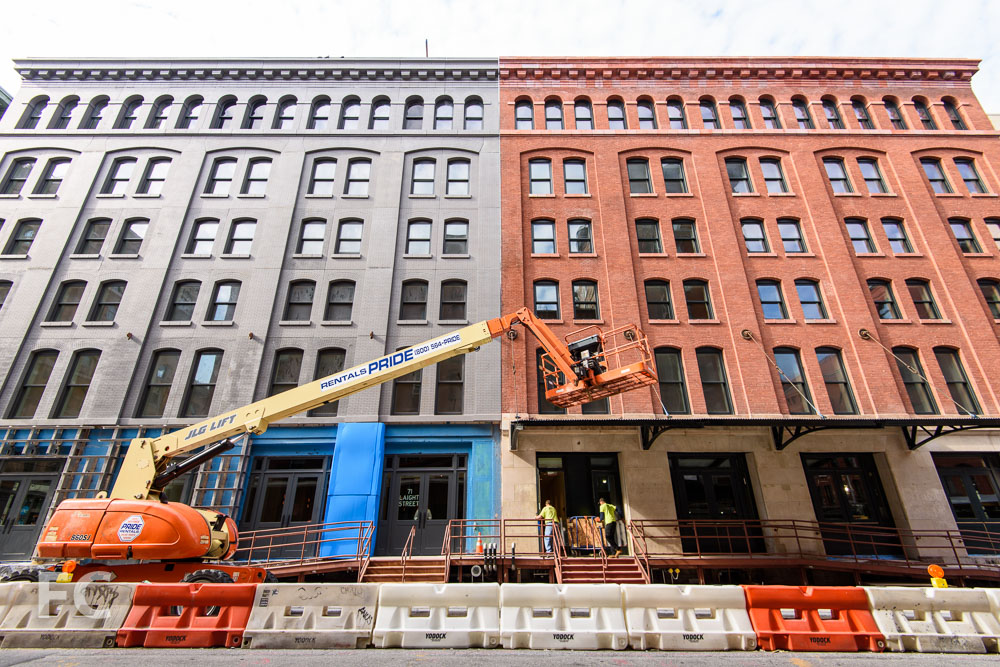
Façade installation has reached substantial completion at Taconic's The Sterling Mason in the Tribeca neighborhood. Designed by Morris Adjmi Architects, the project consists of an existing six-story coffee and tea warehouse structure built in 1905, with a new structure fronting on Greenwich Street. The existing building is clad in red brick and terracotta, while the new structure is clad in an aluminum prefab panel skin with a plasma finish that emulates a brick façade. The renovation and neighboring addition will bring 32 condo units to this rapidly growing neighborhood.
Northeast corner from Greenwich Street.
East façade from Greenwich Street.
Closeup of the northeast corner from Greenwich Street.
North façade from Laight Street.
Northwest corner from Washington Street.
West façade from Washington Street.
Closeup of the north façade.
Southeast corner of 408 Greenwich (center) and the Sterling Mason (right).
Architects: Morris Adjmi Architects; Interiors: Gachot; Landscape Architect: Deborah Nevins & Associates; Developer: Taconic Investment Partners; Program: Residential; Location: Tribeca, New York, NY; Completion: 2016.