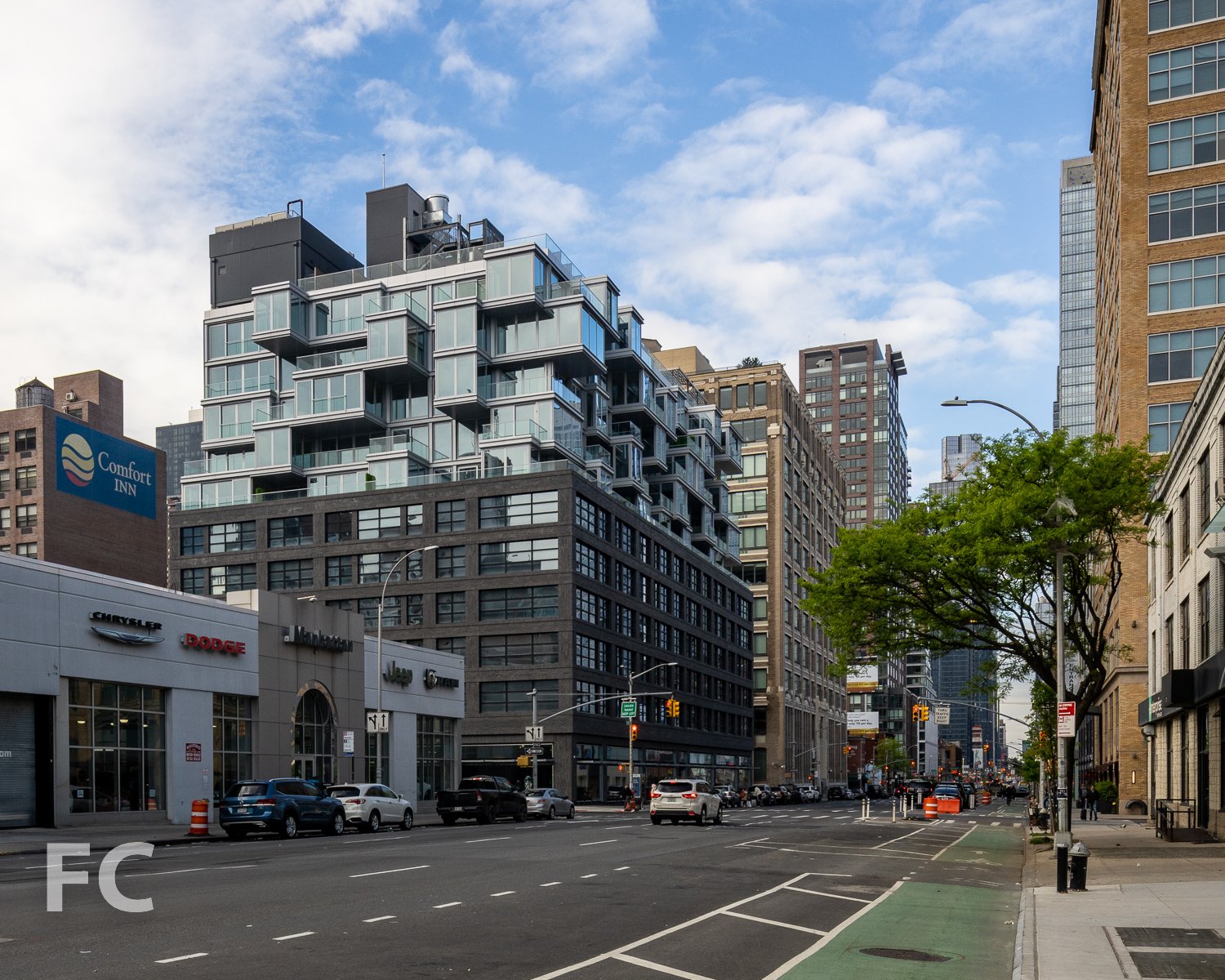
547 West 47th Street - The West Residence Club
Concrete · Hell’s Kitchen · 2022
Southwest corner from 11th Avenue.
Construction has wrapped up at residential condo building 547 West 47th Street in Hell’s Kitchen from CB Developers, SK Development, and Ironstate Development. Designed by Amsterdam-based architecture firm Concrete, the project features a more solid 6-story base with a glassy eroded 5-story volume above.
Northwest corner from 11th Avenue.
Southwest corner of the upper half.
The building’s lower half is clad in 615,000 pounds of hand-laid gray brick and punch window facade that nods to the neighborhood’s industrial past. Concrete worked with Amsterdam company StoneCycling to design a custom brick made from at least 60% recycled building waste, including roof tiles and toilet bowls, in 42 different shapes and sizes.
Close-up of the podium’s brick facade.
Residential entry from West 47th Street.
Close-up of the gate at the residential entry.
Residential Lobby
Residential lobby featuring the recycled waste brick from the exterior facade.
Amenities
Residents have access to The West Residence Club, a 30,000 square feet collection of amenities that includes a rooftop pool, sundeck, outdoor lounge, grilling stations, indoor/outdoor fitness center by The Wright Fit, yoga and pilates studio, pet spa and rooftop dog run, rentable hotel suites for guests, private dining room with chef’s kitchen, double height lobby lounge, and a glasshouse library with fireplace.
Glasshouse library.
Fitness center.
Outdoor lounge.

Rooftop pool deck.
Model Residences
Residences range in size from studios to 3-bedroom apartments and feature natural oak flooring, high ceilings, and large industrial style windows at the lower half or modern window wall at the upper half. Kitchens feature custom cabinetry, marble countertops and backsplashes, and Bosch and Miele appliances.
Architect: Concrete (Design Architect) with Ismael Leyva Architects (Executive Architect); Developer: CB Developers, SK Development, Ironstate Development; Program: Residential Condo; Location: Hell’s Kitchen, New York, NY; Completion: 2022.
Construction Update: NYPD 40th Precinct
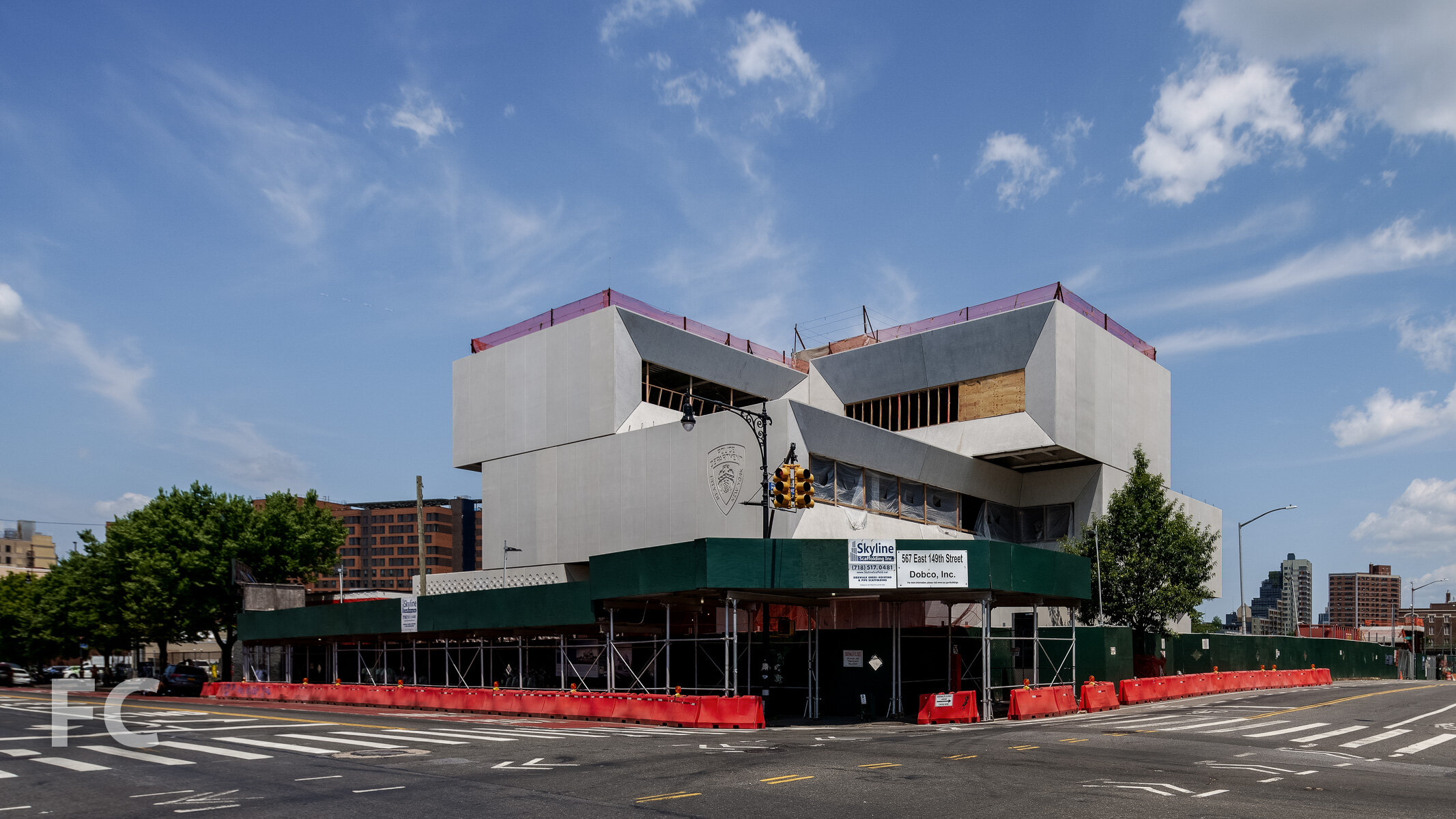
East facade from St Ann’s Avenue.
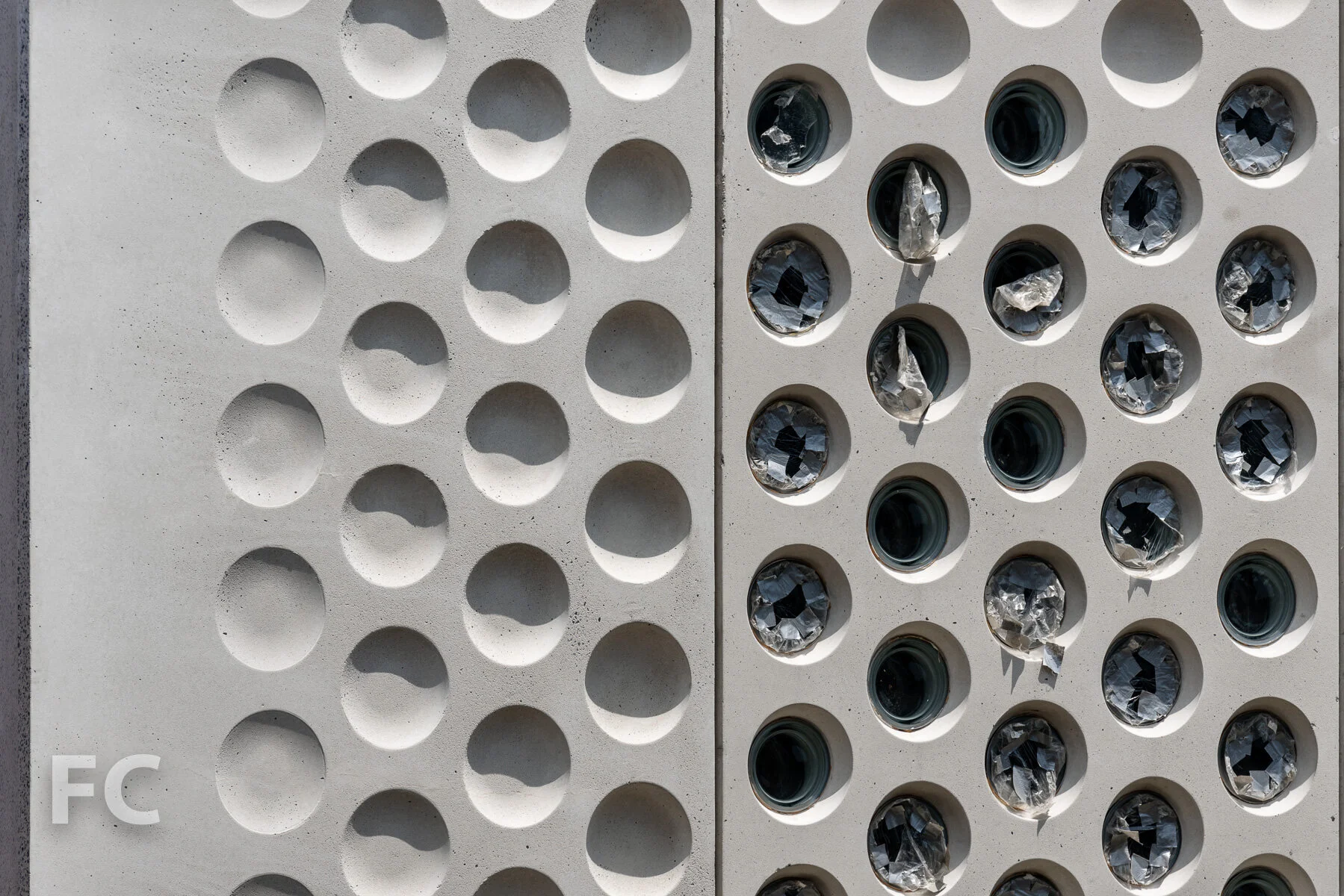
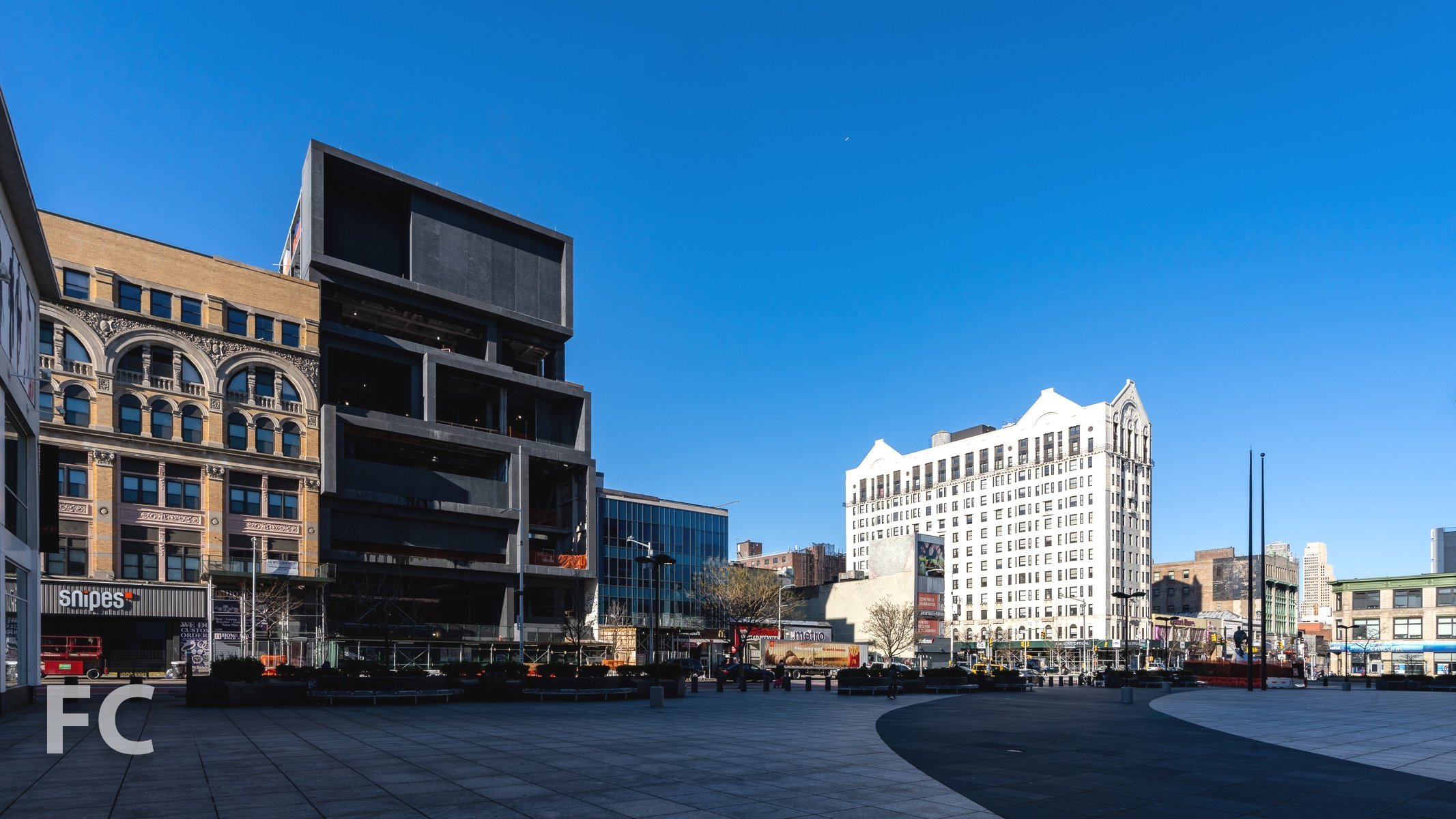
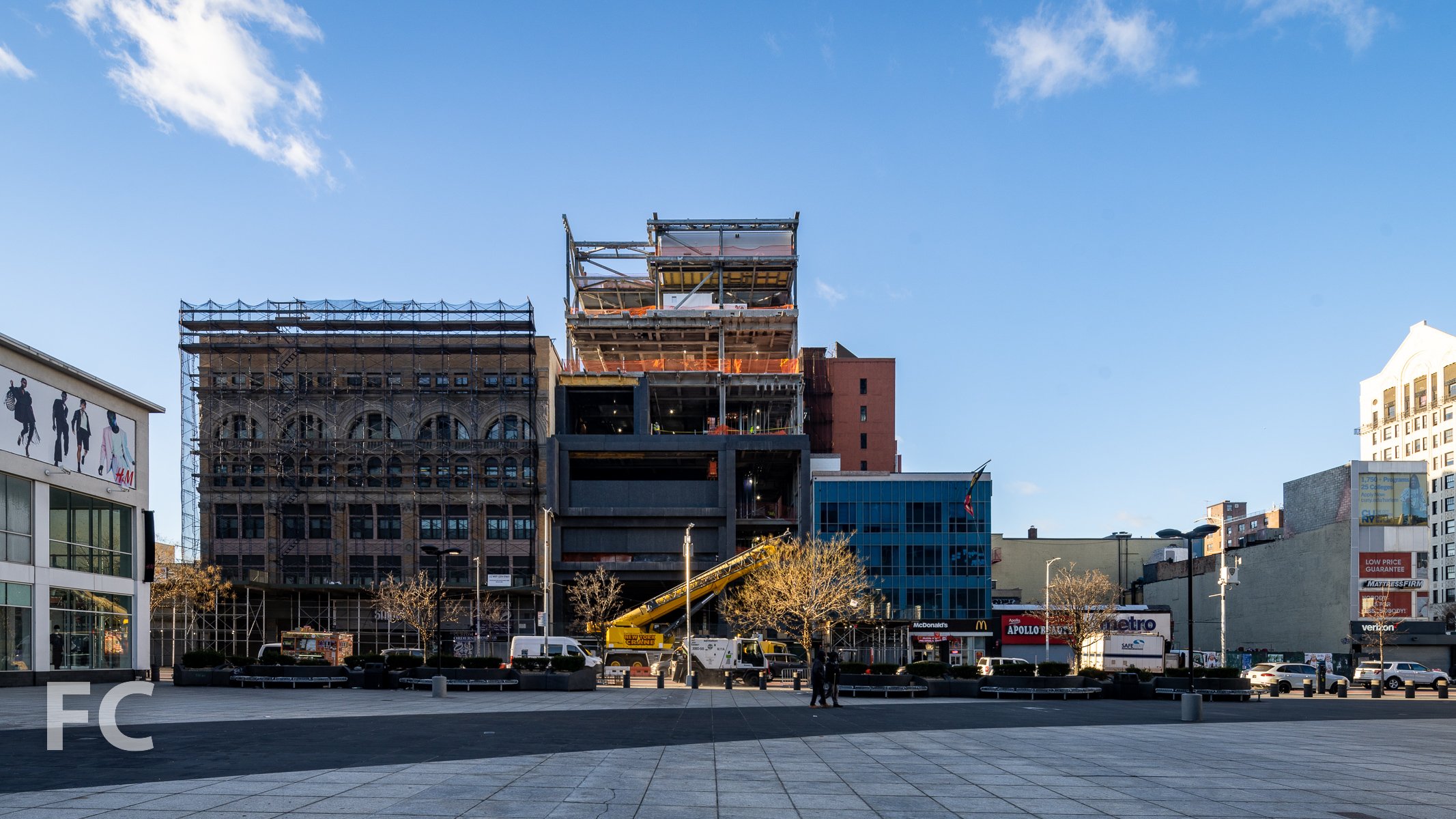
Construction is ongoing at the new 40th Precinct Station for the NYPD in the Melrose neighborhood of the Bronx. Designed by the Bjarke Ingels Group (BIG), the massing features stacked boxes, each housing a different program element for the 43,500 square foot precinct. The facade is clad in sandblasted concrete and large rectangular windows at either end of the stacked volumes. Program includes a community meeting room at street level, exercise courtyard with training areas, and the first ever green roof for an NYPD station.
Northeast corner.

Northeast corner.

Southeast corner from East 149th Street.
Close-up of the southeast corner of the facade.
South facade from East 149th Street.

Architect: Bjarke Ingels Group; Client: NYC Department of Design and Construction; Location: Melrose, Bronx, NY; Completion: 2024.




Construction Update: 98 Front Street
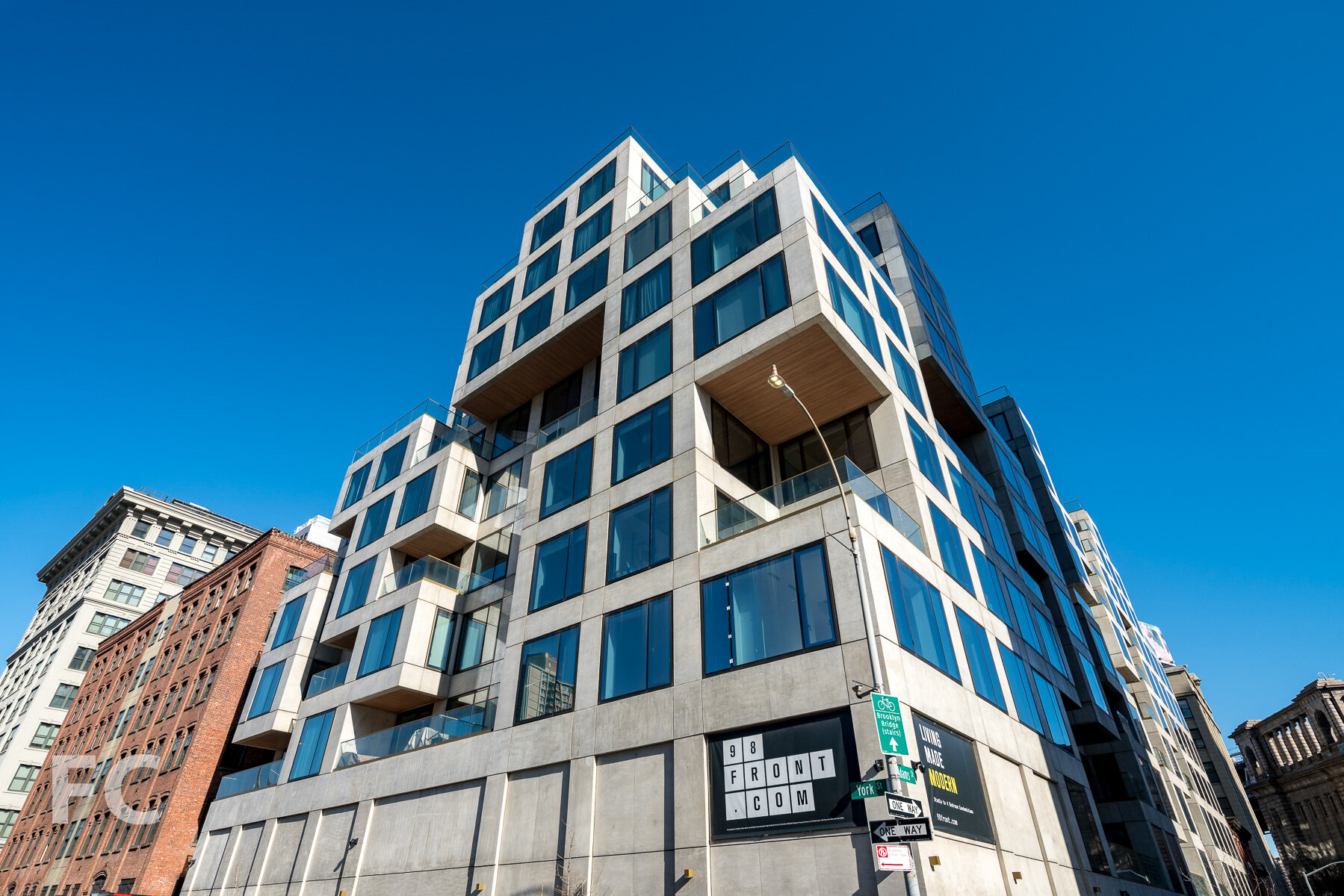
Southeast corner from York Street.
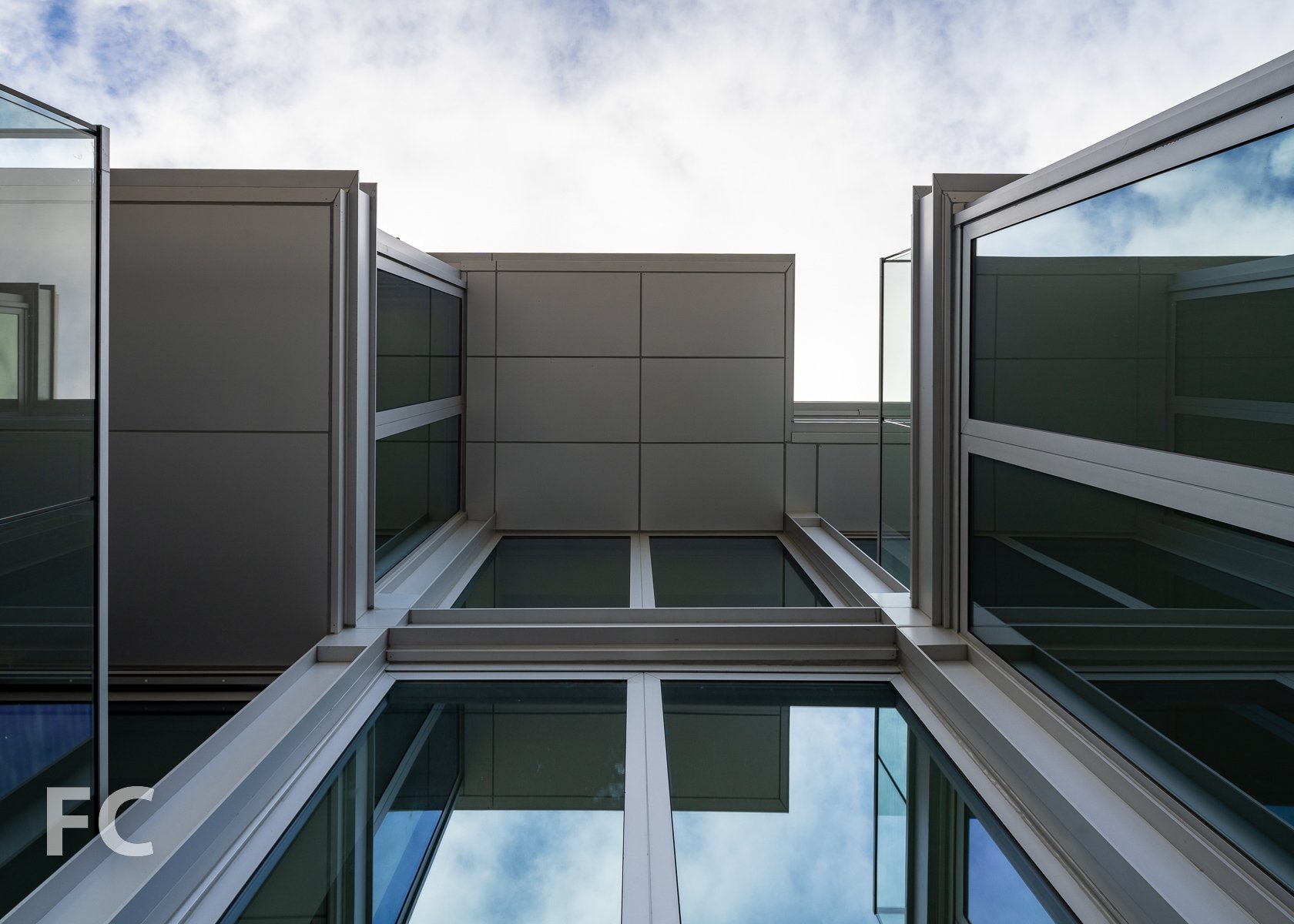
Construction has wrapped up at Hope Street Capital’s 98 Front Street residential building in the DUMBO neighborhood of Brooklyn. Designed by ODA New York, the 10-story building features the firm’s signature eroded massing in the form of poured in place concrete and square proportioned punch windows. This massing strategy allows for outdoor space in the form of terraces and void spaces throughout.
Looking up at the south facade from York Street.
Residents have access to a collection of amenities that includes a double height lobby and mailroom, residents lounge, co-working space, 7,000 square feet landscaped rooftop terrace, fitness center, indoor salt water pool and spa, steam room, children’s playroom, and bike storage.
South facade detail.
South facade.
Residential entry canopy.
Looking up from the residential entry canopy.
Residential lobby and mail room.
Mail room looking out onto a courtyard reflecting pool.
Residents lounge and co-working space.
Residents lounge.
Indoor salt water pool.
Steam room.
Looking up from the courtyard.
Rooftop Amenities
Looking north towards Lower Manhattan from the rooftop terrace.
Rooftop fitness area.
Looking down on the courtyard reflecting pool.
Model Residences
Residential units feature custom 8’8” tall Alumil windows in triple or quadruple panes for sound attenuation, white oak hardwood flooring, and Scandinavian-inspired kitchens with white oak wood cabinetry, Corian countertops, and Bosch appliances. Bathrooms include custom sinks with floating oak shelving, brushed nickel fixtures by AF New York, and large format Nordic Blanco tiles.
Architect: ODA New York; Developer: Hope Street Capital; Program: Residential, Community Facility; Location: DUMBO, Brooklyn, NY; Completion: 2020.
Construction Update: 1245 Broadway
Northeast corner from Broadway.
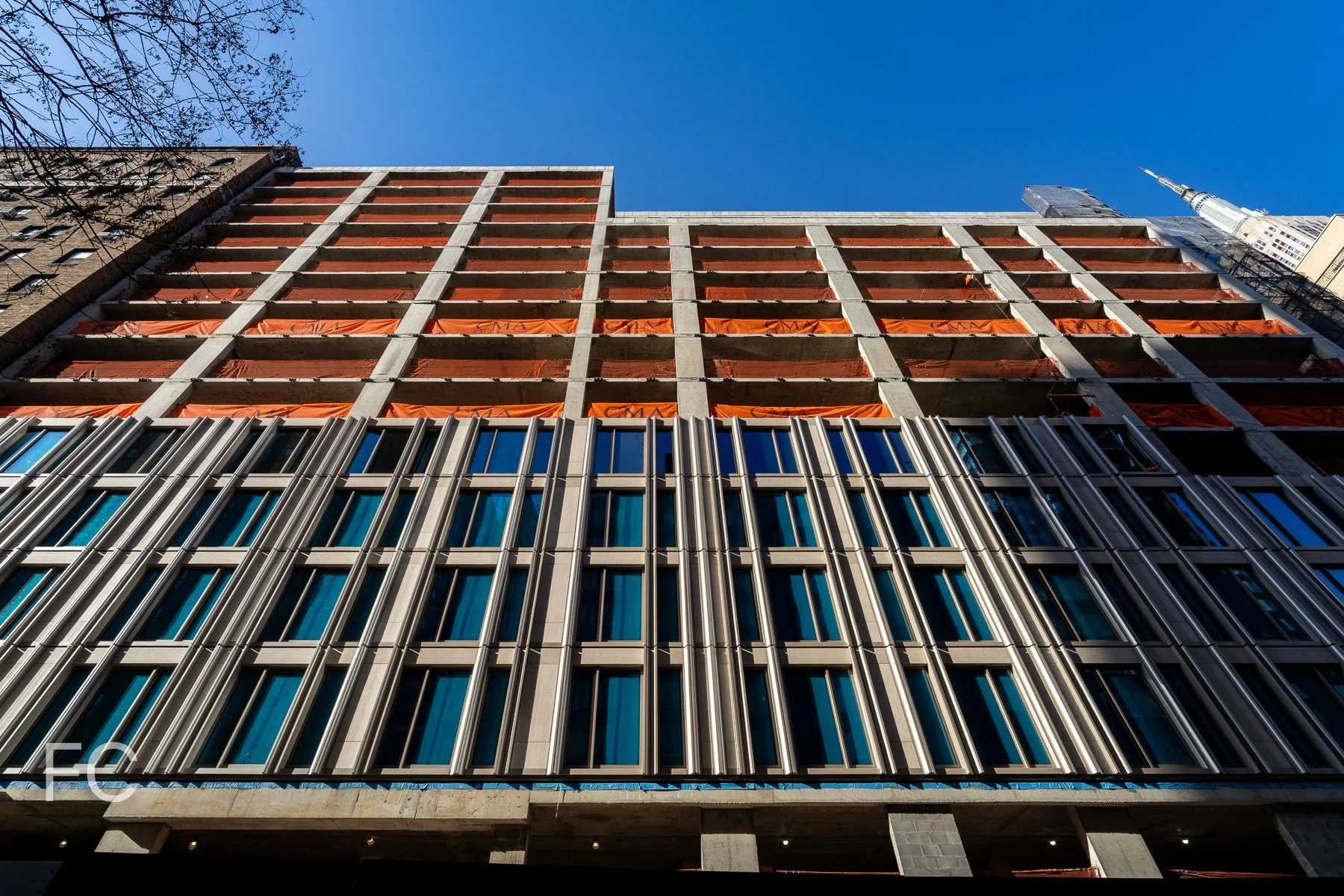
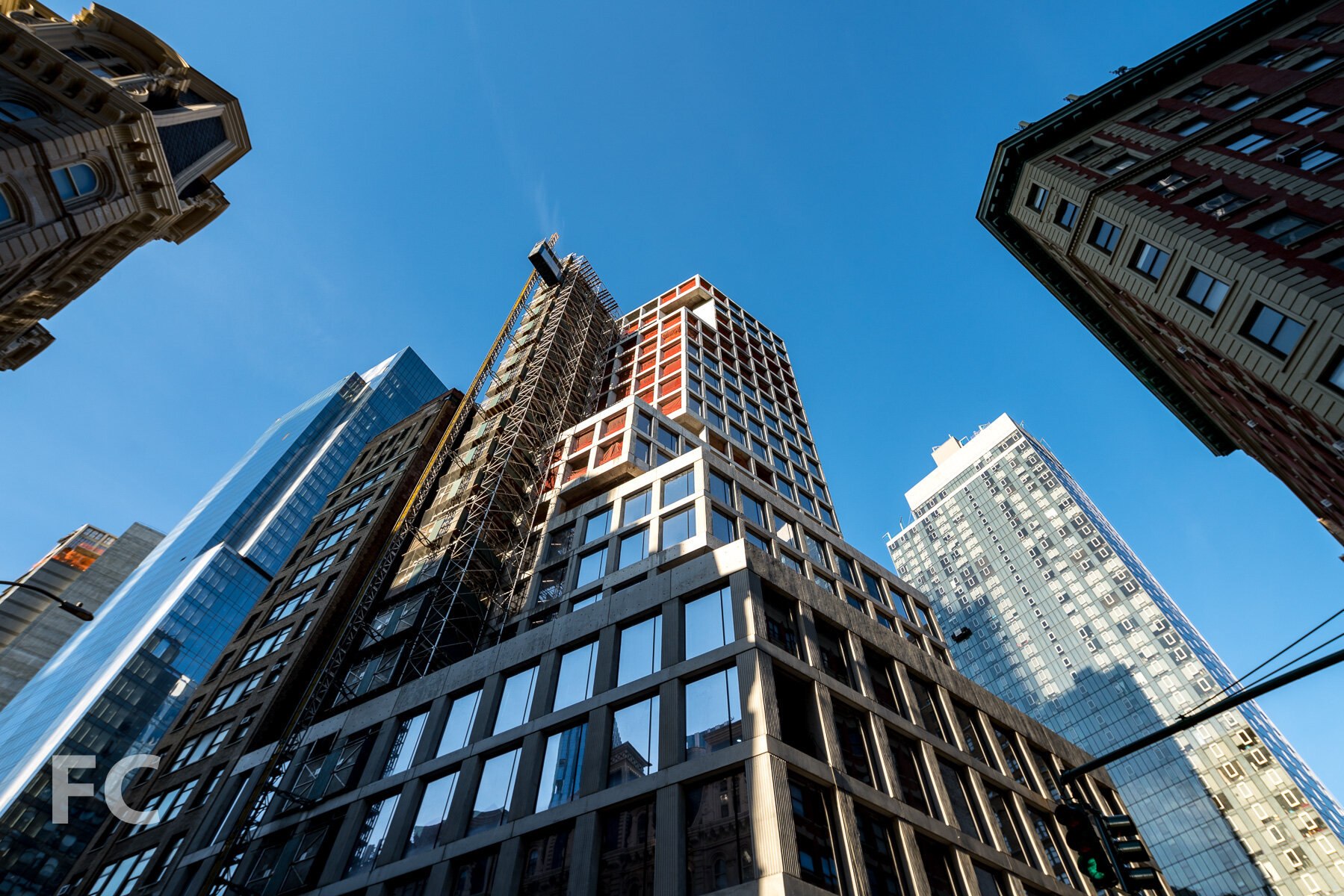
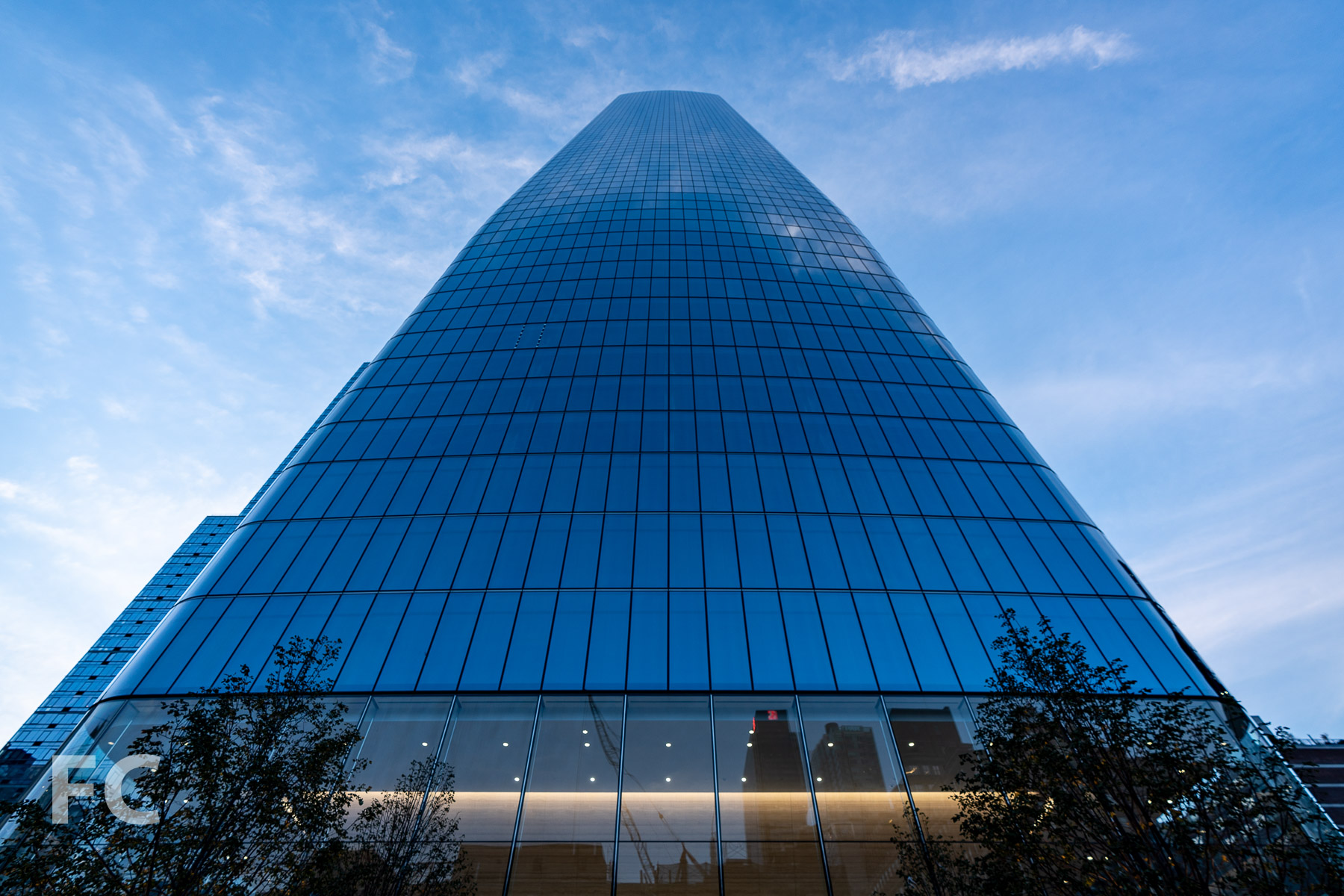
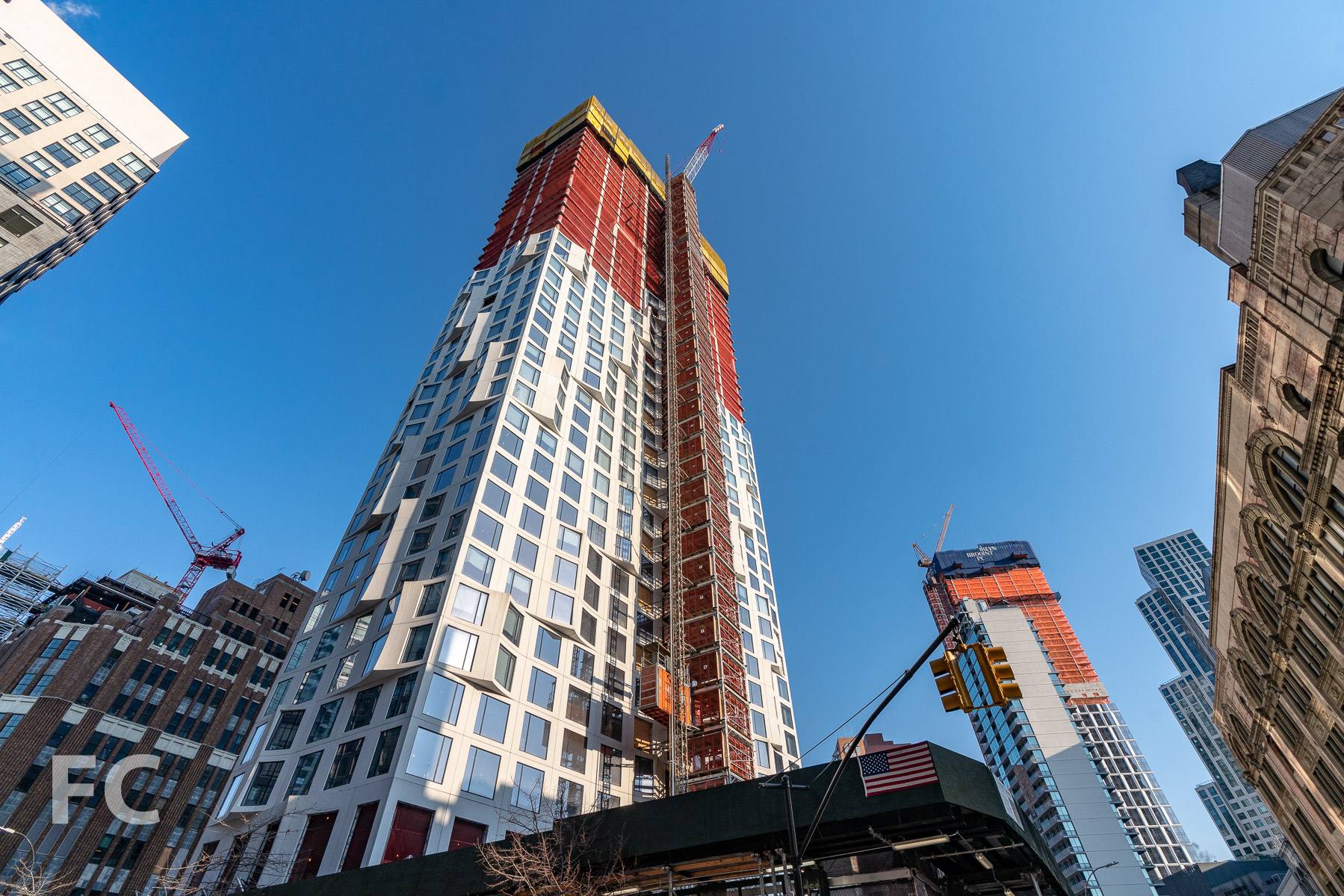
Superstructure has topped out and window installation is ongoing at GDSNY’s 23-story class A boutique office tower at 1245 Broadway in the NoMad neighborhood of Manhattan. Designed by Skidmore Owings & Merrill (SOM), the office tower’s massing features four setbacks as it ascends, with carve outs that allow for large terraces at each location. The tower’s gridded facade features an exposed textured architectural concrete superstructure and floor to ceiling triple paned windows.
Looking up at the northeast corner.
Close-up of the northeast corner of the lower tower with windows installed.
Northeast corner from West 31st Street.
Looking up at the east facade.
Architect: Skidmore Owings & Merrill (SOM); Developer: GDSNY; Program: Office, Retail; Location: NoMad, New York, NY; Completion: 2021.
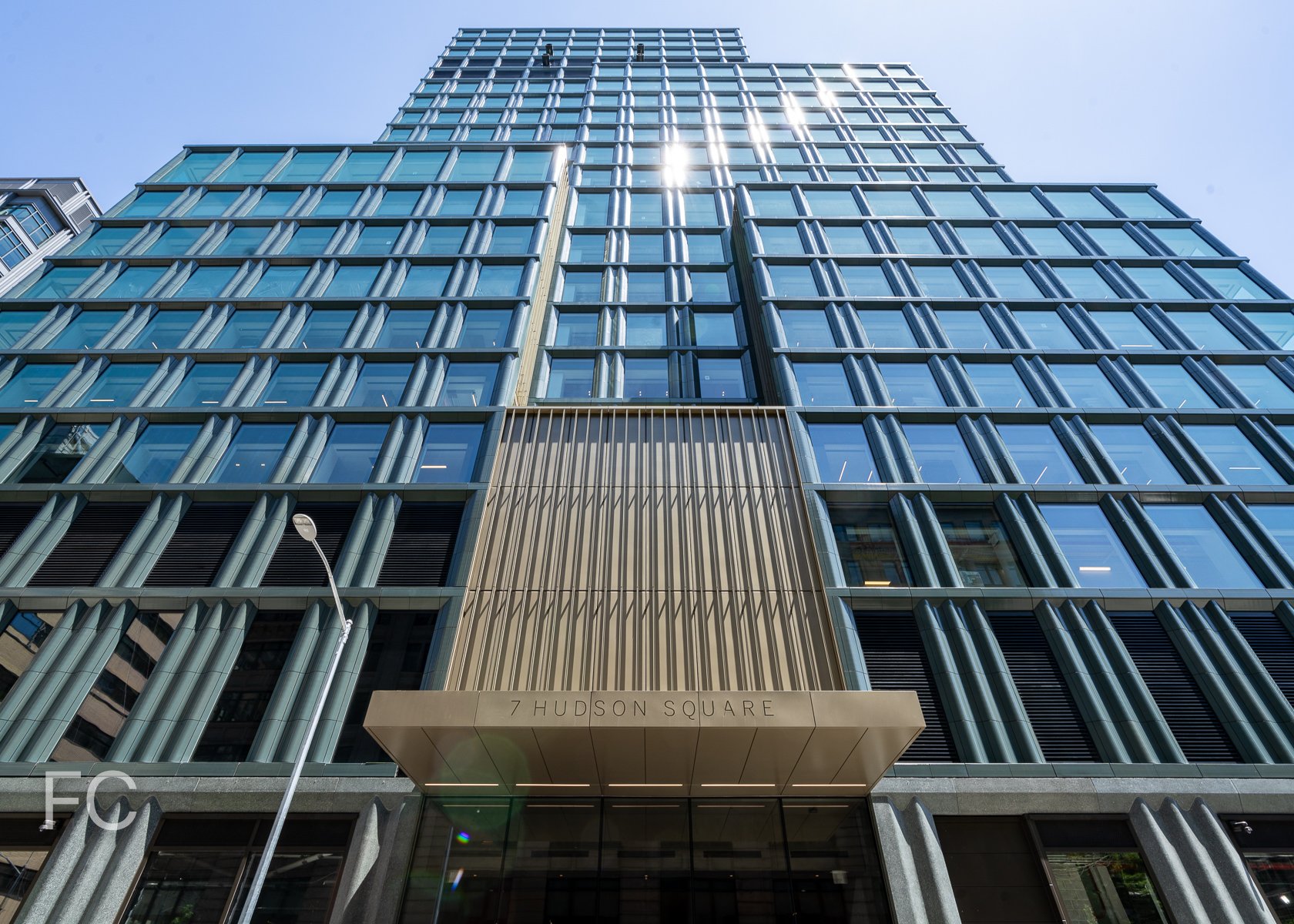
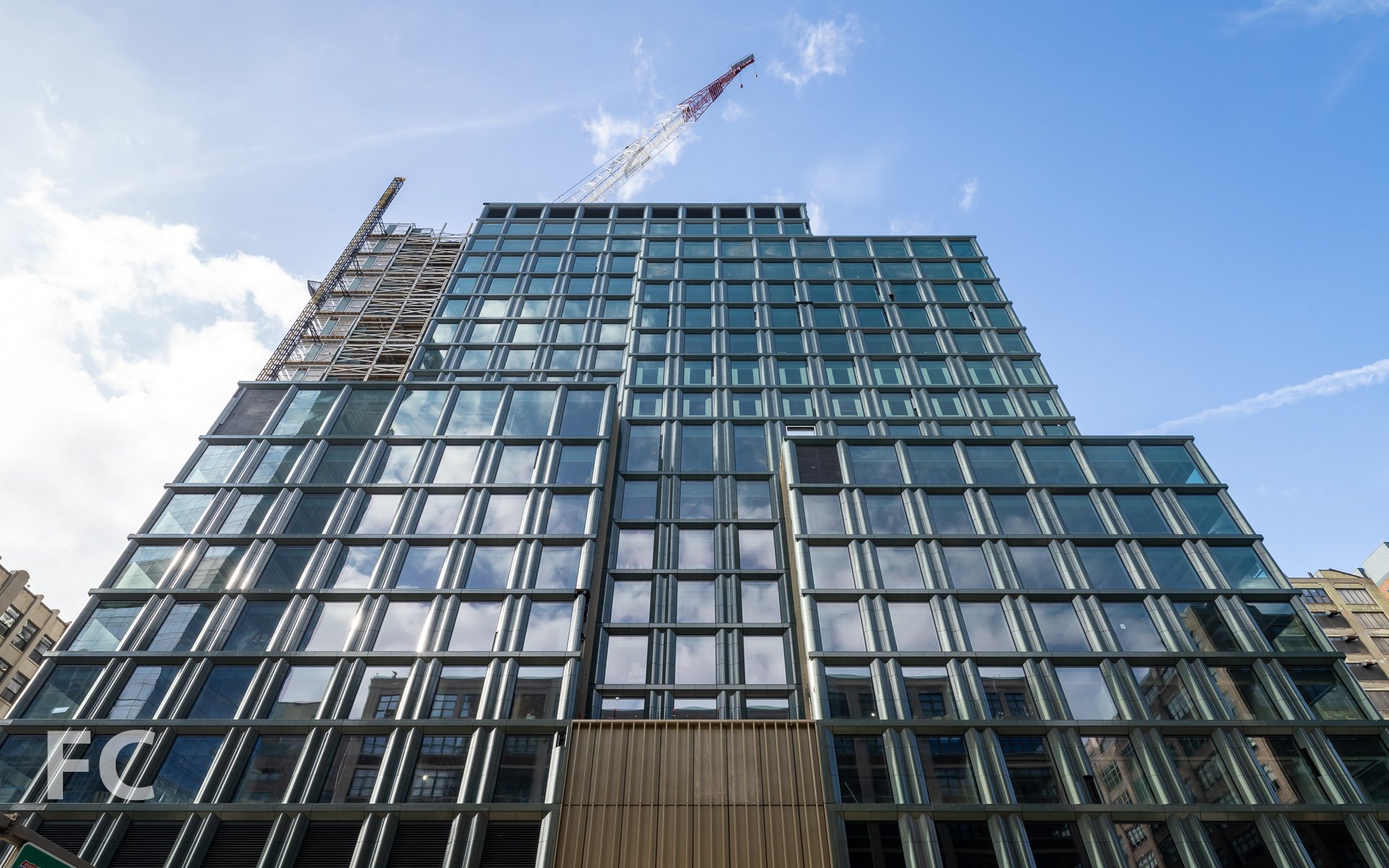
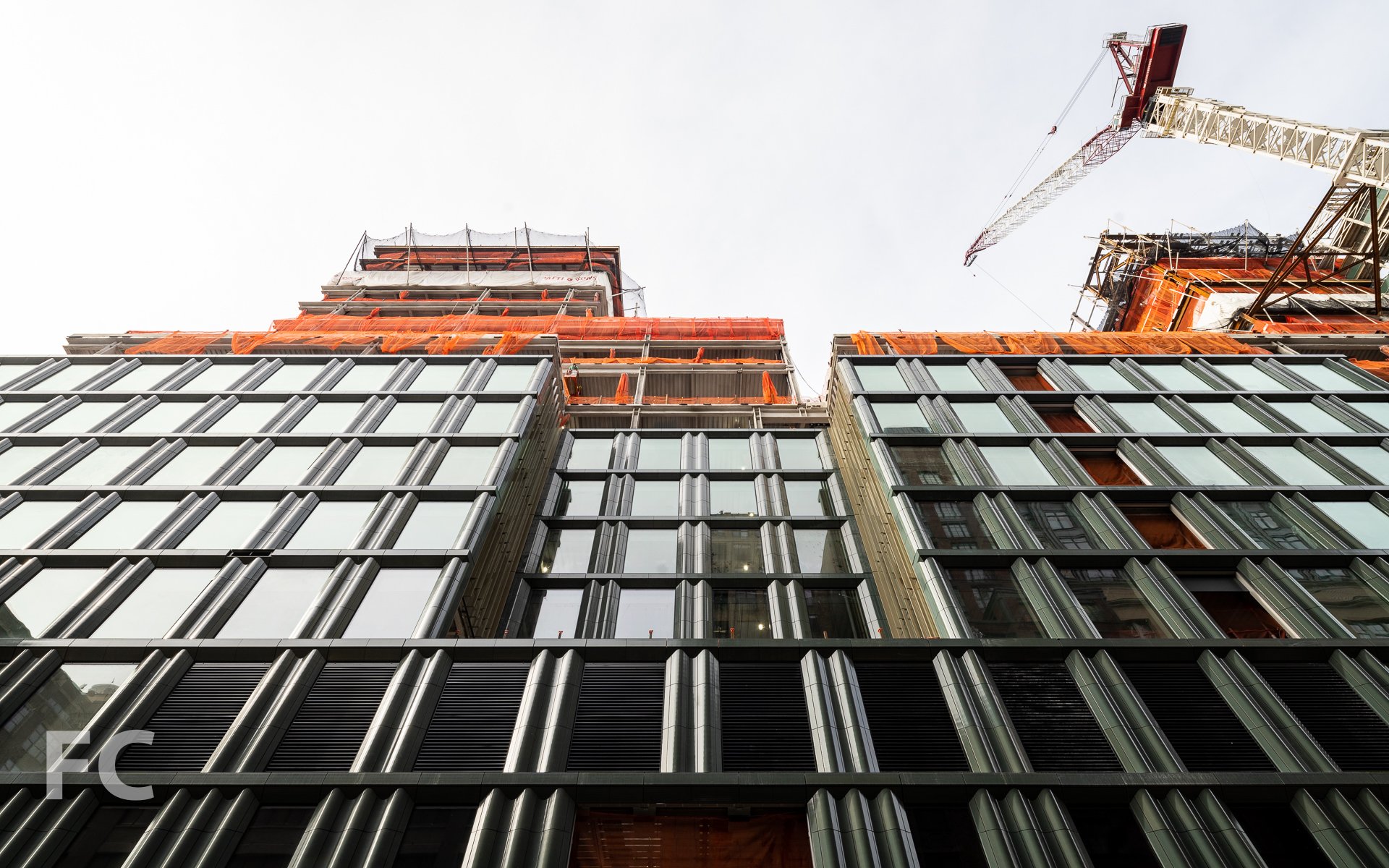
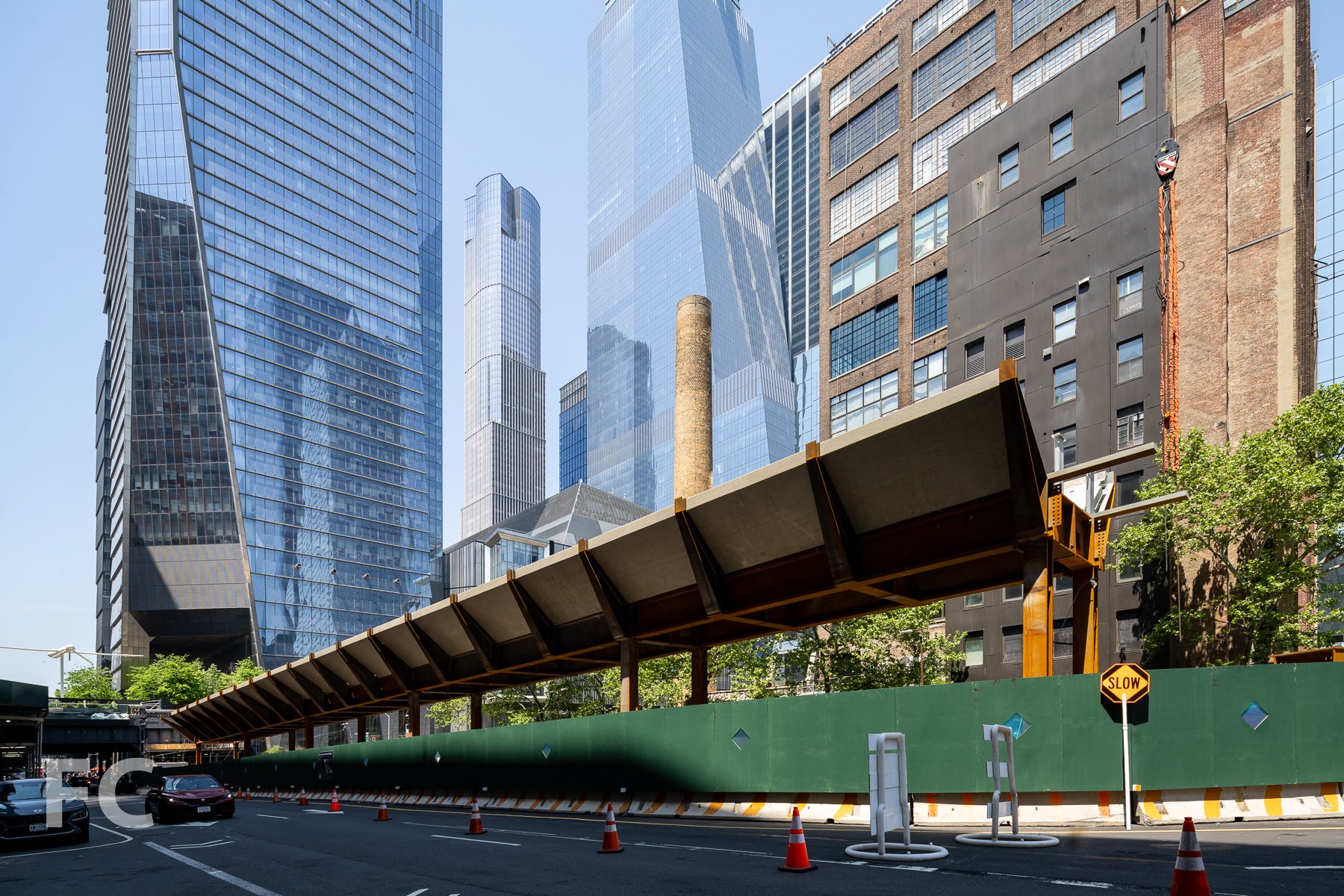


Construction Update: 1245 Broadway
Northeast corner from Broadway.
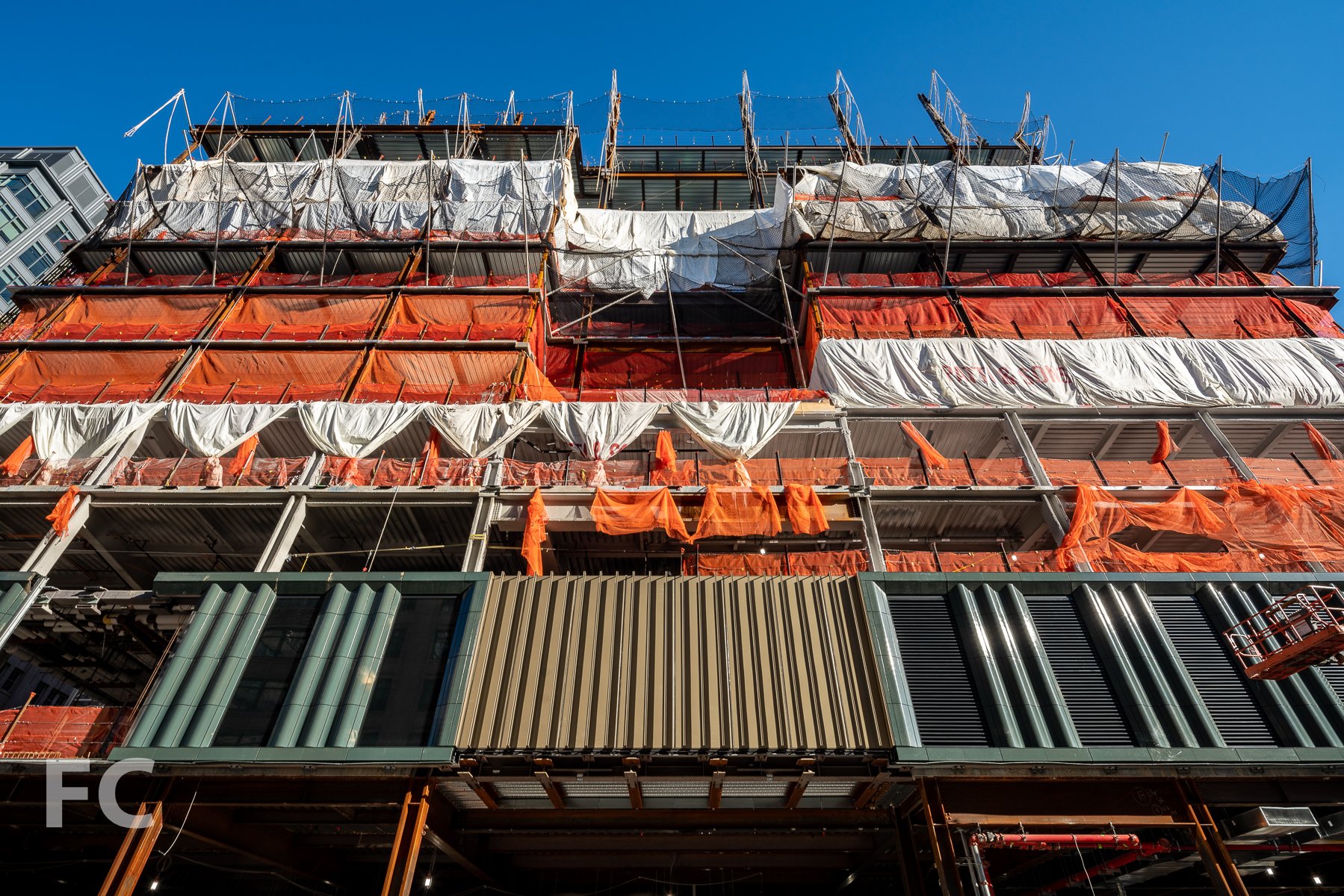
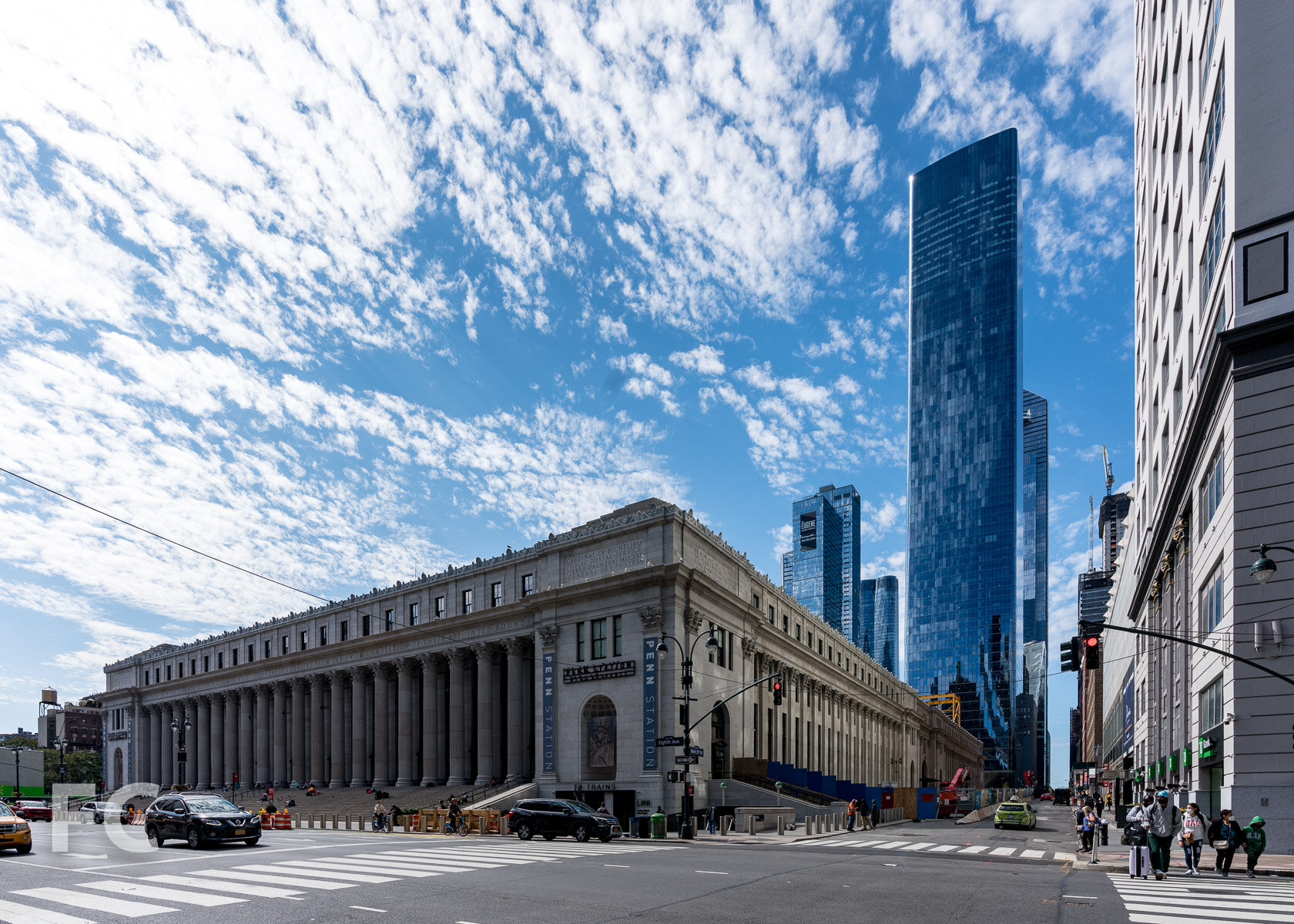
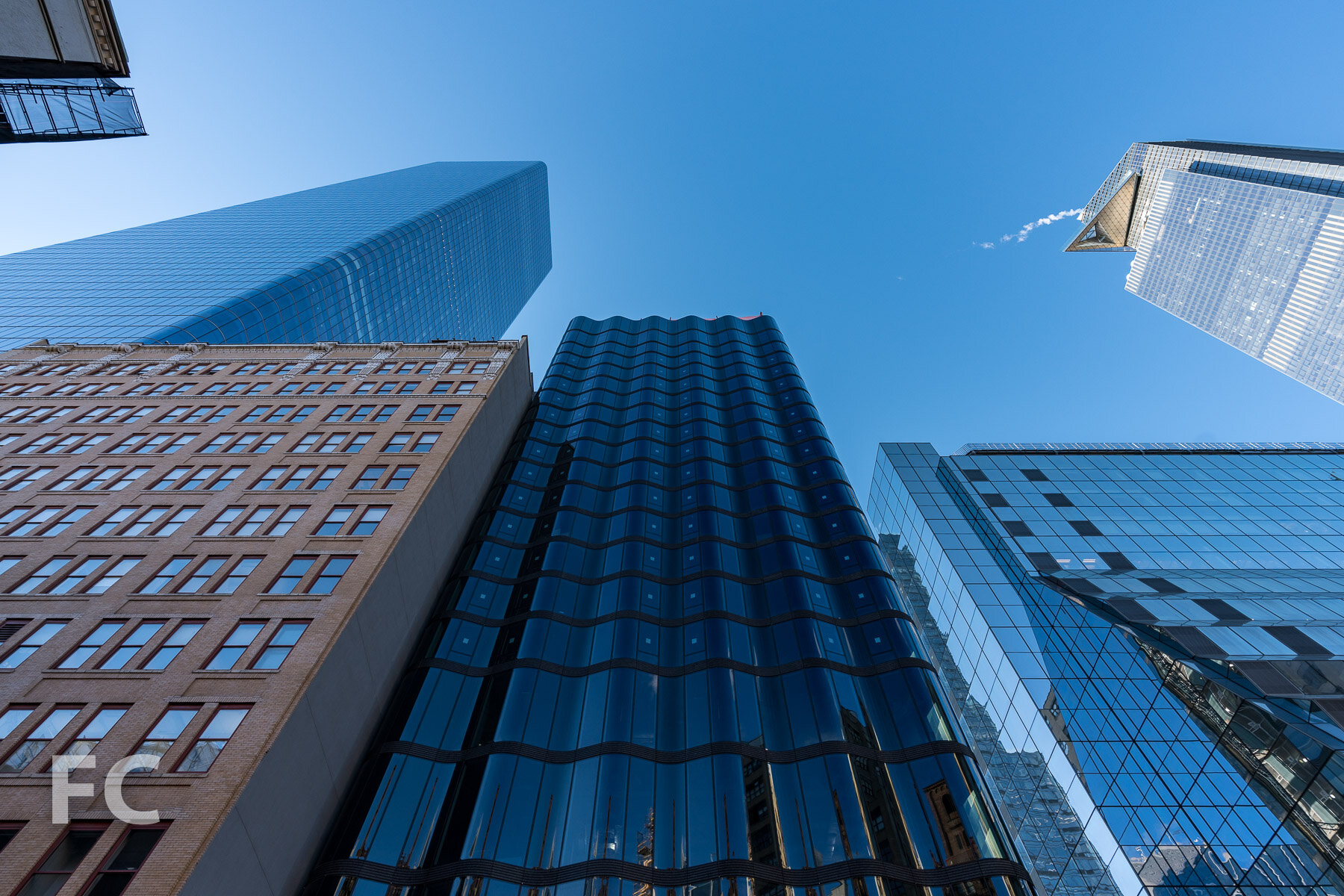
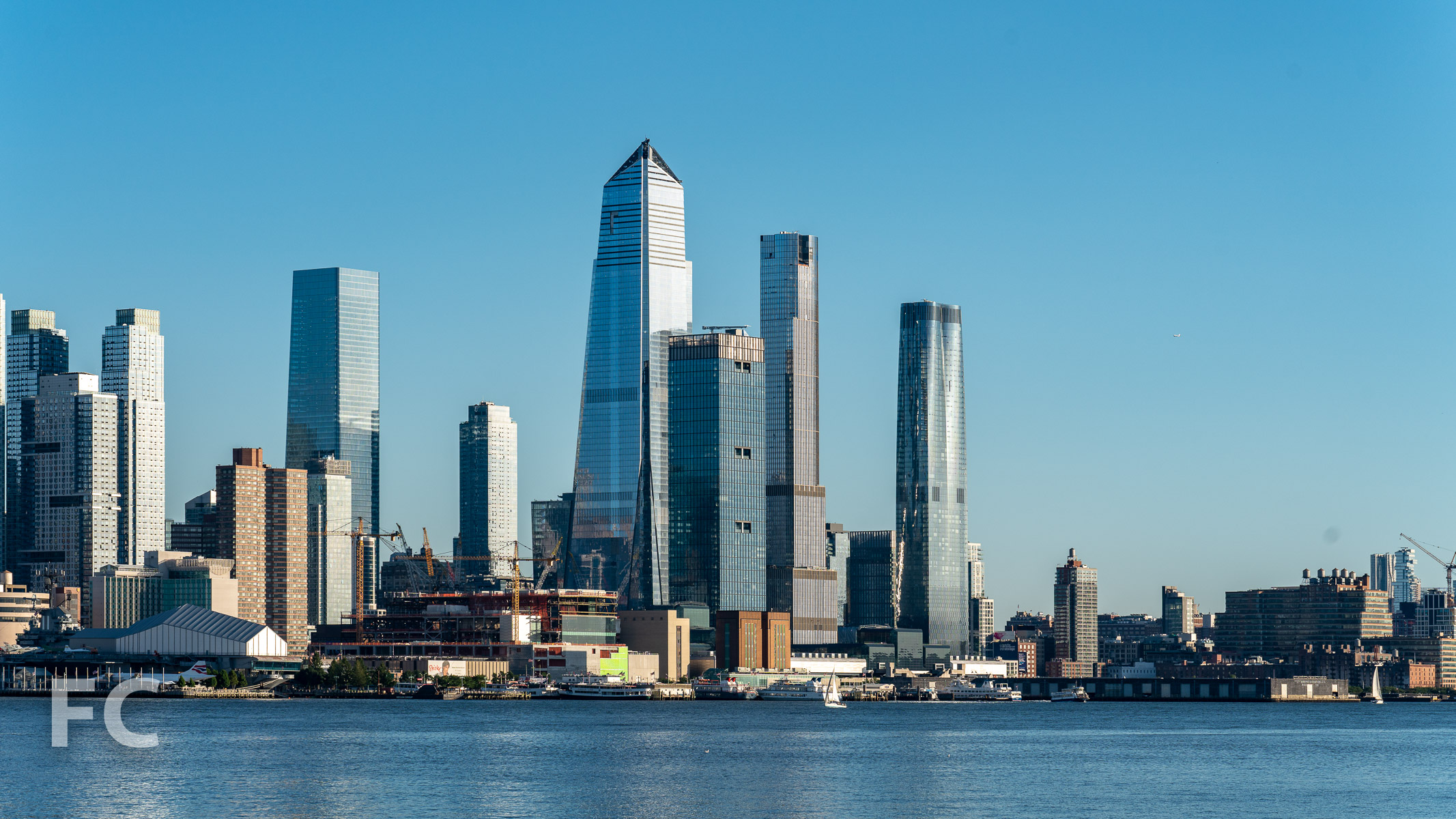
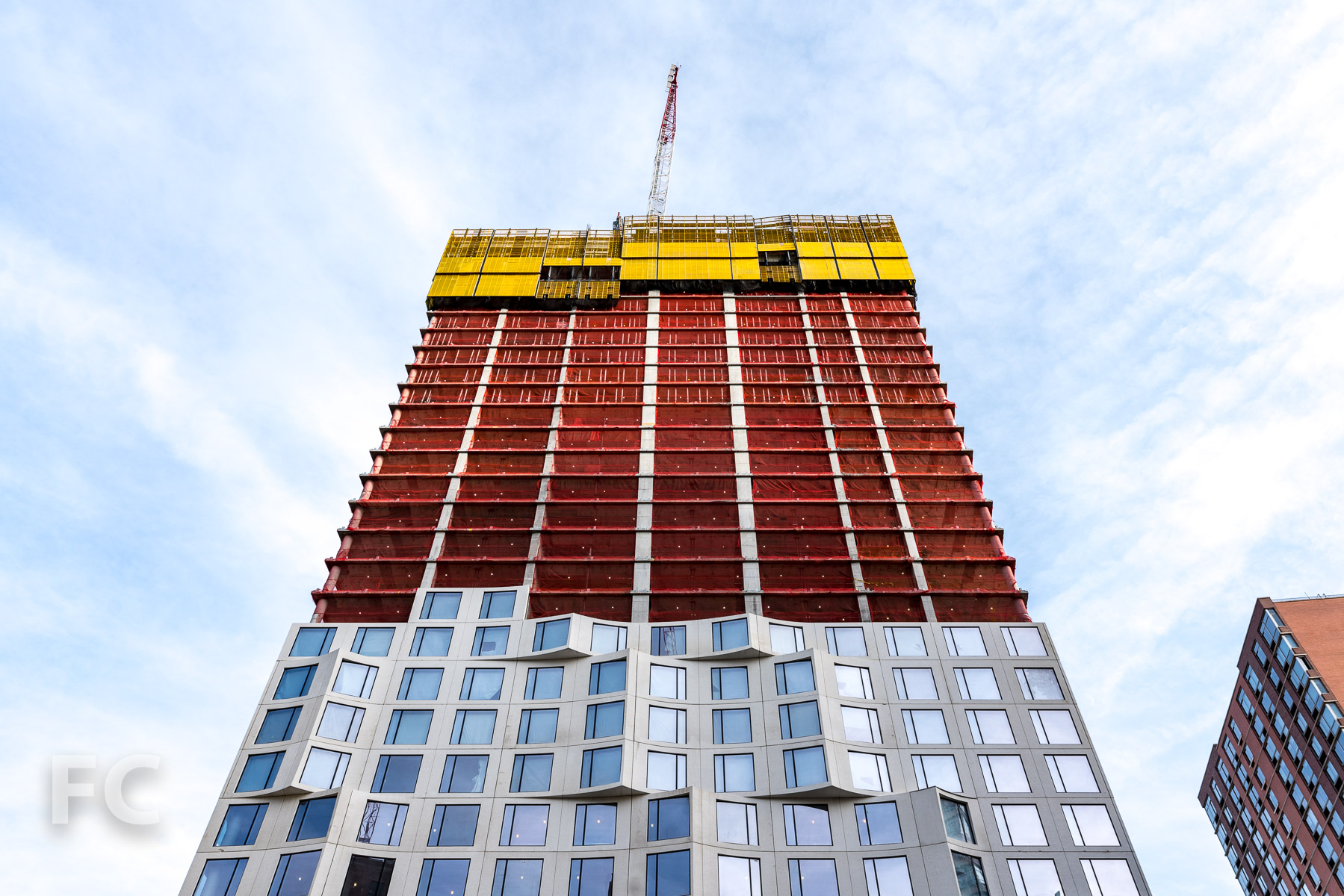
Superstructure has surpassed the half way mark at GDSNY’s 23-story class A boutique office tower at 1245 Broadway in the NoMad neighborhood of Manhattan. Designed by Skidmore Owings & Merrill (SOM), the office tower’s massing features four setbacks as it ascends, with carve outs that allow for large terraces at each location. The tower’s gridded facade features an exposed textured architectural concrete superstructure and floor to ceiling triple paned windows.
Close-up of the northeast corner of the lower tower with windows installed.
Close-up of the northeast corner of the lower tower.
Northeast corner from West 31st Street.
Looking up at the east facade.
Close-up of the east facade.
Northwest corner from West 31st Street.
Architect: Skidmore Owings & Merrill (SOM); Developer: GDSNY; Program: Office, Retail; Location: NoMad, New York, NY; Completion: 2021.
Tour: The Webster Los Angeles
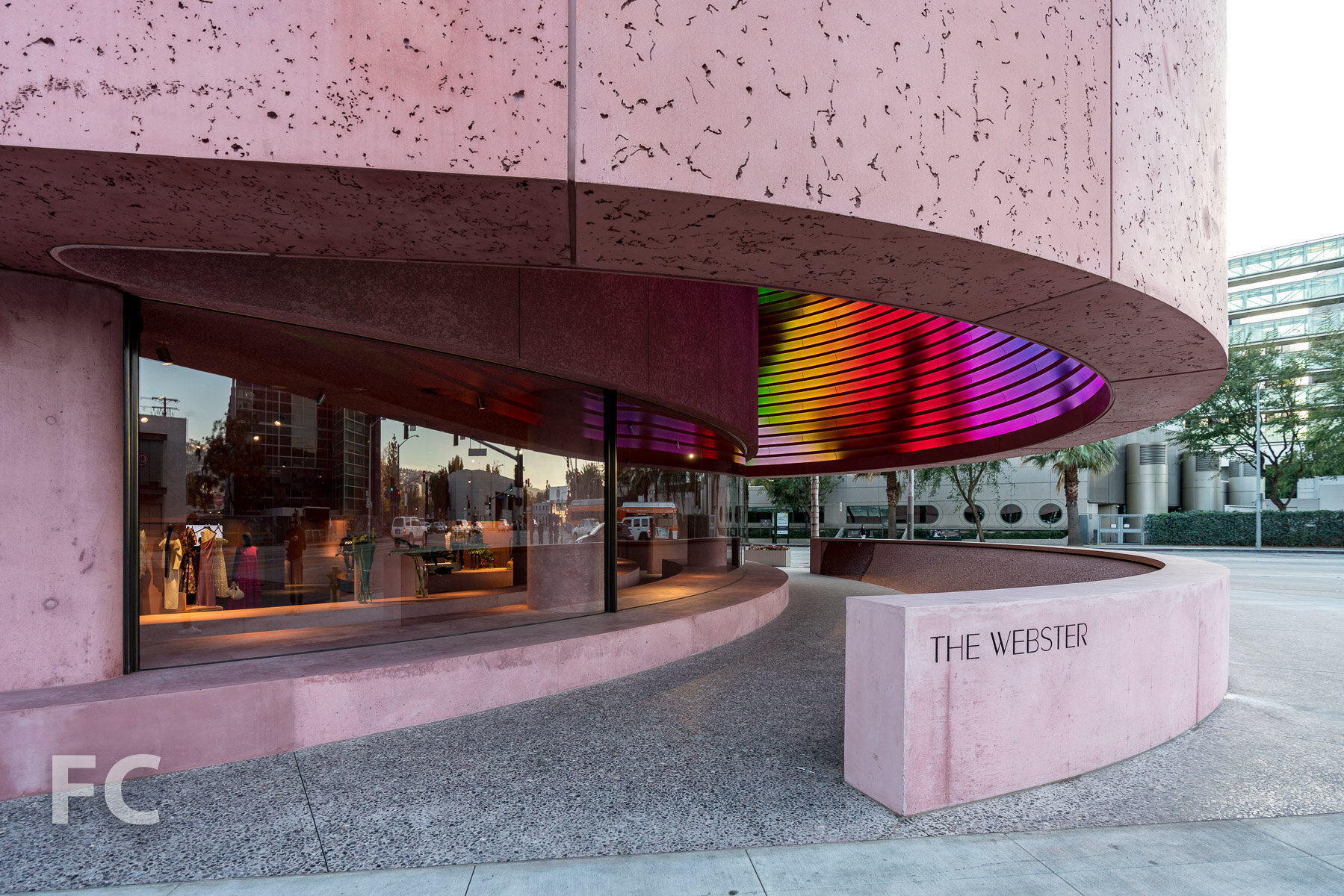
Adjaye Associates has completed a new retail store for The Webster at the Beverly Center In Los Angeles. The luxury multi-brand fashion house’s new 11,000-square-foot flagship store is the first project by David Adjaye in California. Located at the corner of Beverly Boulevard and San Vicente Boulevard, the storefront features a pink-tinted concrete facade that creates a covered entrance with a large scale digital screen projected onto the inner face.
The pink-tinted concrete of the exterior carries into the interiors with curving walls enclosing changing rooms and product displays. Smooth concrete at the lower half of the interior walls transitions to a more textured finish at the upper half and ceiling of the store. Terrazzo with fragments of black cherry marble covers the floor.
Architect: Adjaye Associates; Client: The Webster; Program: Retail; Location: Beverly Hills, Los Angeles, CA; Completion: 2020.



Construction Update: 98 Front Street
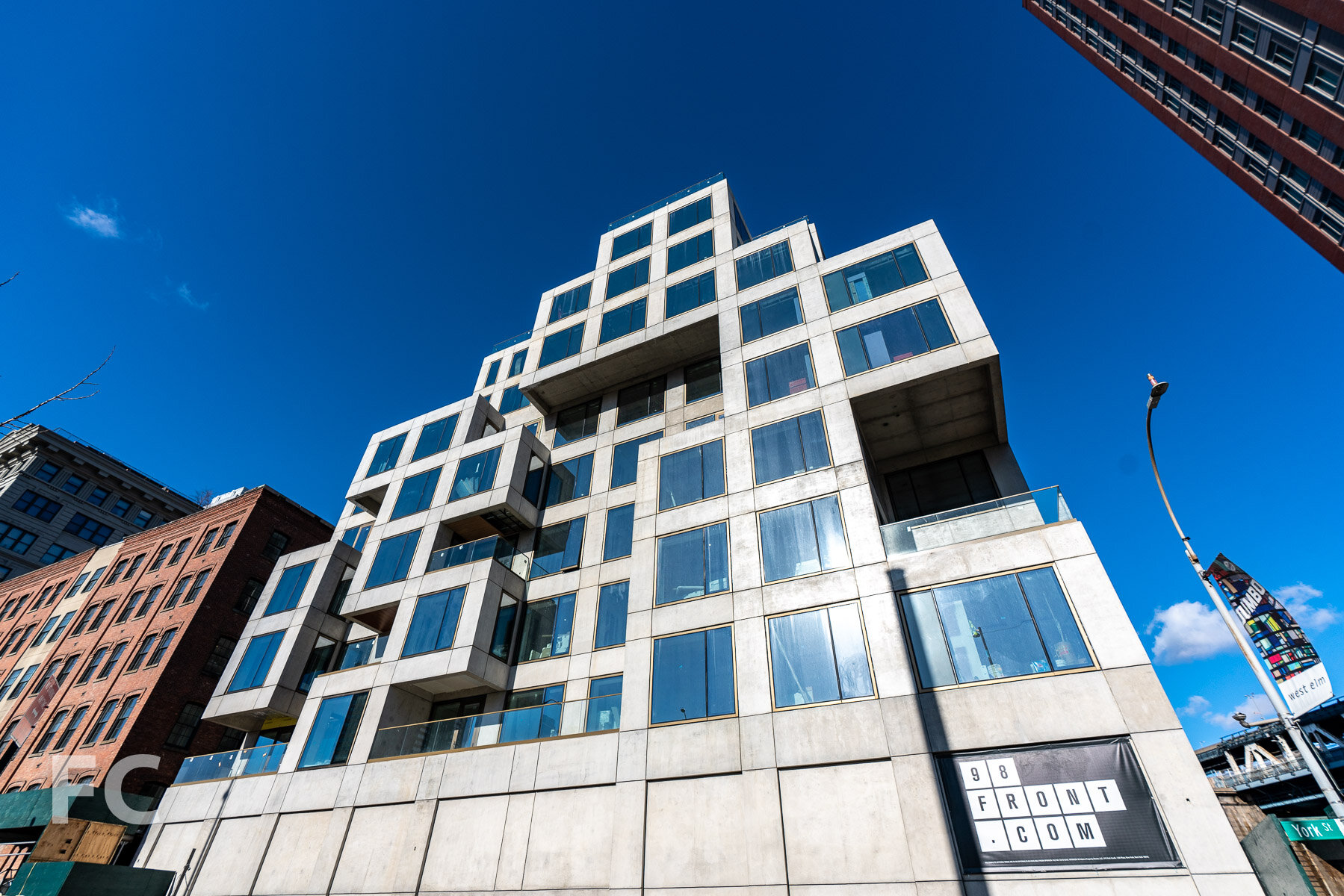
Southeast corner from York Street.
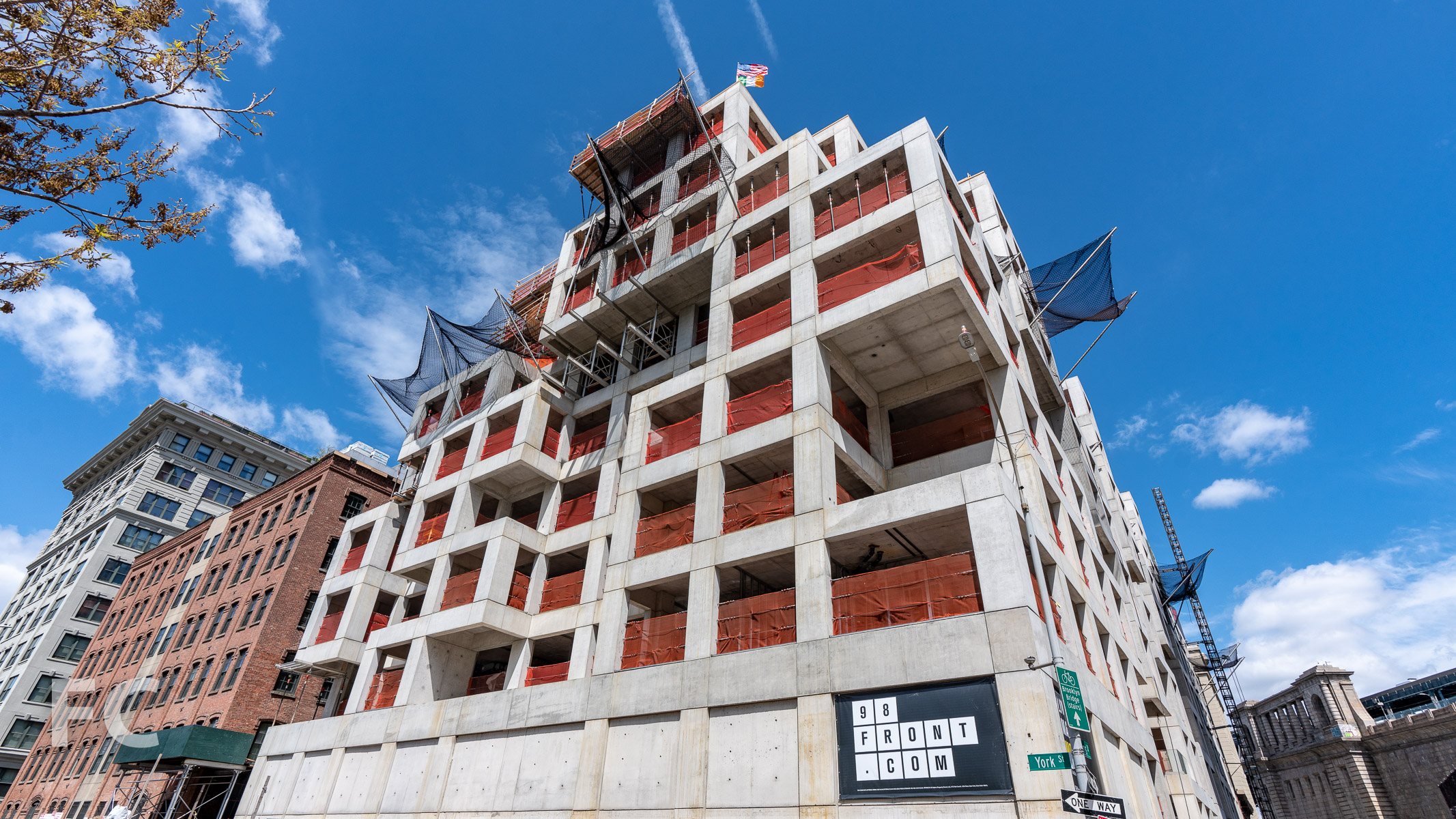
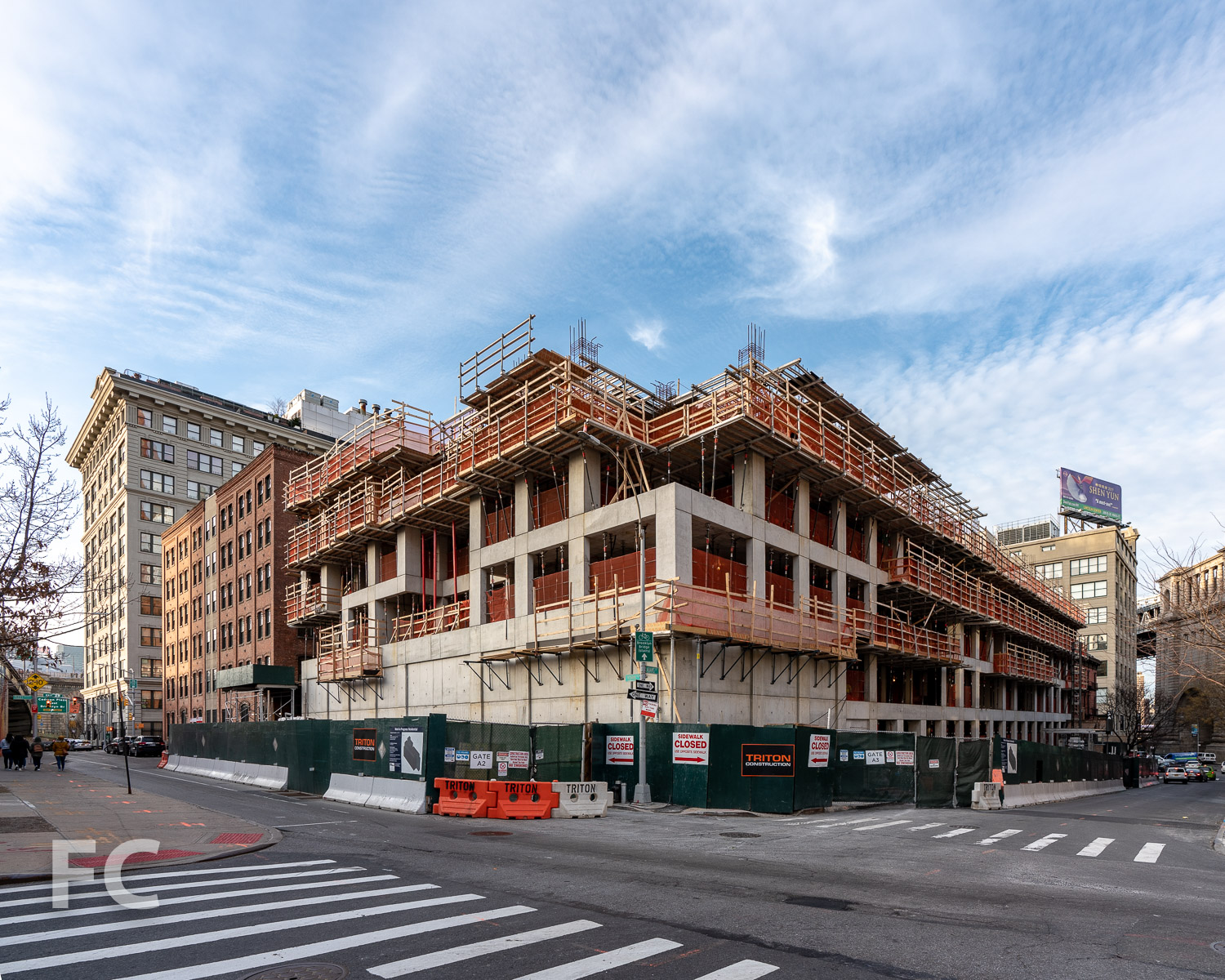
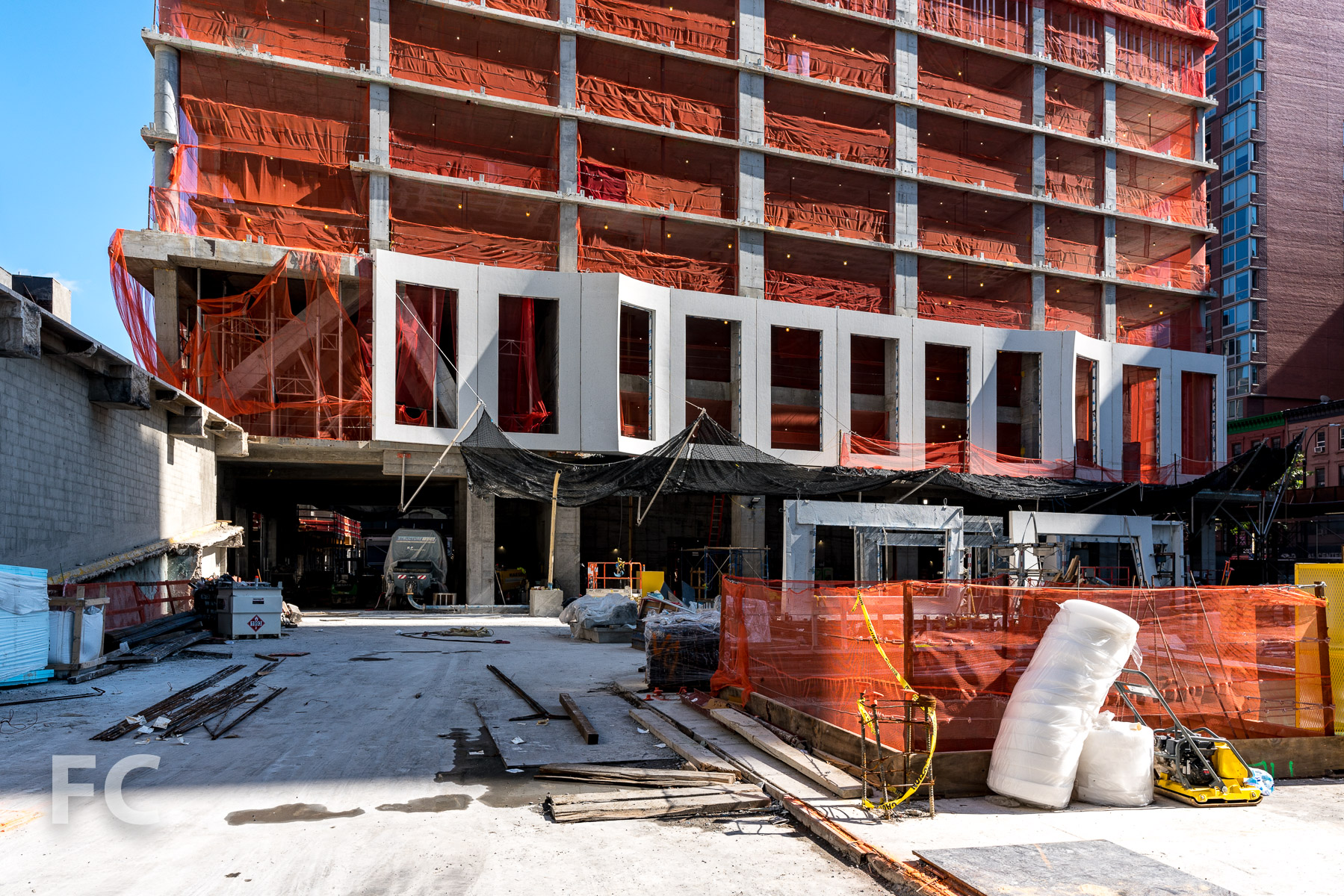
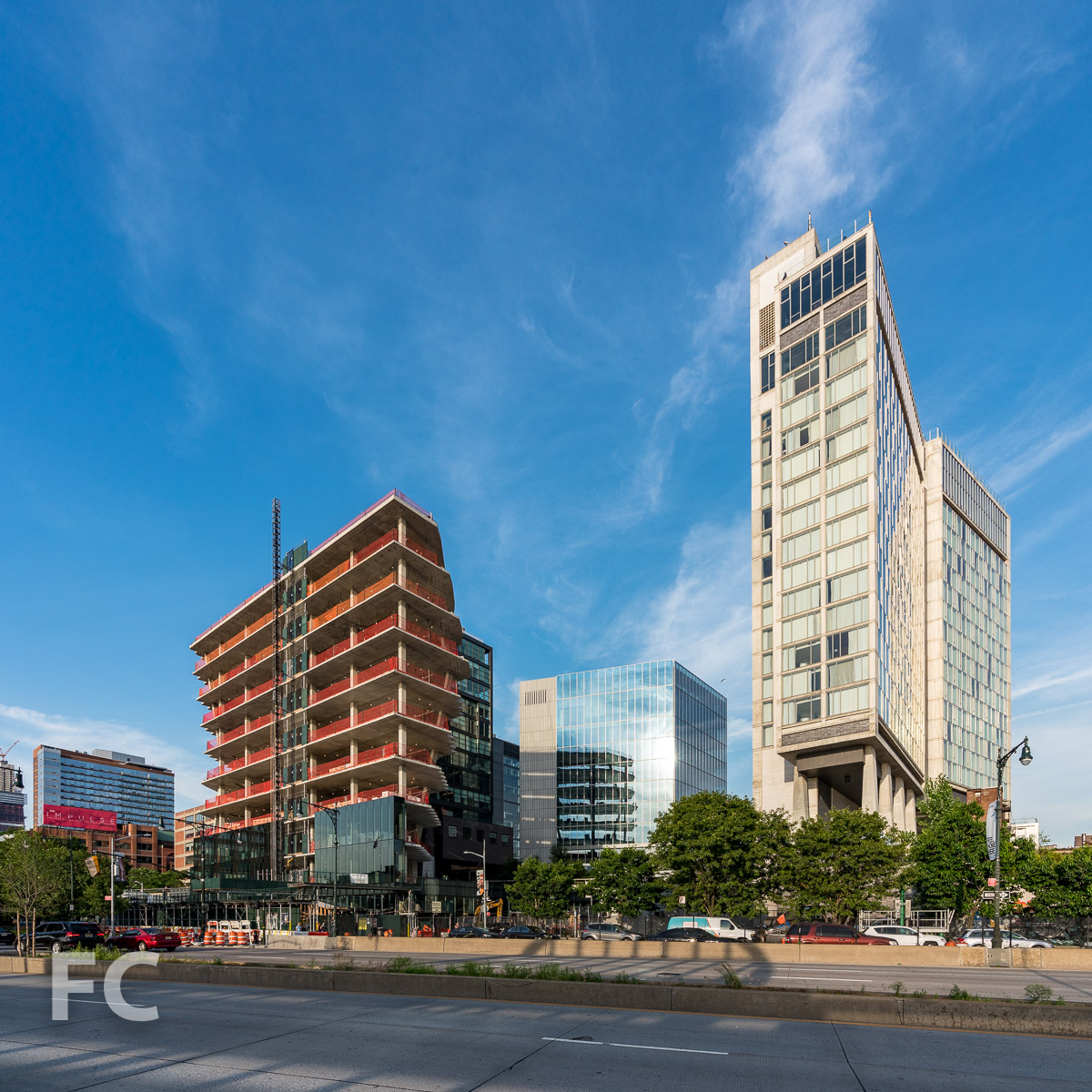
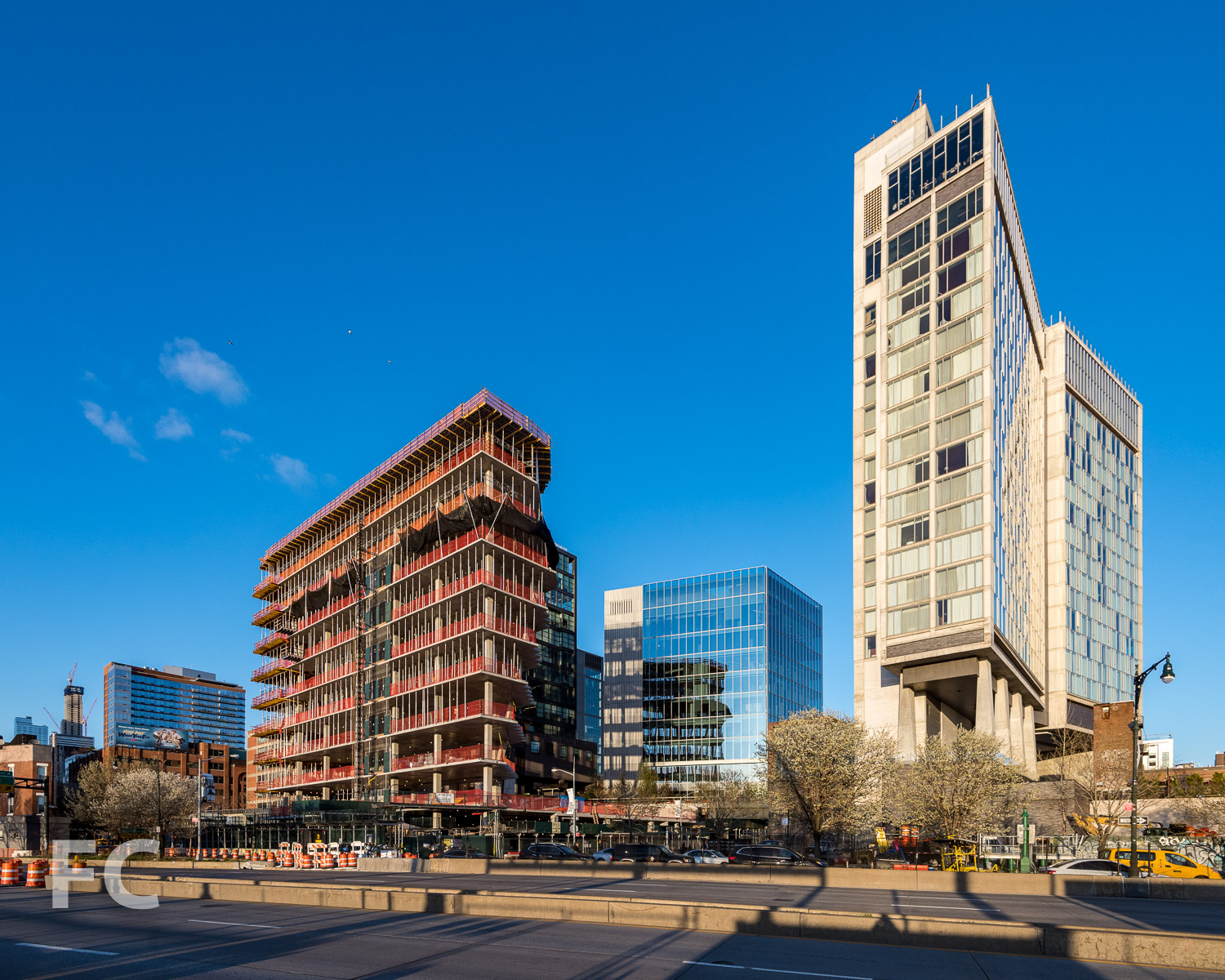
Facade installation is wrapping up at Hope Street Capital’s 98 Front Street residential building in the DUMBO neighborhood of Brooklyn. Designed by ODA New York, the 10-story building features the firm’s signature eroded massing in the form of poured in place concrete and square proportioned punch windows. This massing strategy allows for outdoor space in the form of terraces and void spaces throughout.
Looking up at the south facade from York Street.
South facade detail.
South facade.
Southwest corner of 98 Front (left).
East facade.
Northeast corner.
Architect: ODA New York; Developer: Hope Street Capital; Program: Residential, Community Facility; Location: DUMBO, Brooklyn, NY; Completion: 2020.
Construction Update: FDNY Rescue Company 2 Training Facility
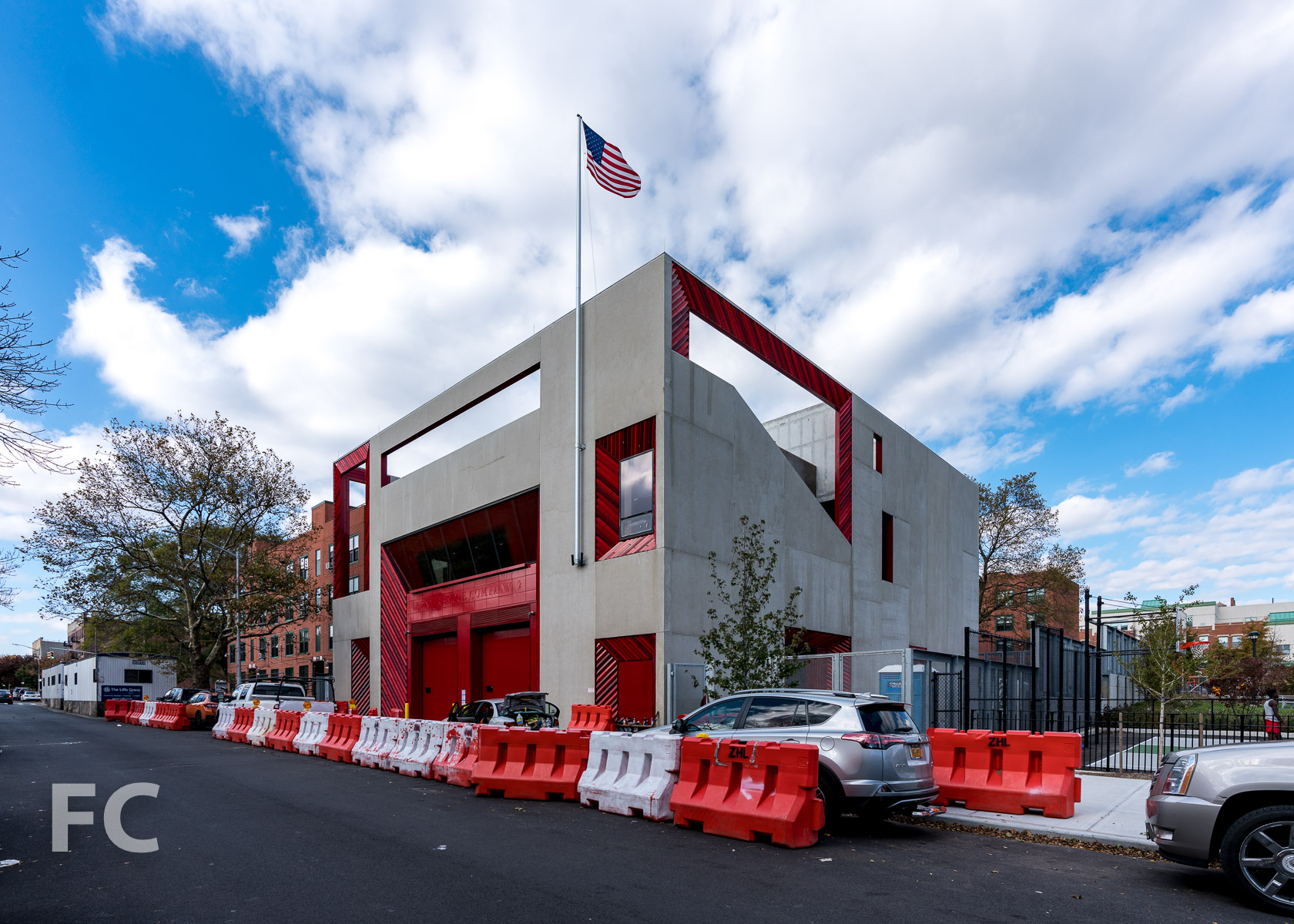
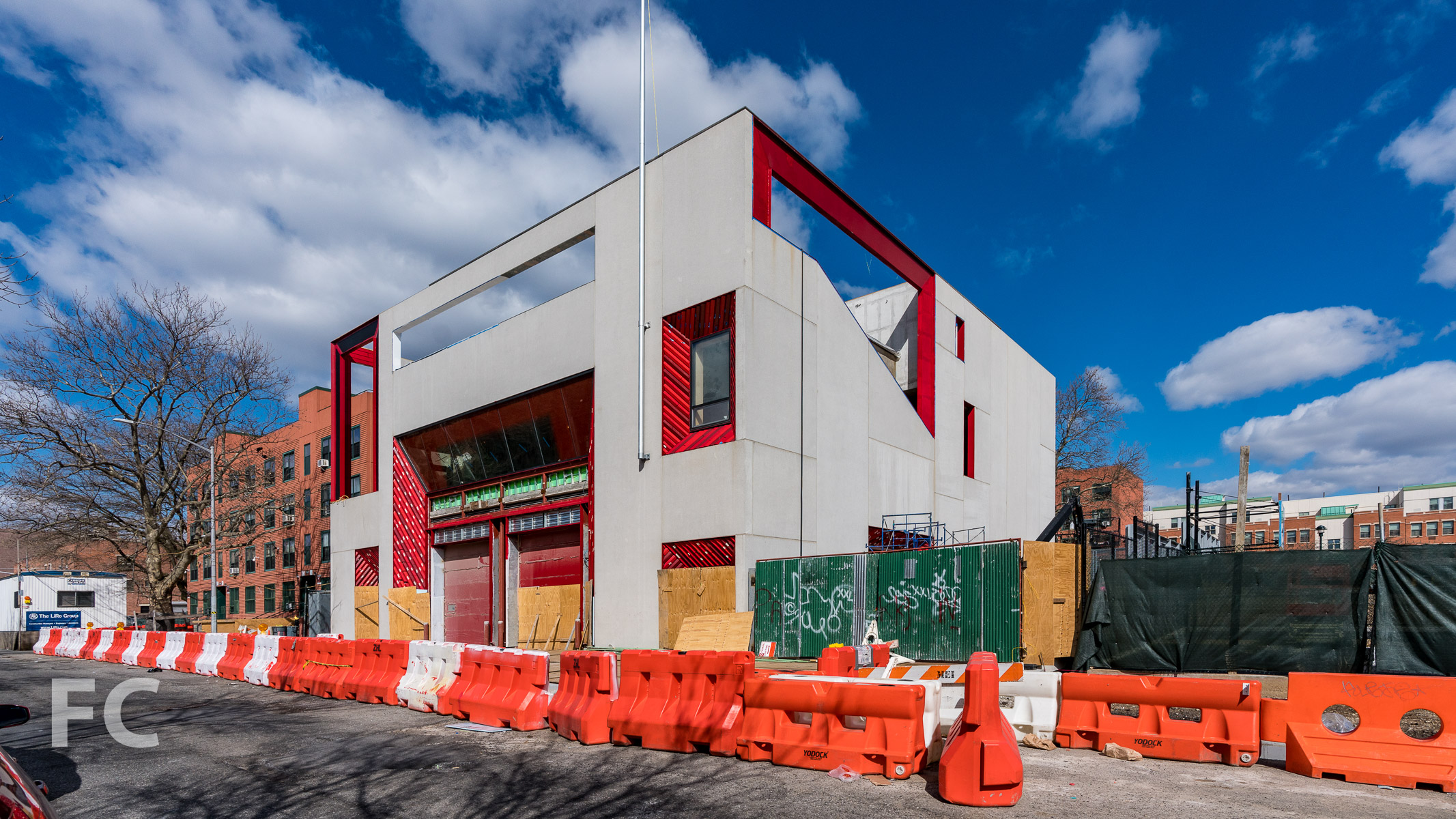
South façade.
Construction is wrapping up at Studio Gang's FDNY Rescue Company 2 Training Facility in the Brownsville neighborhood of Brooklyn. The three-story structure will serve as a facility for the FDNY to simulate various scenarios encountered when responding to emergency calls. Large voids cut horizontally through the central ground floor space and vertically to the sky to allow for simulating a multitude of real world scenarios. Large apertures cut into the concrete facades are accented by glazed terracotta panels in various shades of red. Sustainable features include a green roof, geothermal HVAC system, and solar water-heating system.
Closeup of the south facade.

Terracotta detail.
South façade.
Closeup of the east facade.
Northeast corner.
Architect: Studio Gang; Client: NYC Department of Design and Construction; Program: FDNY Training Facility; Location: Brownsville, Brooklyn, NY; Completion: 2019.


Tour: The Reach at the Kennedy Center for the Performing Arts
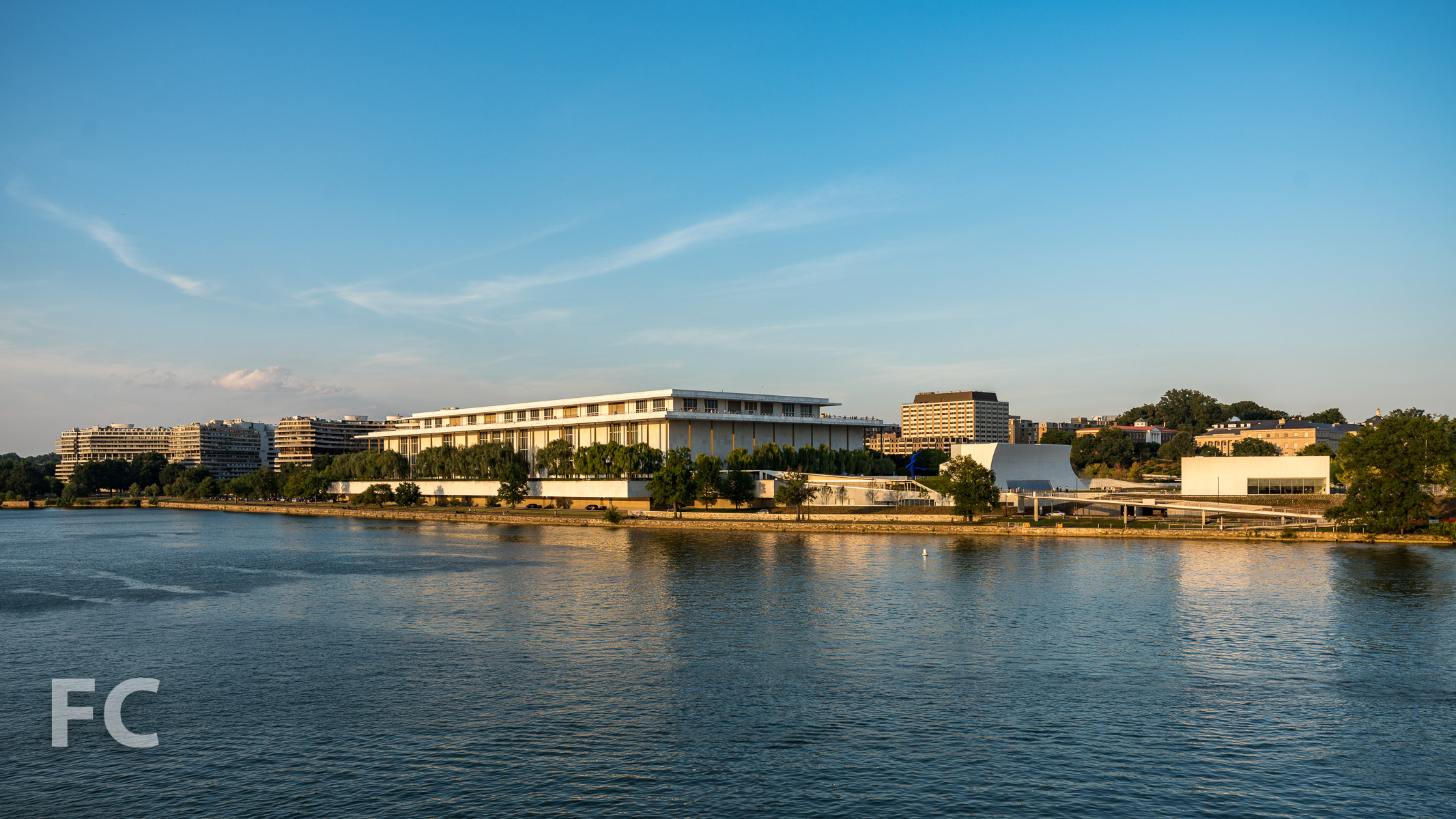
Steven Holl Architects’ expansion of the John F. Kennedy Center for the Performing Arts in Washington, D.C. officially opens on September 7. Known as The Reach, the expansion is located on 4.6 acres immediately south of the original 1971 structure by Edward Durell Stone. Rather than build onto the existing structure, the architect has designed a series of pavilions sited on the largest green roof in Washington, DC. The pavilions and connecting underground spaces house rehearsal rooms and classrooms, a lecture hall, multipurpose meeting rooms, and an event space. Holl envisions his design as a means to connect the expansion with the landscape and the adjacent Potomac River.
Holl employs titanium white, board-formed concrete and backlit clear and etched glass windows as the primary exterior materials for the three pavilions.
The pavilions sit within a four season landscape of expansive lawns, wild grasses, sedum varietals, and a ginkgo grove. Pathways are defined by bluestone pavers.
Welcome Pavilion
Welcome Lobby
The entry lobby features a visitors desk, coffee bar, and a Wall of Gratitude recognizing leadership donors.
Justice Forum
The Justice Forum, named after one of the five ideals commonly attributed to President Kennedy, is a 144 seat lecture hall with the capacity for film screenings and small-format performances. Primary finishes include cherry wood and “crinkle concrete” that diffuses sound waves with its faceted shape created by the unique formwork.
Multipurpose Studios
Skylight Pavilion
The Skylight Pavilion serves as a public atrium space that can accommodate special events, seated dinners, and receptions. Acoustic plaster covers the walls and ceiling within the 36-foot tall space, while a large curved glass opening allows for views out to the river, lower lawn, and reflecting pool.

River Pavilion
The River Pavilion serves as a flexible interior and exterior space with dramatic views of the Potomac River, the River Plaza and reflecting pool.
Sculpture
The Bridge
A pedestrian bridge spans Rock Creek and Potomac Parkway, connecting the Kennedy Center campus to the Potomac riverfront.
Construction Tour: The Reach at the Kennedy Center for the Performing Arts
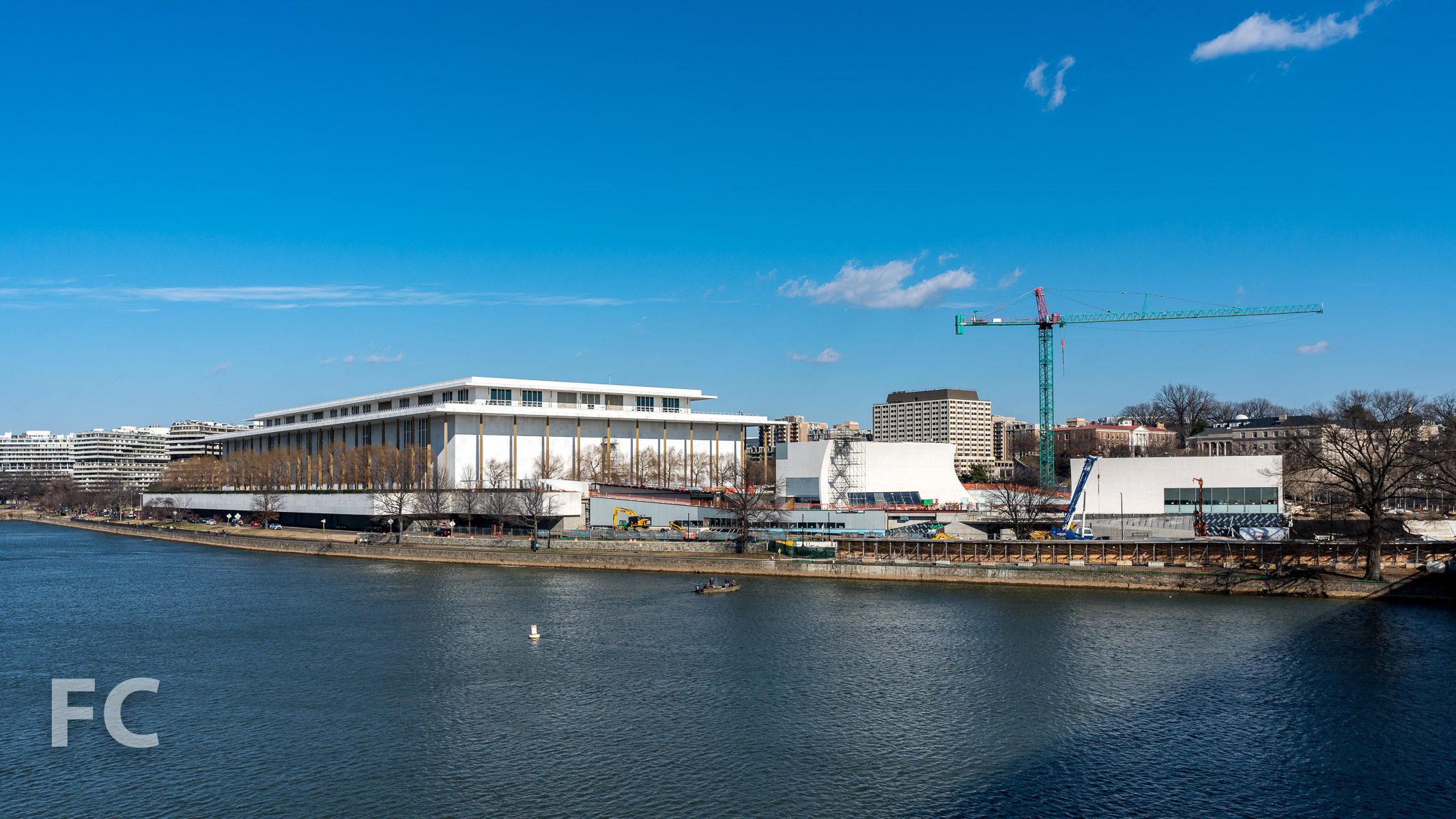
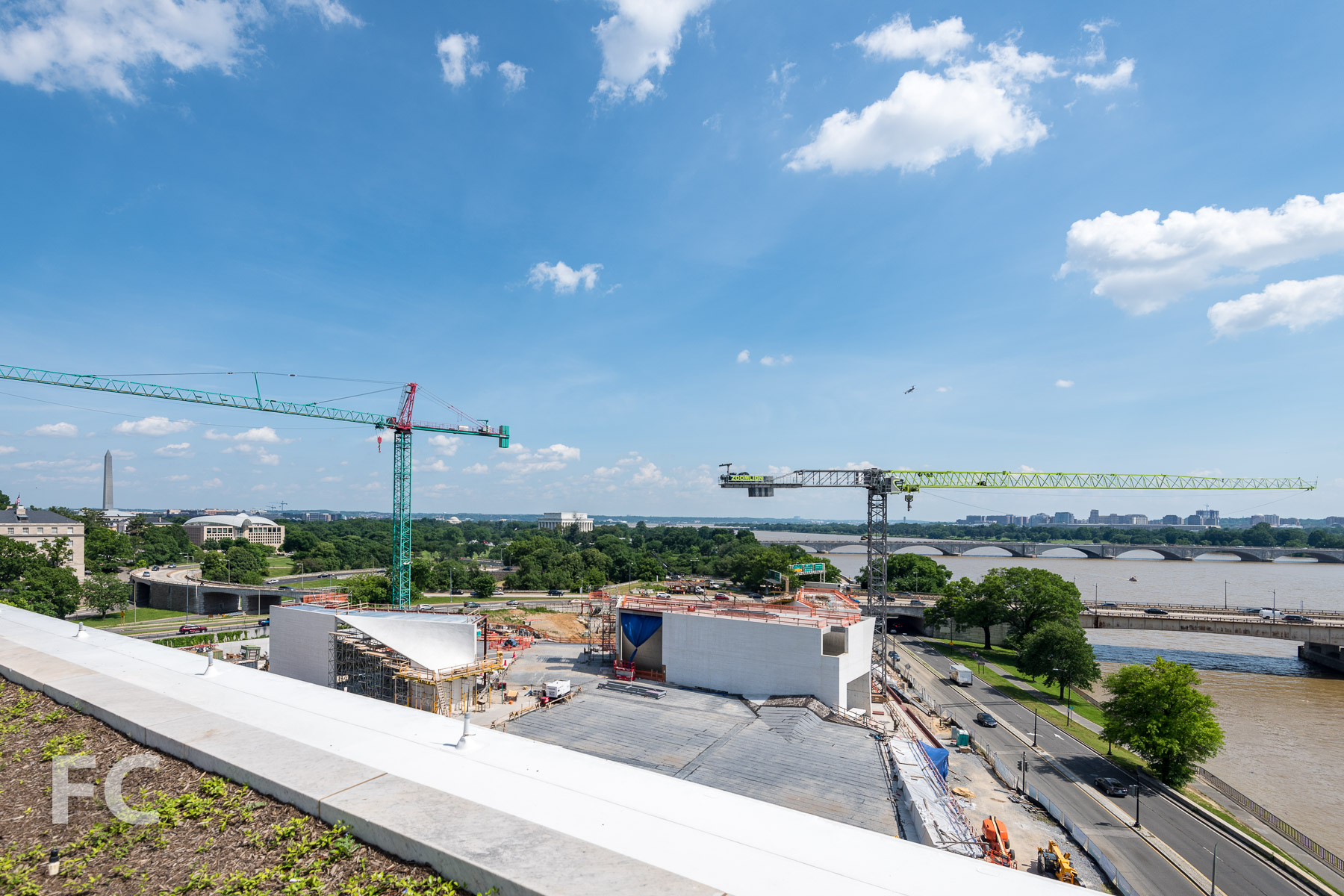
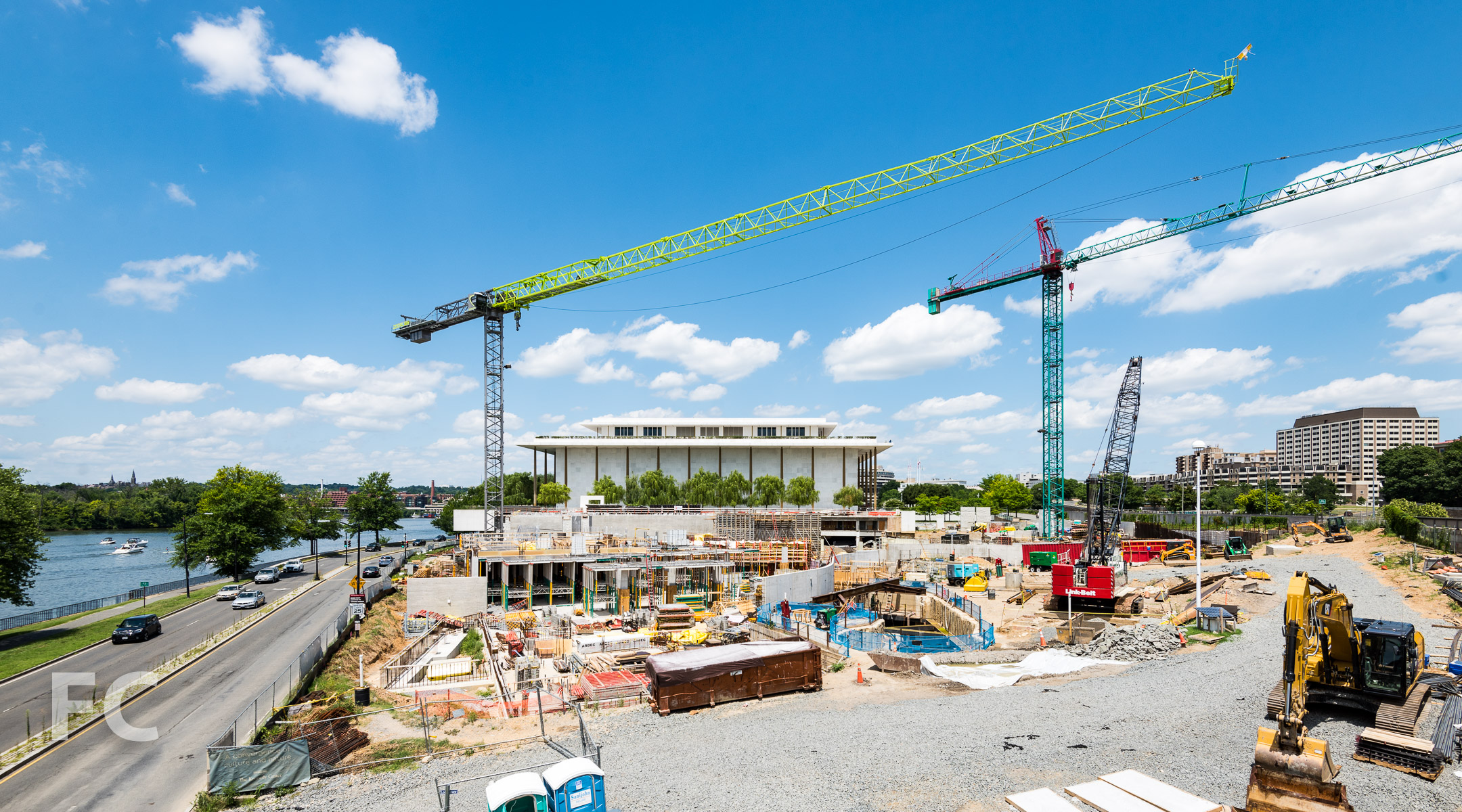
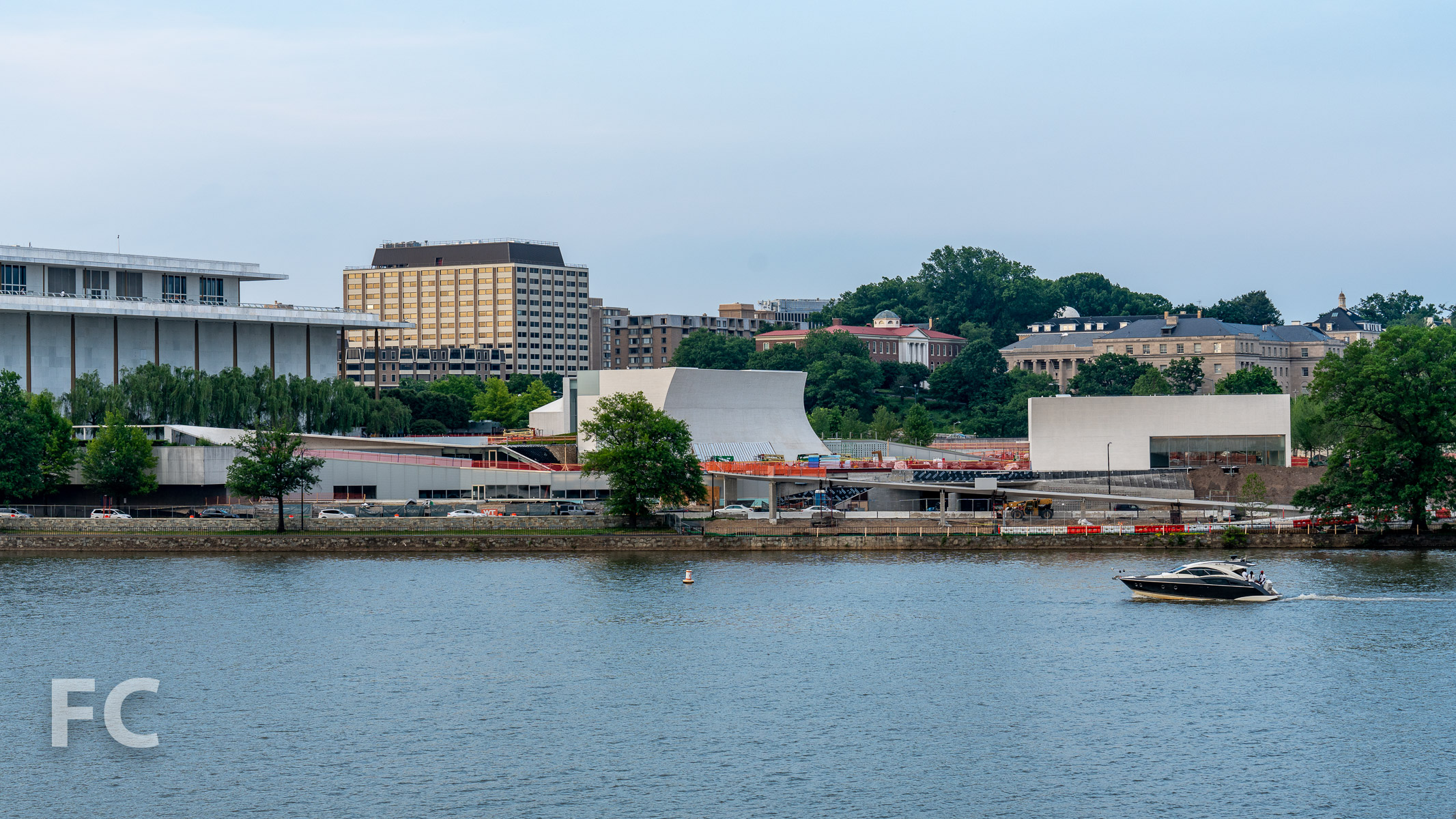
Steven Holl Architects’ expansion of the John F. Kennedy Center for the Performing Arts is nearing completion in Washington, D.C. Known as The Reach, the expansion is located on 4.6 acres immediately south of the original 1971 structure by Edward Durell Stone. Rather than build onto the existing structure, the architect has designed a series of pavilions sited on the largest green roof in Washington, DC. The pavilions and connecting underground spaces house rehearsal rooms and classrooms, a lecture hall, multipurpose meeting rooms, and an event space. Holl envisions his design strategy as a means to connect the expansion with the landscape and the adjacent Potomac River. The Reach is slated to open on September 7, kicking off a 16-day multi-genre, multidisciplinary, free festival.
Holl employs titanium white, board-formed concrete and backlit clear and etched glass windows as the primary exterior materials for the three pavilions.
The three pavilions sit within a four season landscape of expansive lawns, wild grasses, sedum varietals, and a ginkgo grove. Pathways are defined by bluestone pavers.
Welcome Lobby
The entry lobby will feature a visitors desk, coffee bar, and a Wall of Gratitude recognizing leadership donors.
Justice Forum
The Justice Forum, named after one of the five ideals commonly attributed to President Kennedy, is a 144 seat lecture hall with the capacity for film screenings and small-format performances. Primary finishes include cherry wood and “crinkle concrete” that diffuses sound waves with its faceted shape created by the unique formwork.
Skylight Pavilion
The Skylight Pavilion serves as a public atrium space that can accommodate special events, seated dinners, and receptions. Acoustic plaster covers the walls and ceiling within the 36-foot tall space, while a large curved glass opening allows for views out to the river, lower lawn, and reflecting pool.
River Pavilion
The River Pavilion serves as a flexible interior and exterior space with dramatic views of the Potomac River, the River Plaza and reflecting pool.
The Bridge
A pedestrian bridge spans Rock Creek and Potomac Parkway, connecting the Kennedy Center campus to the Potomac riverfront.
Architect: Steven Holl Architects (Design Architect), BNIM (Architect of Record); Structural Engineer: Robert Silman Associates; MEP Engineer: Arup; Landscape Architect: Edmund Hollander Landscape Architects; Envelope Consultant: Thornton Tomasetti; Client: The John F. Kennedy Center for the Performing Arts; Owner’s Representative: Paratus Group; Program: Performing Arts; Location: Washington, D.C.; Completion: Fall 2019.