Tour: Academy Museum of Motion Pictures
Southwest corner of the Saban Building from Wilshire Boulevard.
A December 14th opening date has been set for the Academy Museum of Motion Pictures in Los Angeles. Construction continues at Renzo Piano Building Workshop’s Academy Museum in Los Angeles. Situated on the “Miracle Mile” adjacent to LACMA, the Renzo Piano Building Workshop designed museum for motion pictures will be housed within two structures. A 1939 building that once housed the May Company department store, now renamed the Saban Building, will hold 50,000 square feet of gallery space, project spaces, an outdoor piazza, an education studio, a restaurant, and store. The six-story building was originally designed by Albert C. Martin Sr. in the Streamline Moderne substyle of Art Deco.
South facade of the Saban Building from Wilshire Boulevard.
Closeup of the Saban Building’s southwest corner.
Closeup of the Saban Building’s gold tiled southwest corner.
West facade of the Sphere Building from South Fairfax Avenue.
A new concrete structure, the Sphere Building, will house the 1,000-seat David Geffen Theater and be topped by the Dolby Family Terrace with its steel and glass canopy.
Northwest corner of the Sphere Building (center) and the Saban Building (right) from South Fairfax Avenue.
North facade of the Sphere Building from the grounds of LACMA.
North facade of the Sphere Building from the grounds of LACMA.
East facade of the Sphere Building from the grounds of LACMA.
The Spielberg Family Gallery, a restaurant, cafe and retail space will occupy the 10,000-square-foot lobby.
Ground floor of the Saban Building.
Red carpet stair at the ground floor of the Saban Building.
Circulation space adjacent to the exhibition space in the Saban Building.
David Geffen Theater
Housed within a sphere constructed of 13,000 tons of concrete, the 1,000-seat David Geffen Theater will be able to screen 35MM, 70MM and digital laser projections.
Ted Mann Theater
Adjacent to the larger David Geffen Theater, the 288-seat Ted Mann Theater will accommodate various programming including Saturday morning children’s matinees.
Ted Mann Theater
Barbara Streisand Bridge
Barbara Streisand Bridge to the Dolby Family Terrace.
Closeup of the Barbara Streisand Bridge.
Dolby Family Terrace
Located above the David Geffen Theater, a glass dome constructed of 1,500 panes shelters the Dolby Family Terrace. Visitors will be shielded from the Los Angeles sun by shades that adapt throughout the day.
Detail of the canopy structure on the Sphere Building.
Detail of the canopy structure on the Sphere Building.
Northwest corner of the Sphere Building (center) and the Saban Building (right) from South Fairfax Avenue.
West facade of the Sphere Building from South Fairfax Avenue.





Tour: Cornell Tech Campus
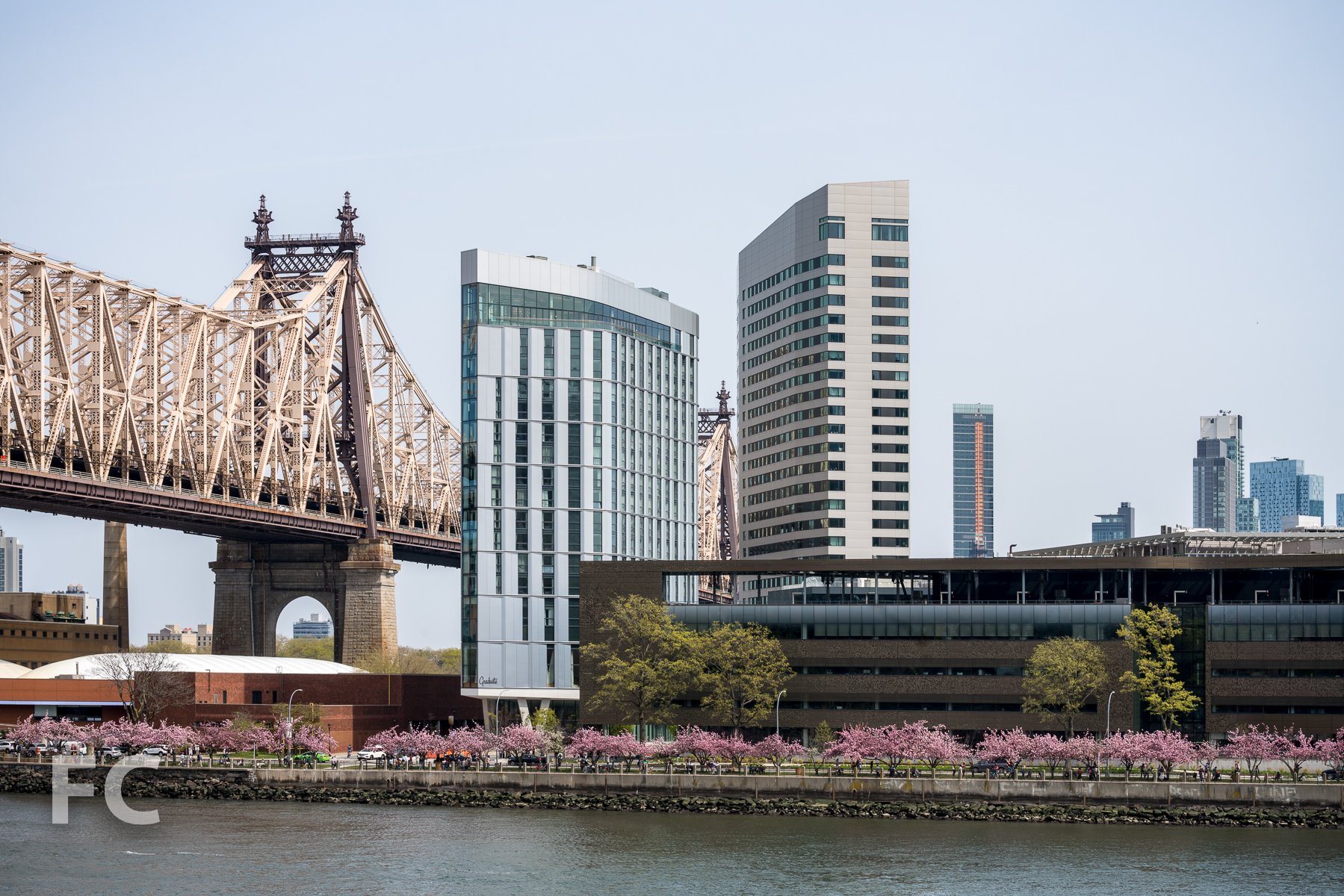
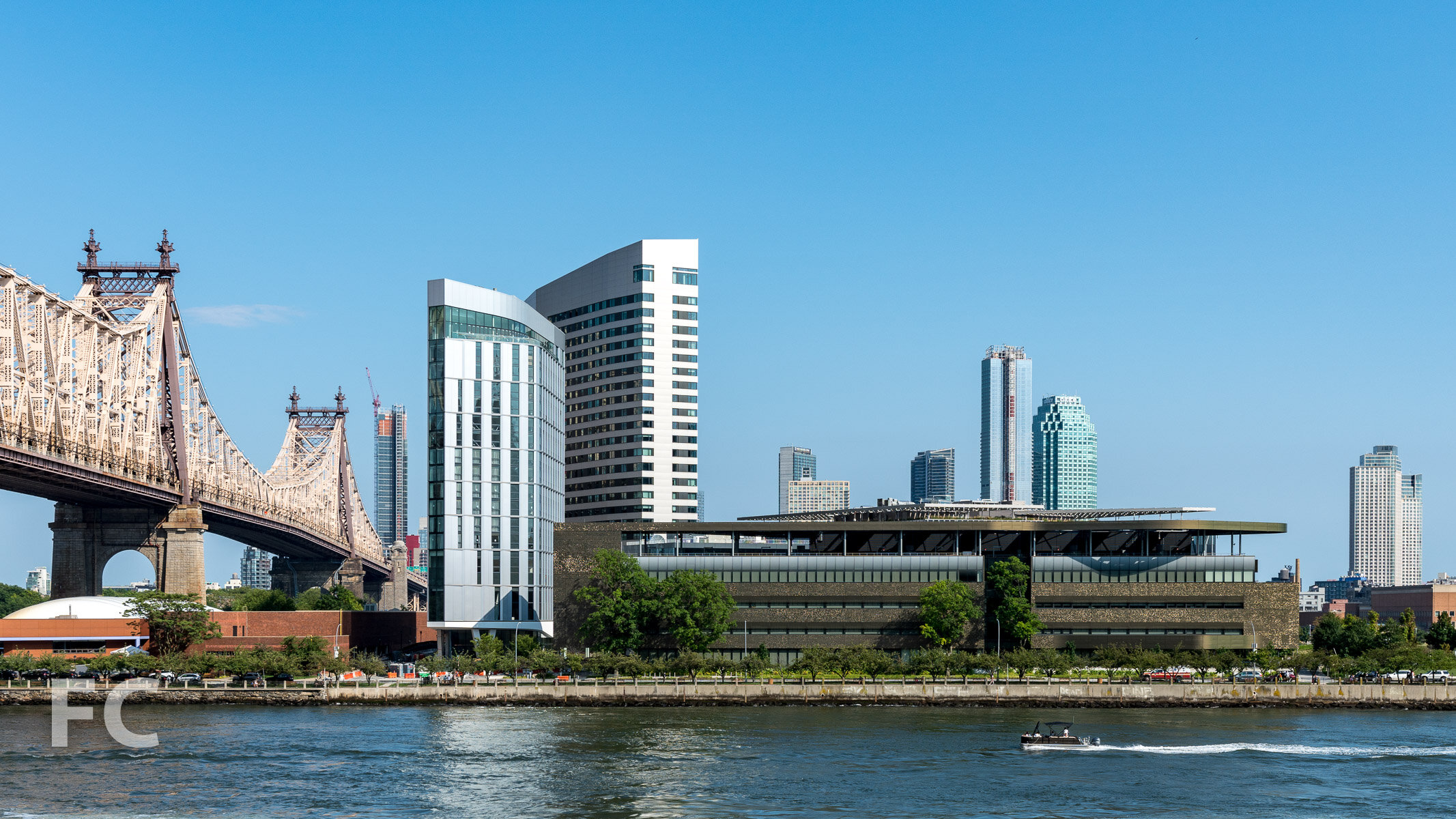
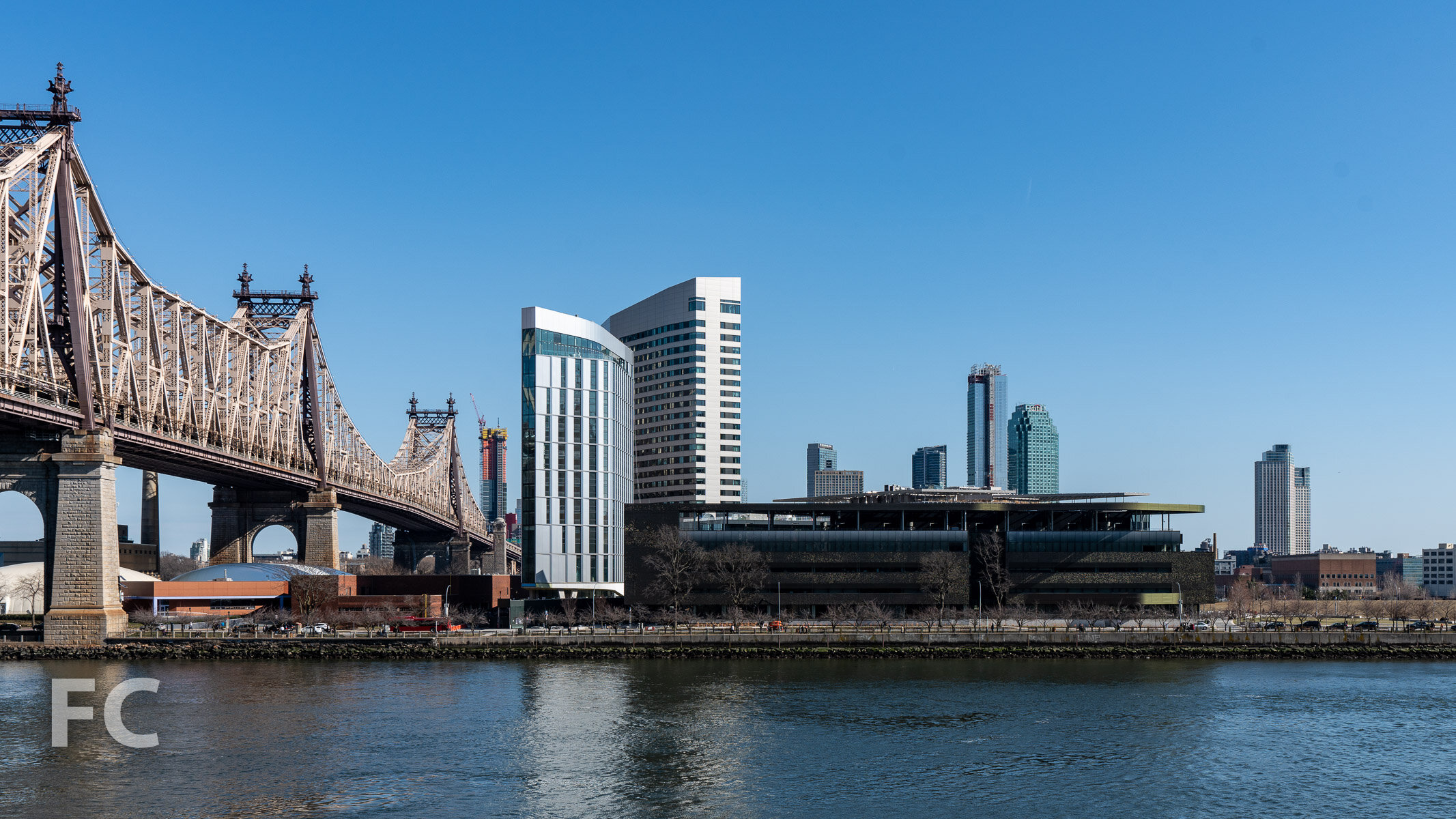
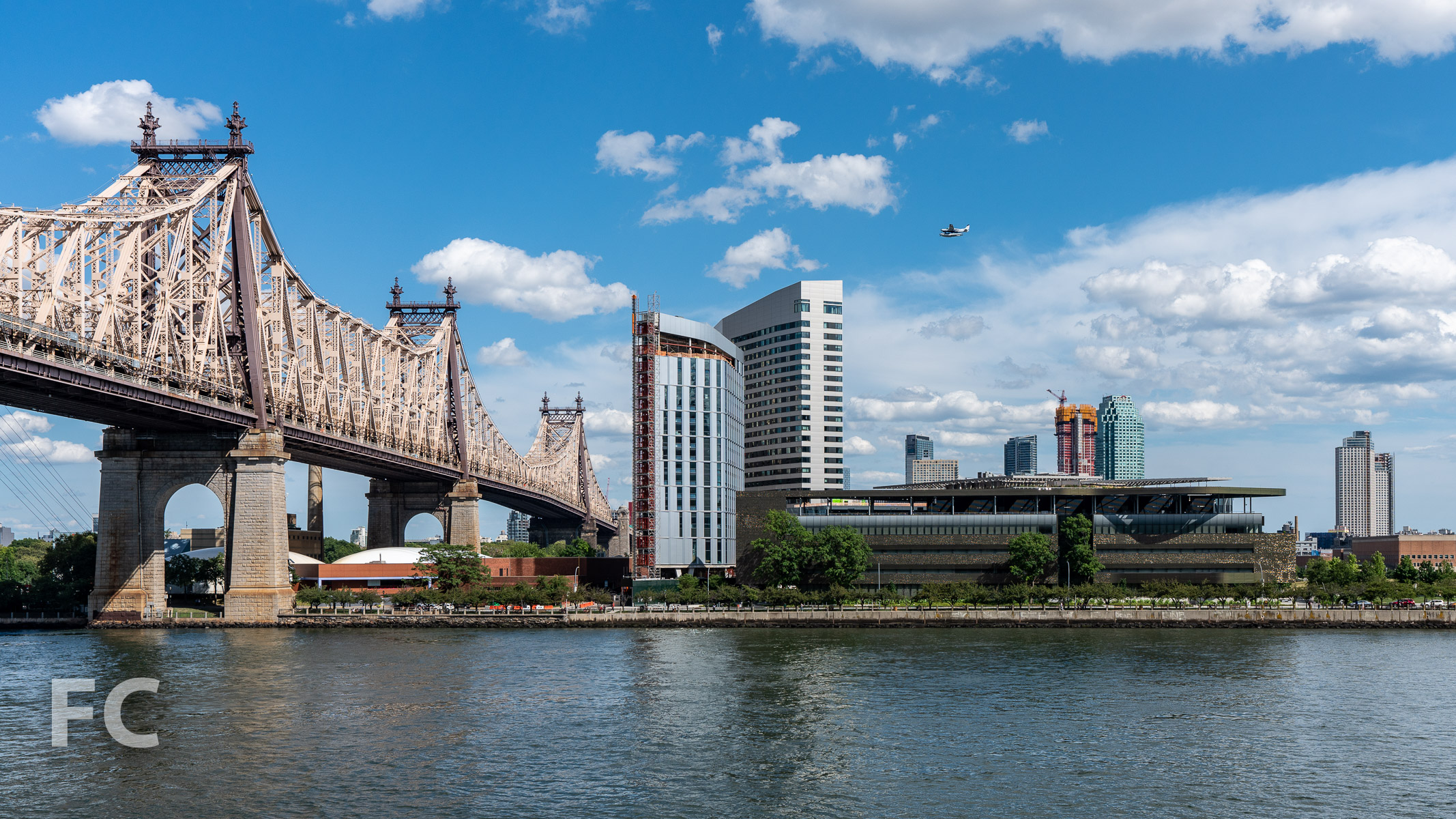
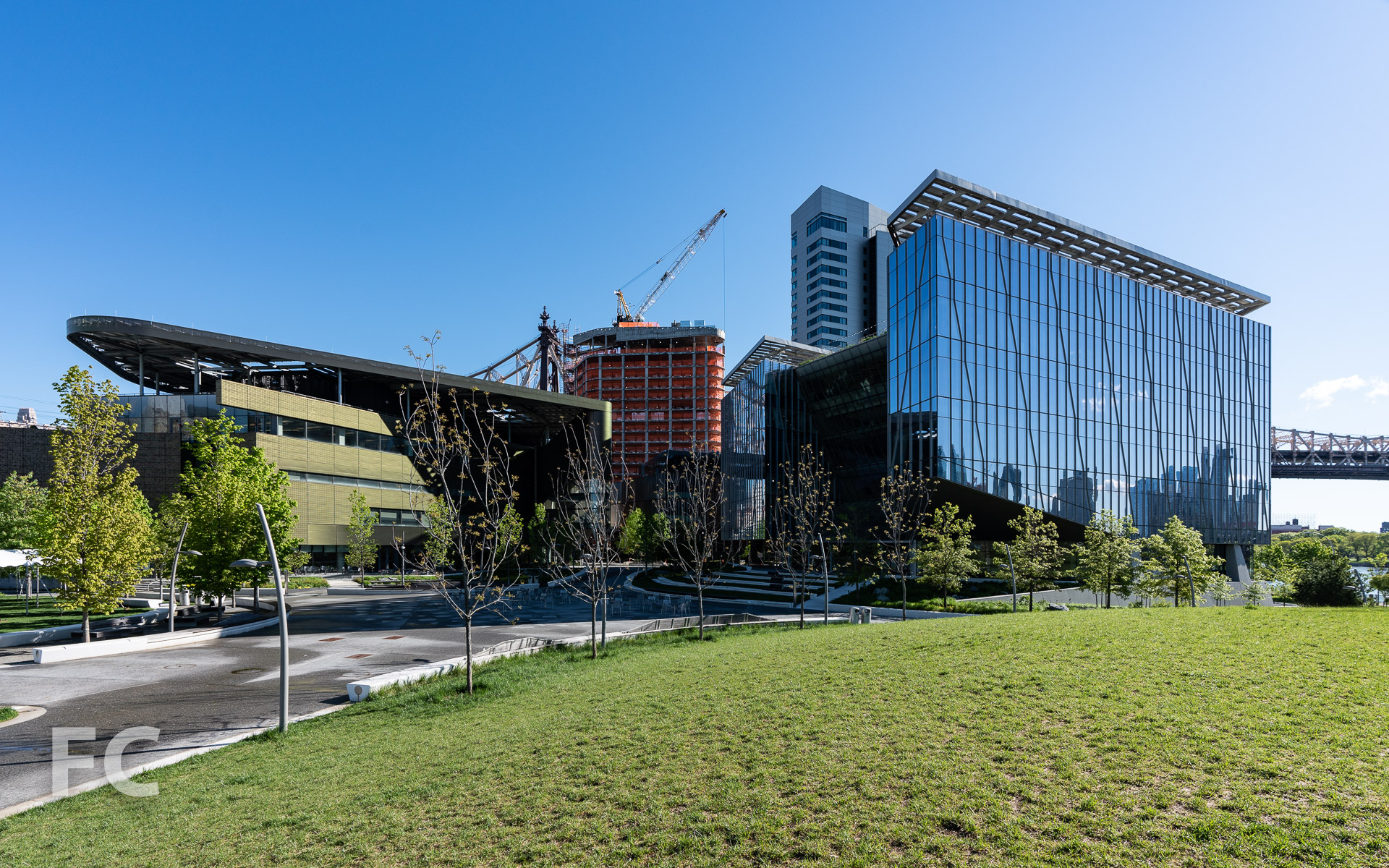
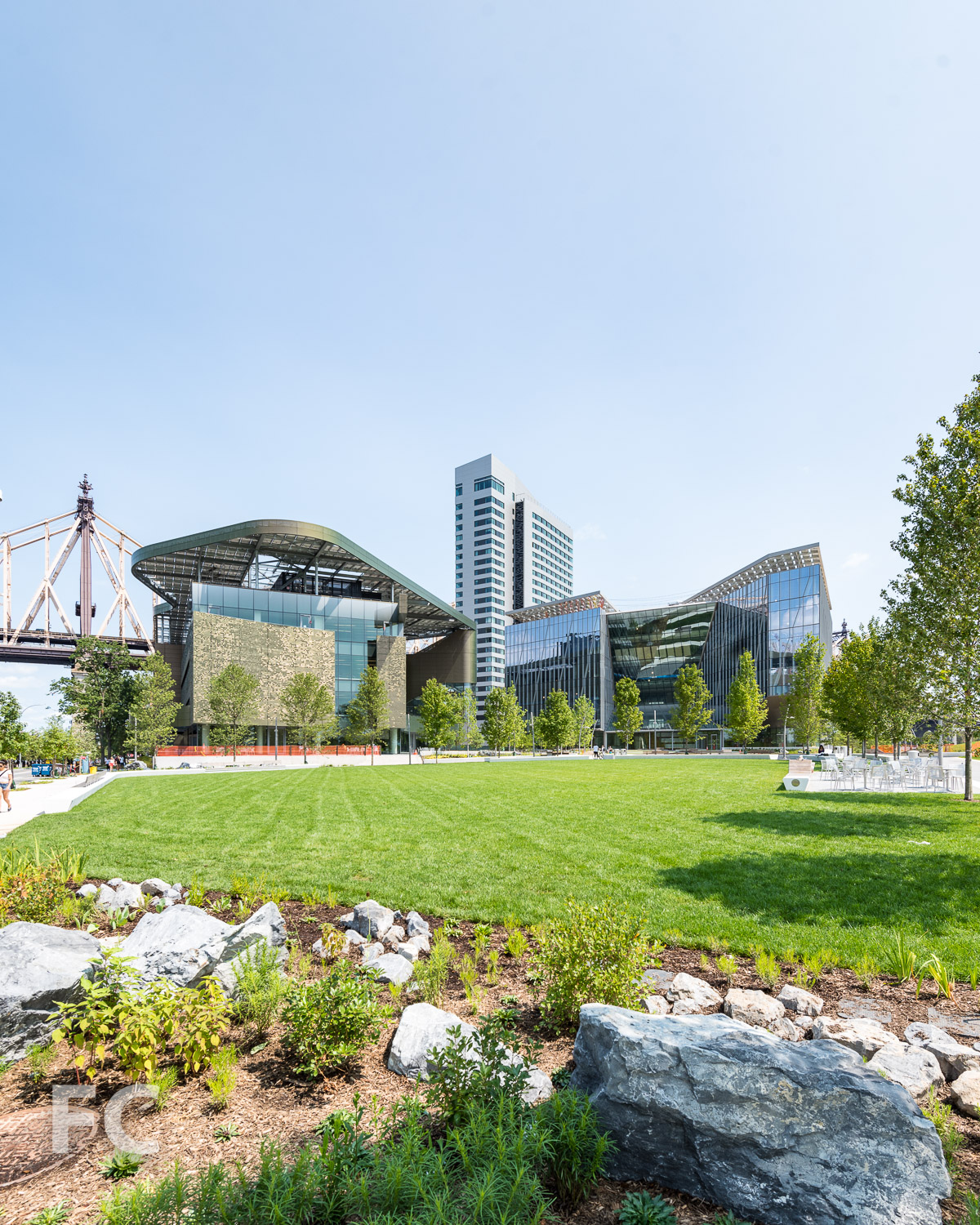
Northwest corner of the Cornell Tech campus.
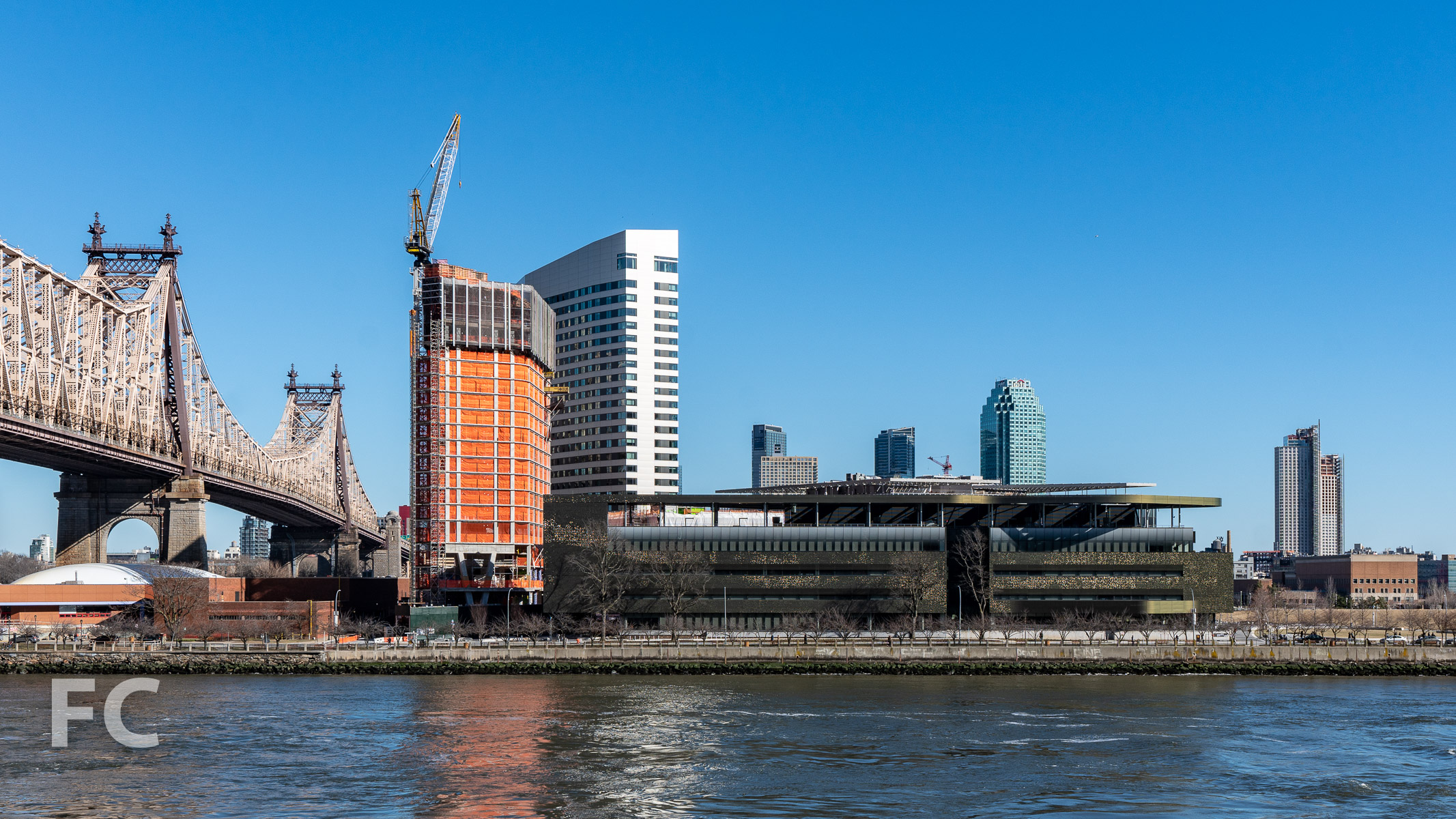
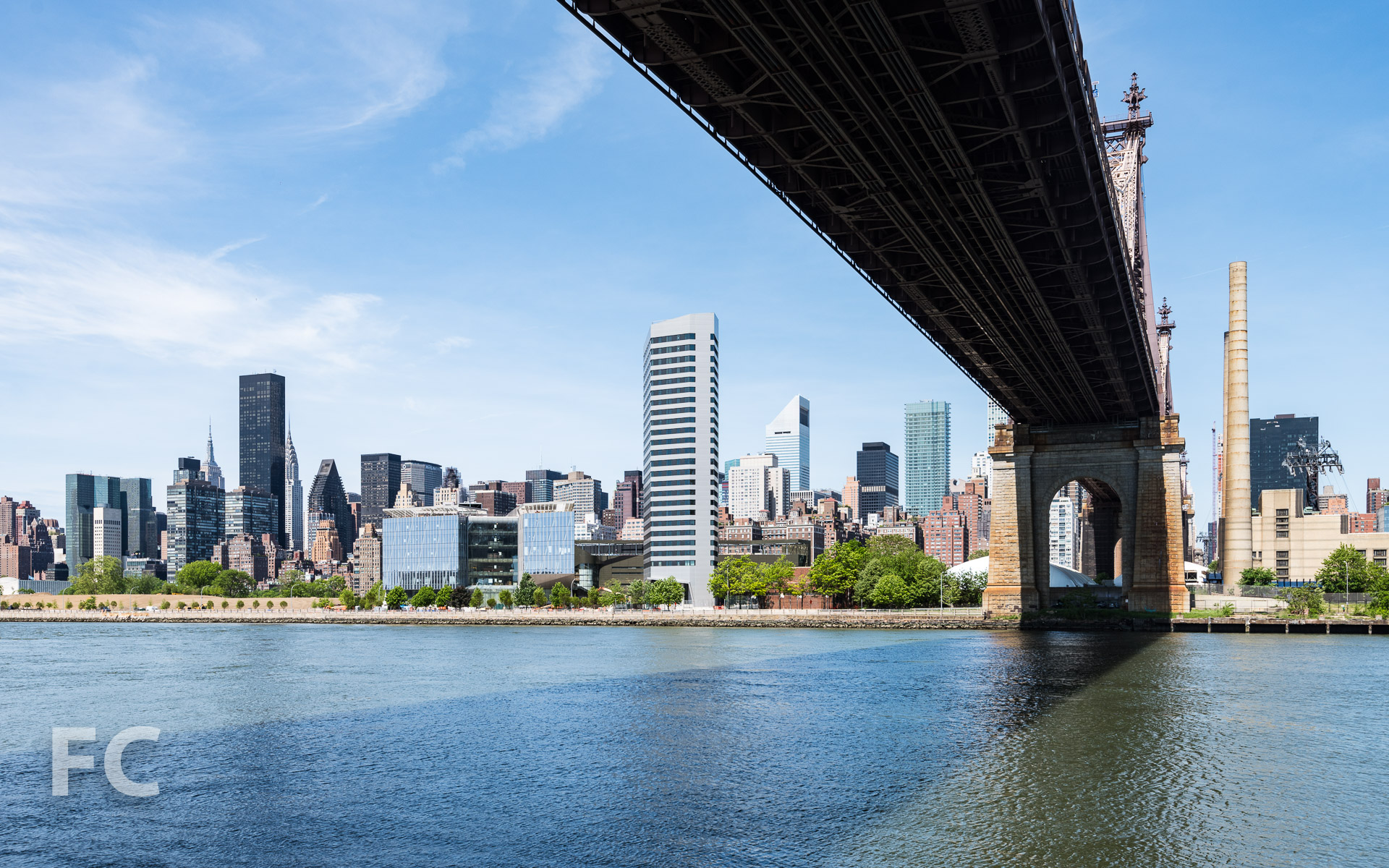
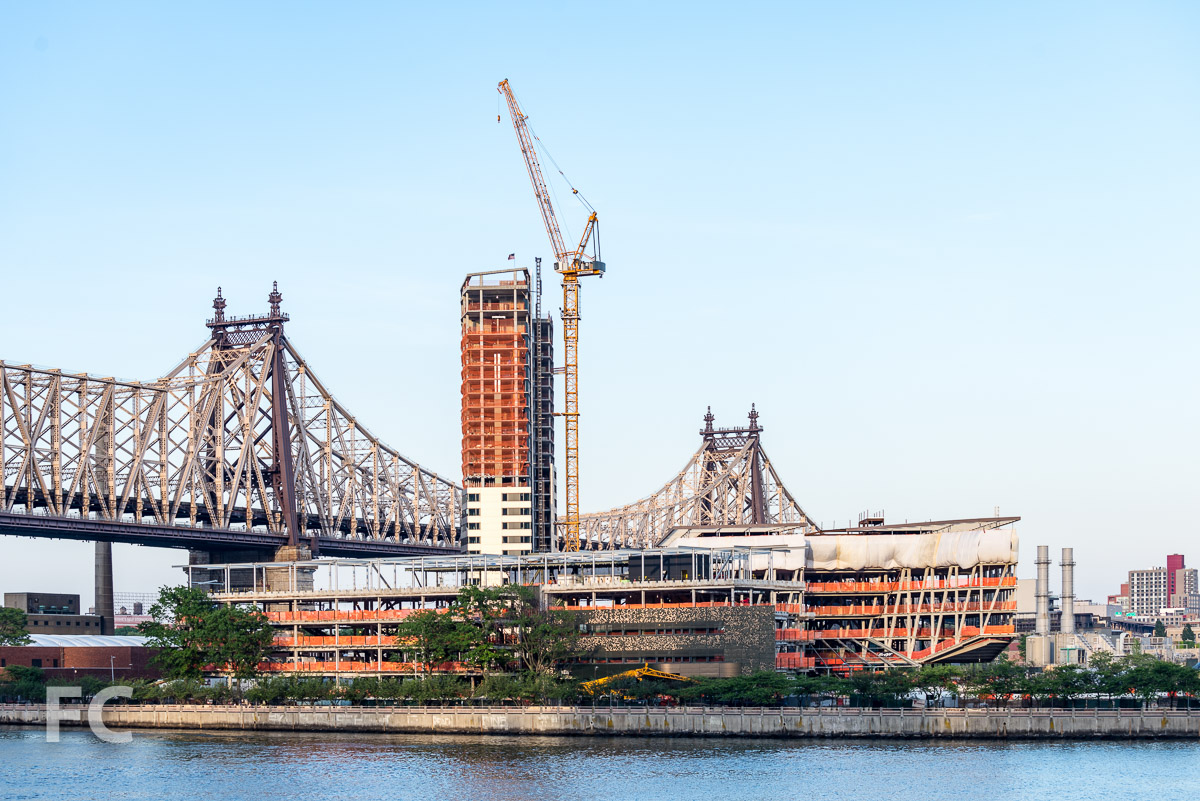
The first phase of the new campus for Cornell Tech on Roosevelt Island has officially for the fall semester. Established under a partnership between Cornell University and the Israel Institute of Technology, Cornell Tech serves as a graduate school for applied sciences that hopes to nurture the future of New York's growing tech industry. When the full master plan is realized in 2043, the completed campus will house 2 million square feet of space and 12 acres of open space for approximately 2,500 occupants.
Campus signage.
The Bloomberg Center
The Bloomberg Center, designed by Morphosis, serves as the main academic building for the first phase of the Cornell Tech campus. Faculty and students will be able to work independently and collaboratively in the building’s flexible space. Interaction with the public will be facilitated through the café and terrace. As with the other buildings on campus, The Bloomberg Center will pursue aggressive sustainability standards as it sets a goal of being the largest Net Zero energy use building in the United States. All of its energy will be generated on site through the use of geothermal wells for heating and cooling and a canopy of solar panels at the roof.
North façade of The Bloomberg Center.
Looking up at the east façade of The Bloomberg Center.
Southeast corner of The Bloomberg Center.
Morphosis has designed an iconic metal panel façade to cover the unitized, continuously insulated rainscreen wall system. A system of perforations in the panels catches the sunlight to create an organic pattern visible on campus and from afar.
Looking up at the south façade of The Bloomberg Center.
Southwest corner of The Bloomberg Center.
Close-up of the perforated metal panel façade of The Bloomberg Center.

The Bridge at Cornell Tech
The Bridge at Cornell Tech, designed by Weiss/Manfredi and developed by Forest City Ratner Companies, will serve as a corporate co-location facility to bring together established tech companies, startups, and academic researchers to accelerate the introduction of new technologies to the market. The 230,000 square foot building will pursue a minimum of LEED Silver with sustainable features such as 16,500 square feet of rooftop solar panels, efficient water fixtures, stormwater capture, and a ground floor elevated 10 feet above the 100 year flood plane. A glass curtain wall with a vertical frit pattern clads the steel structure, offering expansive light and views to the 14 foot floor to floor height work spaces.
Northeast corner of The Bridge.
Southwest corner of The Bridge.
Close-up of the façade of The Bridge.
Lobby of The Bridge.
The House at Cornell Tech
The House at Cornell Tech, designed by Handel Architects and developed in partnership with The Hudson Companies and The Related Companies, will offer 350 residential units for students and faculty of the college. Rising to a height of 270 feet, the tower is the tallest building on campus and will be the world’s tallest Passive House designed structure at completion. The Passive House energy standard was developed in Germany and is considered the most rigorous energy efficiency standard in the world. Buildings designed to this standard typically achieve energy consumption reduction of 60% to 80% that of a similar code building.
Northwest corner of The House.
Looking up at the south façade of The House.
As part of the energy efficient design of the building, the façade is clad in unitized mega panels of metal panel and punched windows that are designed and prefabricated for better control of air infiltration, reducing heating and cooling loss. A special color changing paint is employed on the metal panels that will shift from silver to warm champagne in the natural light. The southwest corner of the façade features a vertical strip of louvers that act as the building’s “gills”, concealing the outdoor space where the heating and cooling equipment are housed.
Residential entry at The House.

Amenities will include furnished common spaces, fitness center, landscaped ground floor porch and rooftop terraces, rooftop party room, and bicycle storage.
Southwest corner of The House.
Architects: SOM (Master Plan, Central Utility Plant), Landscape Architects: Field Operations (Open Space Master Plan, Campus Open Space); Location: Roosevelt Island, New York, NY; Completion: 2017.
BLOOMBERG CENTER:
Architect: Morphosis; Structural Engineer: Arup; MEP Engineer: Arup; Facade Consultant: Arup; Client: Cornell University; Program: Education.
THE BRIDGE AT CORNELL TECH:
Architect: Weiss/Manfredi; Program: Office.
THE HOUSE AT CORNELL TECH:
Architect: Handel Architects; Structural Engineer: Buro Happold; MEP Engineer: Buro Happold; Facade Consultant: Socotec; Sustainability and Passive House Consultant: Steven Winter Associates; General Contractor: Monadnock Construction; Client: Cornell University, Related Companies, Hudson Companies; Program: Residential.