
Public Plaza at One High Line
Diller Scofidio + Renfro / Field Operations · Chelsea · 2025
Construction has wrapped up at the new park adjacent to the High Line and the One High Line development. Designed by Field Operations and Diller Scofidio + Renfro, the public plaza features curvilinear concrete planters with wood slatted benches attached and freestanding. At the park’s northern boundary along 18th Street, there is a new staircase up to the High Line and a billboard that currently displays the artwork “Don’t ASK” by Allison Katz.
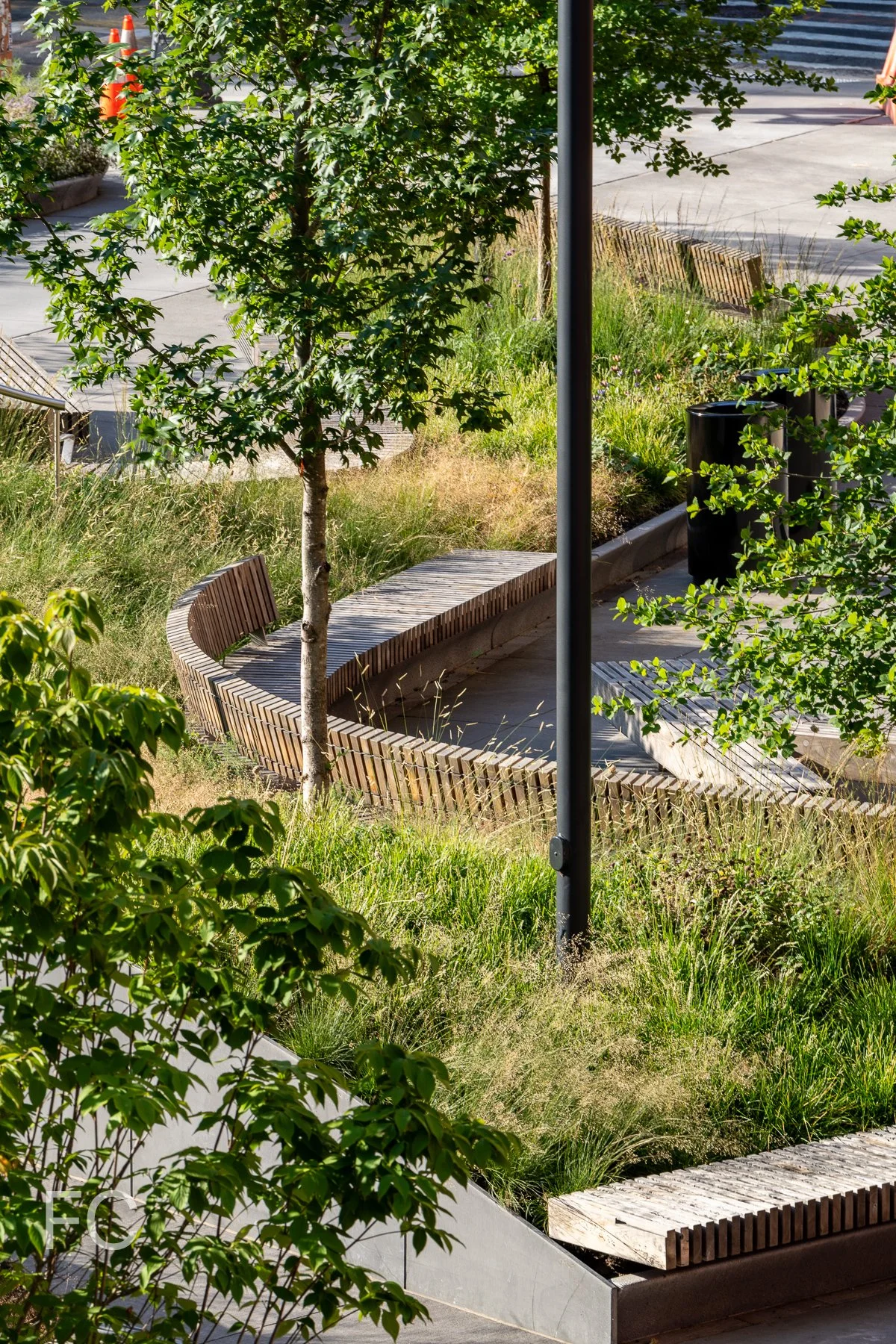
Architect: Diller Scofidio + Renfro; Landscape Architect: Field Operations; Program: Park; Location: High Line, New York, NY; Completion: 2025.
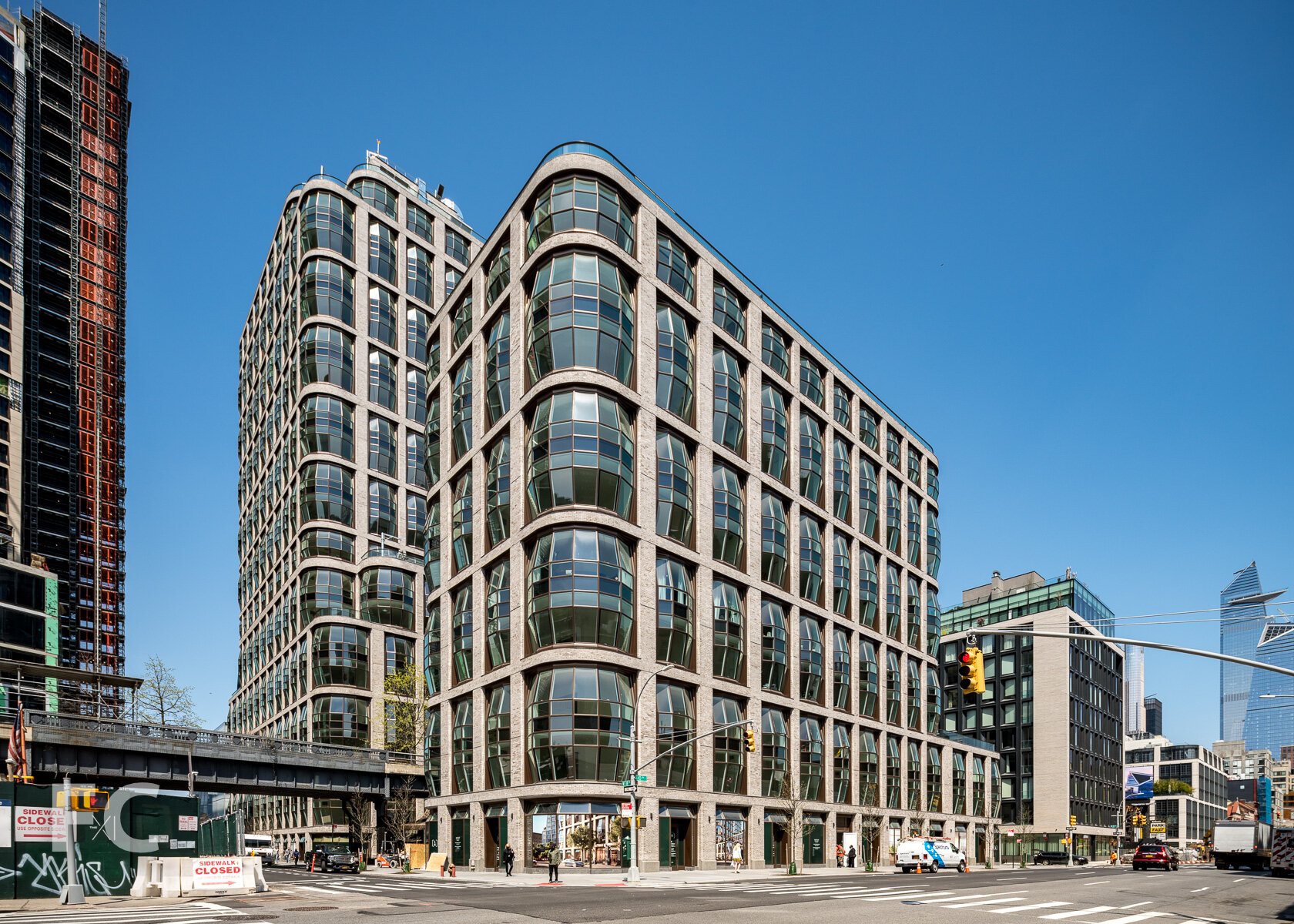

Construction Update: High Line Moynihan Connector
Woodland Bridge from the High Line.
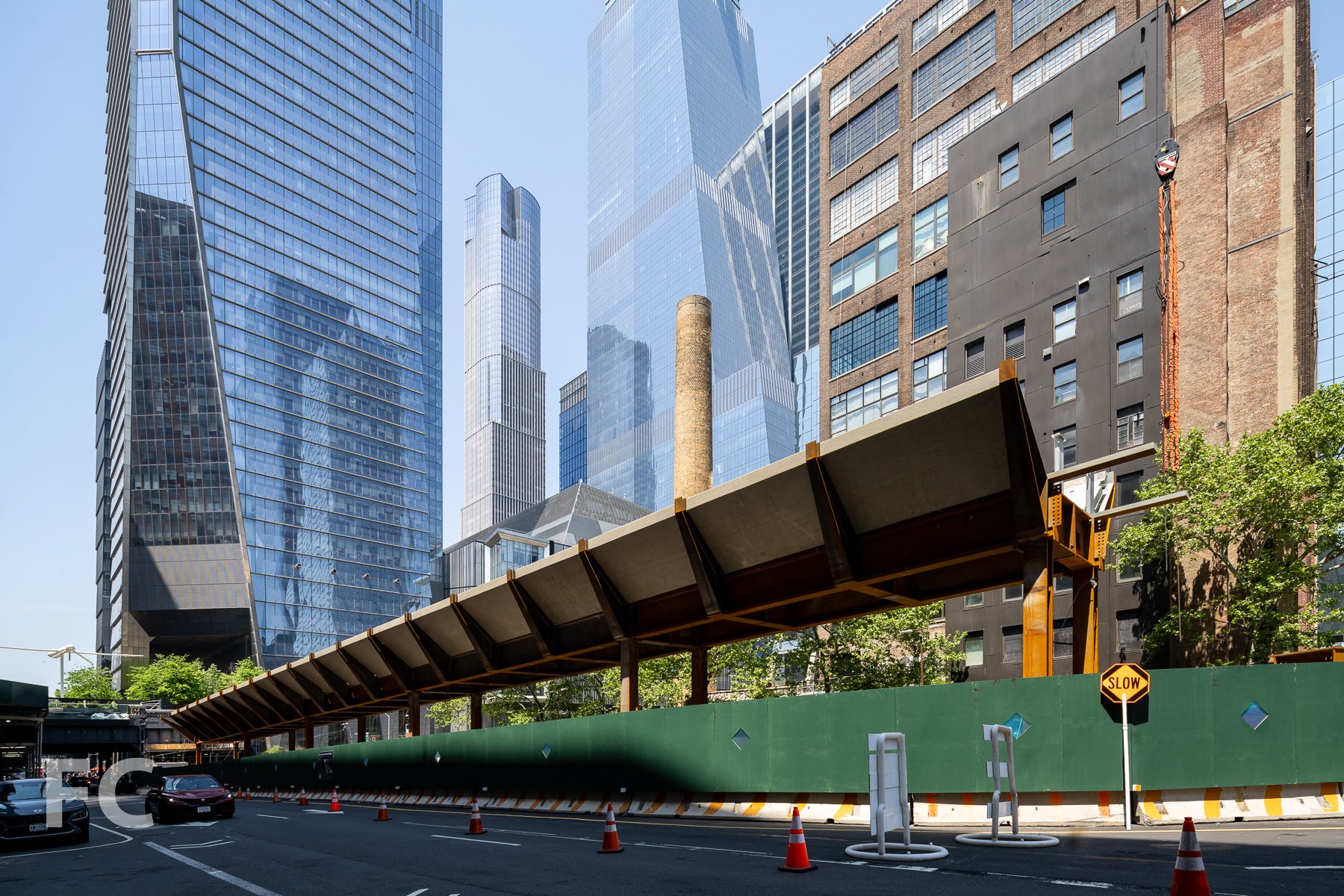
Construction is underway on the High Line Moynihan Connector, an elevated public-pedestrian pathway linking the High Line’s Spur at West 30th Street and 10th Avenue with Moynihan Station. The project is led by a public-private partnership between Empire State Development (ESD), Friends of the High Line, and Brookfield Properties. SOM and James Corner Field Operations are jointly responsible for the design of the elevated pathway. Currently under construction, the 600 foot long Woodland Bridge will run along West 30th Street and feature deep soil beds with trees lining the pedestrian path. At the eastern end of the bridge, a second 600 foot long bridge, the Timber Bridge, will run north along Dyer Avenue to the public plaza at Manhattan West. That bridge’s design will feature a Warren truss made of sustainably sourced wood. Completion of the connector is set for the spring of 2023.
Woodland Bridge from West 30th Street.
Closeup of the Woodland Bridge structure.
Closeup of the Woodland Bridge structure.
Woodland Bridge from West 30th Street.
Woodland Bridge from West 30th Street.
Closeup of the Woodland Bridge structure.
Woodland Bridge from The Spur at the High Line.
Architect: SOM; Landscape Architect: Field Operations; Client: Empire State Development (ESD), Friends of the High Line, and Brookfield Properties; Program: Park; Location: Hudson Yards, New York, NY; Completion: Spring 2023.
Tour: Domino Park & 1 South 1st Street / 10 Grand Street
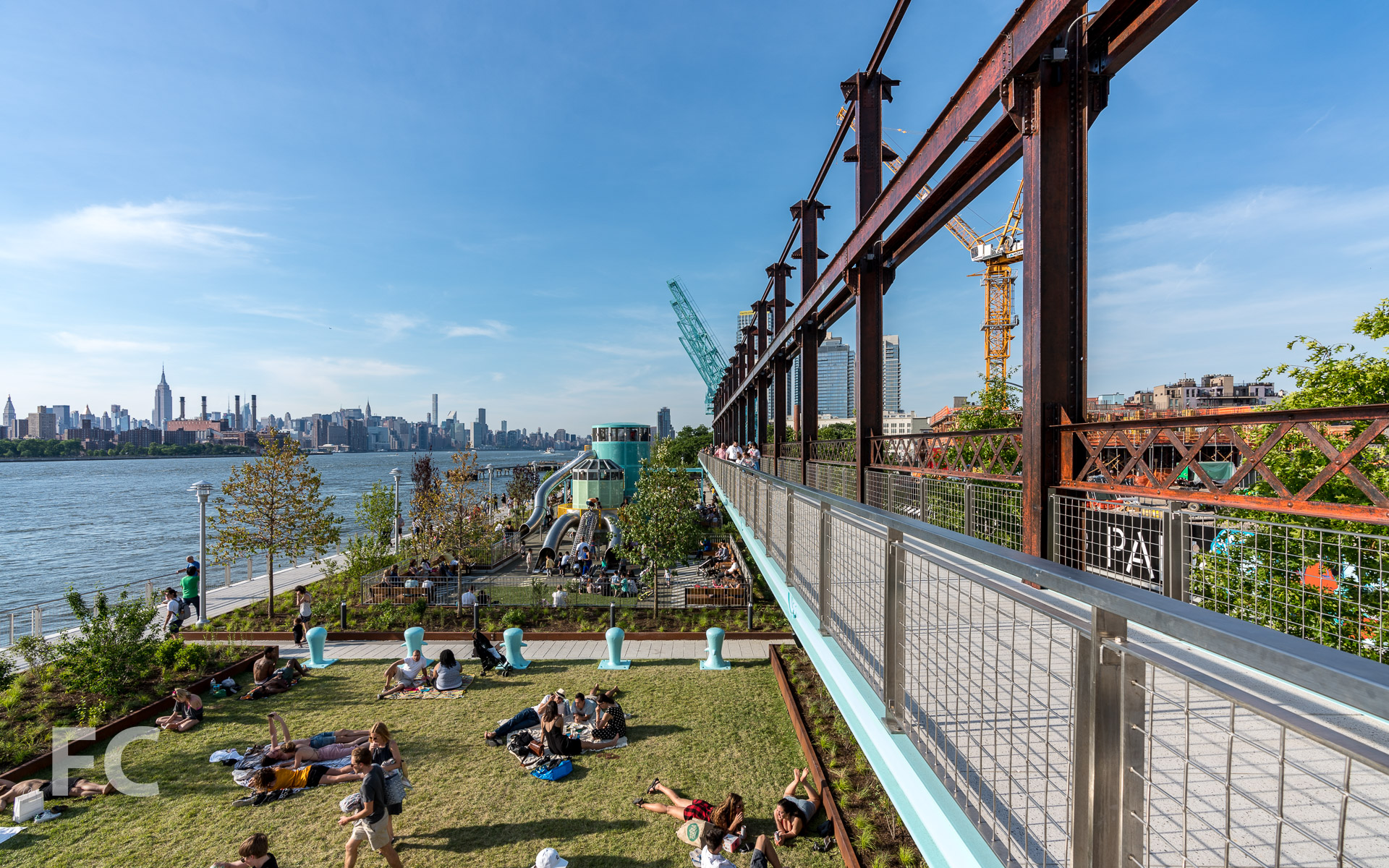
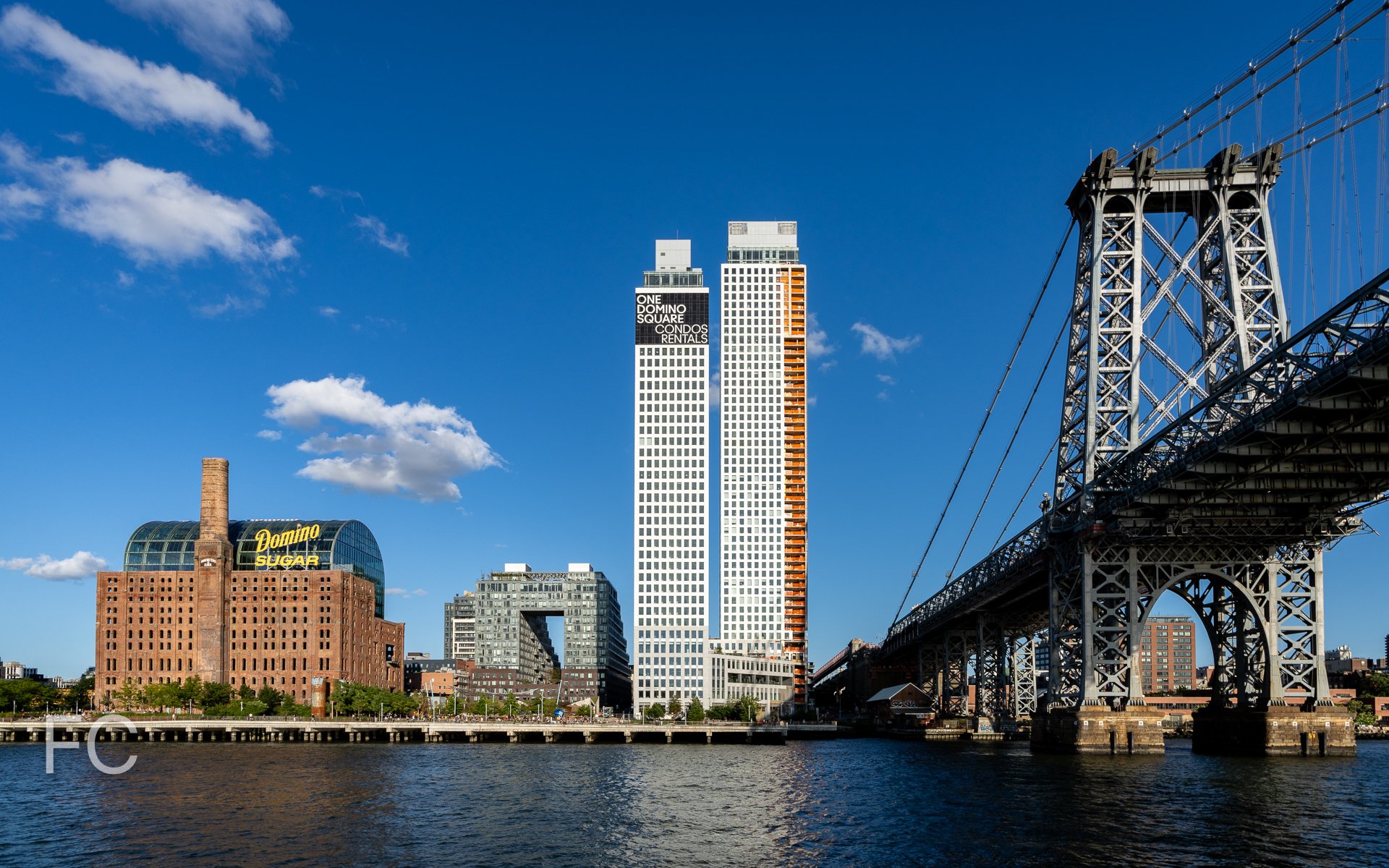
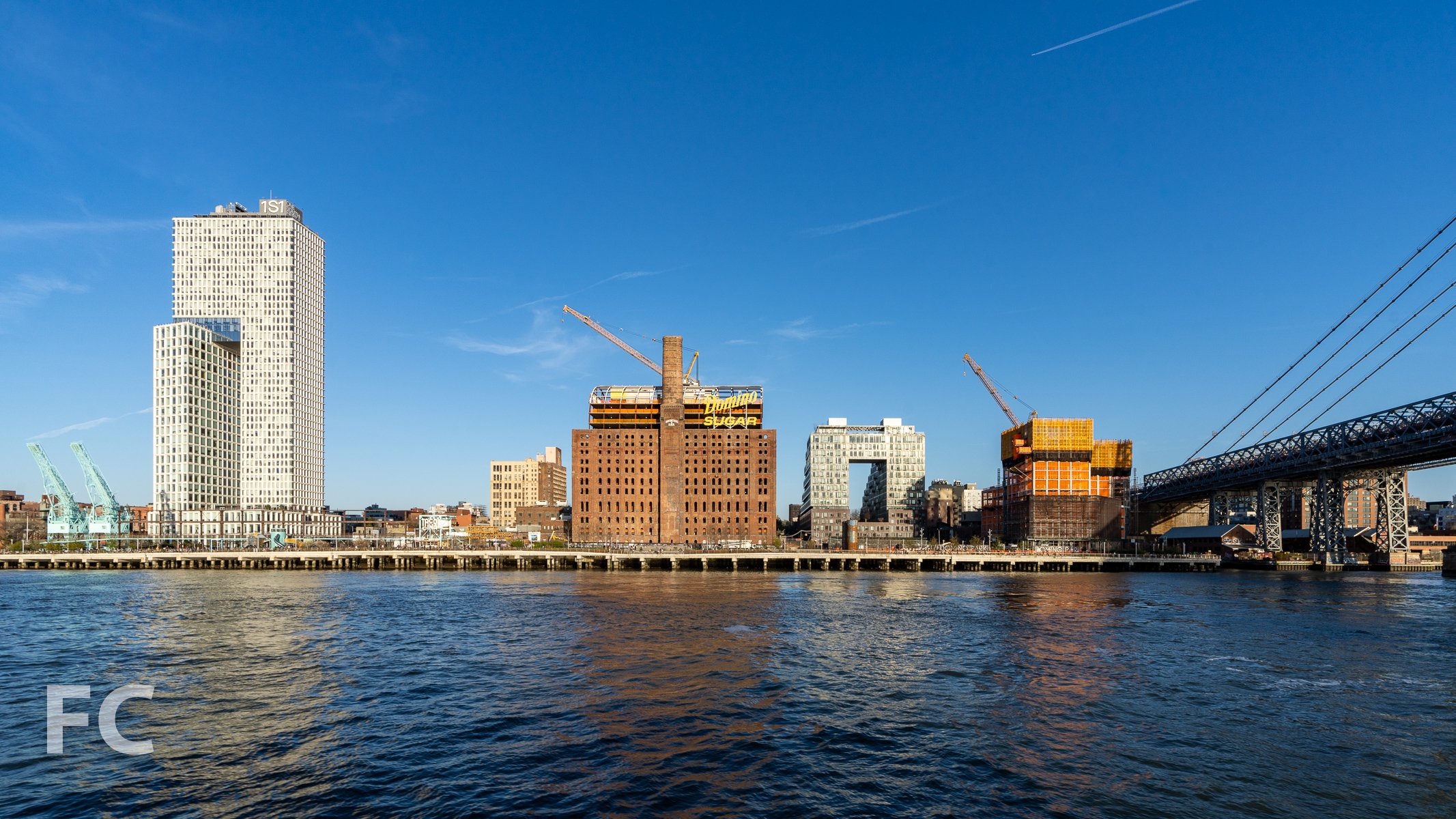
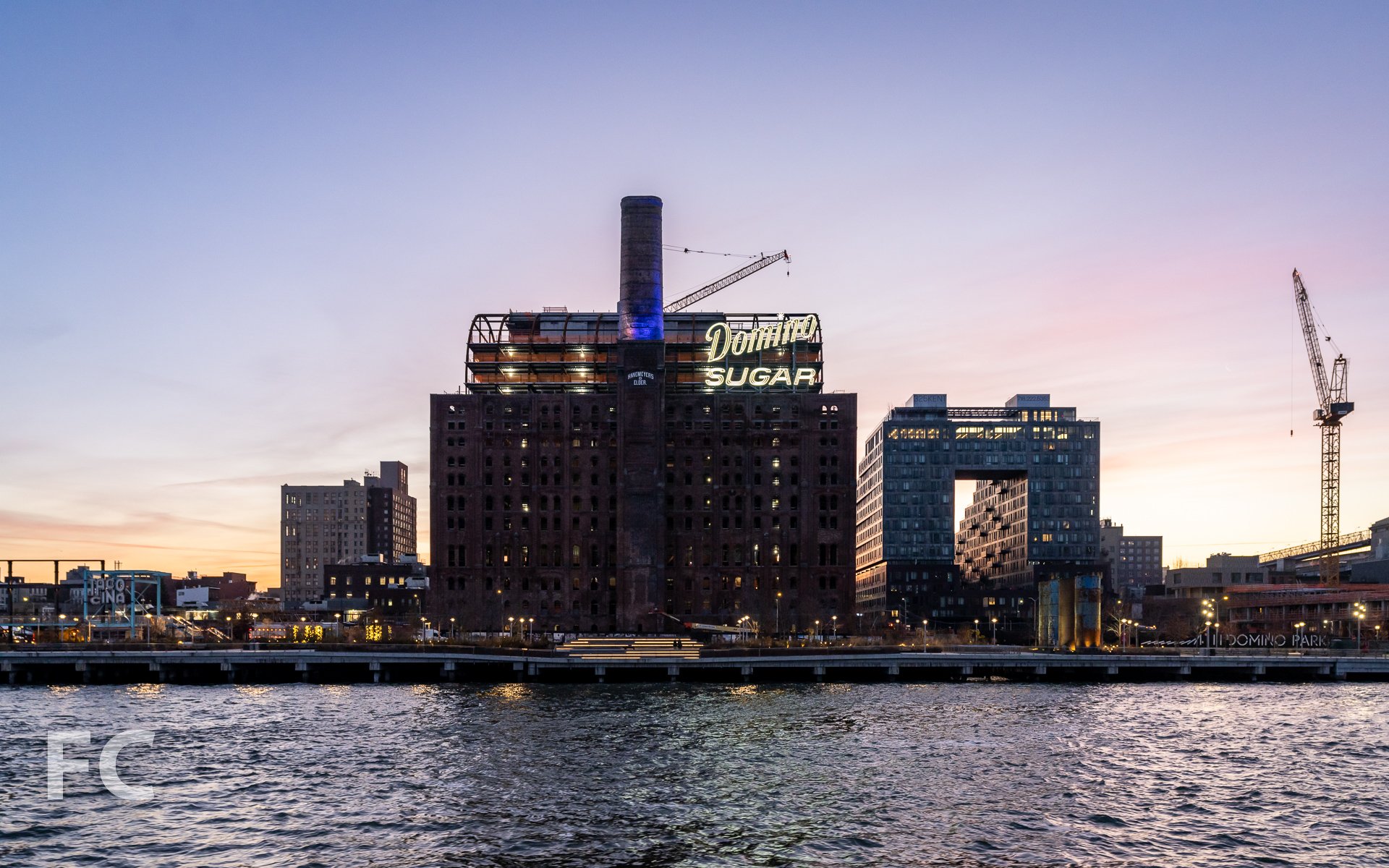
Brooklyn's Williamsburg neighborhood, the most underserved area for open space in the city, has a new waterfront park. Developed by Two Trees as part of their 11 acre Domino Sugar development, the 6 acre Domino Park provides a 1,200 foot long waterfront esplanade adjacent to sites for four new residential towers and the renovated refinery building. The linear waterfront park is divided into three distinct programmatic areas: an active recreation space to the south, a central gathering space at Water Square, and a passive northern zone that includes an artifact walk incorporating items from the site's former industrial use.
260 Kent
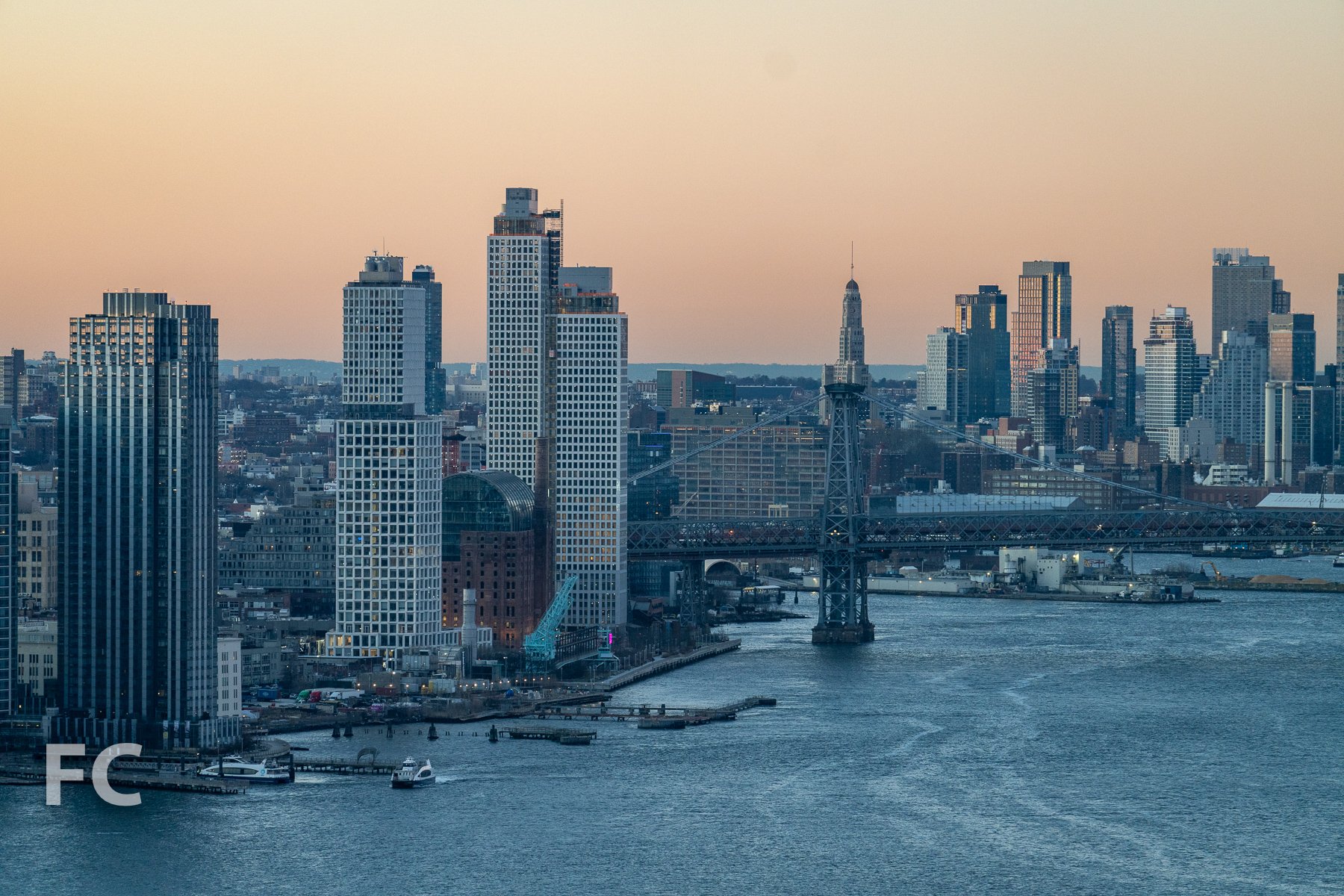
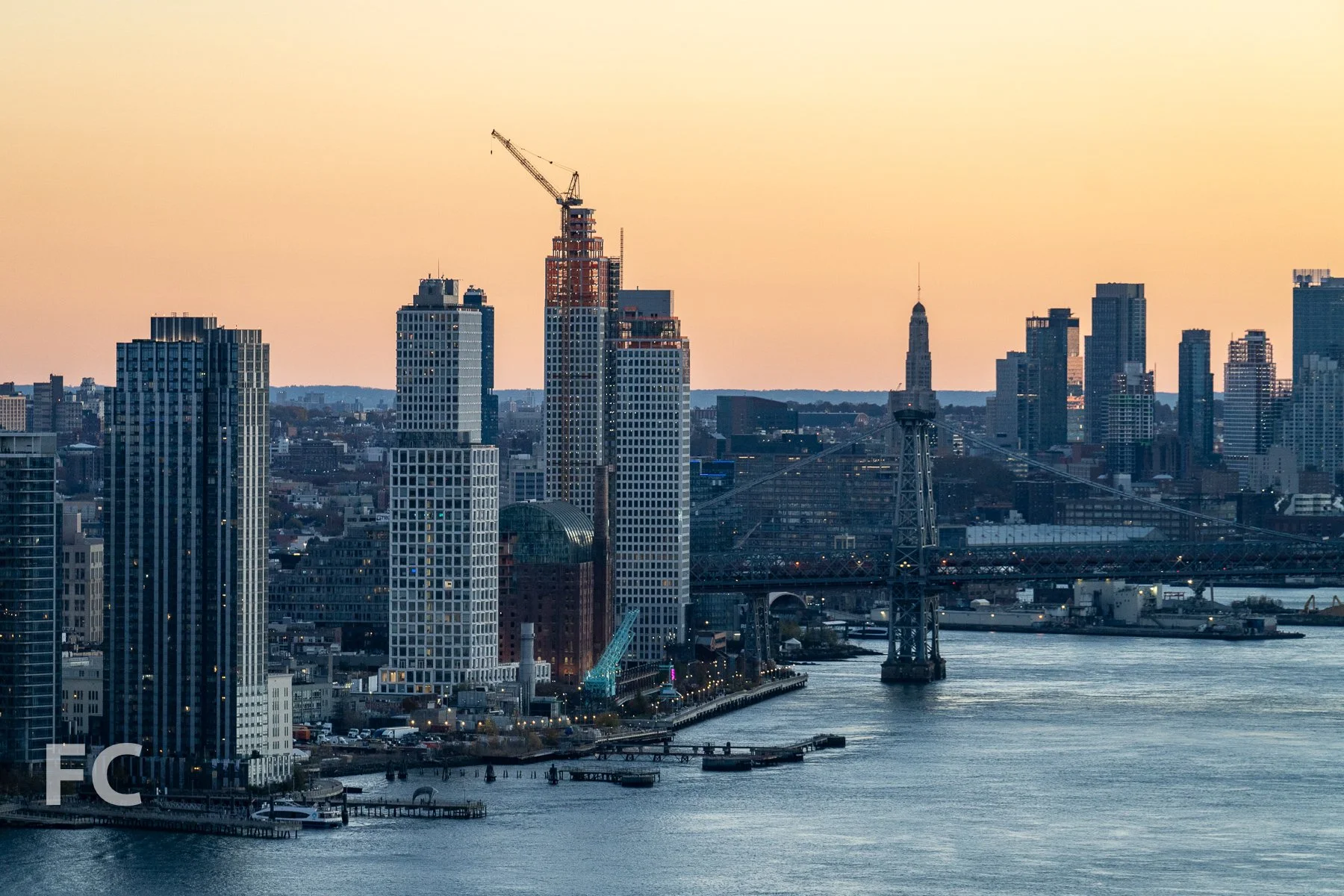
Construction is underway on the second residential tower of the masterplan, 260 Kent. Designed by COOKFOX Architects, the 42-story tower is located at the northern boundary of the site. Along with 330 residential rental units, the mixed-use building will also contain 22-commercial floors with 150,000 square feet of office space and 13,000 square feet of retail.
Landscape Architect: James Corner Field Operations; Architect: SHoP Architects (327 Kent Ave), COOKFOX Architects (260 Kent Ave); Developer: Two Trees Management; Location: Williamsburg, Brooklyn, NY; Completion: 2019 (260 Kent Ave), 2018 (Domino Park), 2017 (325 Kent Ave).




Construction Tour: Domino Park
Looking down on the southern half of the park from 325 Kent Avenue's rooftop amenity deck.
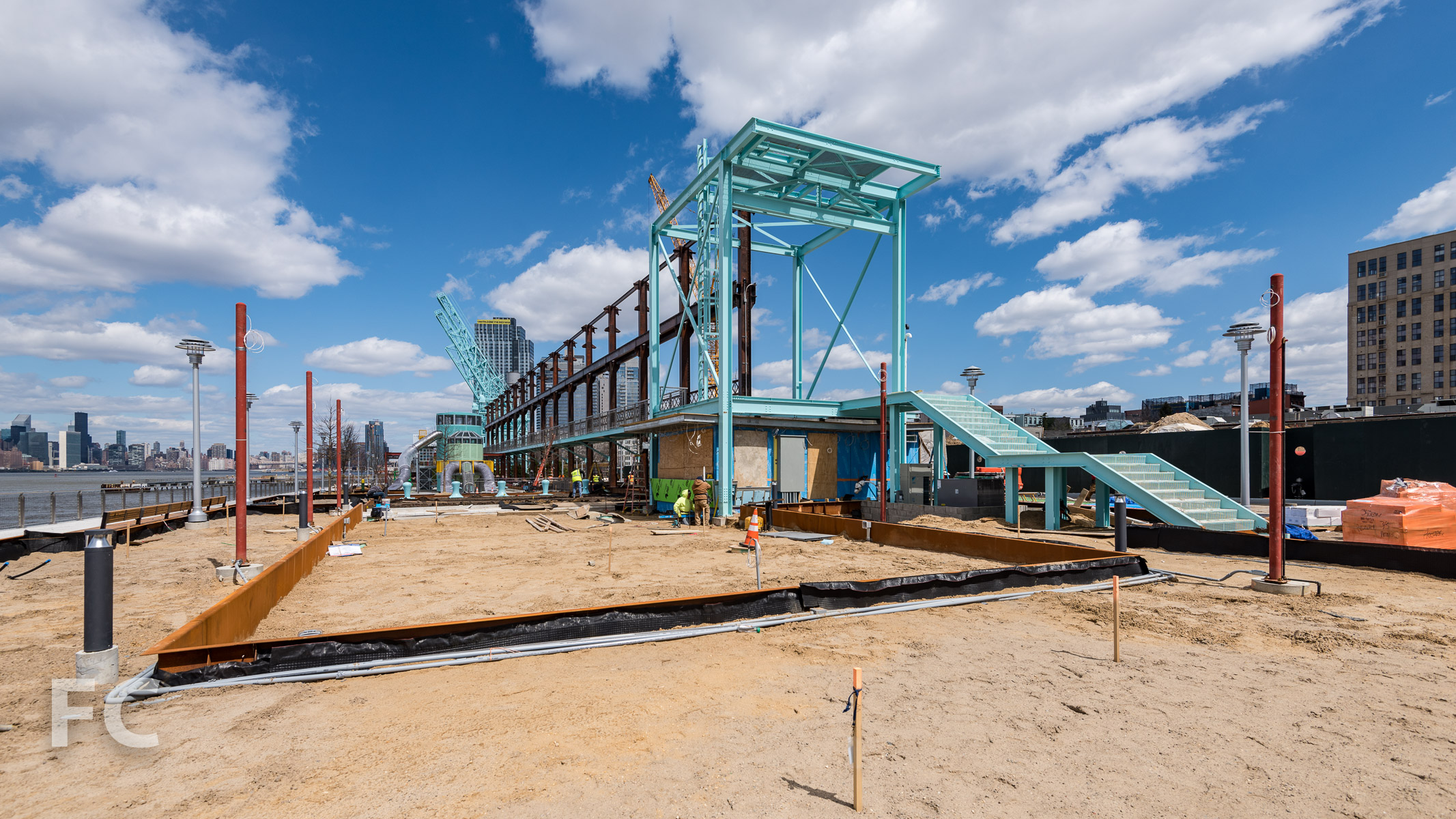
Brooklyn's Williamsburg neighborhood, the most underserved area for open space in the city, will soon have a new waterfront park. Developed by Two Trees as part of their 11 acre Domino Sugar development, the 6 acre Domino Park will open this June and provide a 1,200 foot long waterfront esplanade adjacent to four new residential towers and the renovated refinery building. The linear waterfront park is divided into three distinct programmatic areas: an active recreation space to the south, a central gathering space at Water Square, and a passive northern zone that includes an artifact walk incorporating items from the site's former industrial use.
Southern half of the park from 325 Kent Avenue's rooftop amenity deck.
260 Kent Avenue on the rise at the northern boundary of the park.
Rooftop amenity deck at 325 Kent Avenue.
Water Square.
Looking up at the refinery building from Water Square.
Inside the refinery building before renovation begins.
Pier reveal.
325 Kent Avenue (background) and the future volleyball court (foreground) from the active recreation area of the park
Crane platform and elevated walk.
Children's play area.
Gantry cranes.
Crane tracks.
Elevated walkway to the gantry cranes.
260 Kent
Construction is underway on the second residential tower of the masterplan, 260 Kent. Designed by COOKFOX Architects, the 42-story tower is located at the northern boundary of the site. Along with 330 residential rental units, the mixed-use building will also contain 22-commercial floors with 150,000 square feet of office space and 13,000 square feet of retail.
Looking at the site of 260 Kent Avenue from the elevated gantry crane walk.
Domino Sugar site on the East River waterfront.
Northern half of the Domino Sugar site with the crane for 260 Kent Avenue (center).
Landscape Architect: James Corner Field Operations; Architect: SHoP Architects (327 Kent Ave), COOKFOX Architects (260 Kent Ave); Developer: Two Trees Management; Location: Williamsburg, Brooklyn, NY; Completion: 2019 (260 Kent Ave), 2018 (Park), 2017 (325 Kent Ave).
Tour: Cornell Tech Campus
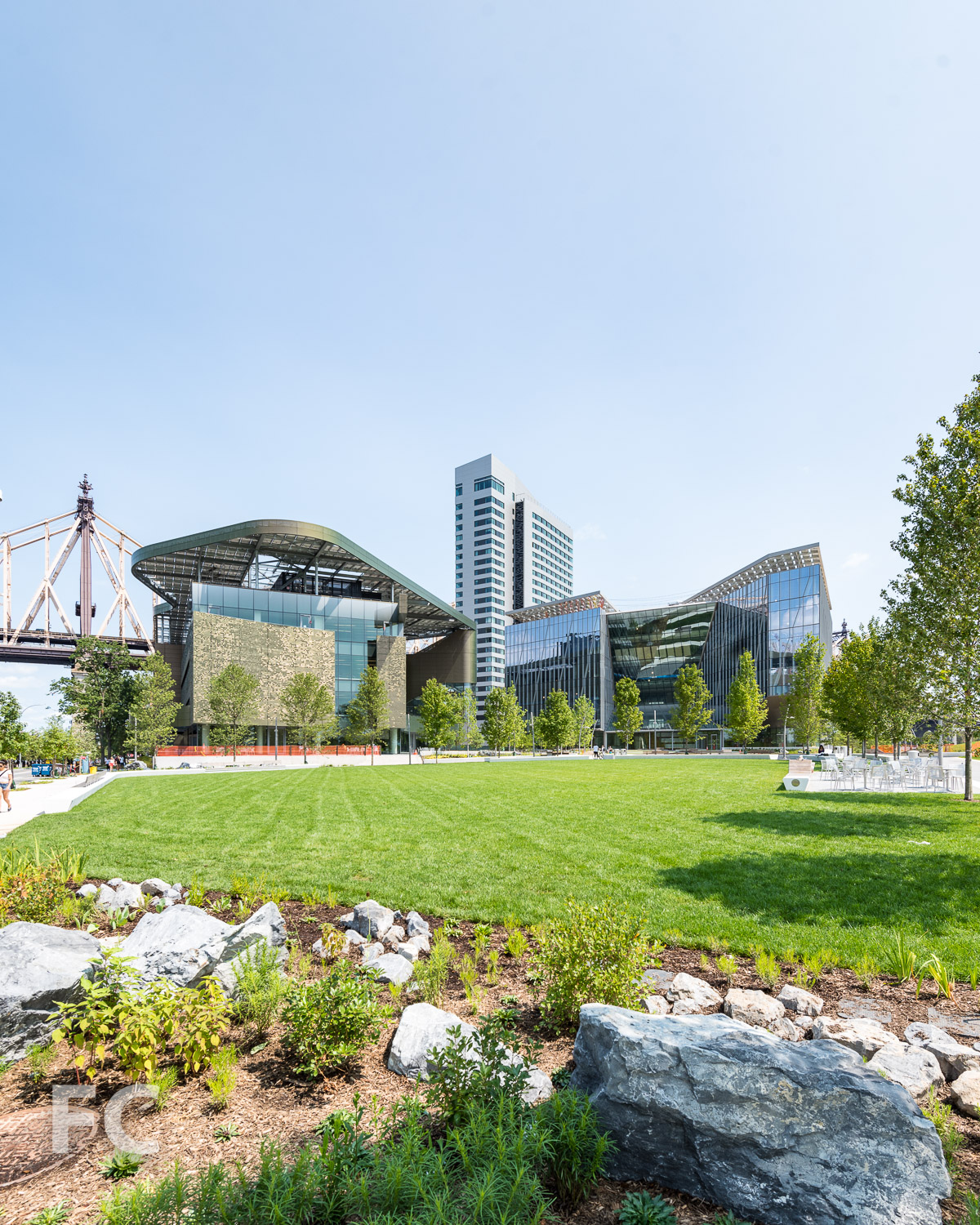
Northwest corner of the Cornell Tech campus.
The first phase of the new campus for Cornell Tech on Roosevelt Island has officially for the fall semester. Established under a partnership between Cornell University and the Israel Institute of Technology, Cornell Tech serves as a graduate school for applied sciences that hopes to nurture the future of New York's growing tech industry. When the full master plan is realized in 2043, the completed campus will house 2 million square feet of space and 12 acres of open space for approximately 2,500 occupants.
Campus signage.
The Bloomberg Center
The Bloomberg Center, designed by Morphosis, serves as the main academic building for the first phase of the Cornell Tech campus. Faculty and students will be able to work independently and collaboratively in the building’s flexible space. Interaction with the public will be facilitated through the café and terrace. As with the other buildings on campus, The Bloomberg Center will pursue aggressive sustainability standards as it sets a goal of being the largest Net Zero energy use building in the United States. All of its energy will be generated on site through the use of geothermal wells for heating and cooling and a canopy of solar panels at the roof.
North façade of The Bloomberg Center.
Looking up at the east façade of The Bloomberg Center.
Southeast corner of The Bloomberg Center.
Morphosis has designed an iconic metal panel façade to cover the unitized, continuously insulated rainscreen wall system. A system of perforations in the panels catches the sunlight to create an organic pattern visible on campus and from afar.
Looking up at the south façade of The Bloomberg Center.
Southwest corner of The Bloomberg Center.
Close-up of the perforated metal panel façade of The Bloomberg Center.

The Bridge at Cornell Tech
The Bridge at Cornell Tech, designed by Weiss/Manfredi and developed by Forest City Ratner Companies, will serve as a corporate co-location facility to bring together established tech companies, startups, and academic researchers to accelerate the introduction of new technologies to the market. The 230,000 square foot building will pursue a minimum of LEED Silver with sustainable features such as 16,500 square feet of rooftop solar panels, efficient water fixtures, stormwater capture, and a ground floor elevated 10 feet above the 100 year flood plane. A glass curtain wall with a vertical frit pattern clads the steel structure, offering expansive light and views to the 14 foot floor to floor height work spaces.
Northeast corner of The Bridge.
Southwest corner of The Bridge.
Close-up of the façade of The Bridge.
Lobby of The Bridge.
The House at Cornell Tech
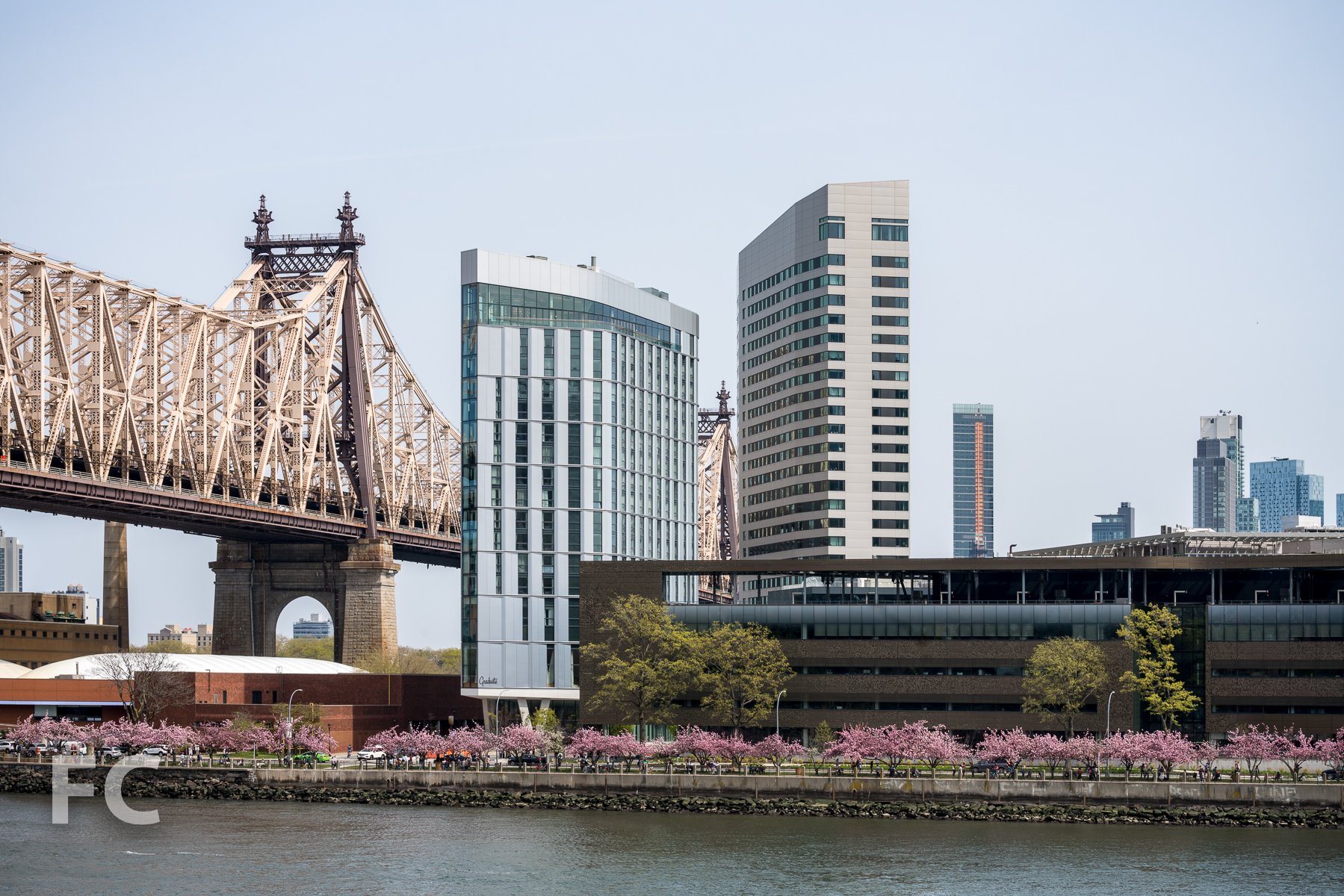
The House at Cornell Tech, designed by Handel Architects and developed in partnership with The Hudson Companies and The Related Companies, will offer 350 residential units for students and faculty of the college. Rising to a height of 270 feet, the tower is the tallest building on campus and will be the world’s tallest Passive House designed structure at completion. The Passive House energy standard was developed in Germany and is considered the most rigorous energy efficiency standard in the world. Buildings designed to this standard typically achieve energy consumption reduction of 60% to 80% that of a similar code building.
Northwest corner of The House.
Looking up at the south façade of The House.
As part of the energy efficient design of the building, the façade is clad in unitized mega panels of metal panel and punched windows that are designed and prefabricated for better control of air infiltration, reducing heating and cooling loss. A special color changing paint is employed on the metal panels that will shift from silver to warm champagne in the natural light. The southwest corner of the façade features a vertical strip of louvers that act as the building’s “gills”, concealing the outdoor space where the heating and cooling equipment are housed.
Residential entry at The House.

Amenities will include furnished common spaces, fitness center, landscaped ground floor porch and rooftop terraces, rooftop party room, and bicycle storage.
Southwest corner of The House.
Architects: SOM (Master Plan, Central Utility Plant), Landscape Architects: Field Operations (Open Space Master Plan, Campus Open Space); Location: Roosevelt Island, New York, NY; Completion: 2017.
BLOOMBERG CENTER:
Architect: Morphosis; Structural Engineer: Arup; MEP Engineer: Arup; Facade Consultant: Arup; Client: Cornell University; Program: Education.
THE BRIDGE AT CORNELL TECH:
Architect: Weiss/Manfredi; Program: Office.
THE HOUSE AT CORNELL TECH:
Architect: Handel Architects; Structural Engineer: Buro Happold; MEP Engineer: Buro Happold; Facade Consultant: Socotec; Sustainability and Passive House Consultant: Steven Winter Associates; General Contractor: Monadnock Construction; Client: Cornell University, Related Companies, Hudson Companies; Program: Residential.

Cornell Tech Campus
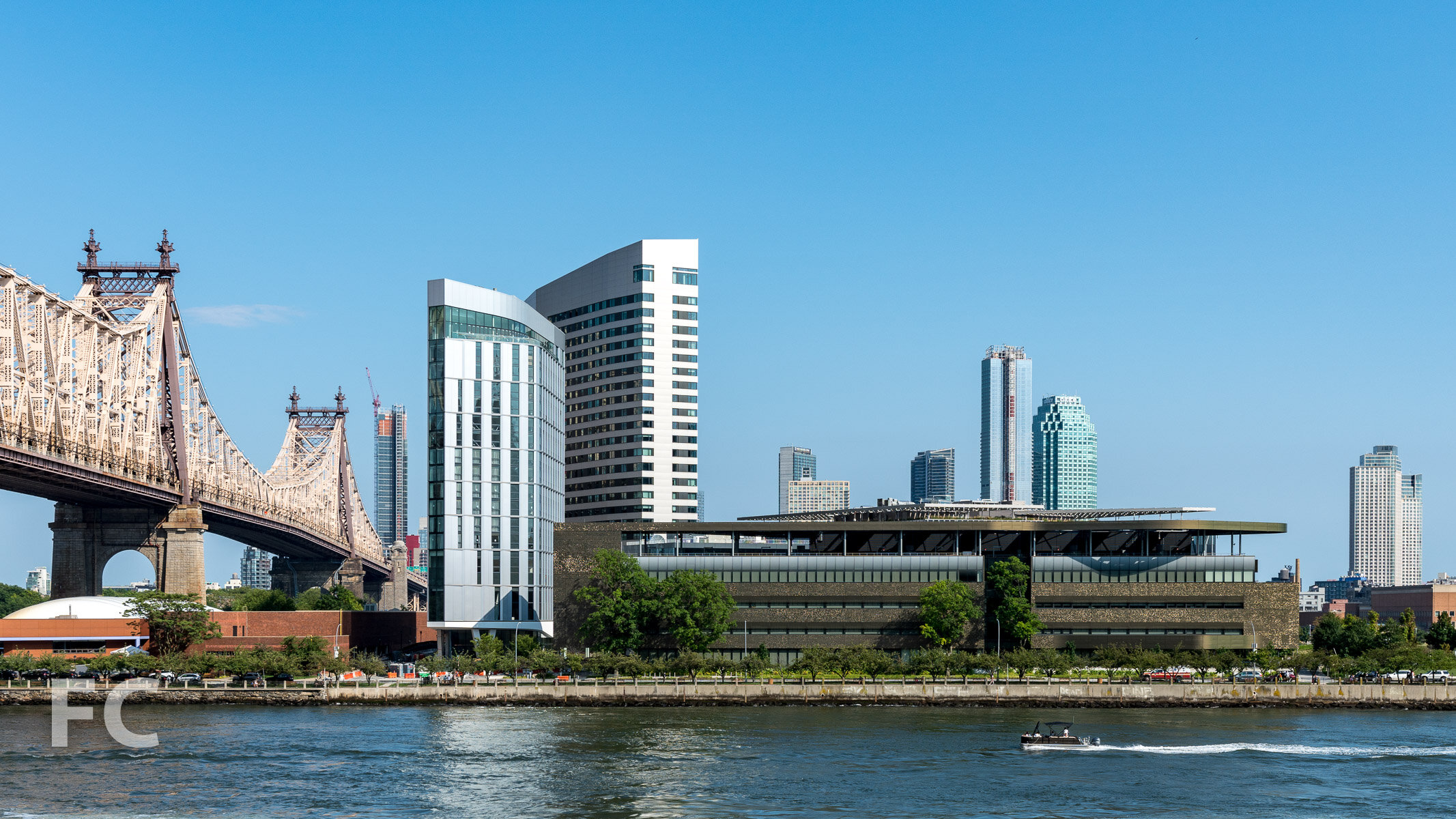
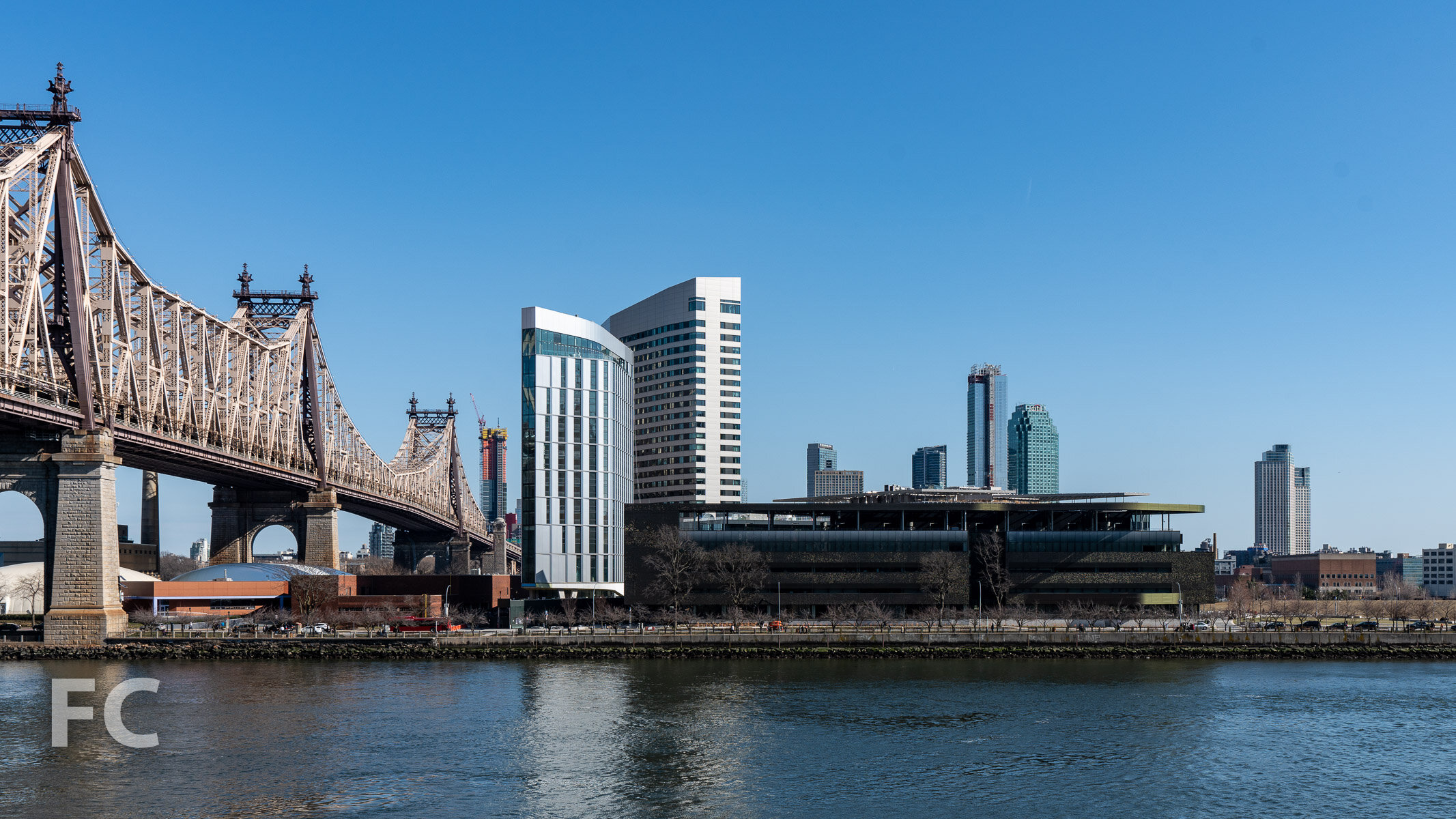
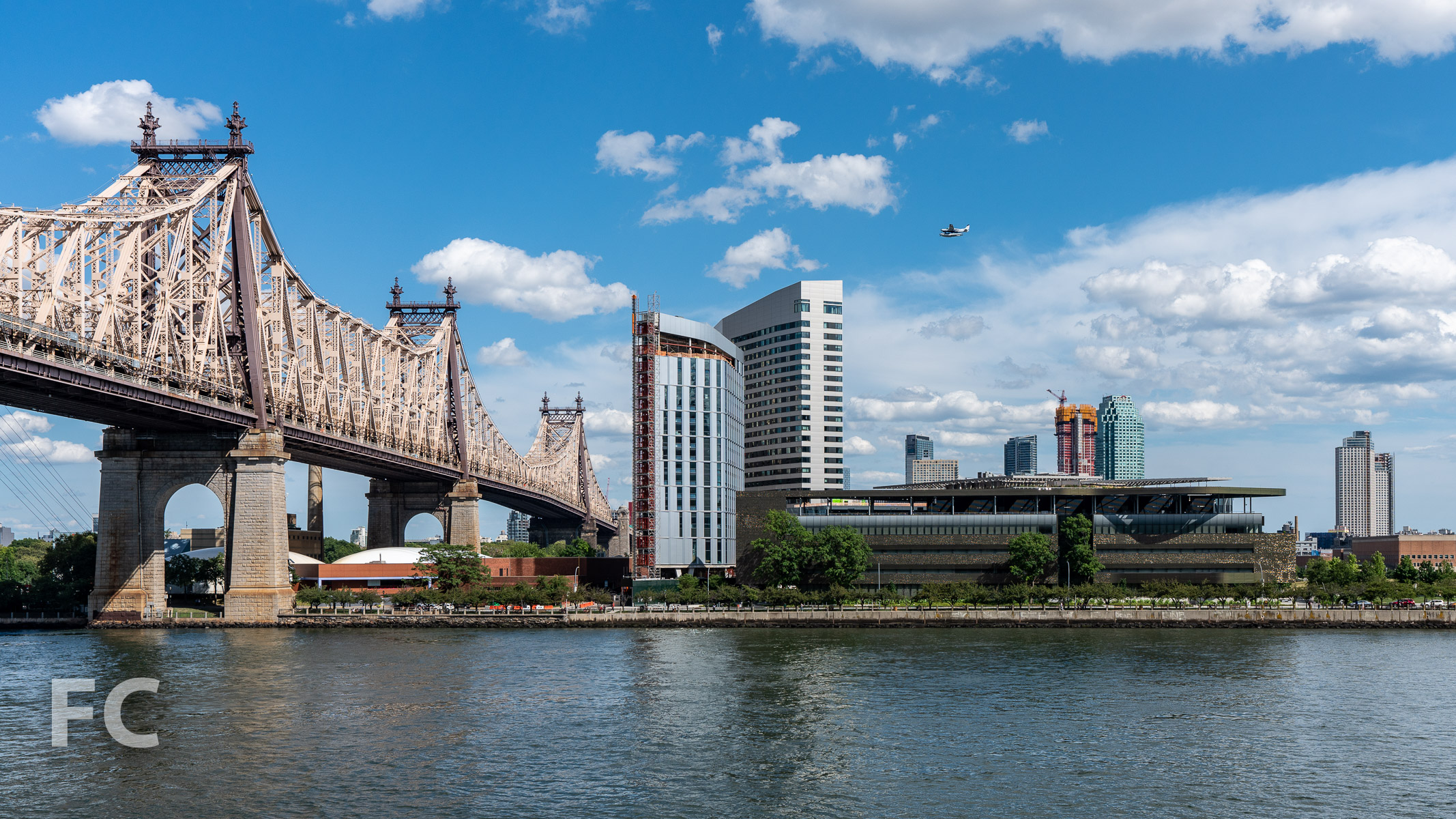
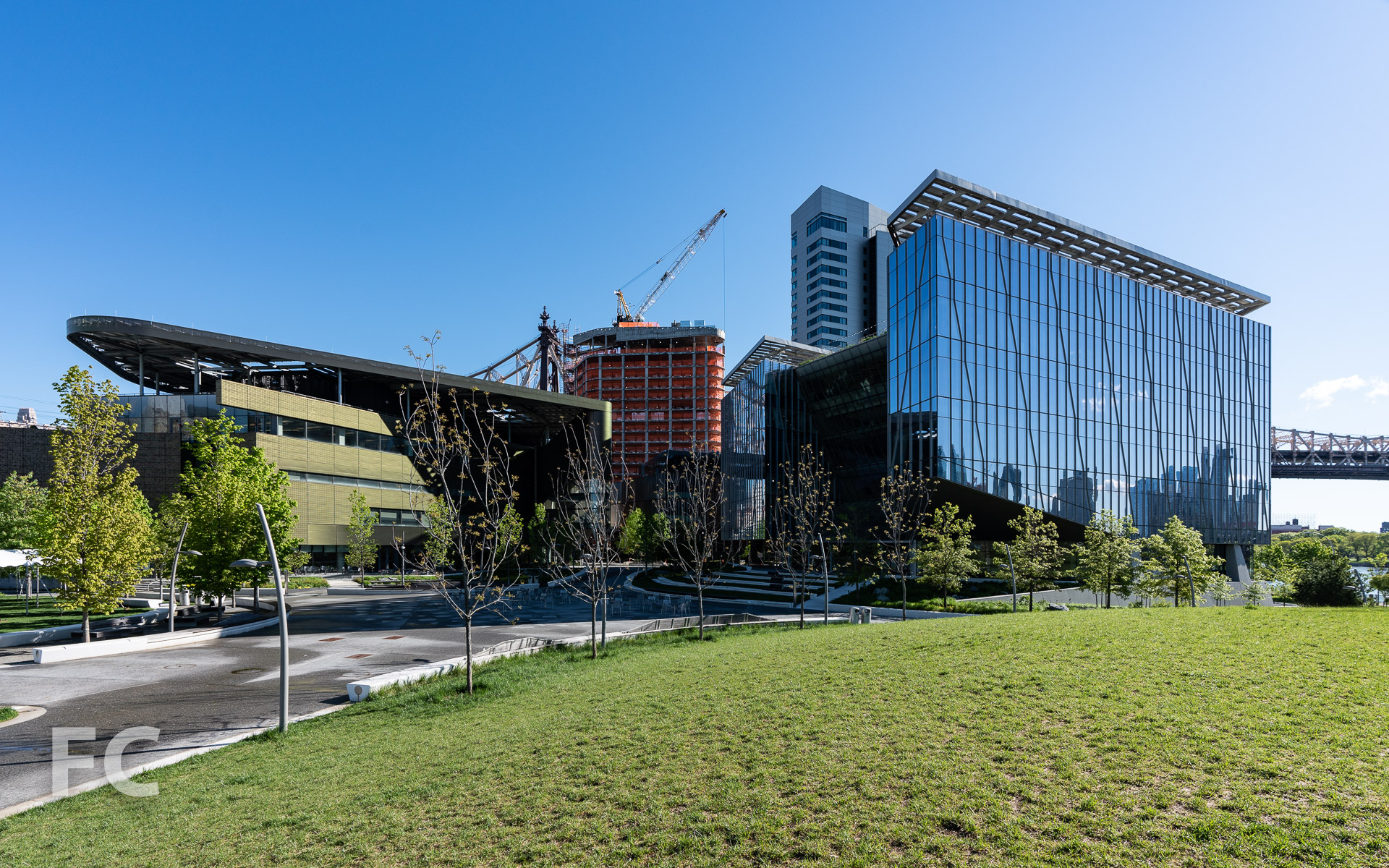
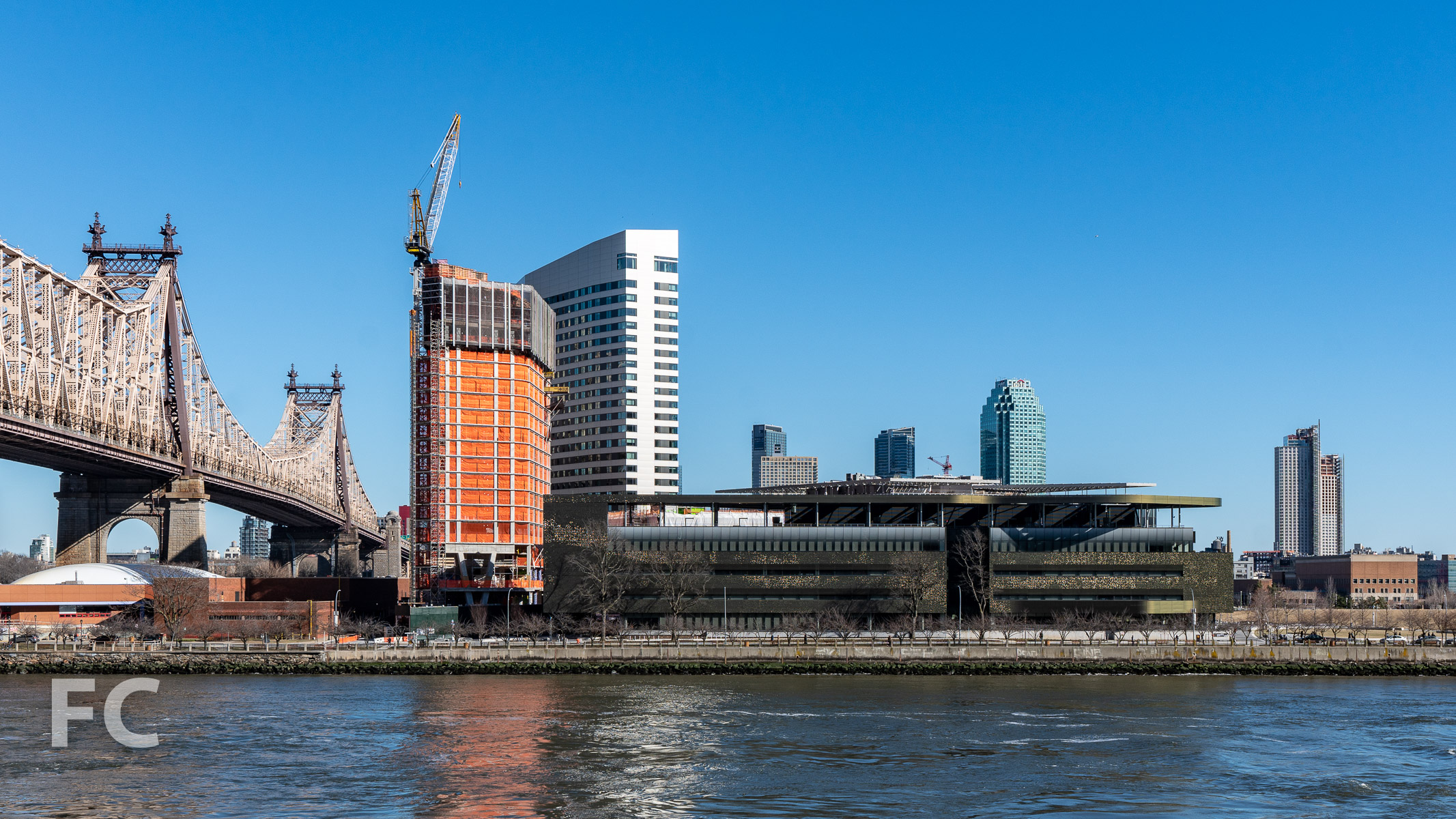
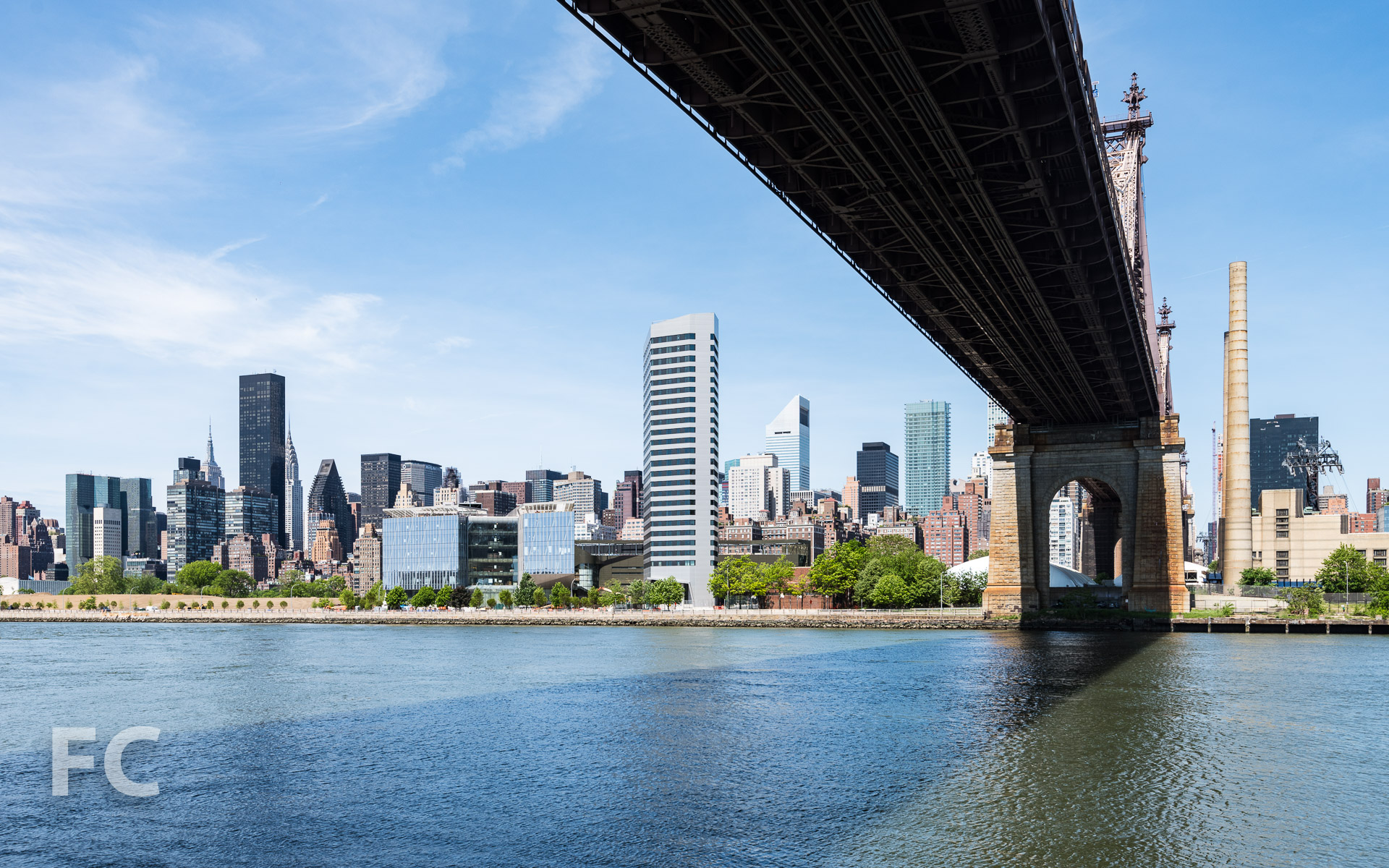
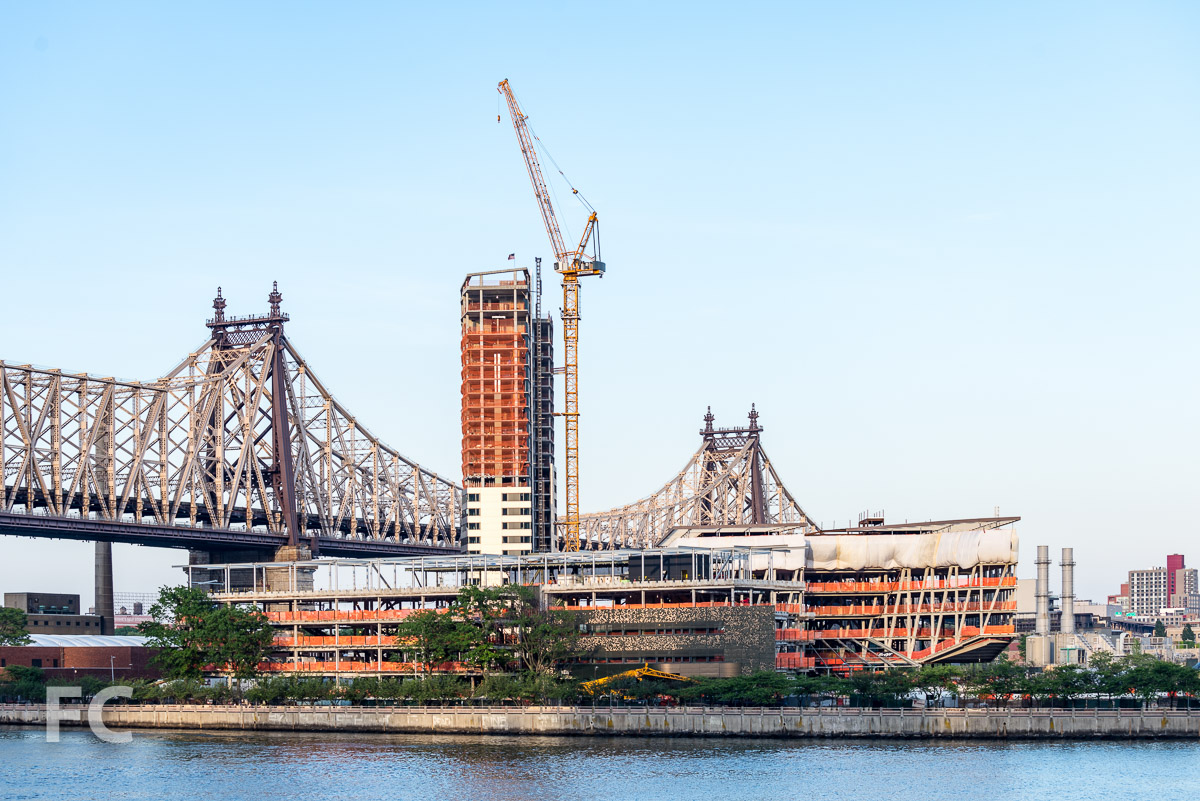
Progress continues at the new Cornell NYC Tech campus with façade installation continuing at the residential tower and beginning at the Bloomberg Center.
Construction continues at the new campus for Cornell Tech on Roosevelt Island. Steel erection is complete at Morphosis' Bloomberg Center and Weiss/Manfredi's co-location building, known as the Bridge at Cornell Tech. Façade installation has begun at the west façade of the Bloomberg Center. At the Hudson Companies' 26-story residential tower for graduate students, facade panel installation has reached the half way mark. Designed by Handel Architects, the tower will be the world's tallest project built to the Passive House standards for energy efficiency. Phase One looks to be on track for its mid 2017 opening date.
West elevations of the campus.
Close-up of the southwest corner of the Bloomberg Center.
Close-up of the west façade and canopy of the Bloomberg Center.
Southwest corner of the residential tower.
Northwest corner of the campus.
Close-up of the west façade and canopy of the Bloomberg Center.
Close-up of the west façade of the Bloomberg Center.
Close-up of the southwest corner of the Bloomberg Center.
Northwest corner of the residential tower.
Northeast corner of the campus.
Close-up of the northeast corner of the residential tower.
Northeast corner of the Bridge.
Architects: SOM (Master Plan, Central Utility Plant), Morphosis (The Bloomberg Center), Weiss/Manfredi (The Bridge at Cornell Tech), Handel Architects (Residential Tower); Landscape Architects: Field Operations (Campus Plaza); Program: Education, Office, Residential, Open Space; Location: Roosevelt Island, New York, NY; Completion: 2017.
Cornell Tech Campus
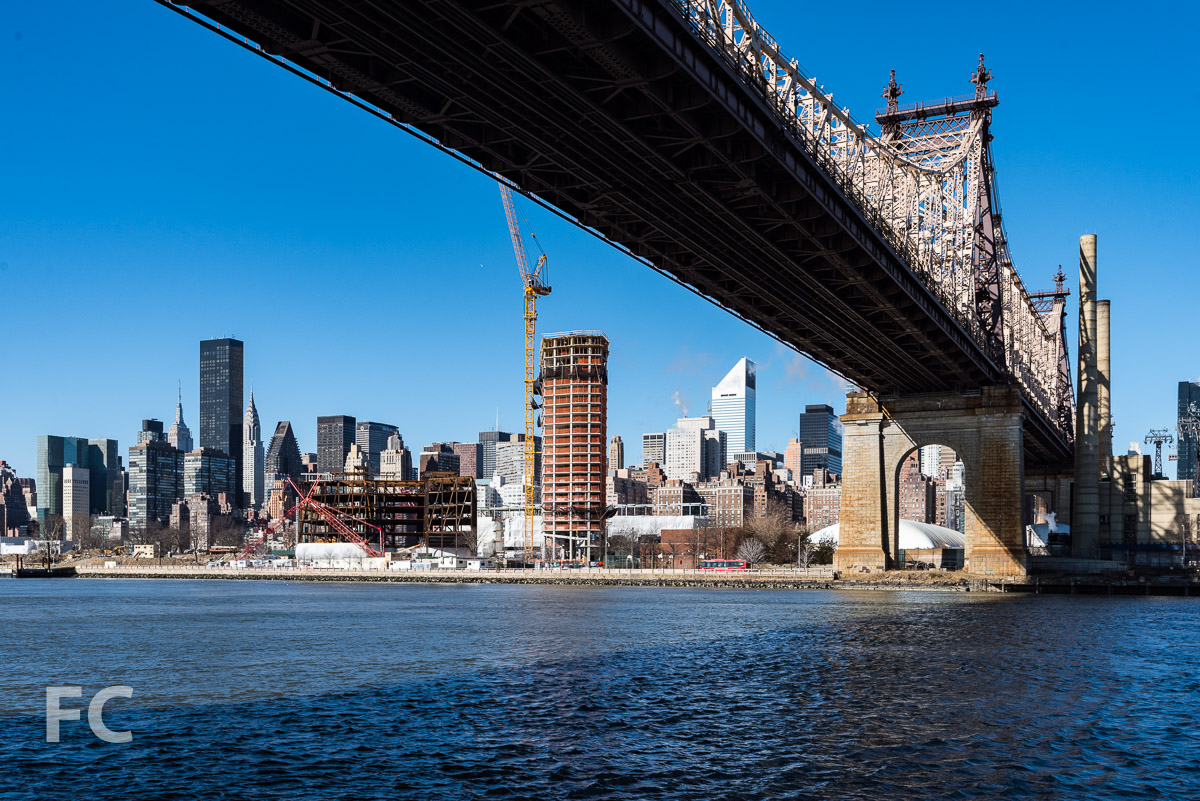
On the verge of a major milestone for phase one of Cornell Tech's new campus, as all but one building tops out.
Construction continues at the new campus for Cornell Tech on Roosevelt Island. Steel erection at Morphosis' Bloomberg Center appears to have topped out with the addition of the structure for the rooftop canopy. Weiss/Manfredi's co-location building, known as the Bridge at Cornell Tech, also appears to have topped out with its steel superstructure. At the Hudson Companies' 26-story residential tower for graduate students, concrete superstructure has reached the 20th floor, within a few floors of its final height. Designed by Handel Architects, the tower will be the world's tallest project built to the Passive House standards for energy efficiency. Phase One looks to be on track for its mid 2017 opening date.
Looking east towards the Cornell Tech campus from the Roosevelt Island Tram.
Looking east towards the Cornell Tech campus from the Roosevelt Island Tram.
Looking south towards the Cornell Tech campus from the Roosevelt Island Tram.
Looking south towards the Cornell Tech campus from the Roosevelt Island Tram.
Looking south towards the Cornell Tech campus from the Roosevelt Island Tram.
Cornell Tech Campus from the intersection of North Loop Road and West Loop Road.
North facade of the Cornell Tech Residential Building from North Loop Road.
Looking up at the north facade of the Cornell Tech Residential Building.
North facade of the Central Utility Plant from North Loop Road.
Looking up at the north facade of the Cornell Tech Residential Building.
Facade panels installed on the north facade of the Cornell Tech Residential Building.
Close-up of the facade panels on the Cornell Tech Residential Building.
Northeast corner of the Cornell Tech
Northeast corner of the Bridge at Cornell Tech from North Loop Road.
Looking west towards the Cornell Tech Campus (foreground) and the Midtown East skyline.
The Residential Building (right), the Bloomberg Center (far right), and the Bridge (center).
Looking north towards the Cornell Tech Campus from the Long Island City waterfront.
Looking north toward the Cornell Tech Campus from Southpoint Park.
Architects: SOM (Master Plan, Central Utility Plant), Morphosis (The Bloomberg Center), Weiss/Manfredi (The Bridge at Cornell Tech), Handel Architects (Residential Tower); Landscape Architects: Field Operations (Campus Plaza); Program: Education, Office, Residential, Open Space; Location: Roosevelt Island, New York, NY; Completion: 2017.
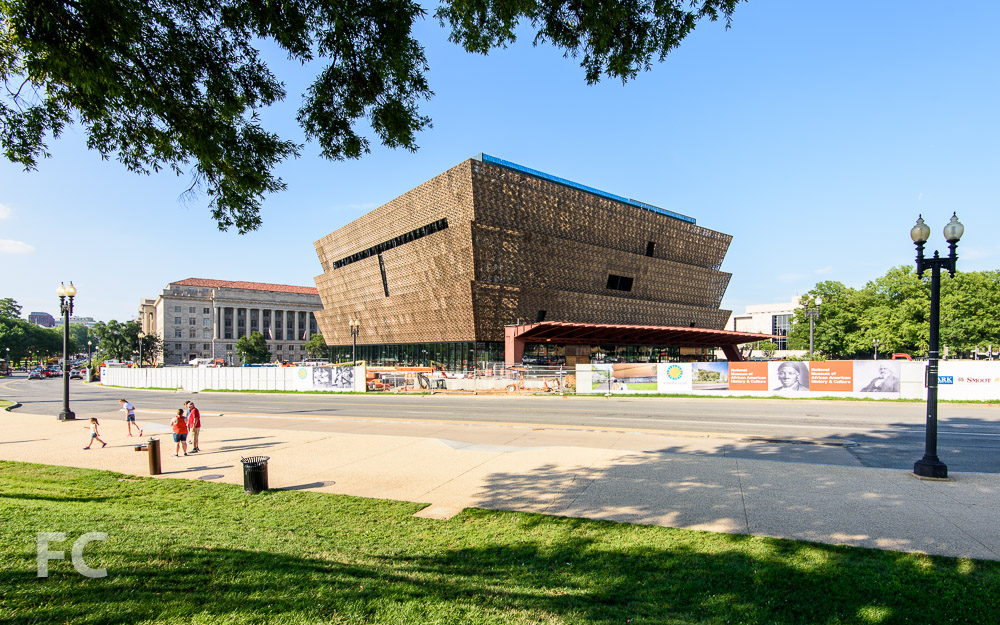
2015 Highlights: Beyond New York
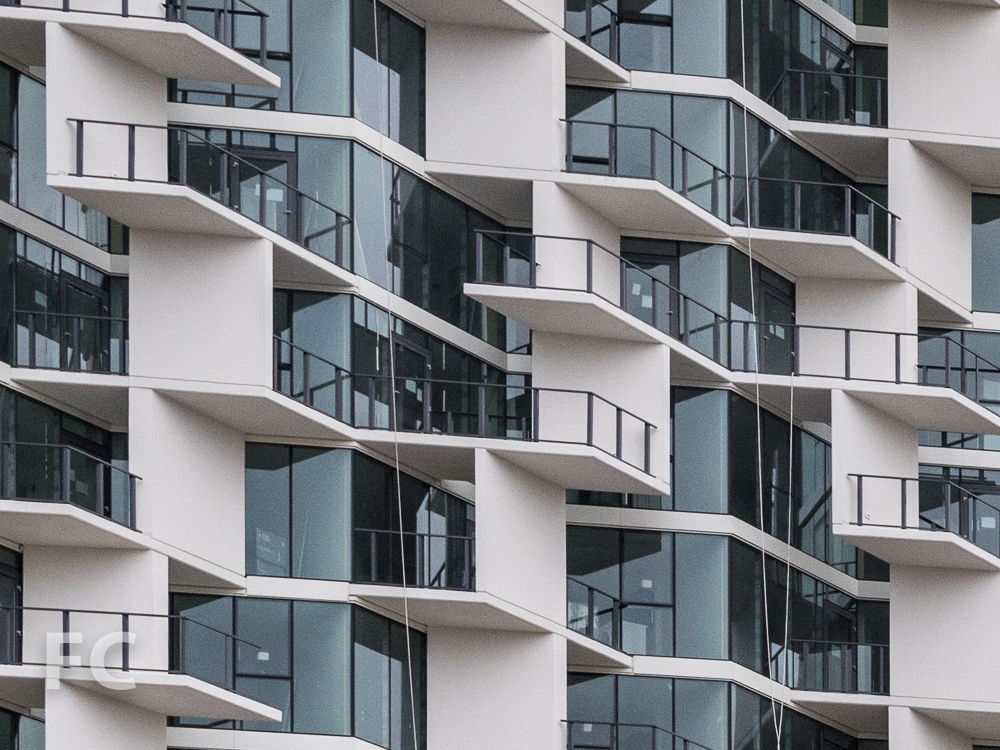
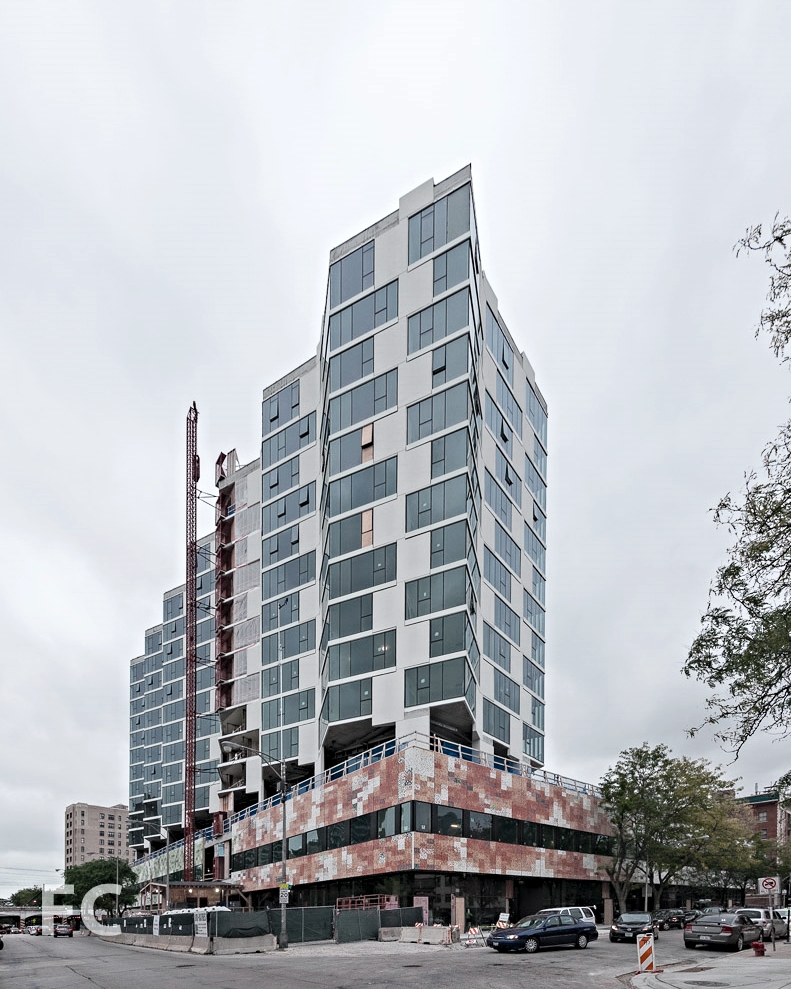
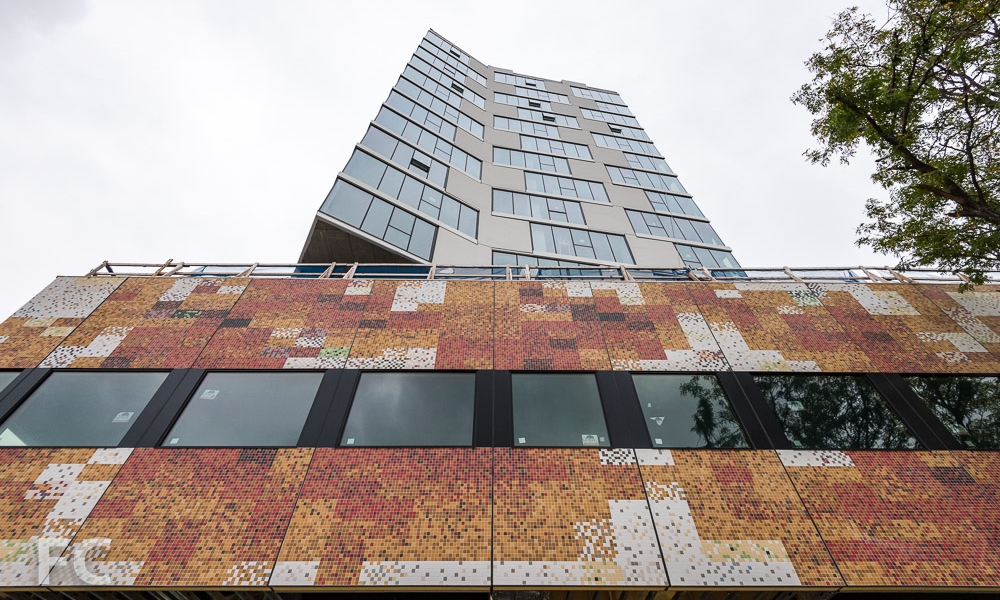
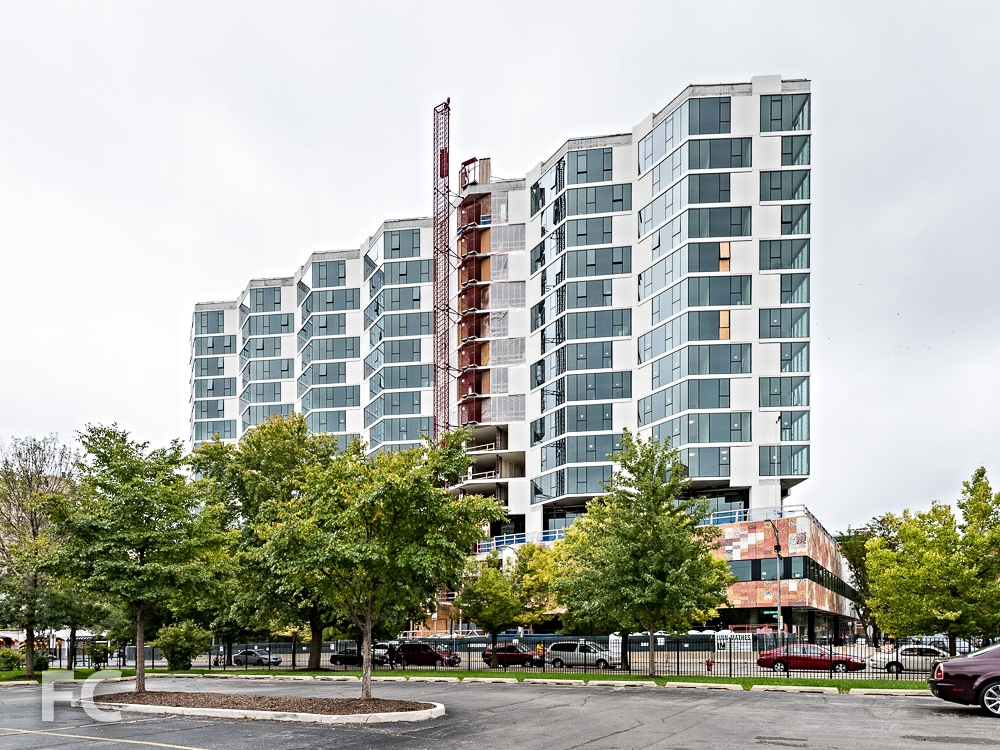
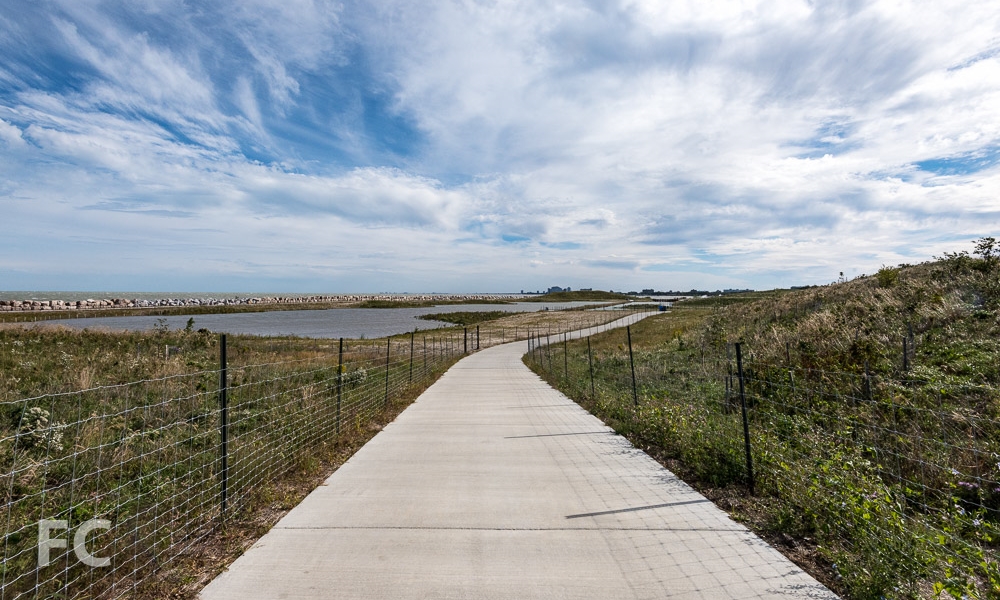
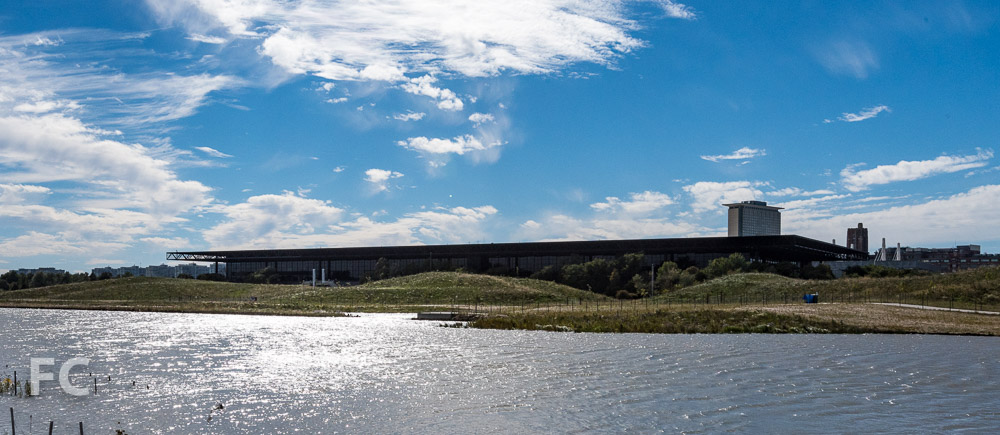
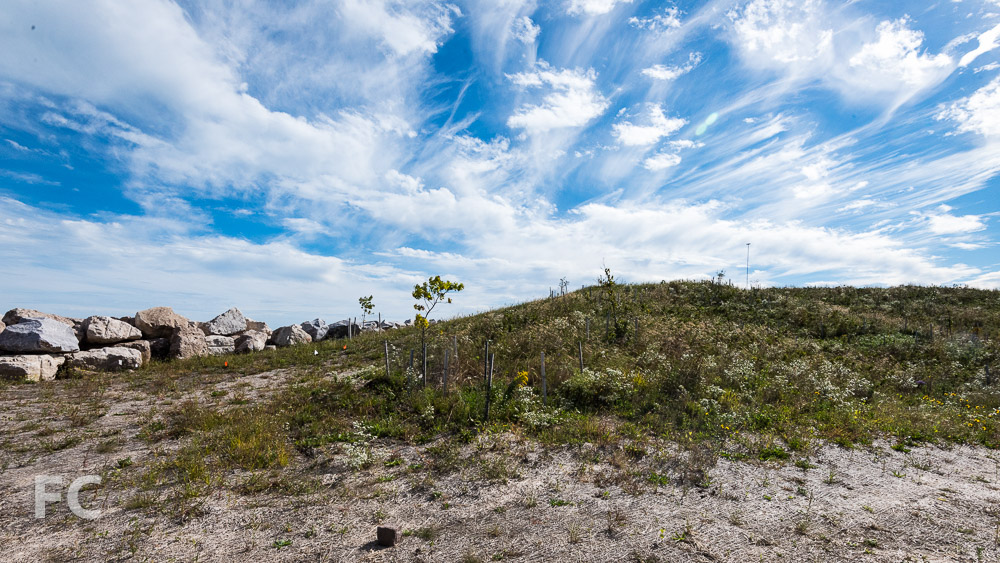
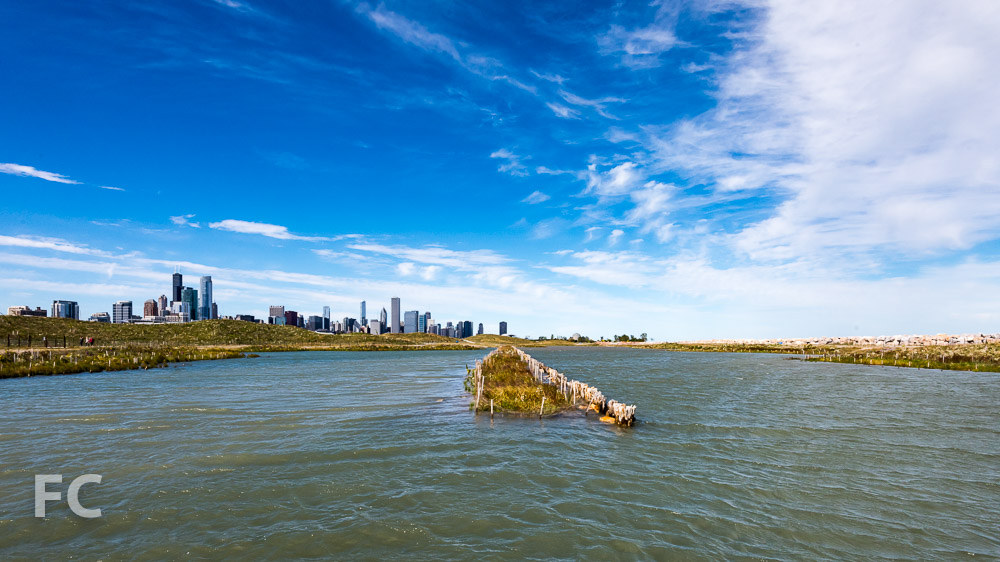
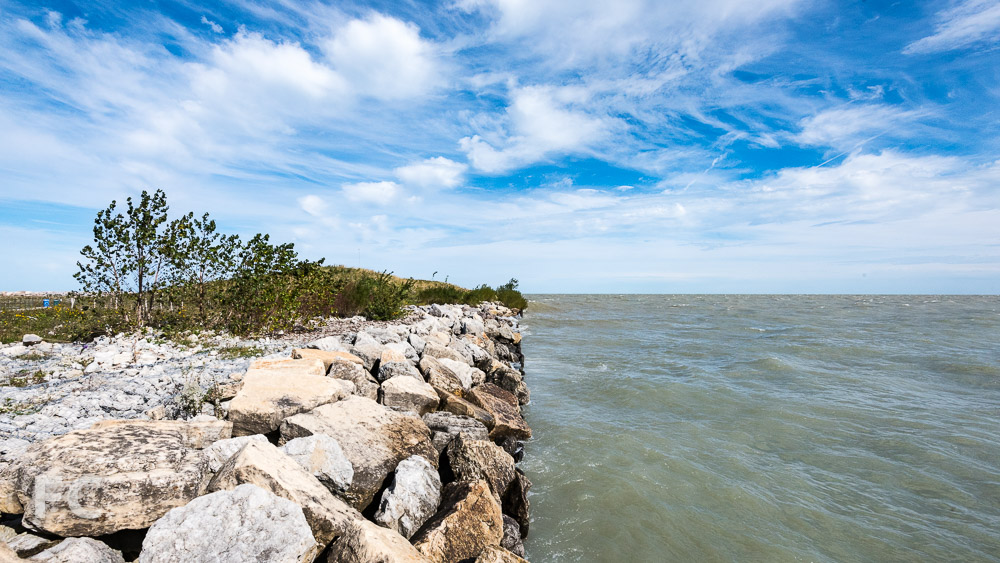
A look back at architecture beyond New York in 2015.
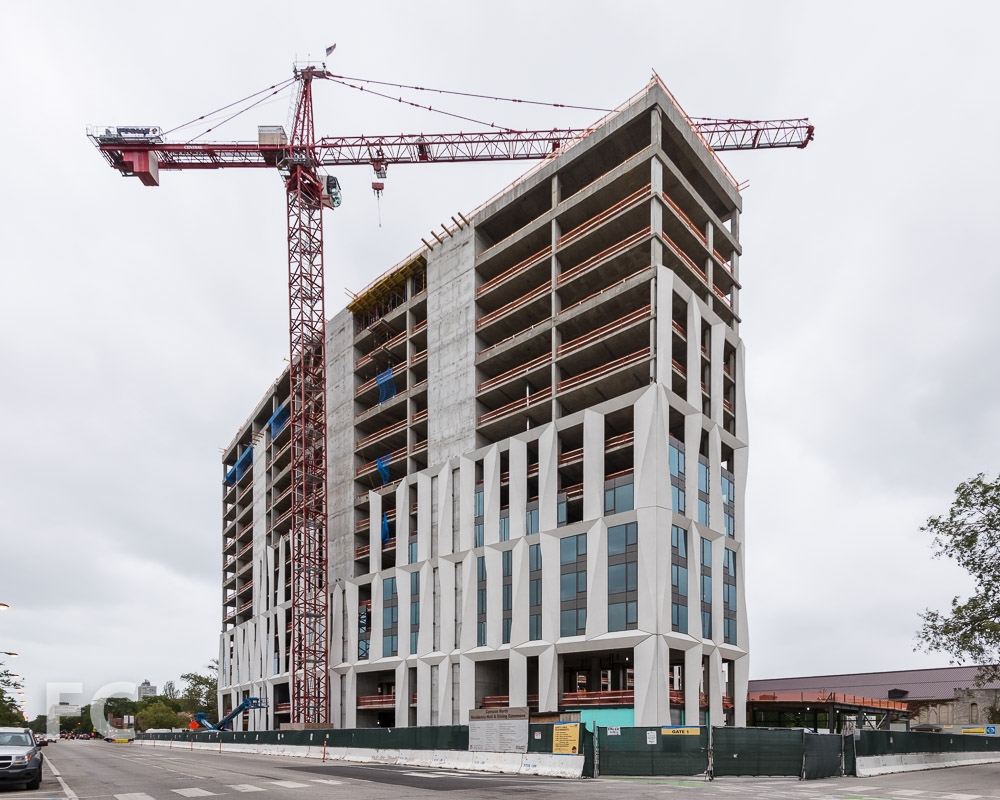
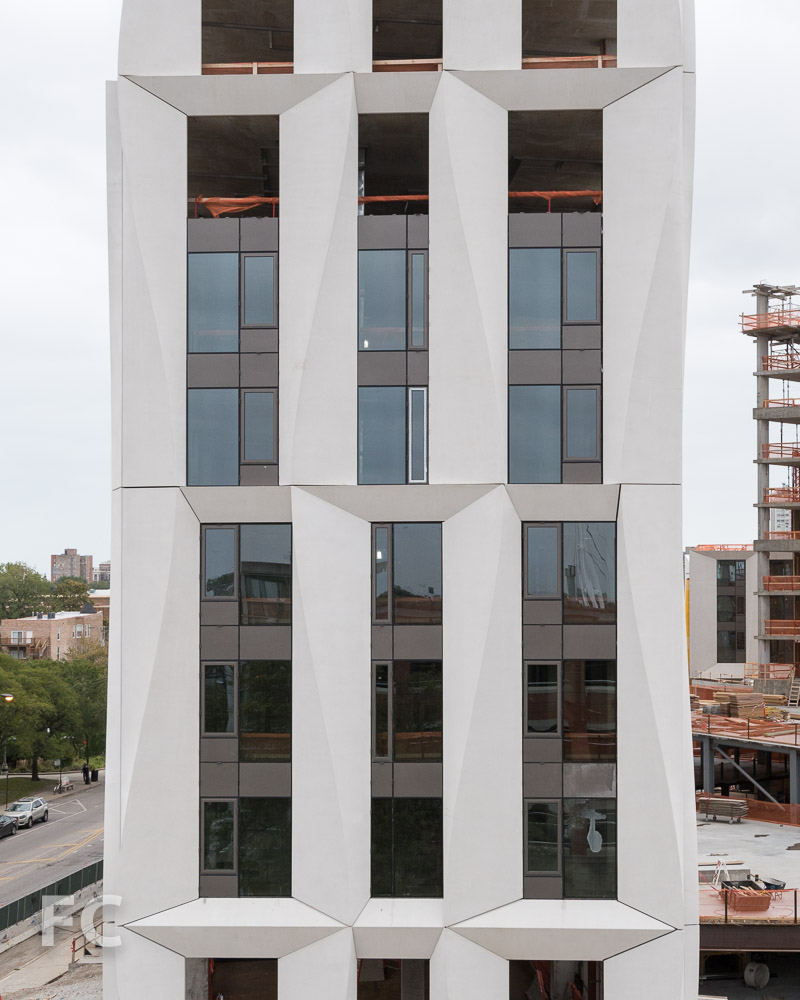
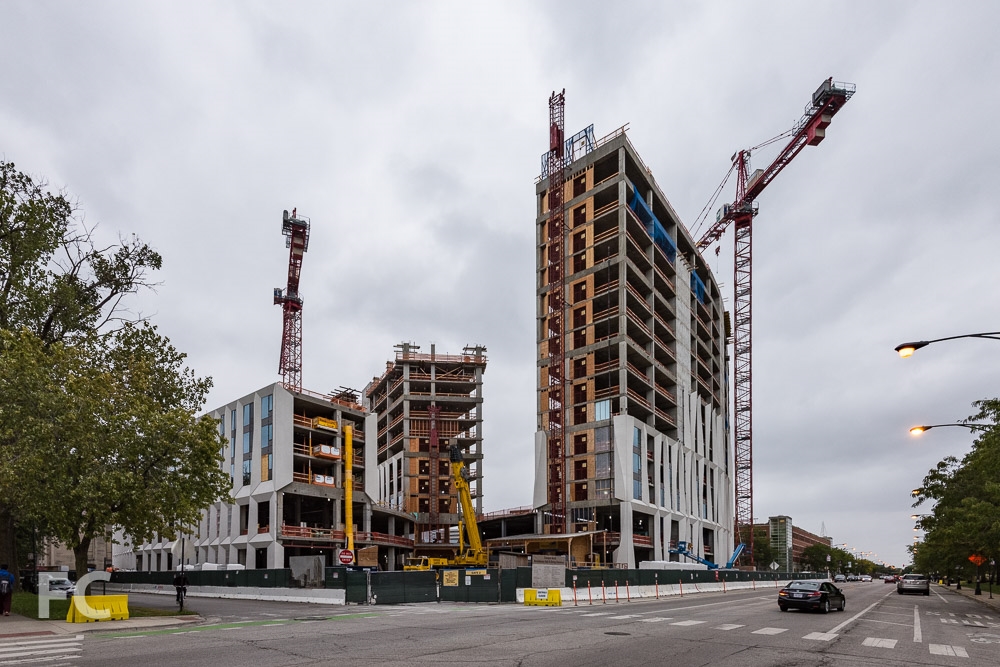
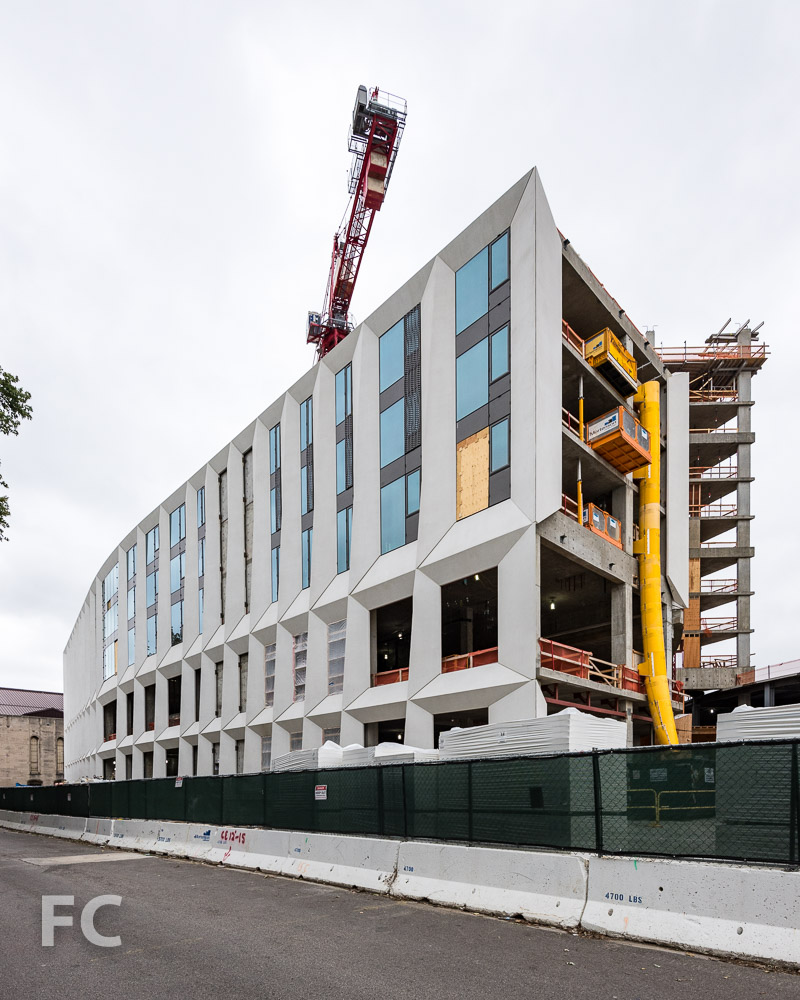
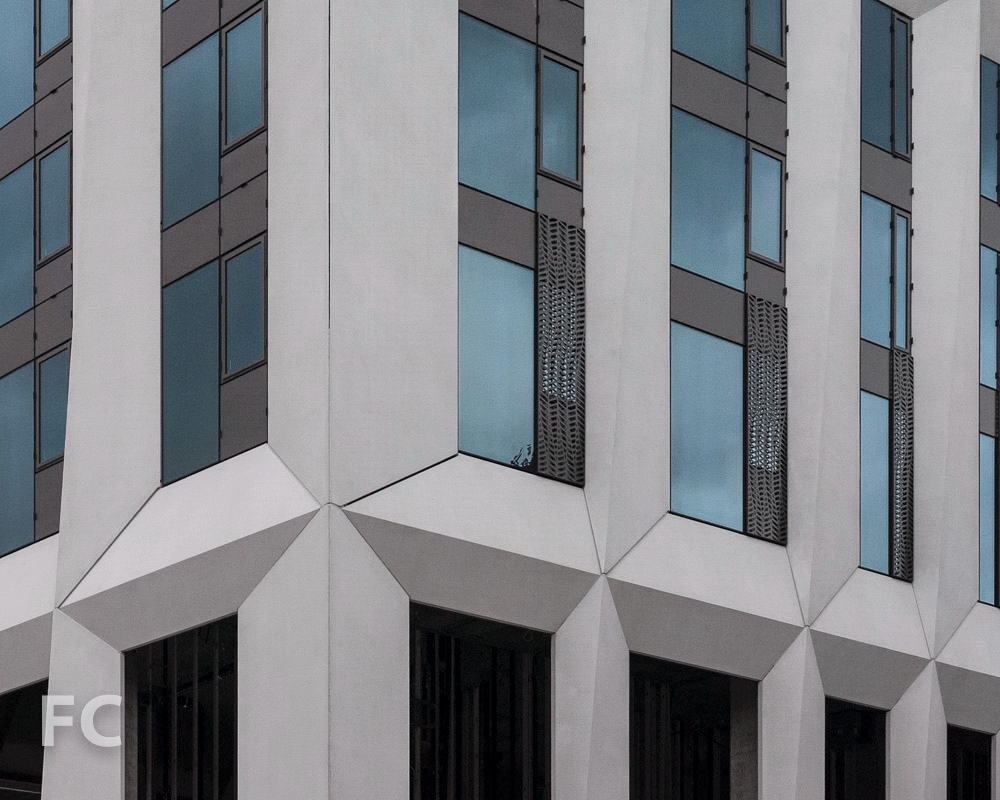
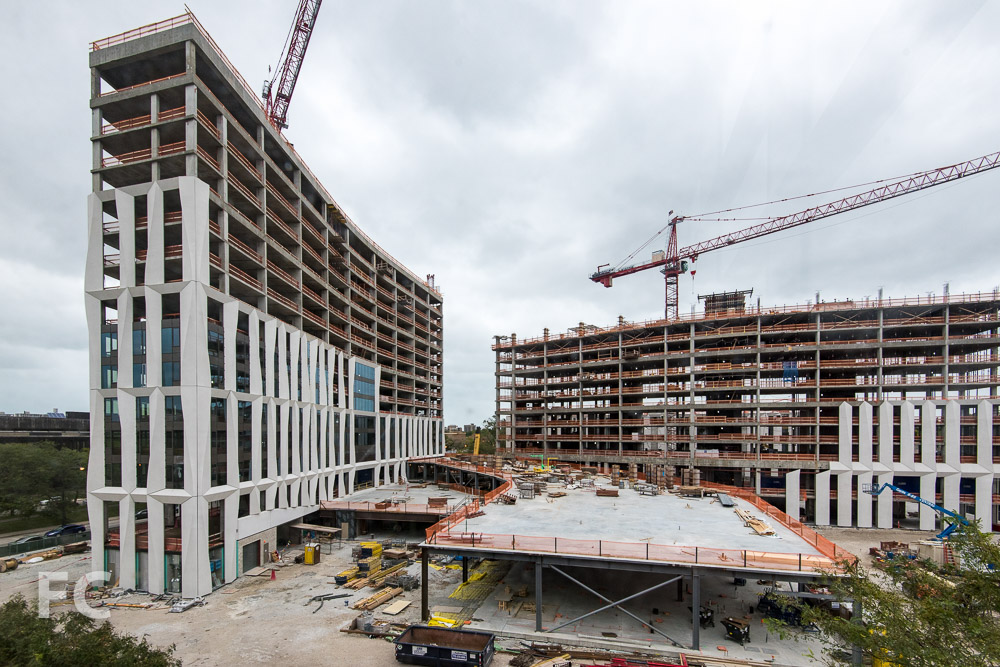
Studio Gang Architects in Chicago:
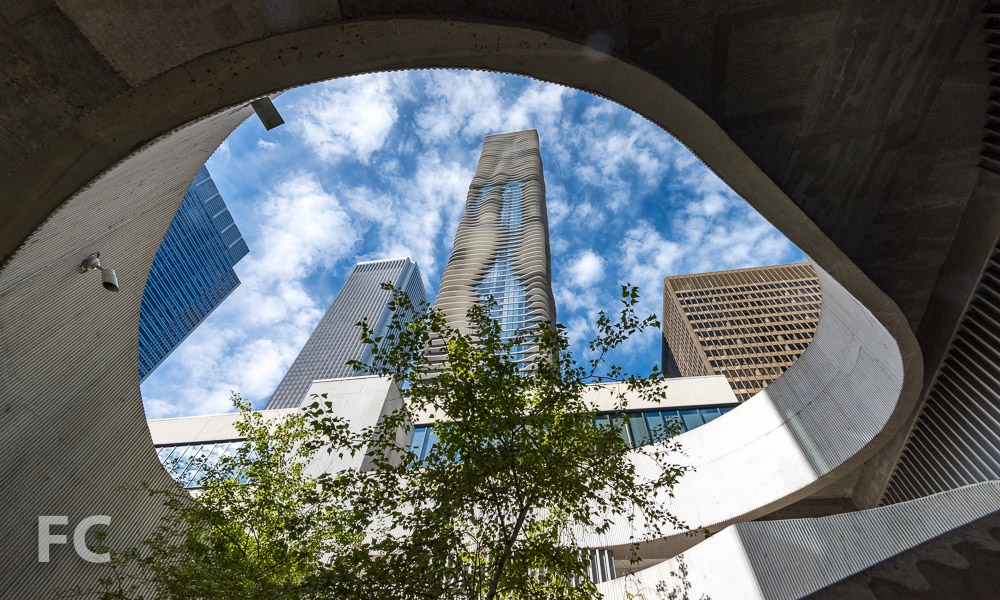
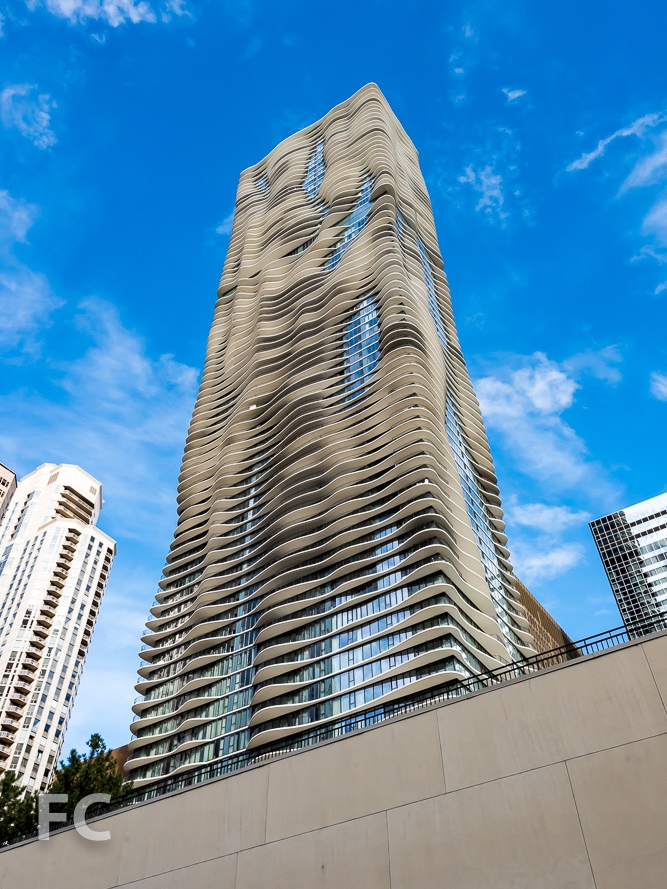
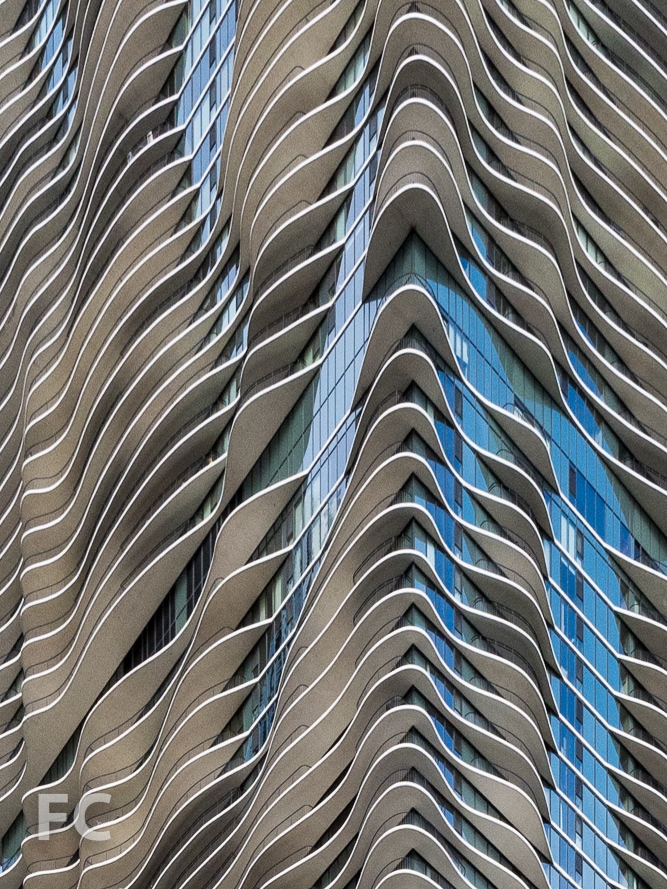
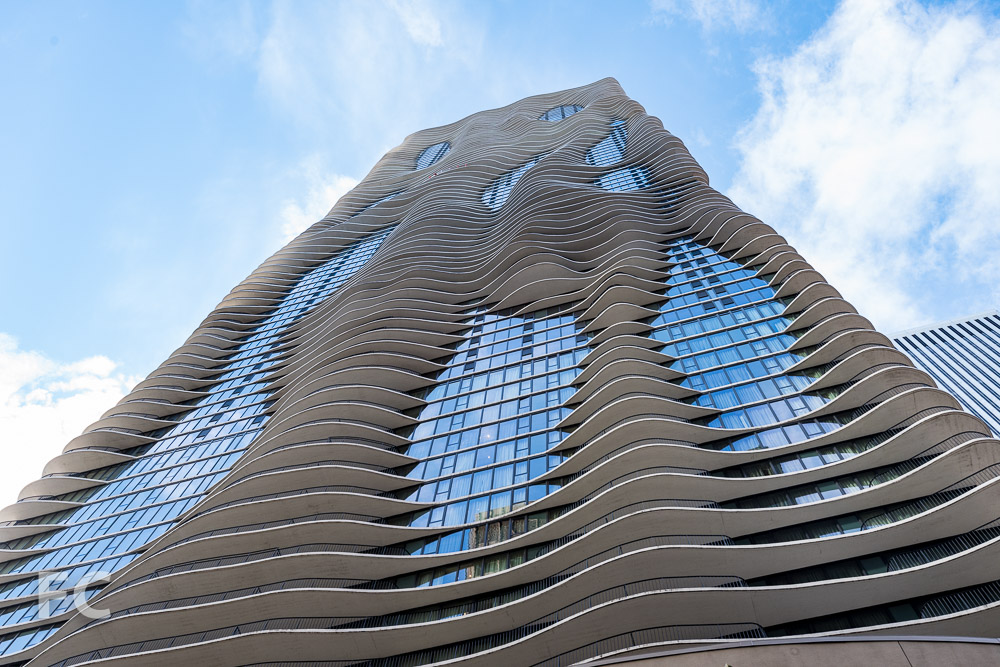
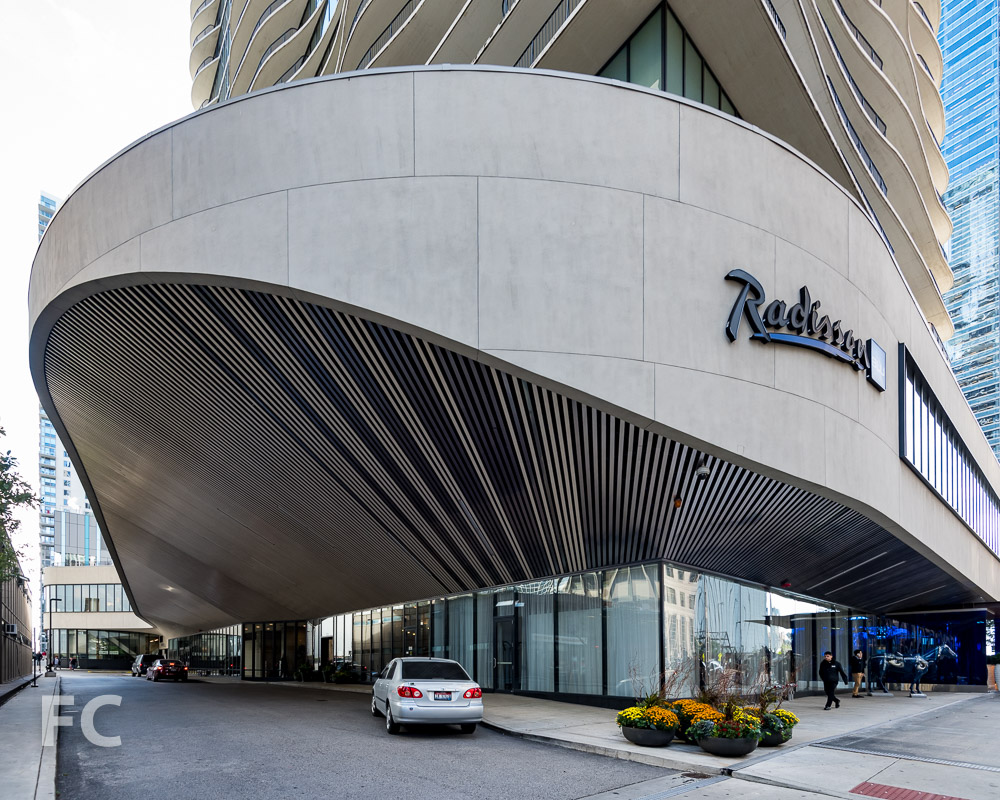
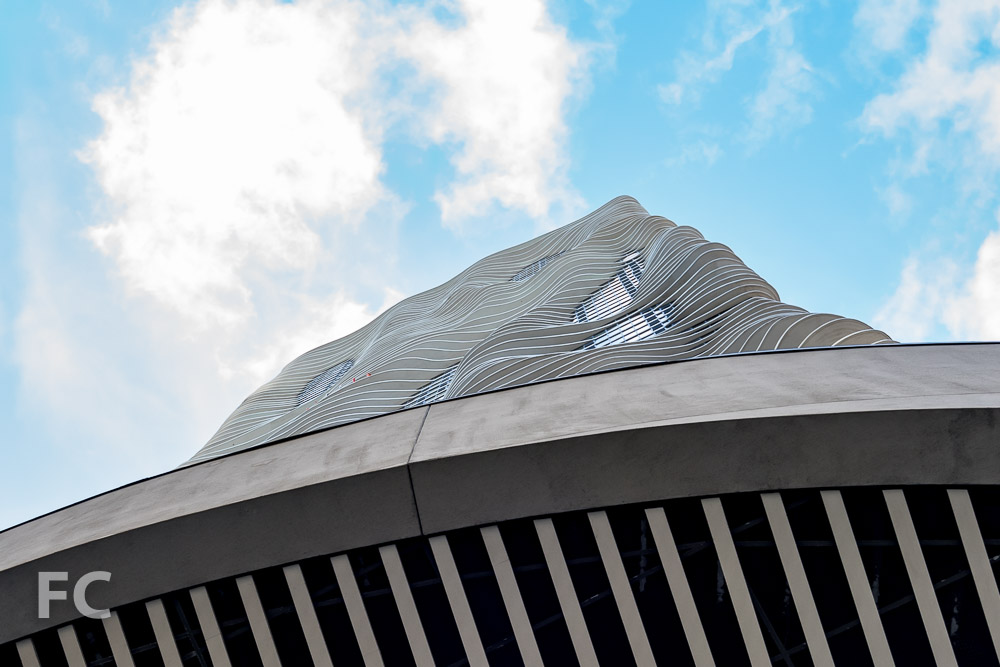
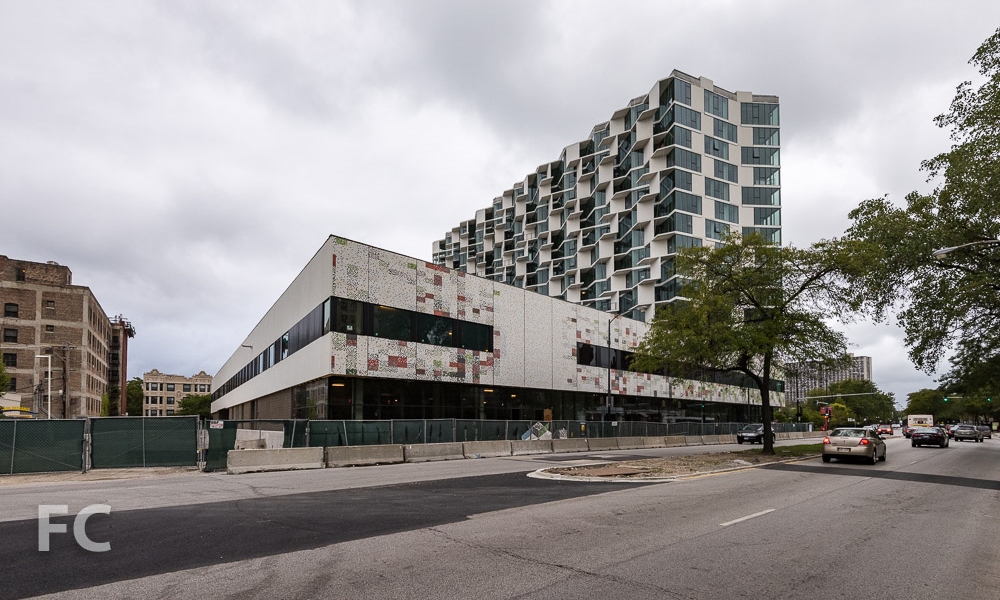
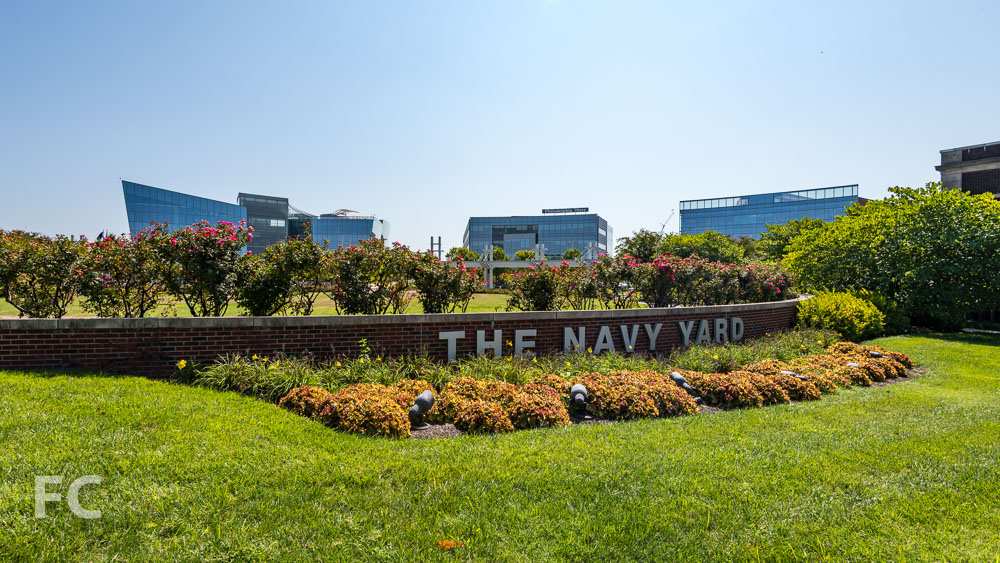
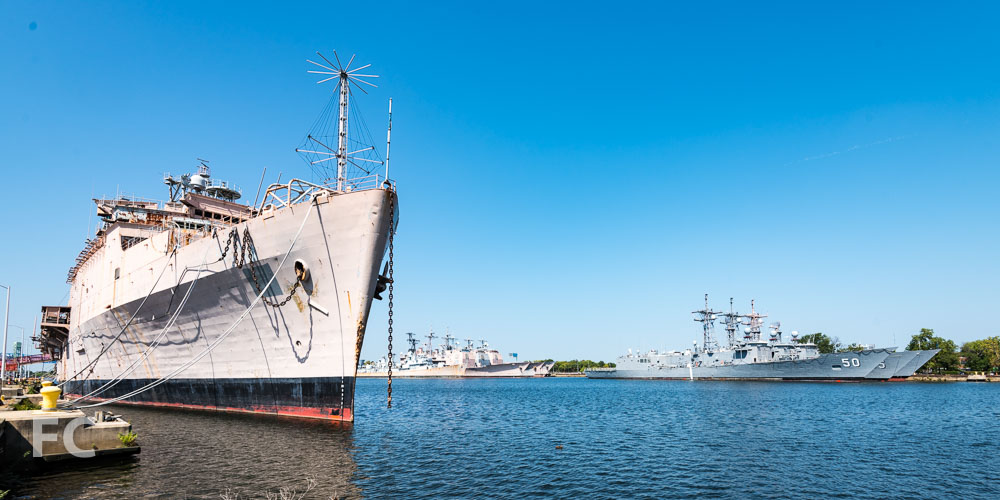
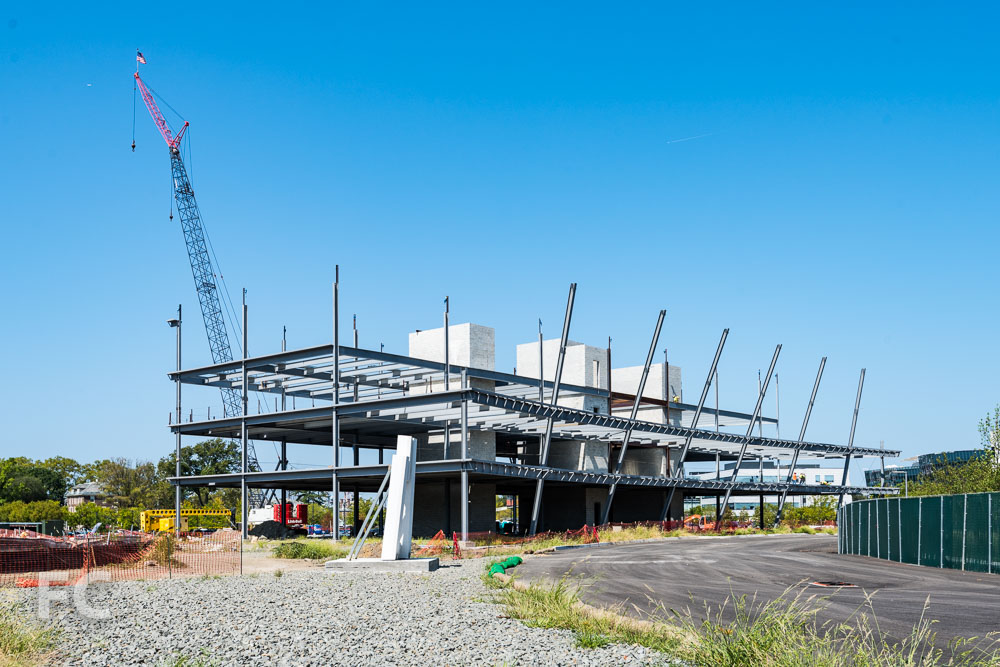
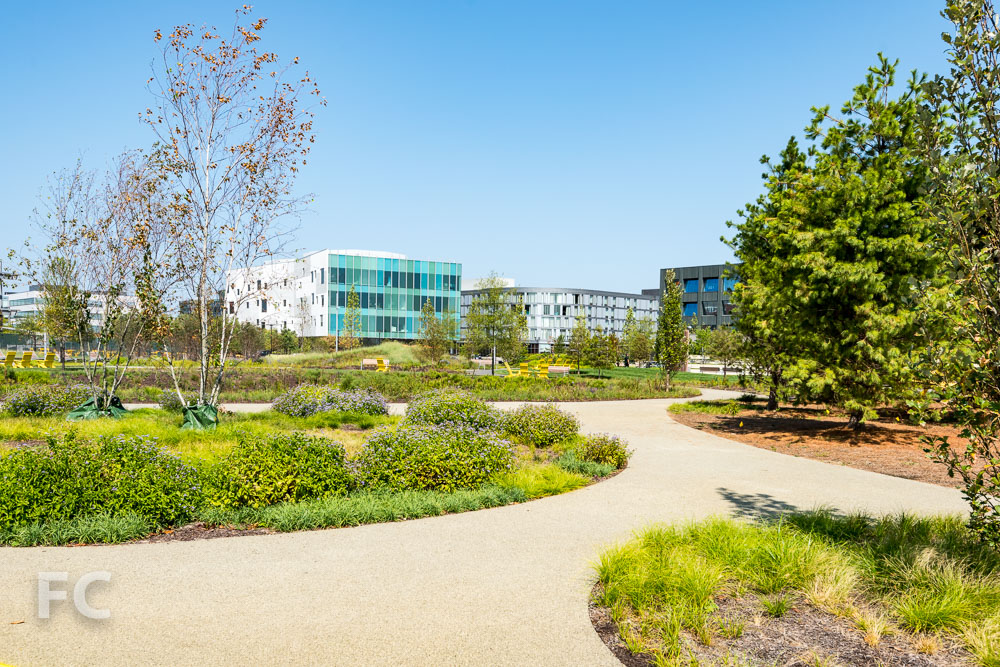
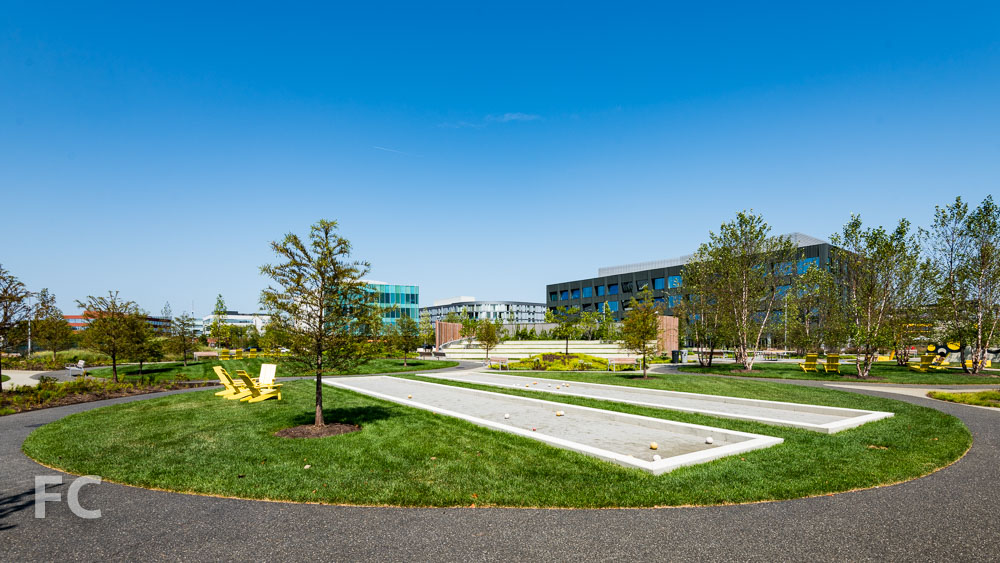
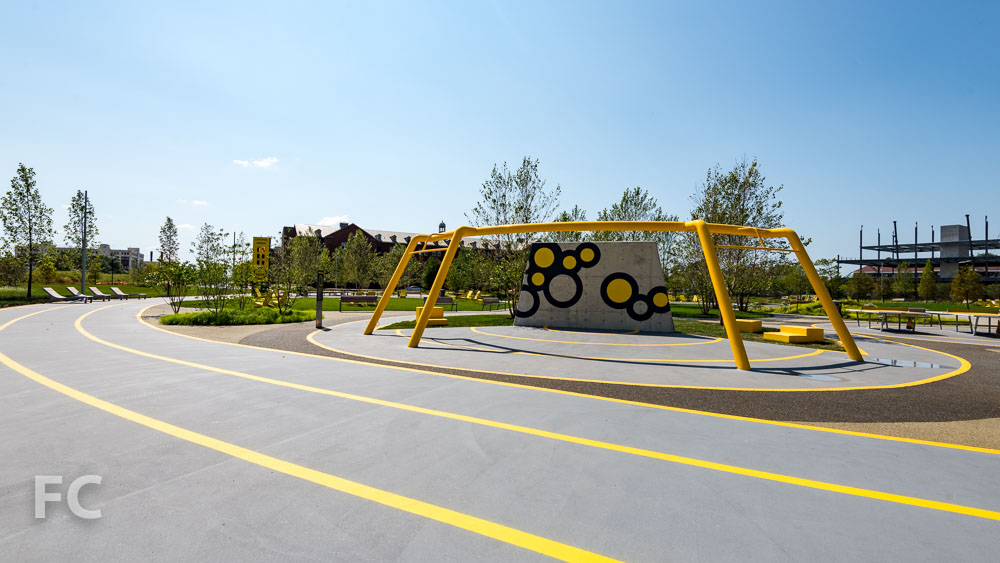
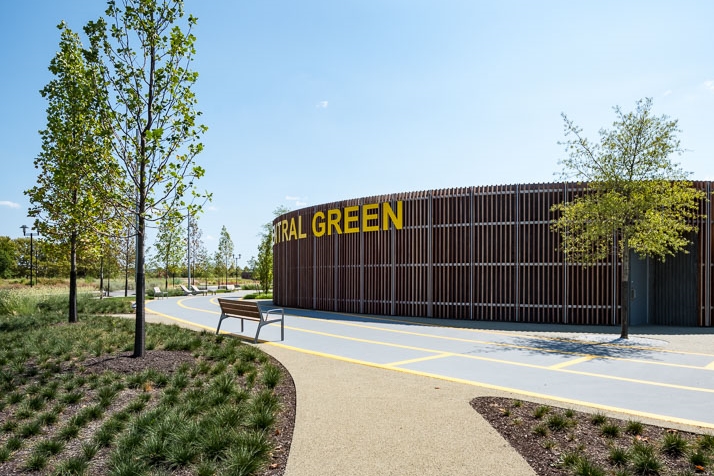
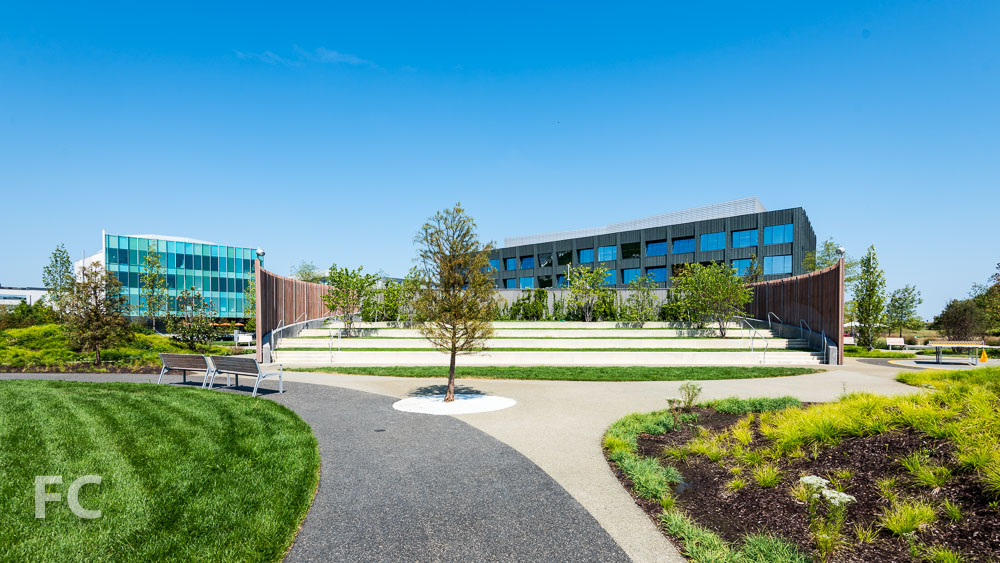
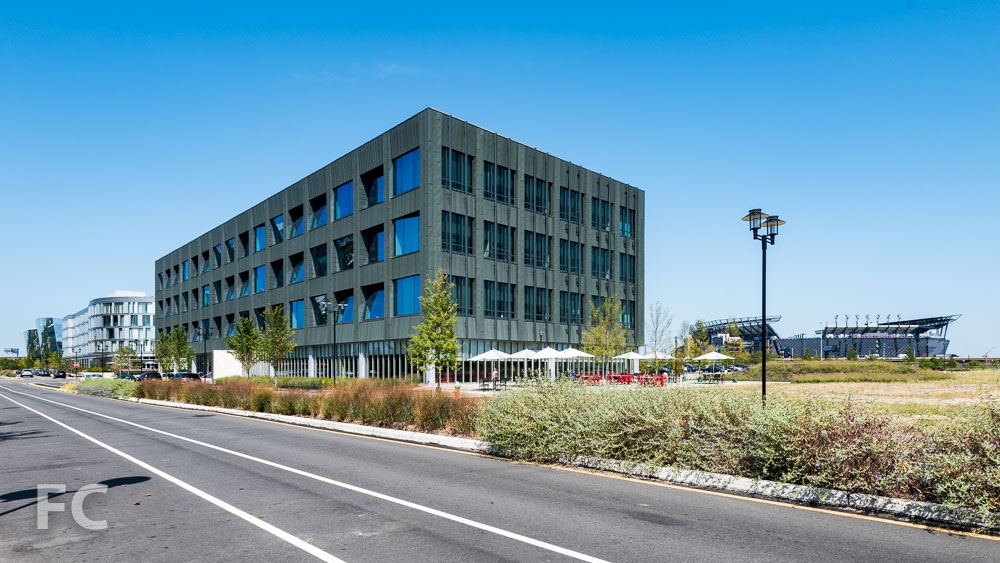
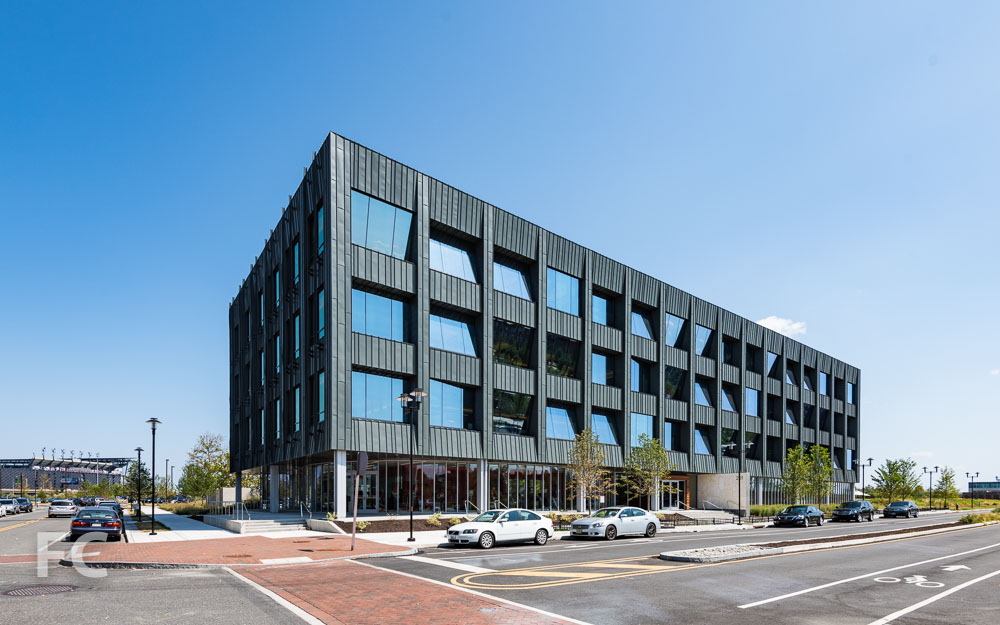
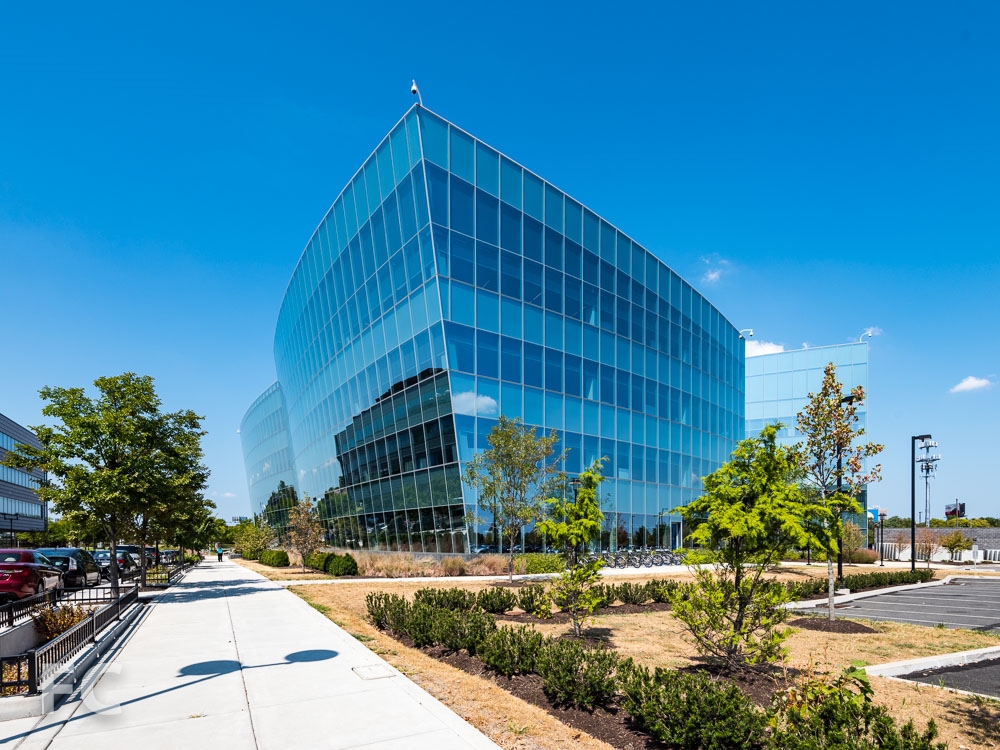
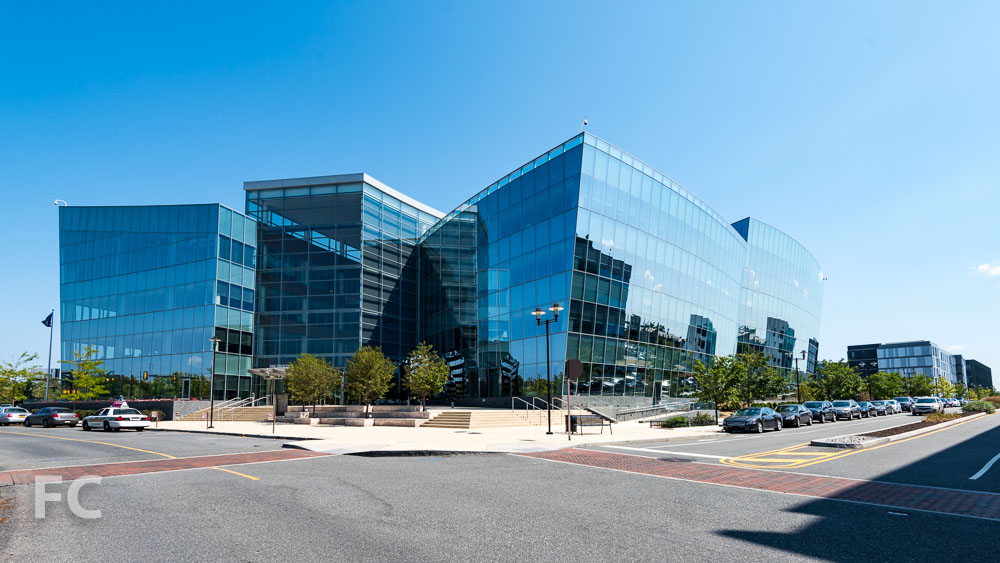
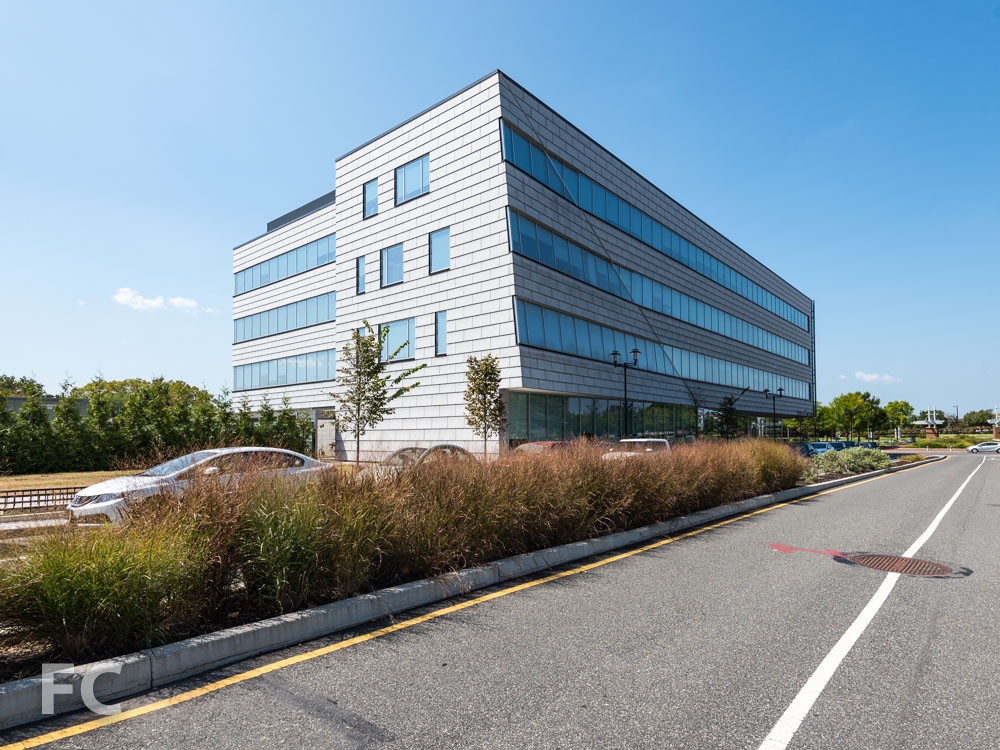
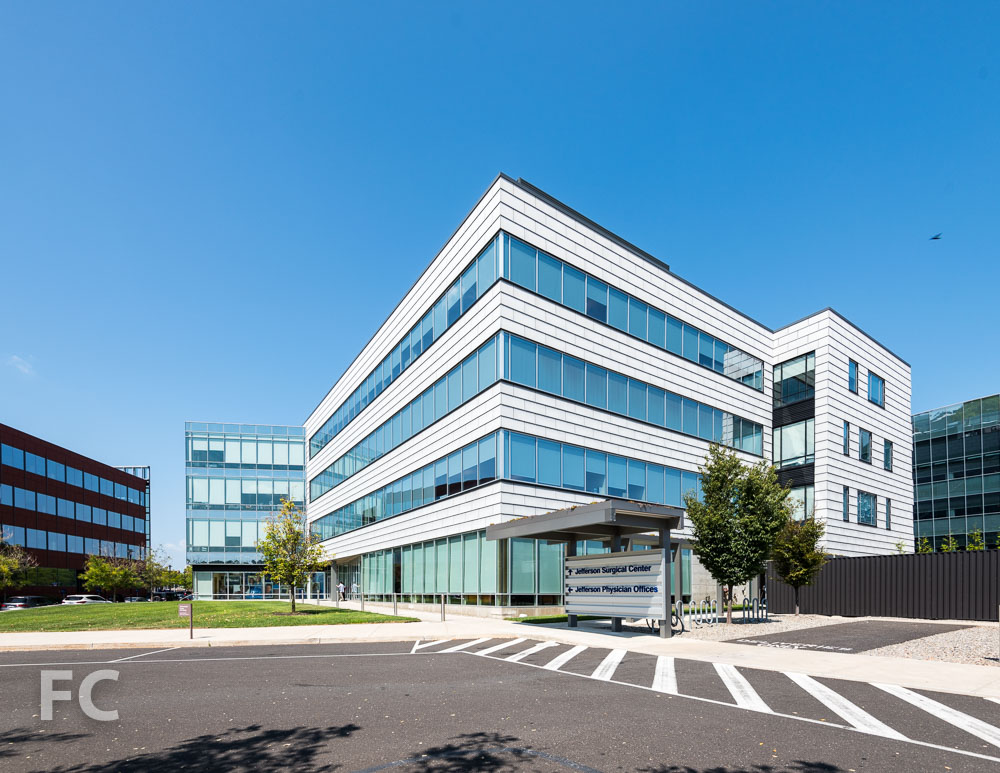
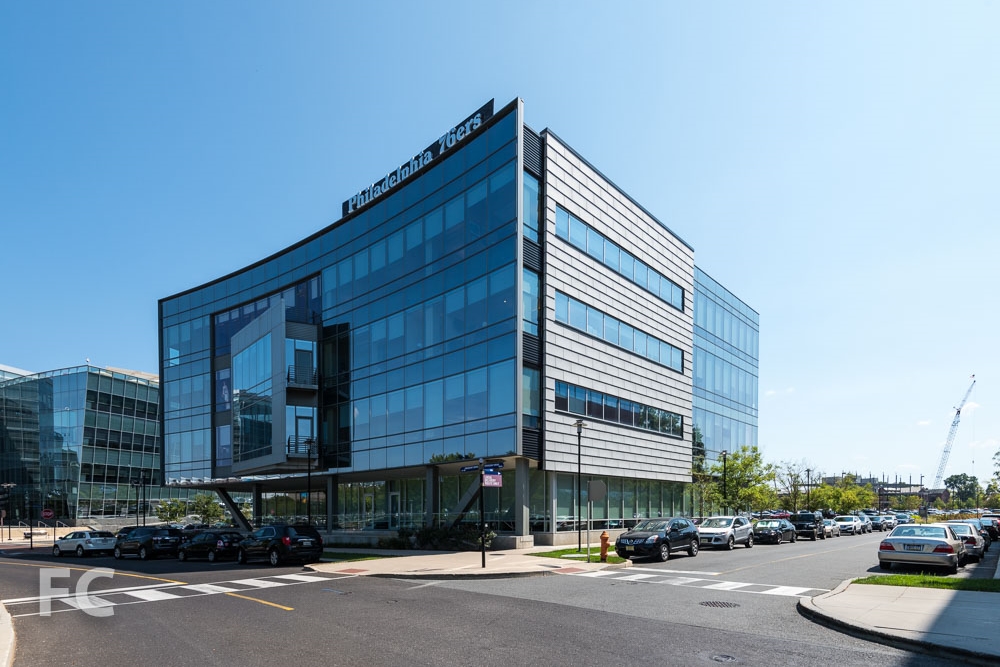
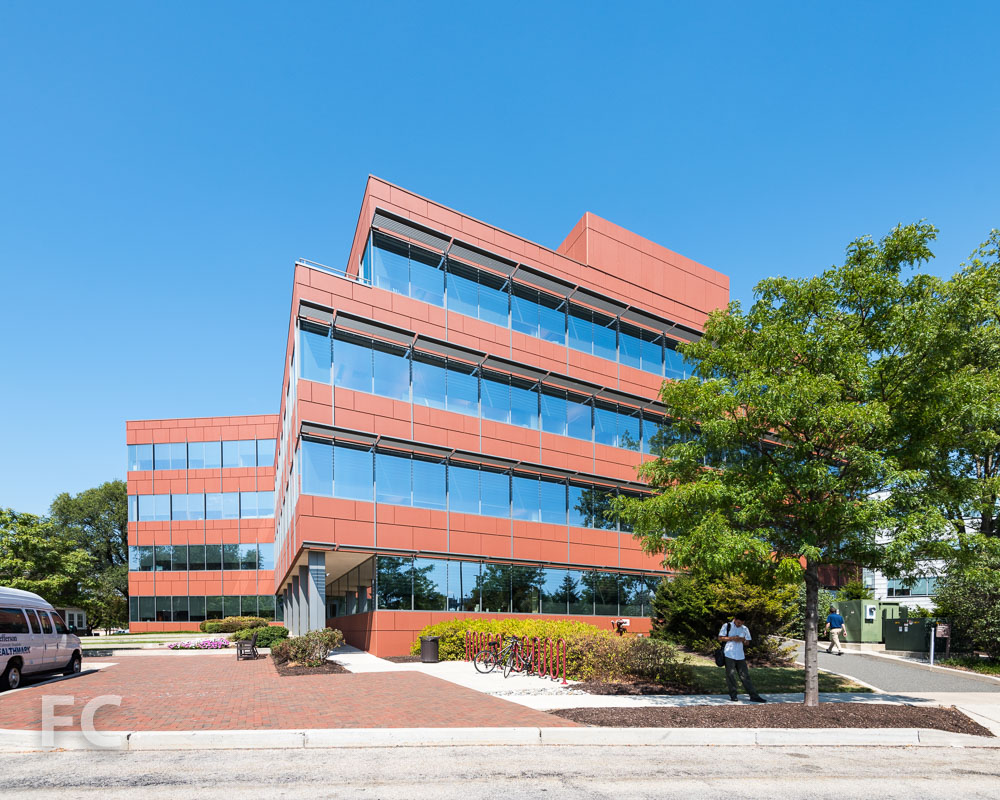
Navy Yard (Philadelphia, PA)
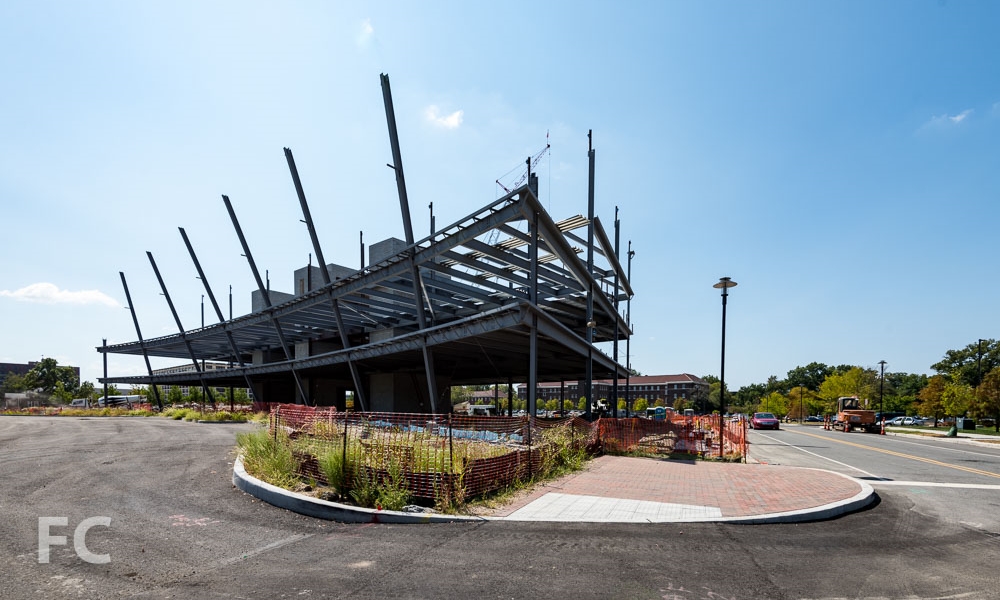
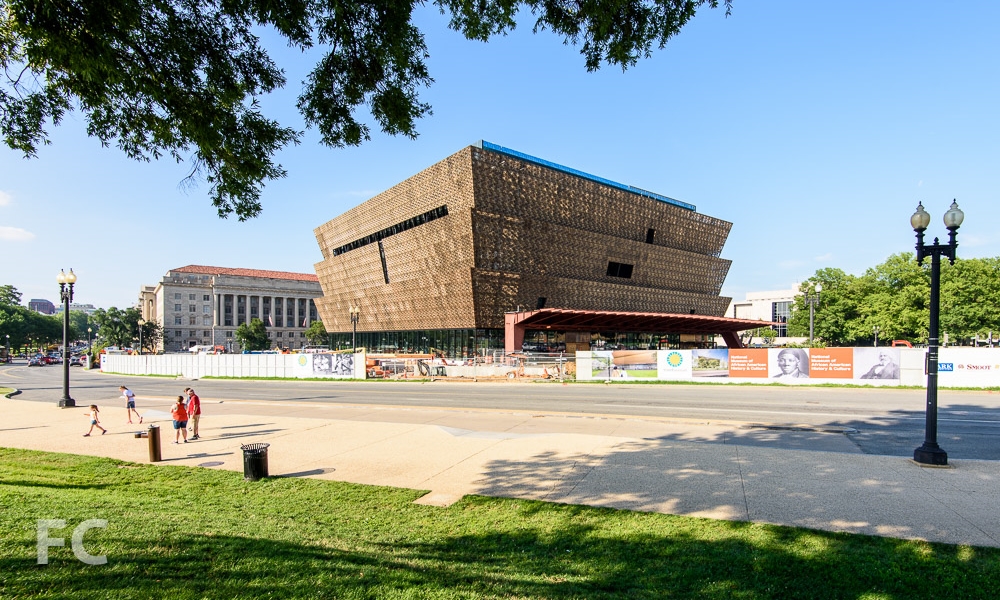
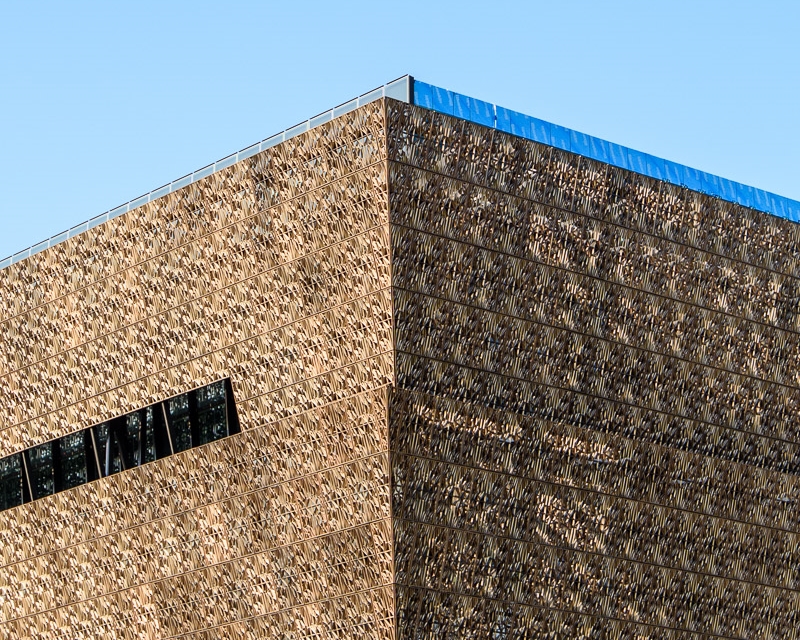
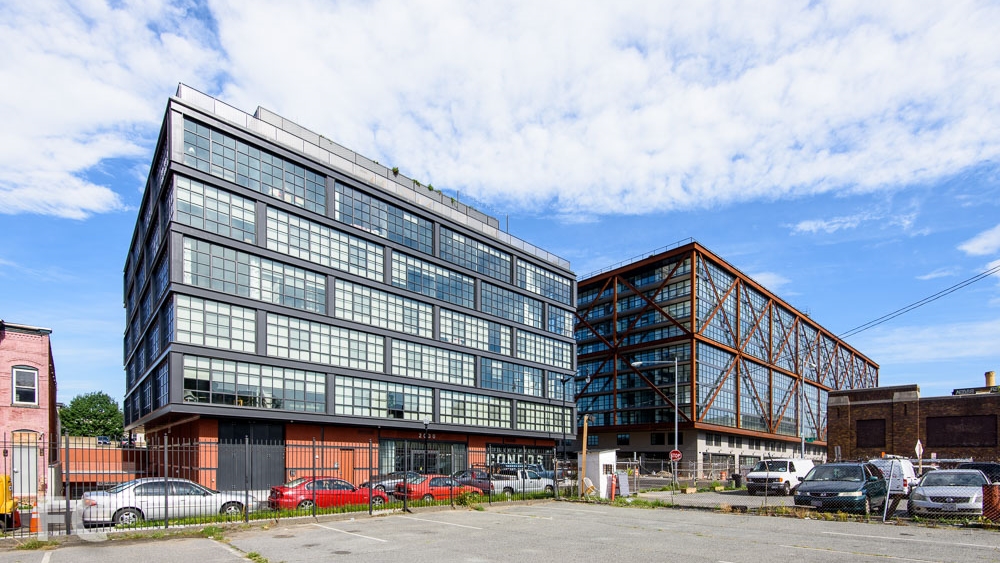
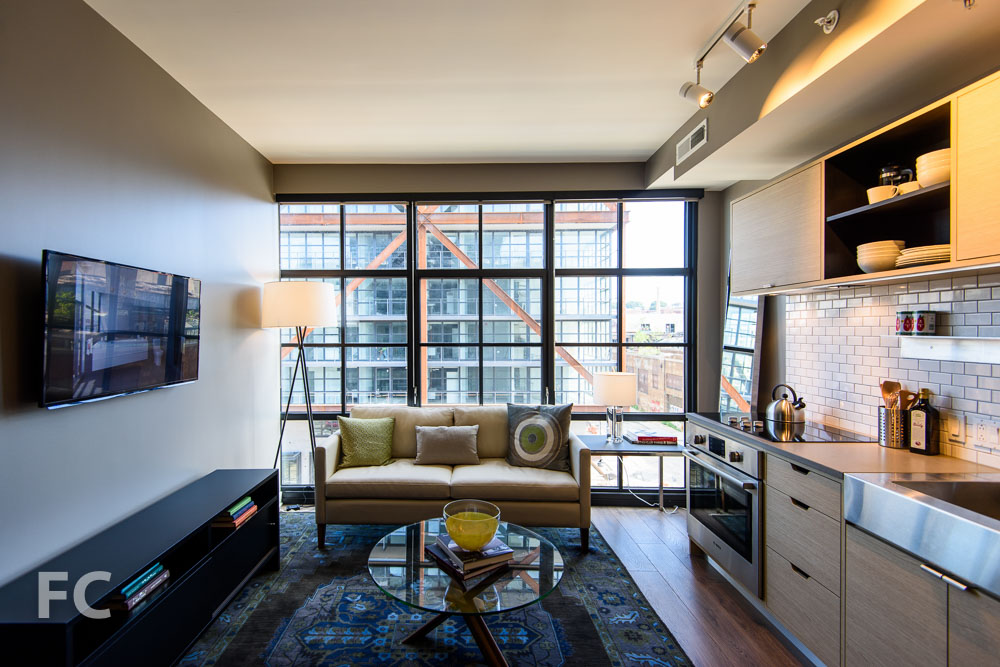
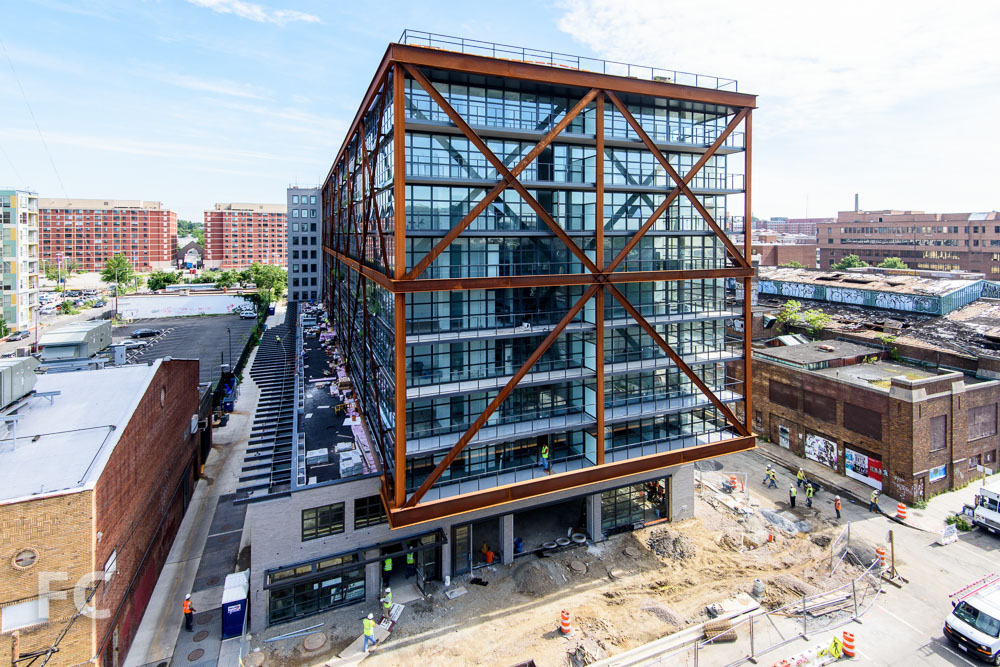
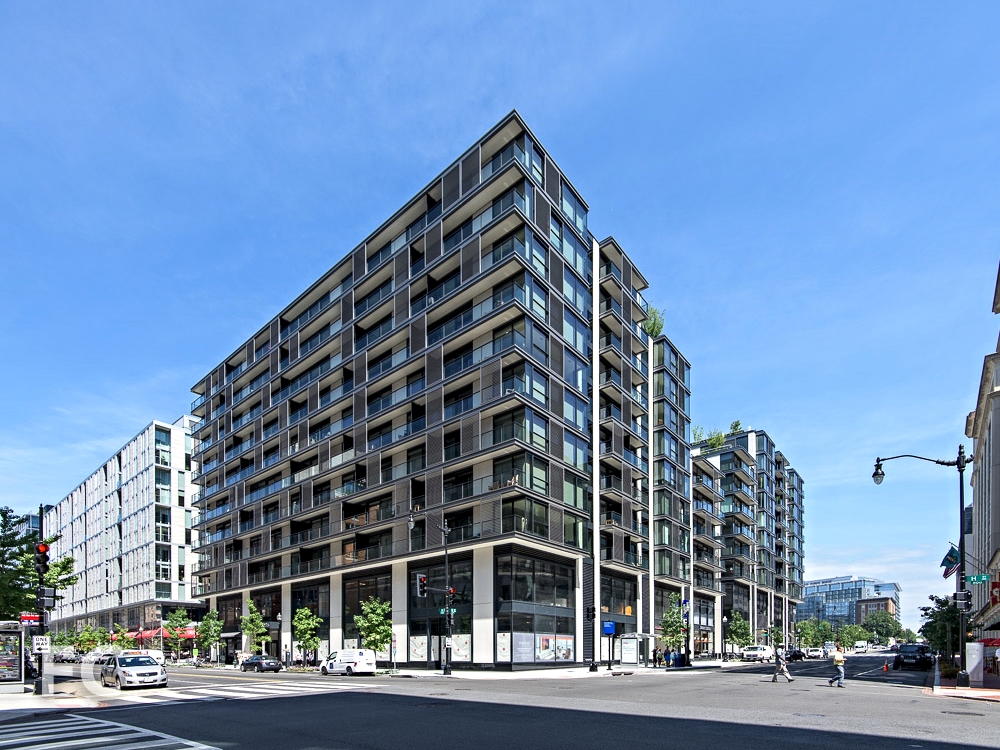
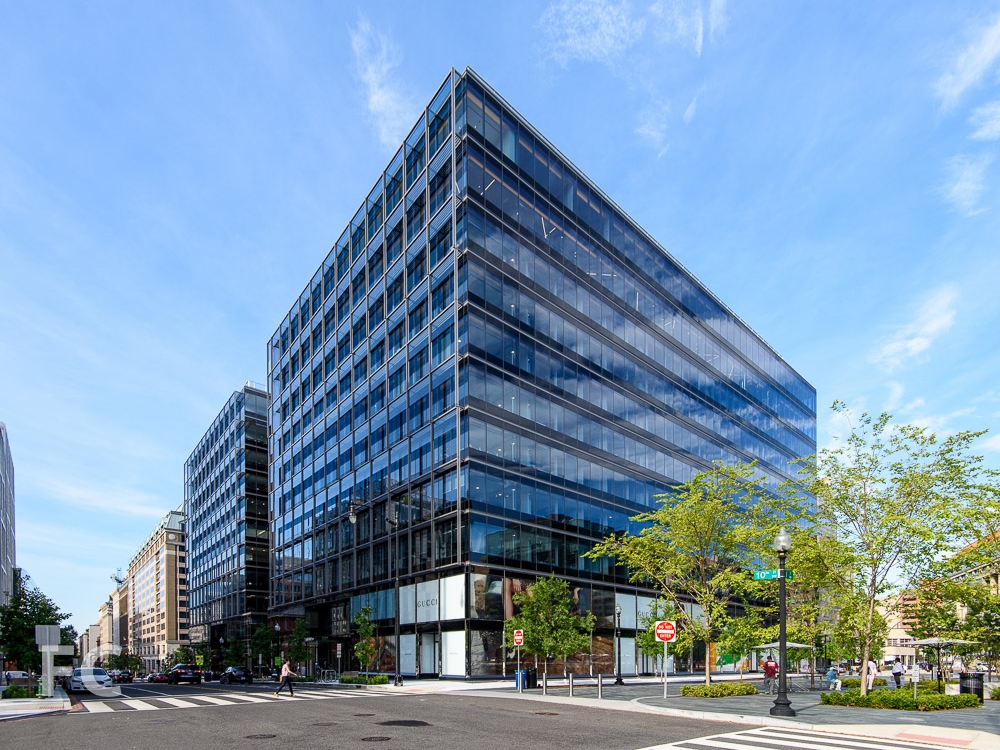
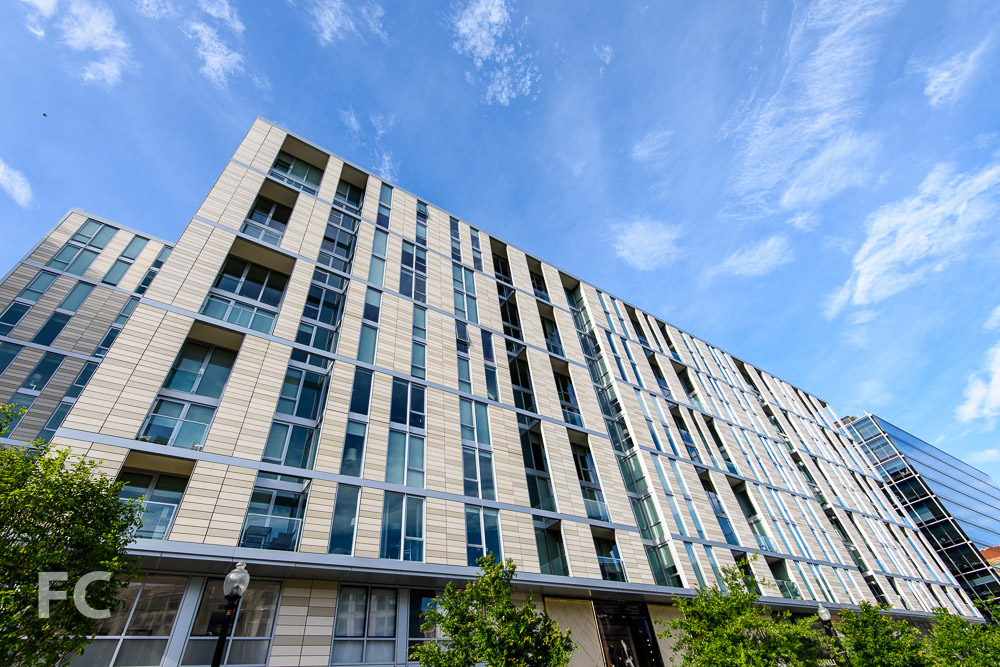
Washington, DC
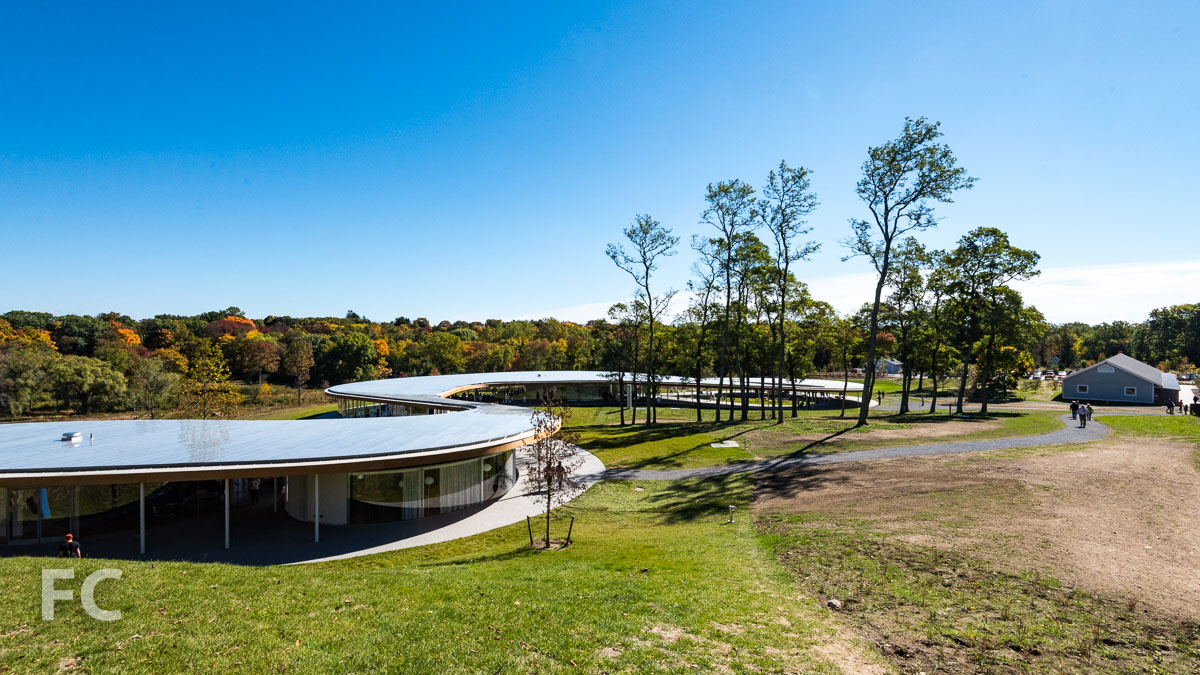
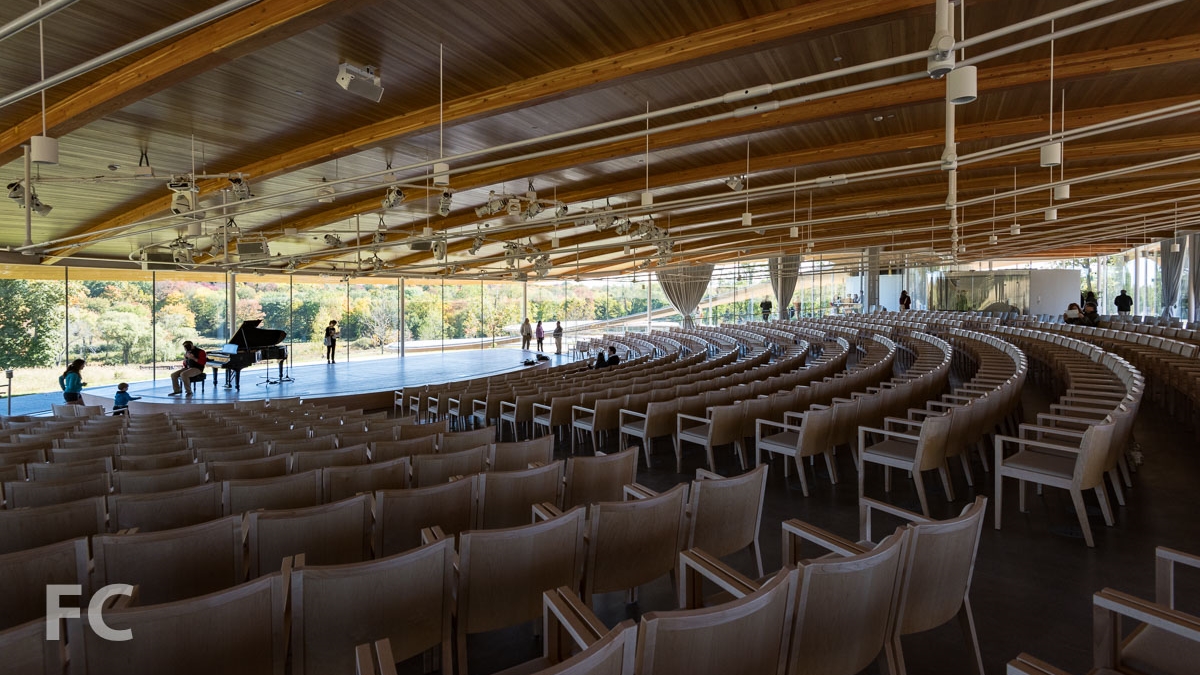
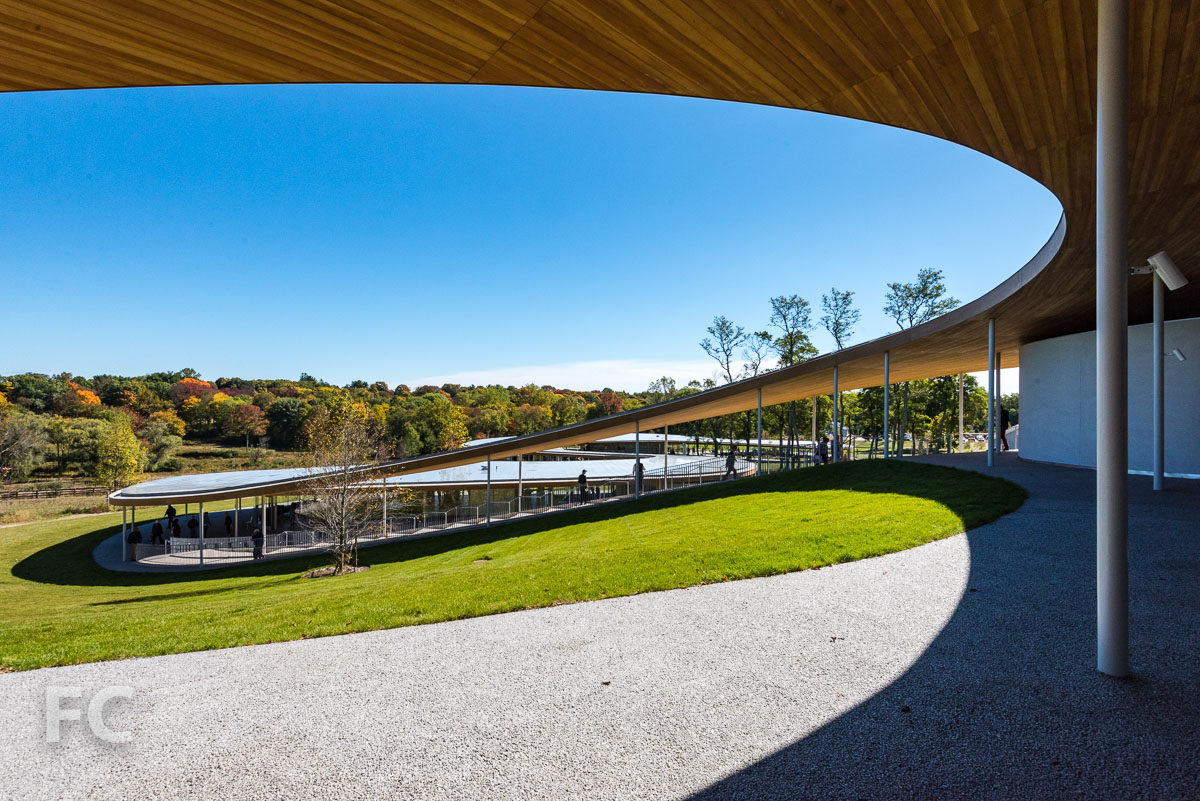
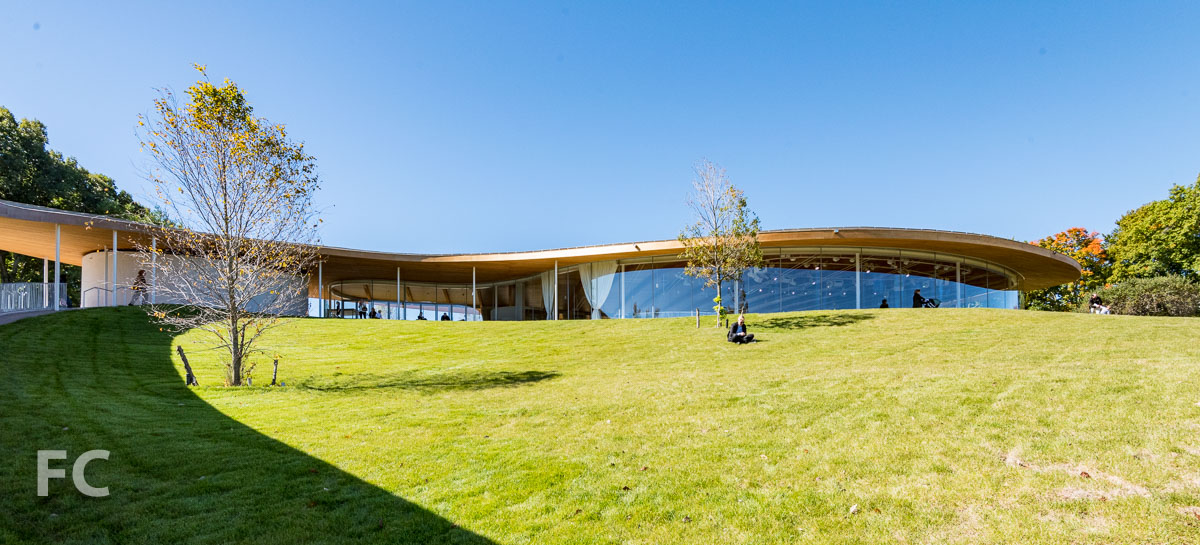
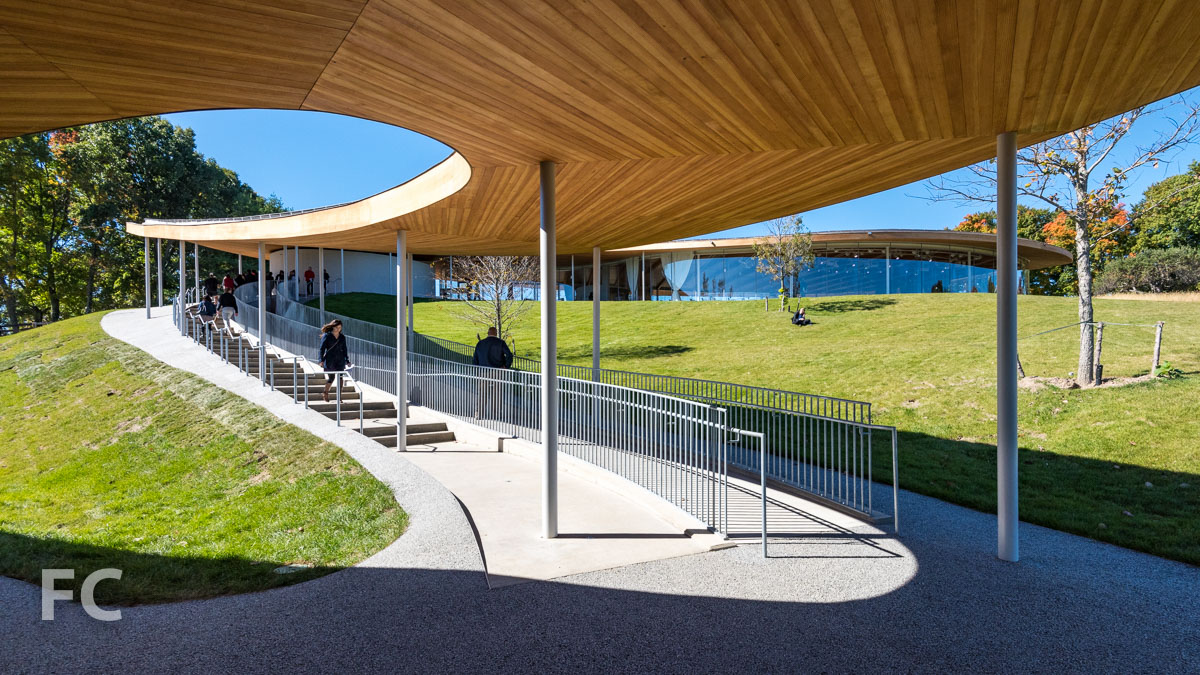
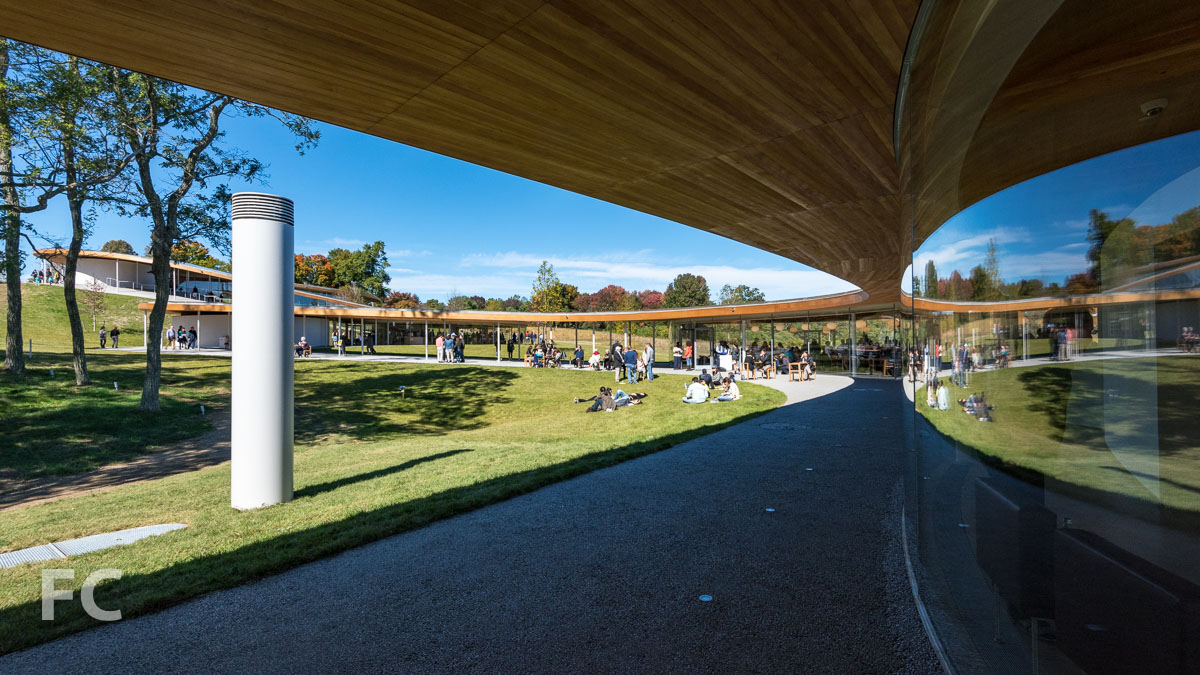
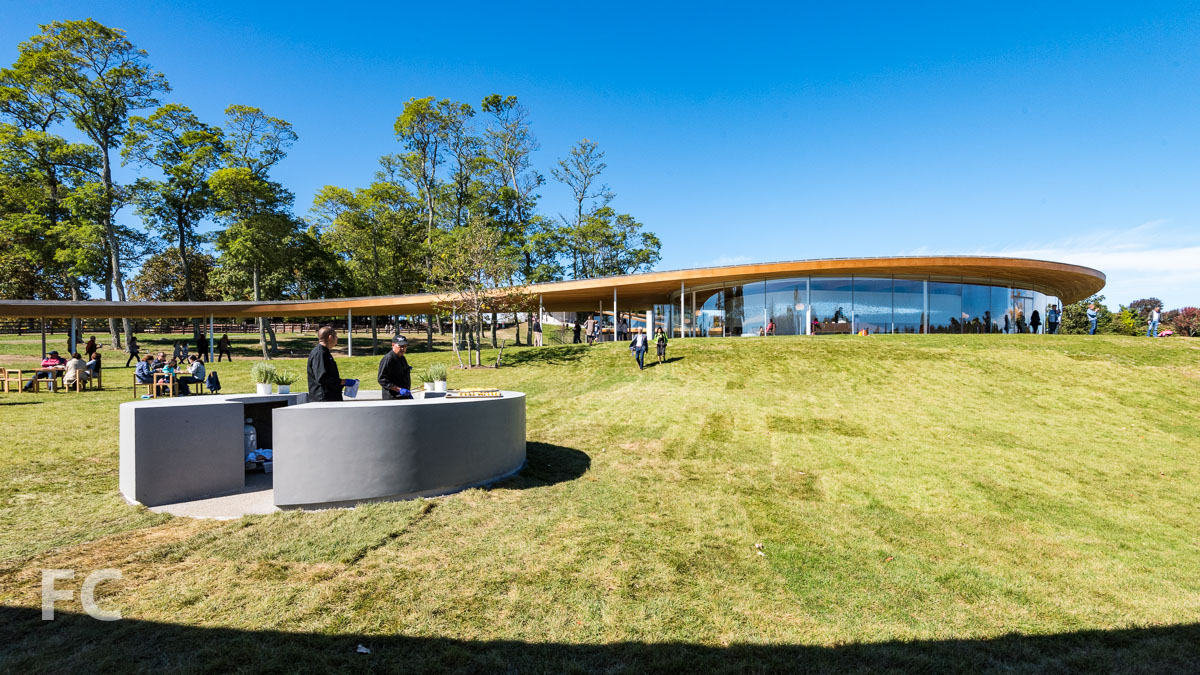
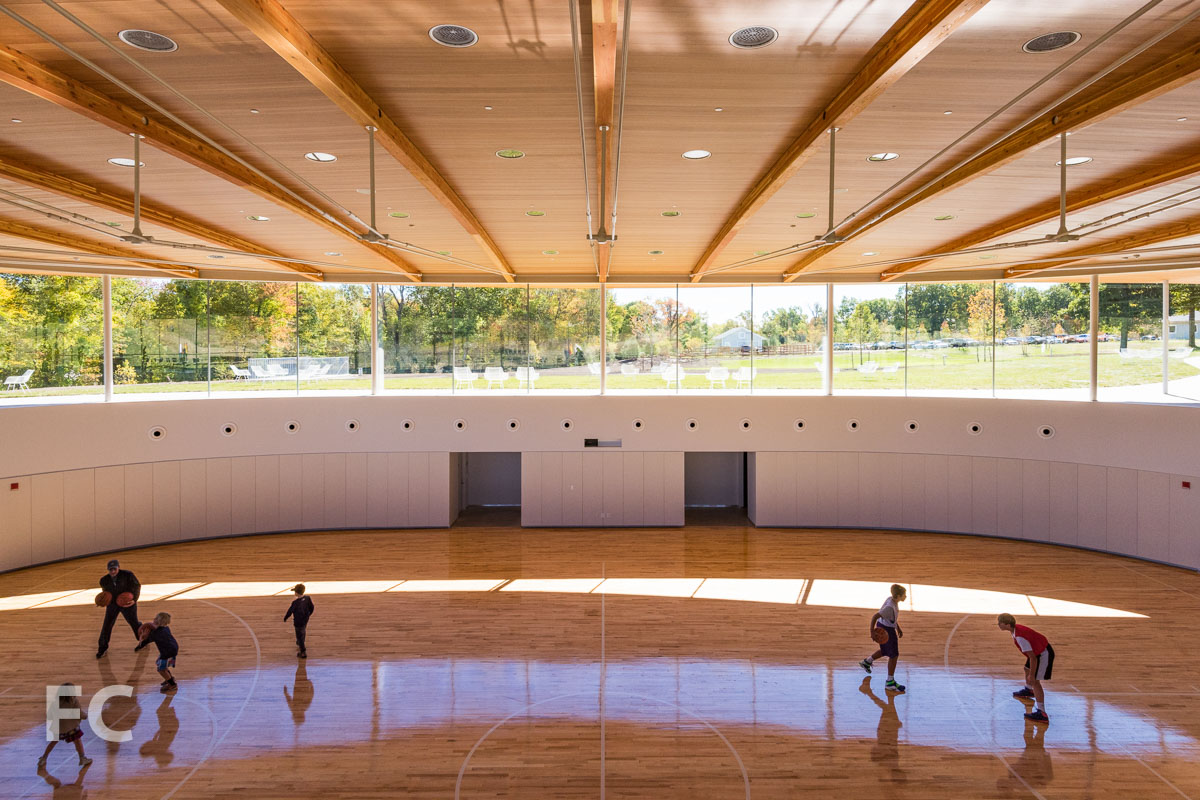
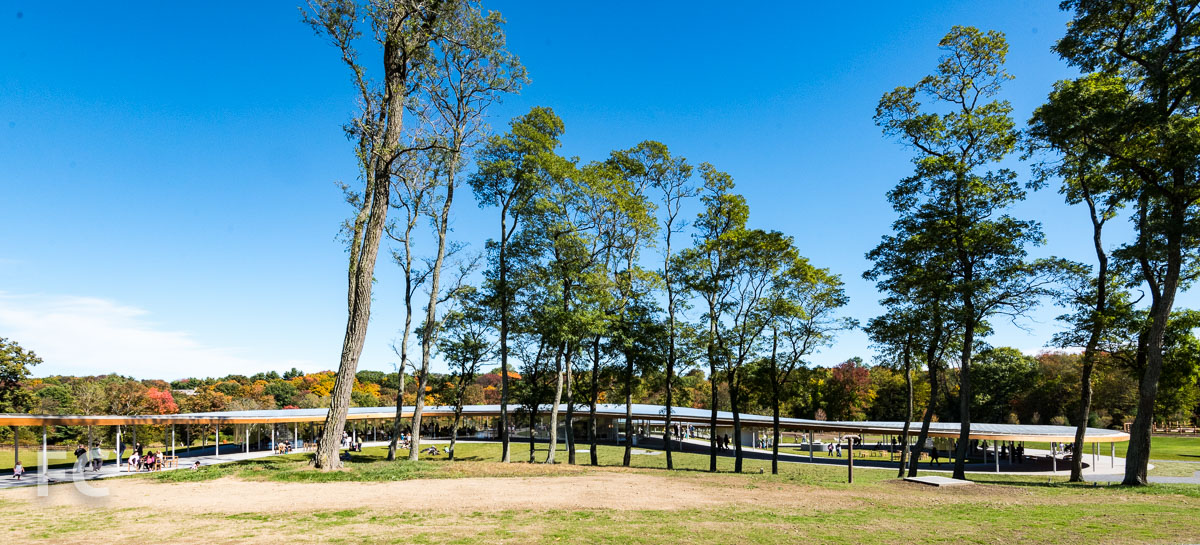
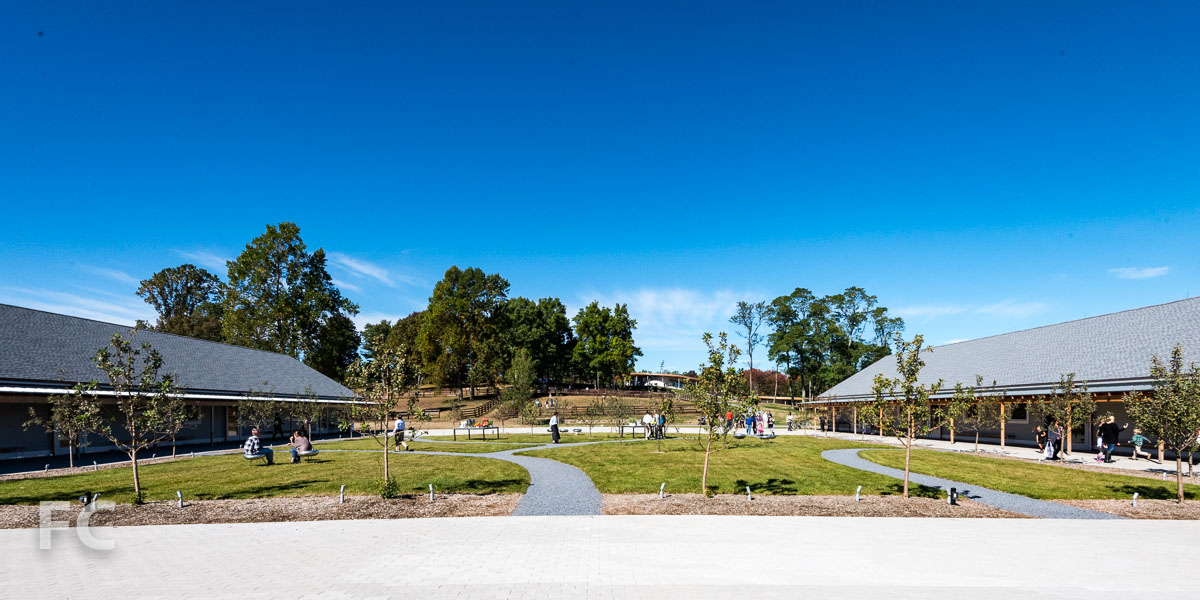
Grace Farms by SANAA

Freshkills Park
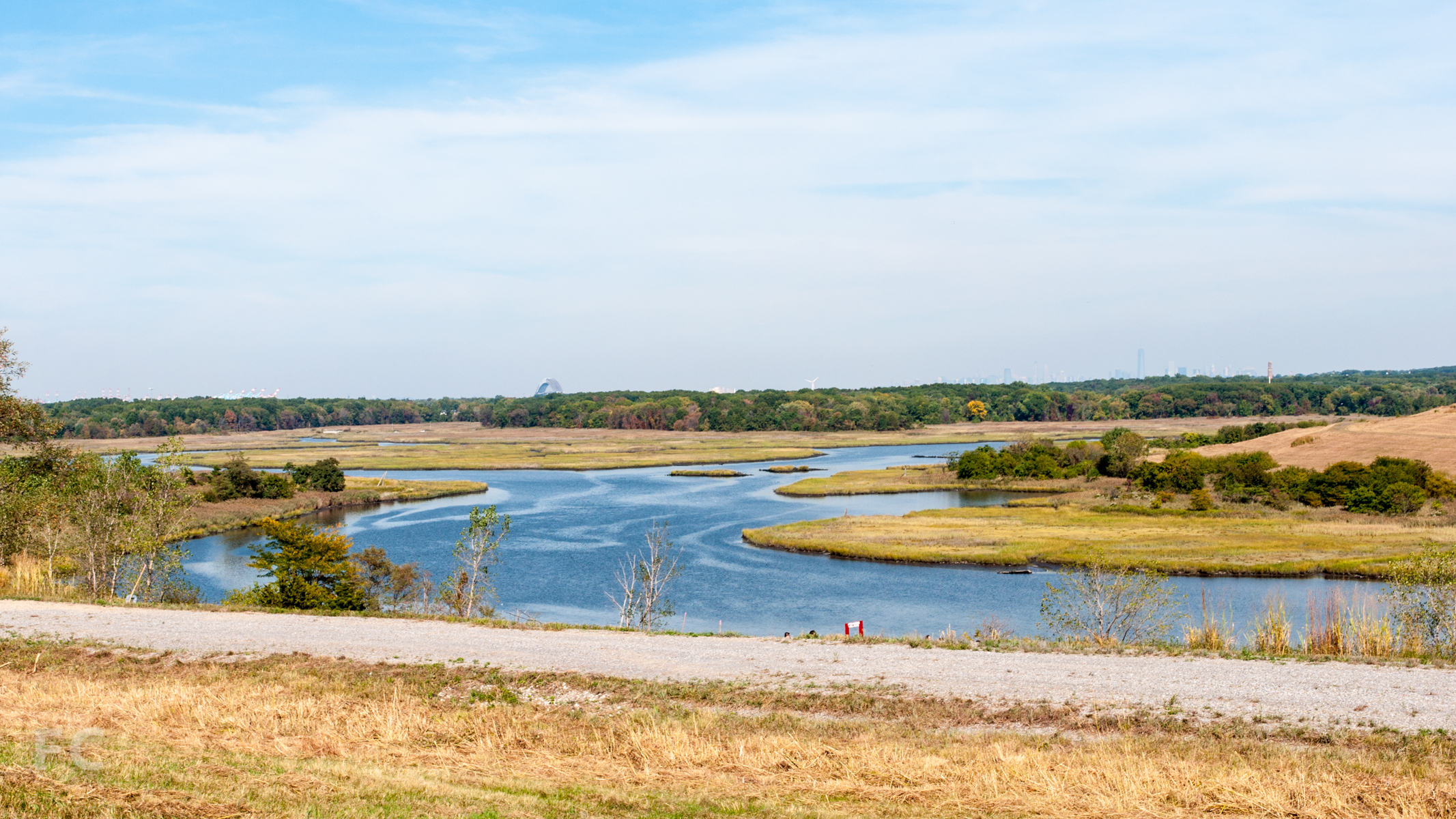
Yesterday, Freshkills Park held its annual "Sneak Peak" event, an opportunity for the public to see the progress at the site. The former 2,200 acre Fresh Kills landfill in Staten Island is in the middle of a long term conversion project into the largest park built in New York City in a hundred years. For a sense of scale, the park is approximately the size of Central Park (840 acres), Prospect Park (526 acres), and Flushing Meadows Corona Park (898 acres) combined. The park is a long term project broken down into phases, with the goal of full park completion by 2036.
Landscape Architects: Field Operations; Location: Staten Island, NY; Completion: 2036.