Tour: The Reach at the Kennedy Center for the Performing Arts
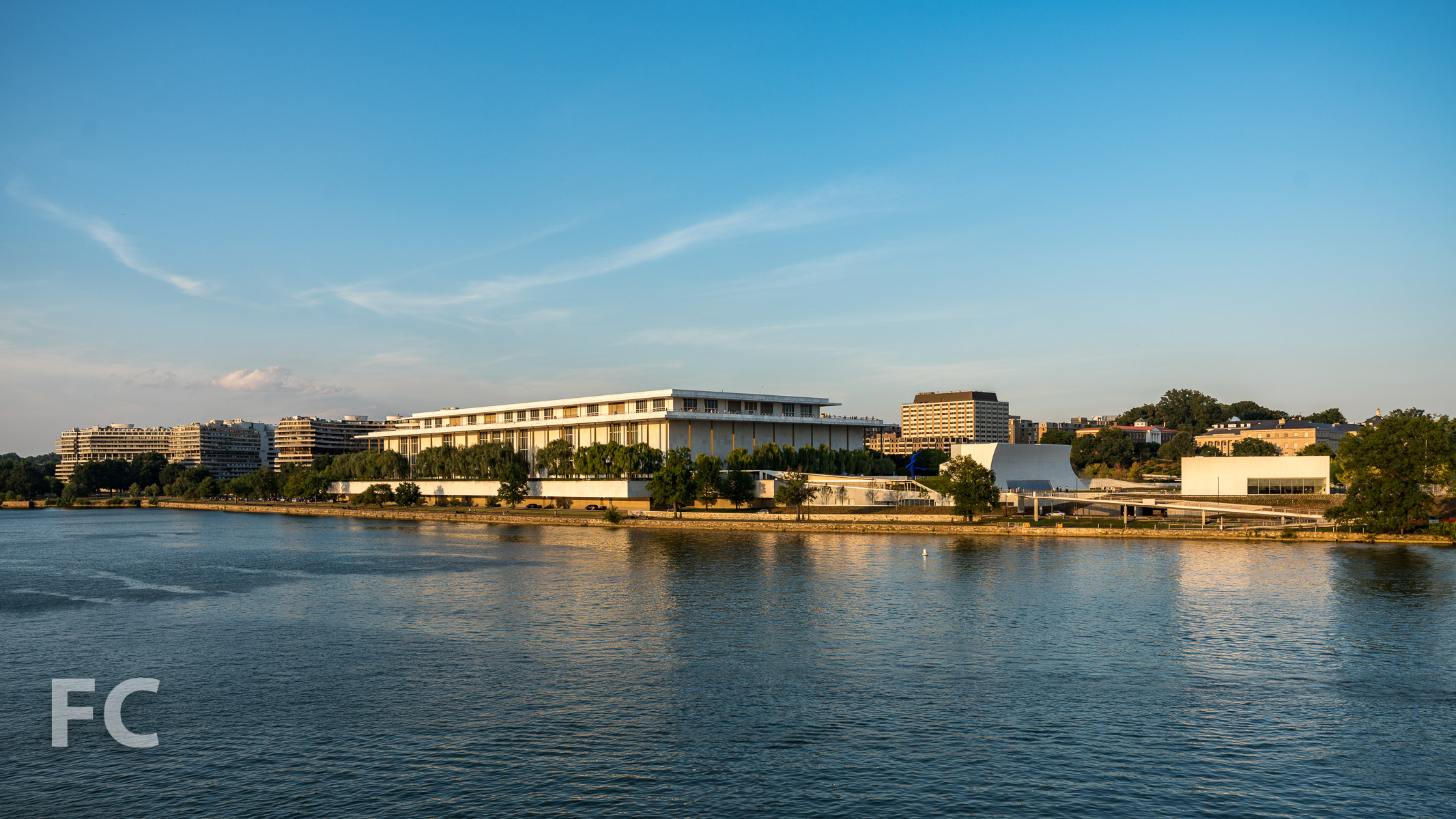
Steven Holl Architects’ expansion of the John F. Kennedy Center for the Performing Arts in Washington, D.C. officially opens on September 7. Known as The Reach, the expansion is located on 4.6 acres immediately south of the original 1971 structure by Edward Durell Stone. Rather than build onto the existing structure, the architect has designed a series of pavilions sited on the largest green roof in Washington, DC. The pavilions and connecting underground spaces house rehearsal rooms and classrooms, a lecture hall, multipurpose meeting rooms, and an event space. Holl envisions his design as a means to connect the expansion with the landscape and the adjacent Potomac River.
Holl employs titanium white, board-formed concrete and backlit clear and etched glass windows as the primary exterior materials for the three pavilions.
The pavilions sit within a four season landscape of expansive lawns, wild grasses, sedum varietals, and a ginkgo grove. Pathways are defined by bluestone pavers.
Welcome Pavilion
Welcome Lobby
The entry lobby features a visitors desk, coffee bar, and a Wall of Gratitude recognizing leadership donors.
Justice Forum
The Justice Forum, named after one of the five ideals commonly attributed to President Kennedy, is a 144 seat lecture hall with the capacity for film screenings and small-format performances. Primary finishes include cherry wood and “crinkle concrete” that diffuses sound waves with its faceted shape created by the unique formwork.
Multipurpose Studios
Skylight Pavilion
The Skylight Pavilion serves as a public atrium space that can accommodate special events, seated dinners, and receptions. Acoustic plaster covers the walls and ceiling within the 36-foot tall space, while a large curved glass opening allows for views out to the river, lower lawn, and reflecting pool.

River Pavilion
The River Pavilion serves as a flexible interior and exterior space with dramatic views of the Potomac River, the River Plaza and reflecting pool.
Sculpture
The Bridge
A pedestrian bridge spans Rock Creek and Potomac Parkway, connecting the Kennedy Center campus to the Potomac riverfront.
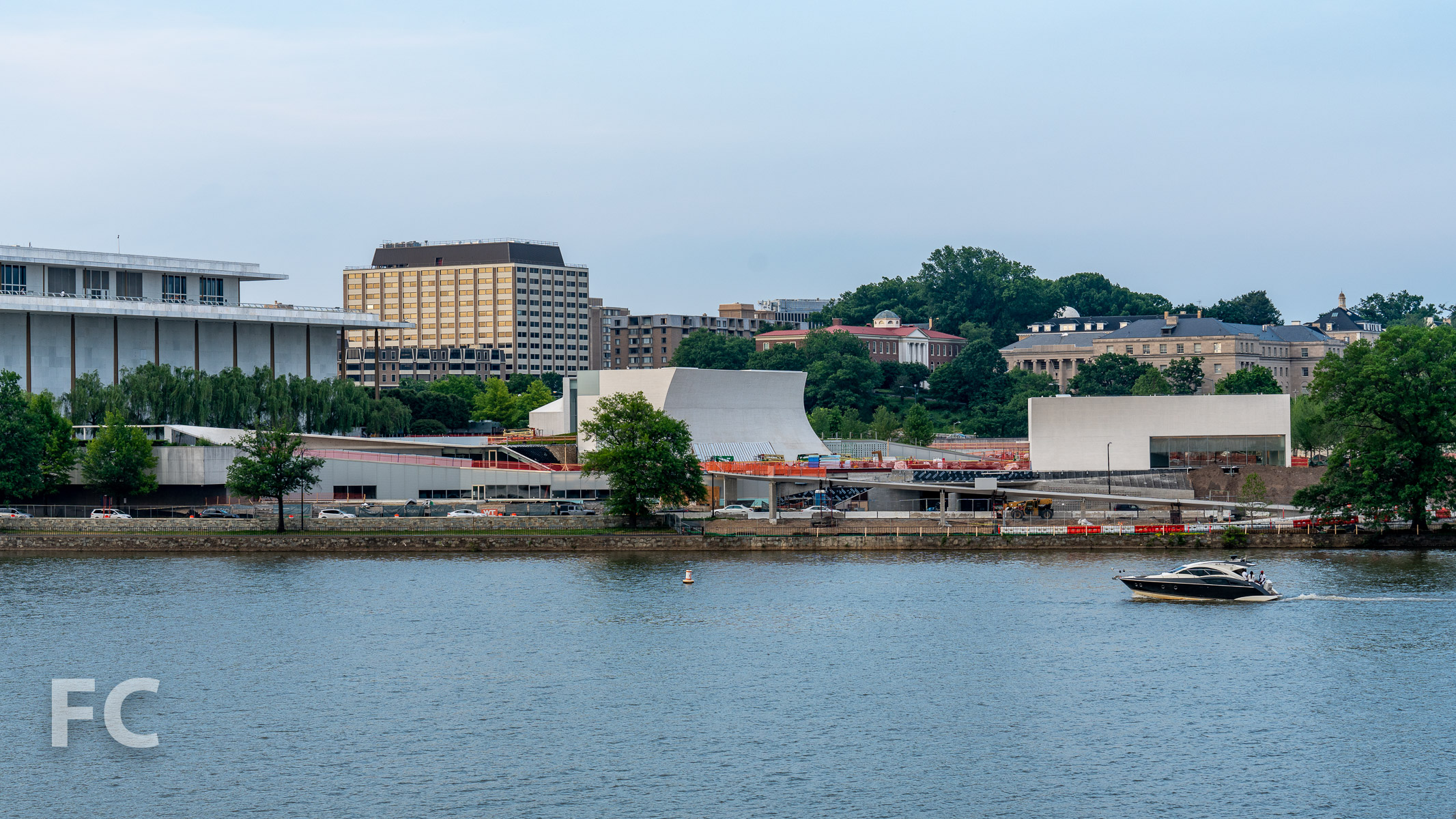
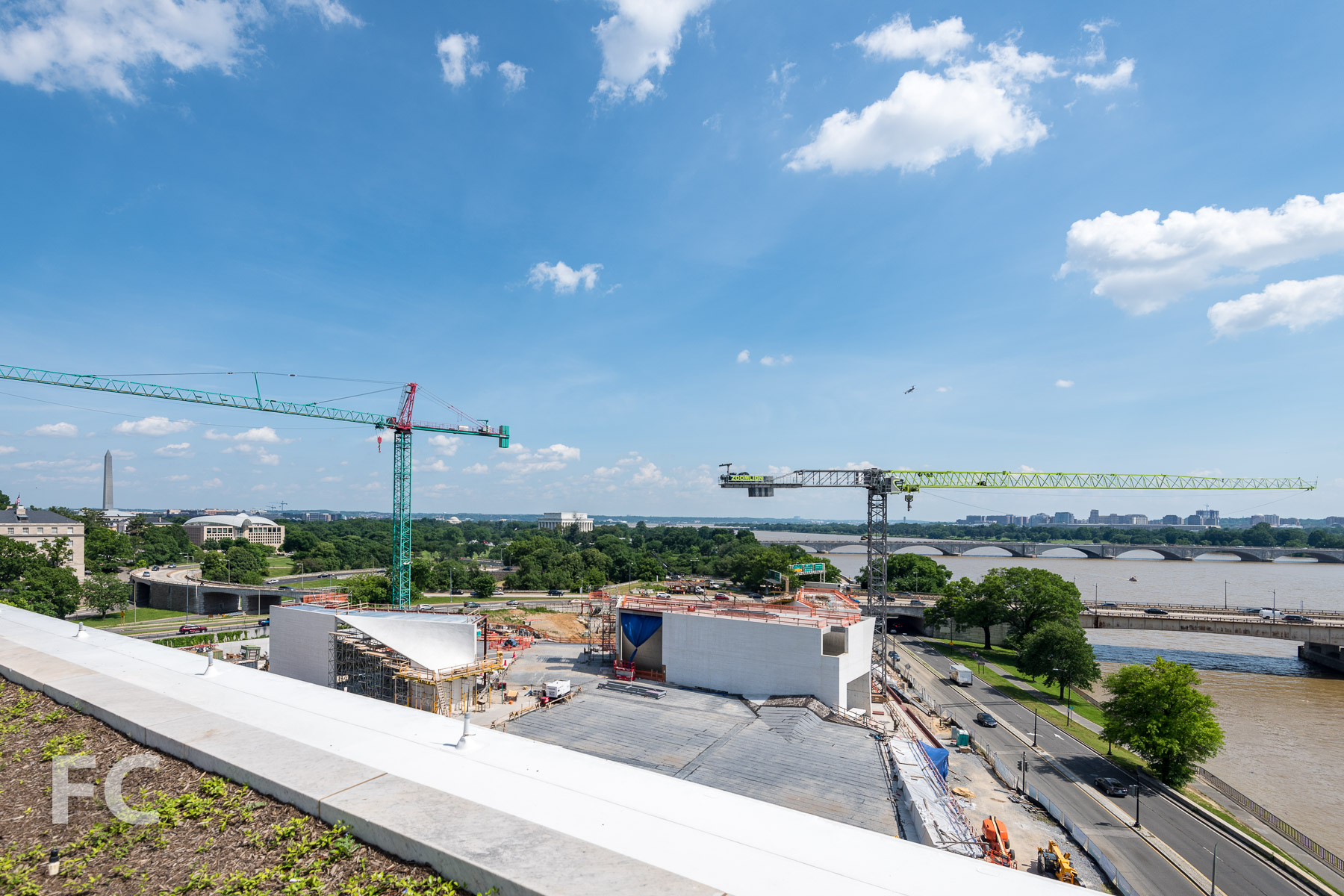
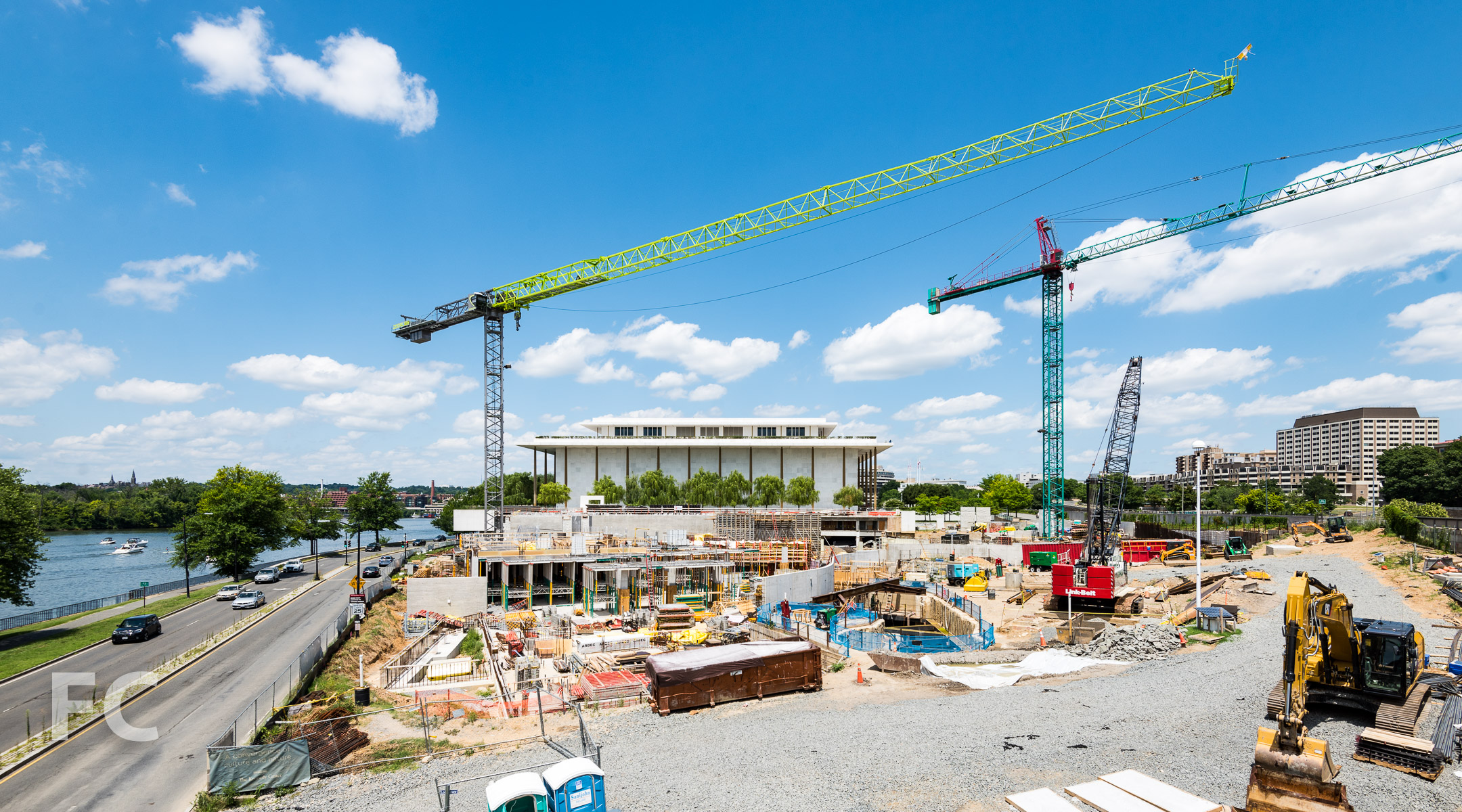
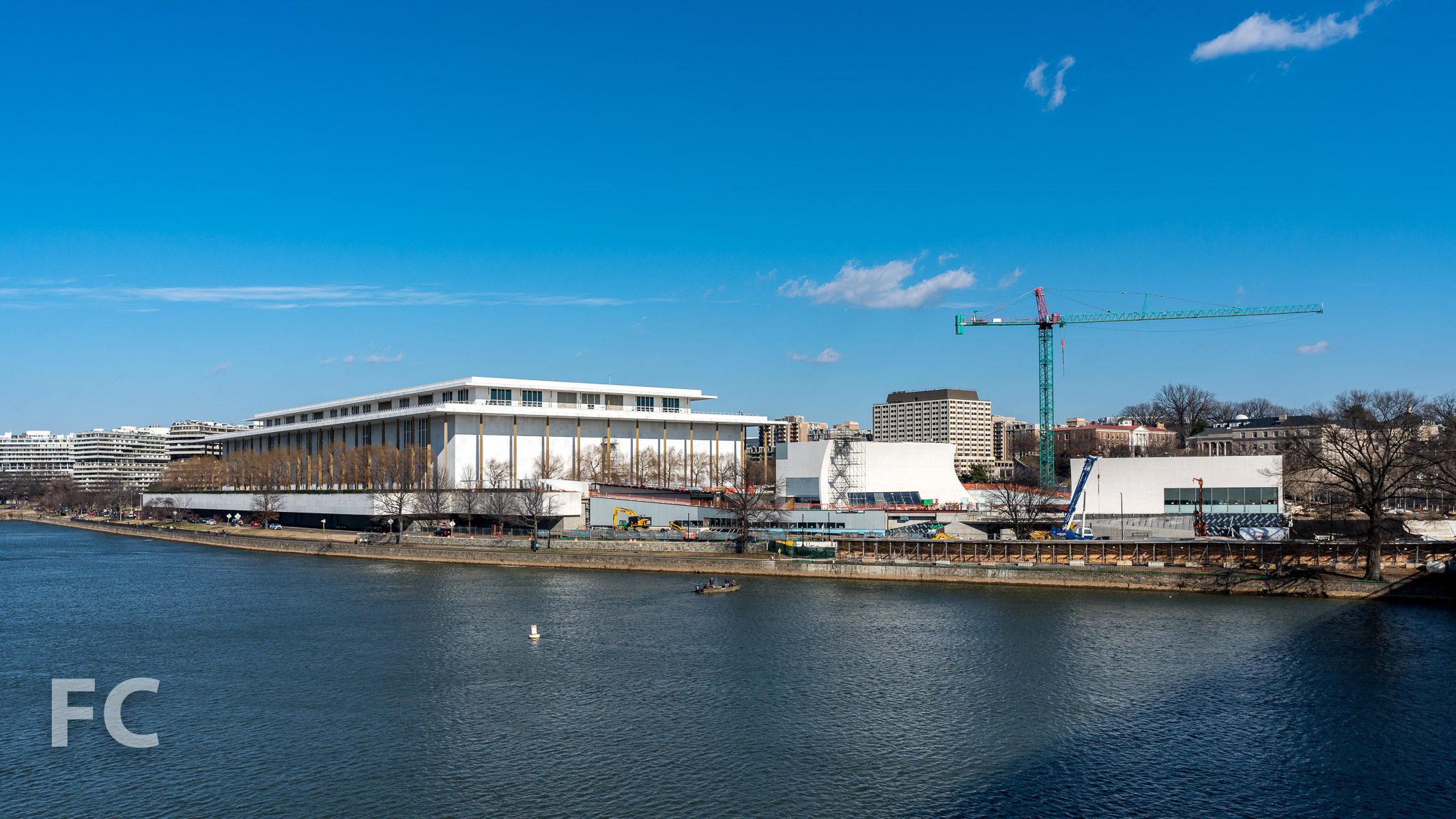
Construction Update: The JFK Center for the Performing Arts Expansion
Exterior wall construction is nearing completion at the expansion of the John F. Kennedy Center for the Performing Arts in Washington, D.C. Designed by Steven Holl Architects, the expansion is located immediately south of the original 1971 structure by Edward Durell Stone. Rather than build onto the existing structure, the architect has designed a series of structures that will house rehearsal rooms and classrooms, a lecture hall, multipurpose meeting rooms, and an event space. Holl envisions his design strategy as a means to connect the expansion with the landscape and the adjacent Potomac River.
Architect: Steven Holl Architects (Design Architect), BNIM (Architect of Record); Structural Engineer: Robert Silman Associates; MEP Engineer: Arup; Landscape Architect: Edmund Hollander Landscape Architects; Envelope Consultant: Thornton Tomasetti; Client: The John F. Kennedy Center for the Performing Arts; Program: Performing Arts; Location: Washington, D.C.; Completion: Fall 2019.

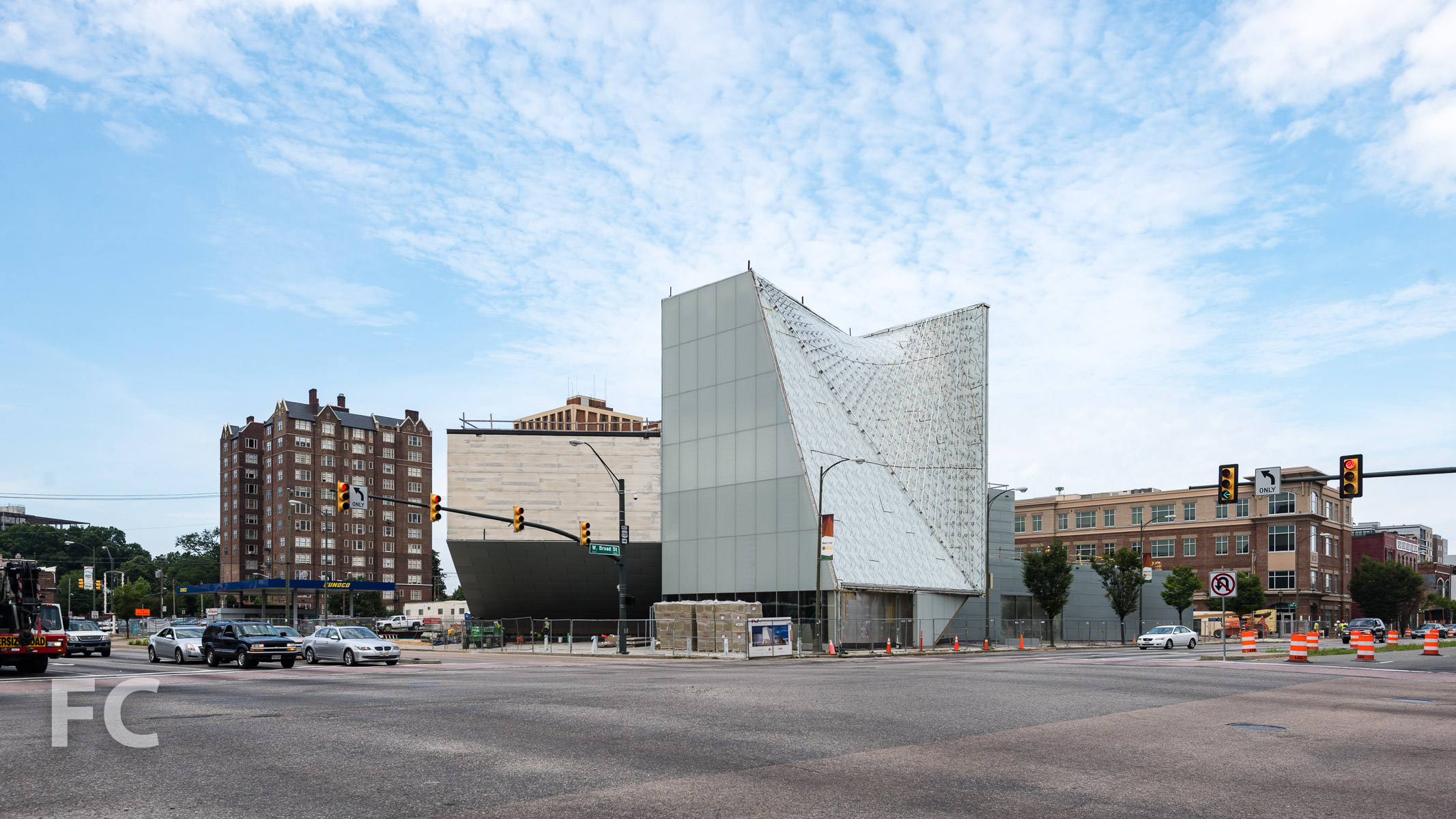
Tour: Institute for Contemporary Arts at VCU
East facade from West Broad Street.
Steven Holl Architects' latest museum, the Institute for Contemporary Art's Markel Center, has opened on the campus of Virginia Commonwealth Universityin Richmond, Virginia.
Looking up at the performance space volume.
The centerpiece of the design is the 33 foot high forum located at the intersection of West Broad Street and North Belvidere Street. Off of this main forum volume, visitors can access the 240-seat auditorium, sculpture garden, and the four contemporary art galleries that fork into multiple volumes along West Broad Street.
Looking up at the forum and performance space volumes intersection.
Pre-weathered titanium zinc, the primary cladding material, was selected for its environmental friendliness as a 100% recyclable material and its flexibility in cladding the curved shapes of the museum.
Northeast corner from West Broad Street.
Other sustainable features of the design include the use of 7,500-square-feet of green roofs on three of the four galleries and the use of geothermal wells for the central heating/cooling system. The wells are drilled down to approximately 460 feet and use the earth as a heat source in the winter and a heat sink in the summer for the building's climate control system.
Sculpture Garden
North entry.
Northwest corner at the sculpture garden.
Entry door hardware detail.
Forum

South entry.
Ground Floor Gallery

Stair railing detail.
Sculpture Terrace Garden
Second Floor Galleries
Third Floor Gallery
Performance Space
Cafe
Basement

Architect: Steven Holl Architects with BCWH Architects; Structural Engineer: Robert Silman Associate; Mechanical Engineers: Arup, OLDS; Landscape: Michael Boucher Landscape Architect; Client: Virginia Commonwealth University; Program: Museum; Location: Richmond, VA; Completion: Spring 2018.