2015 Highlights: Exhibitions
A look back at some of the best architectural exhibitions of 2015.
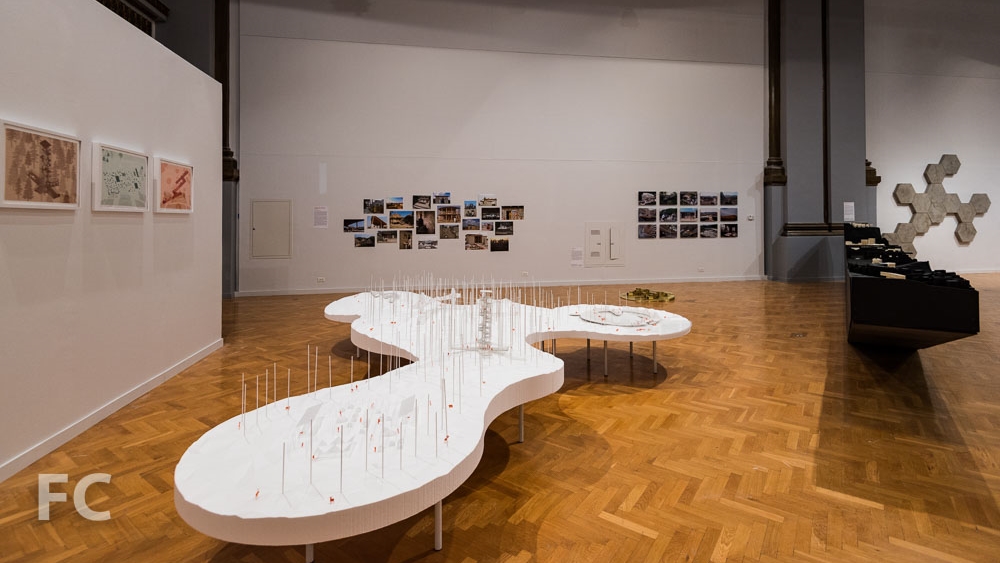
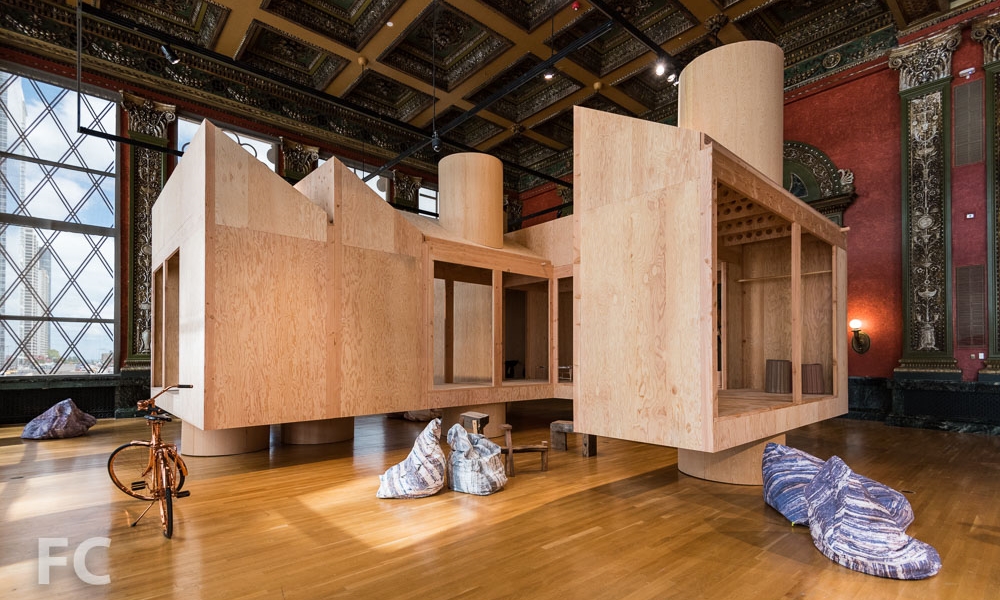
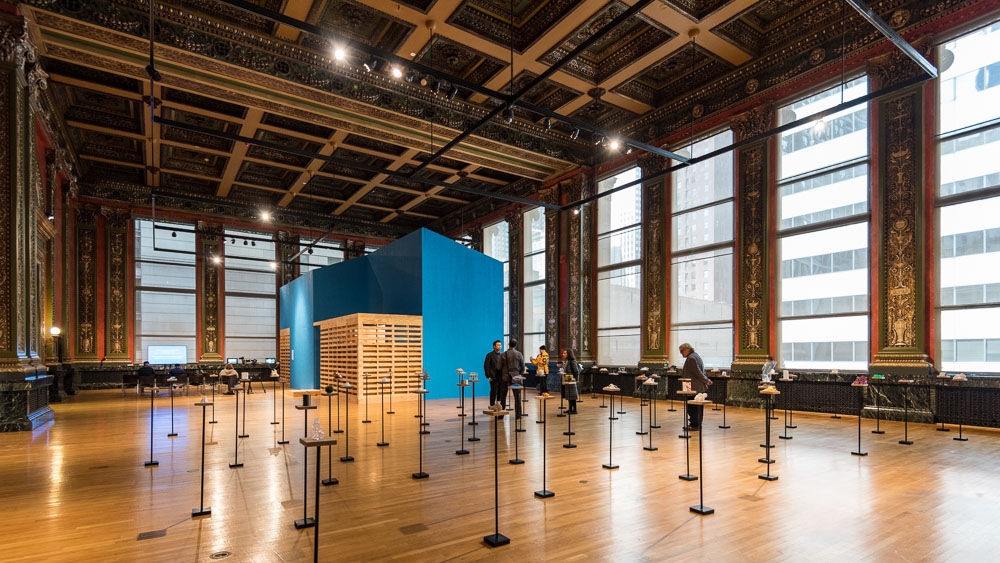
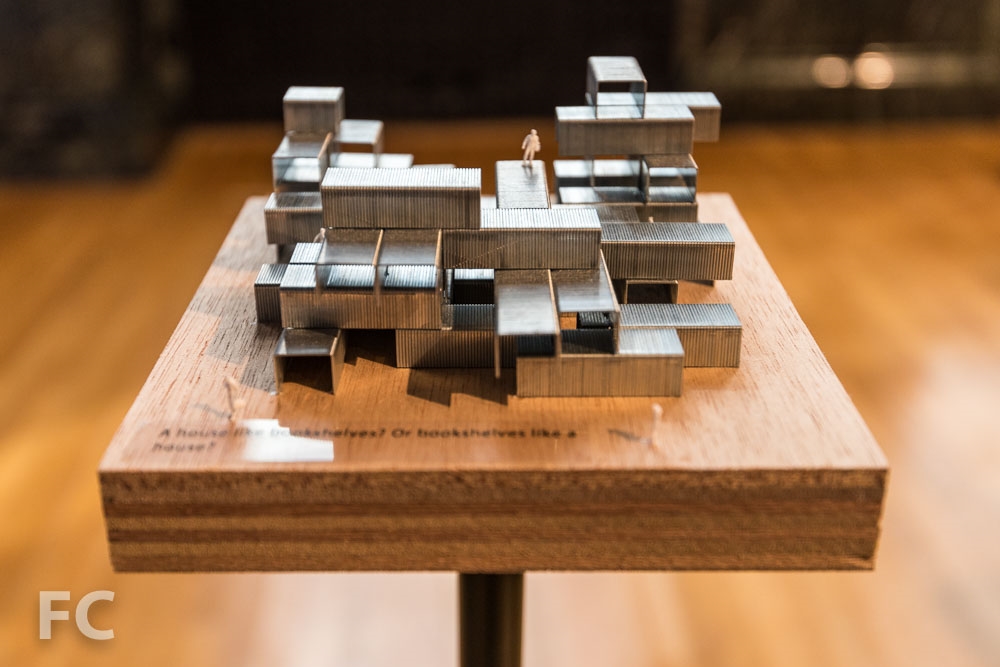
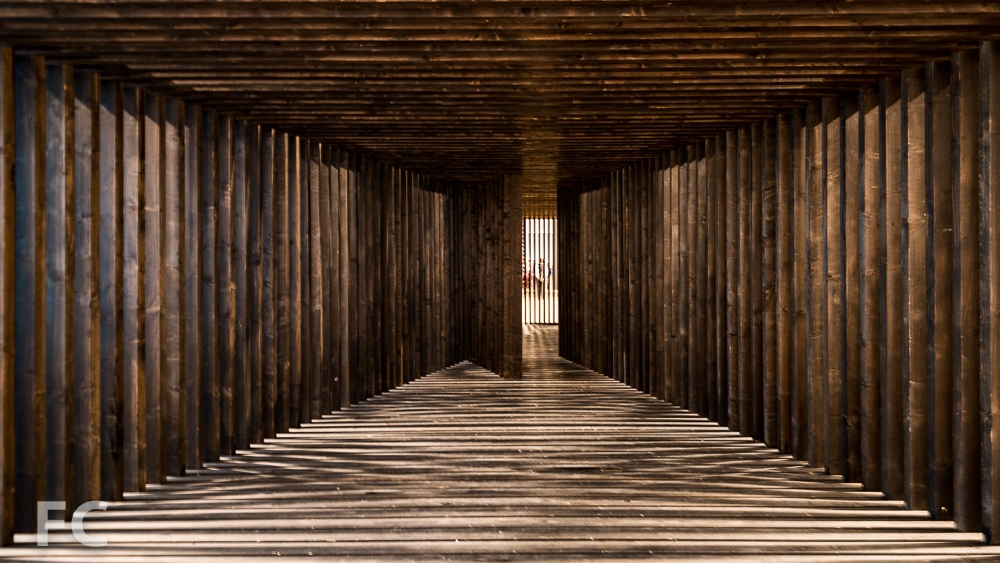
Chicago Architecture Biennial (Chicago Cultural Center, Chicago, IL):
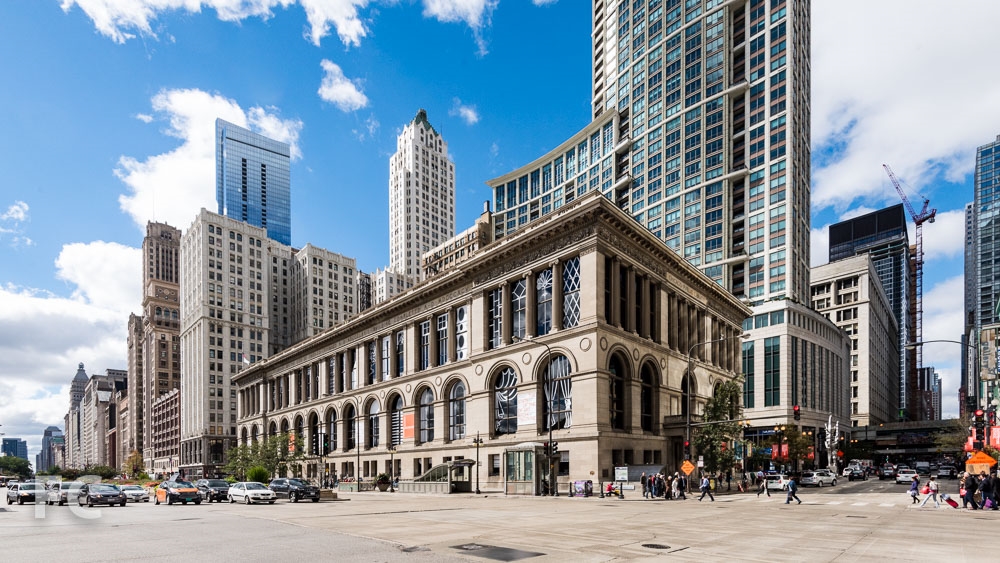
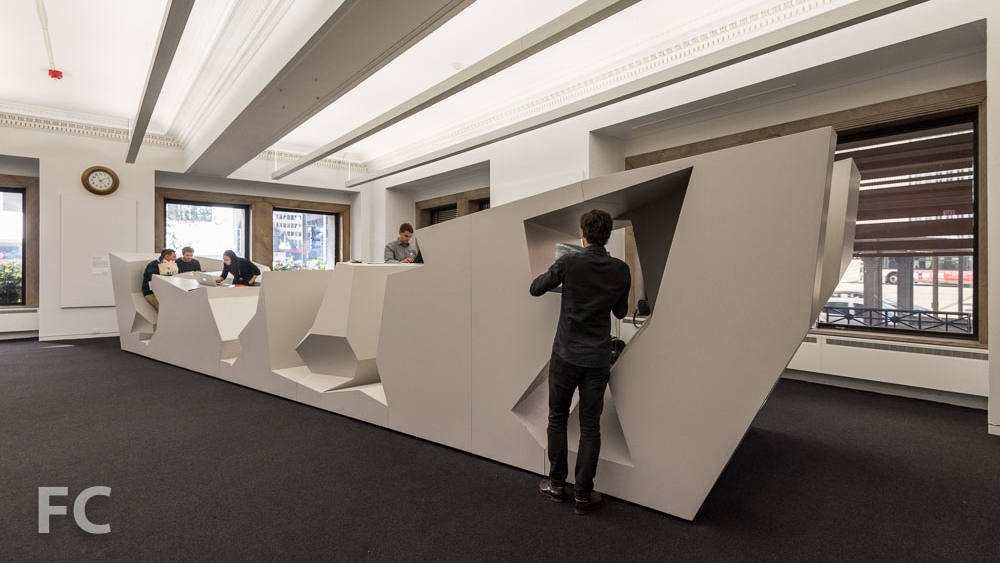
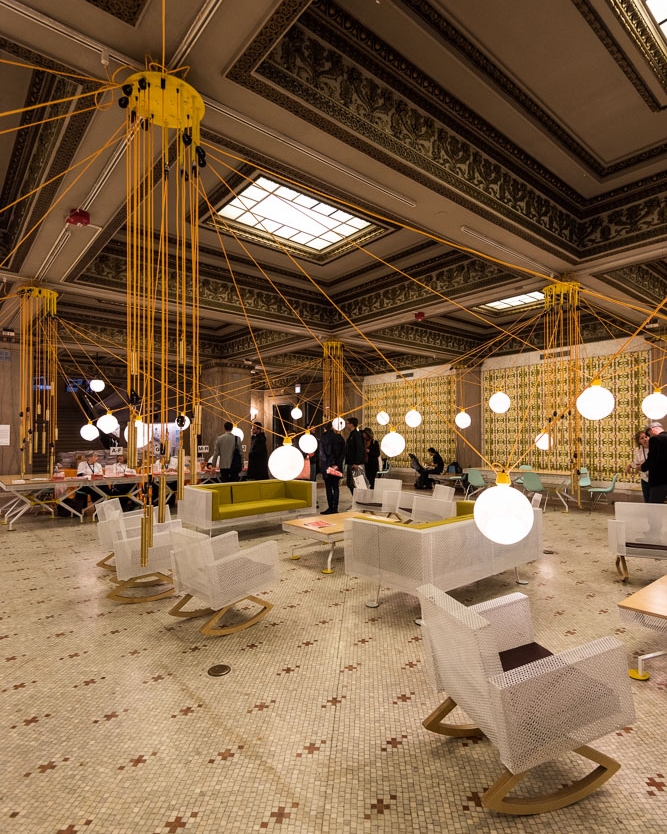
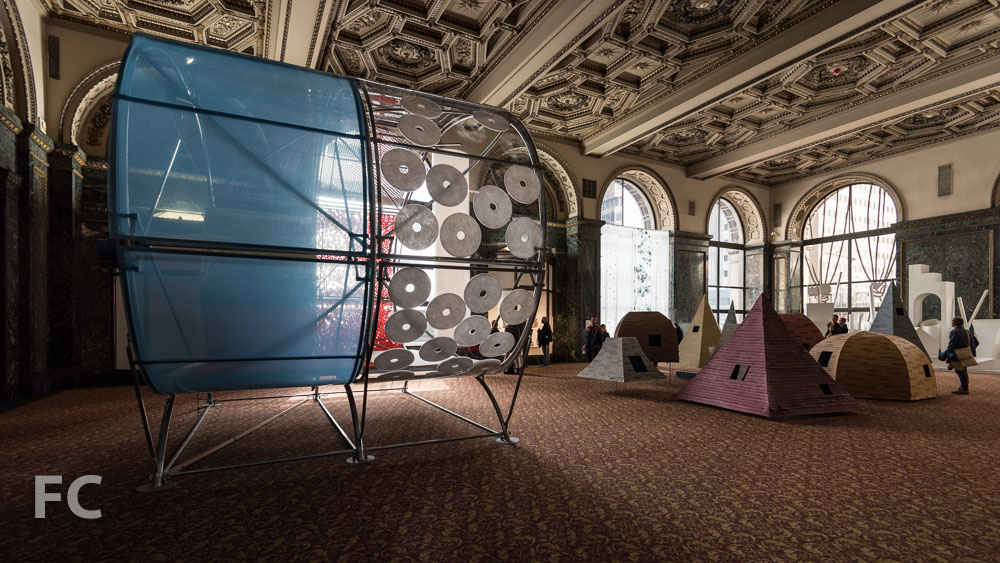
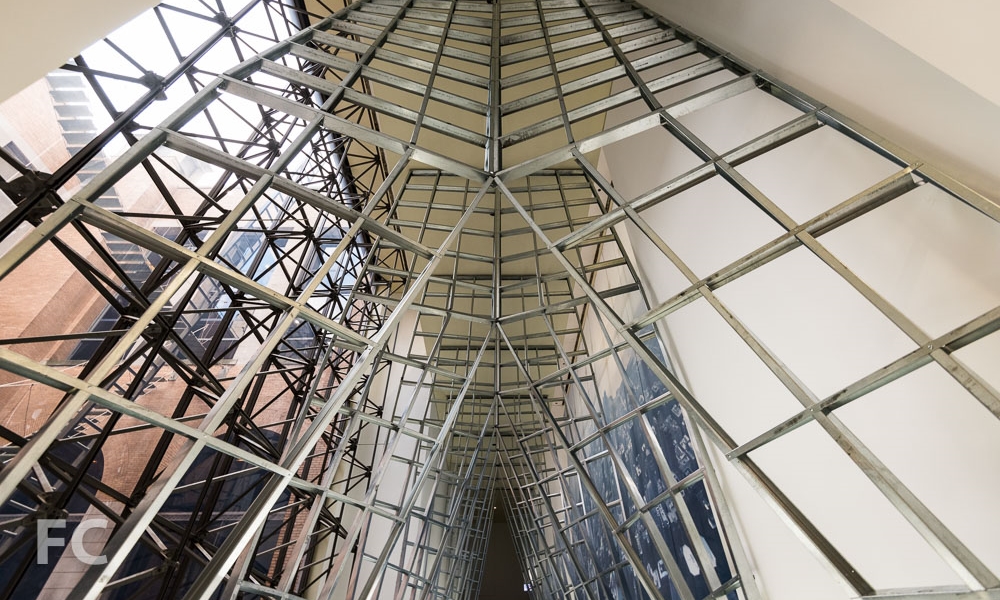
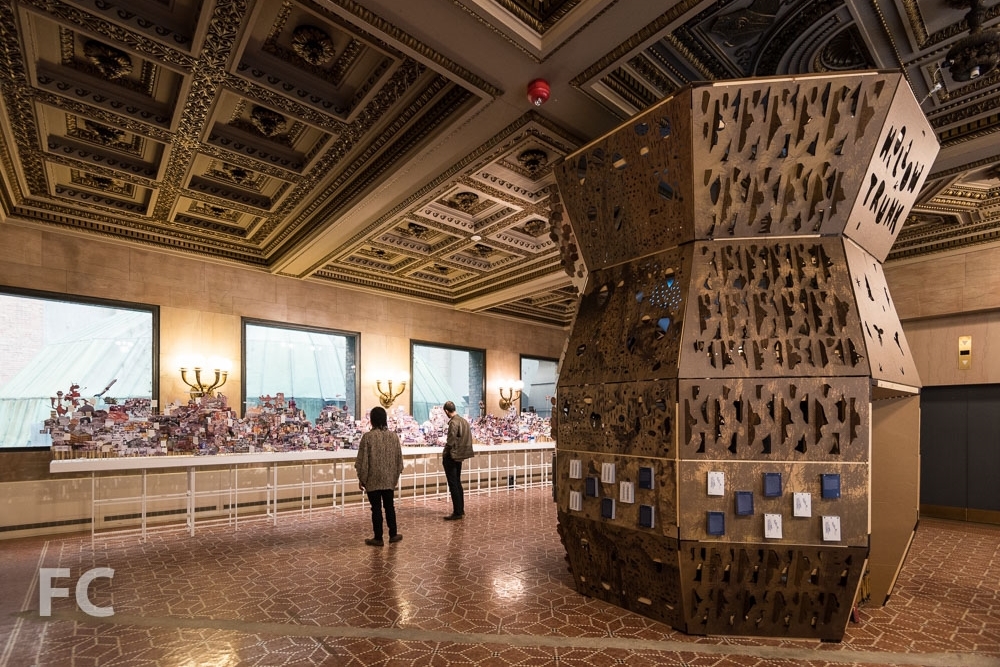
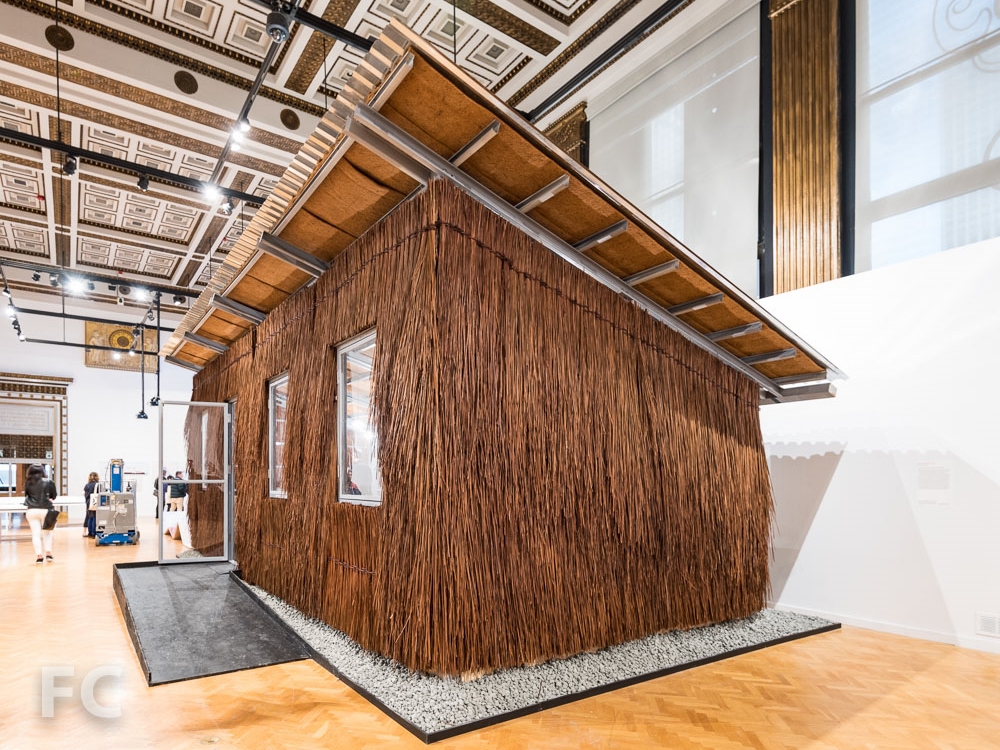
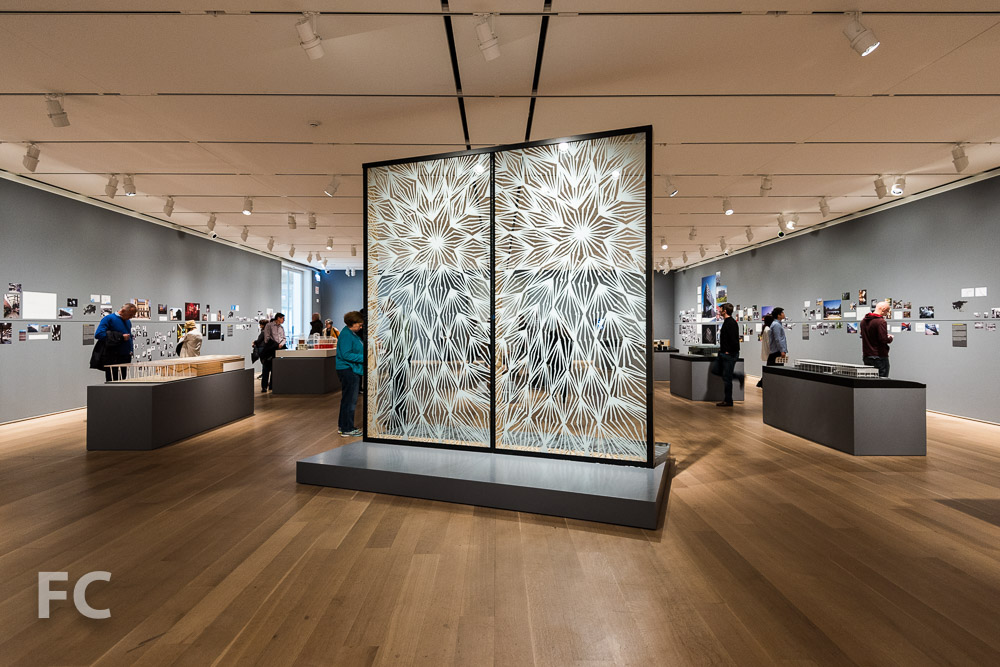
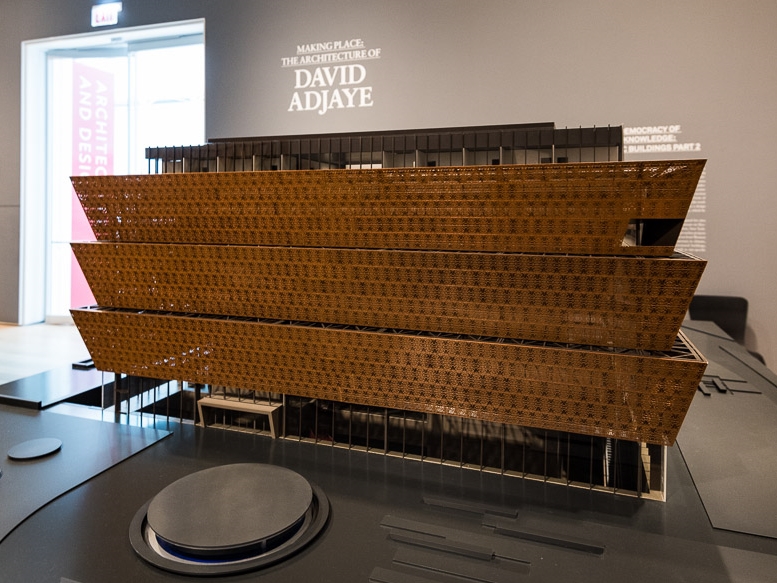
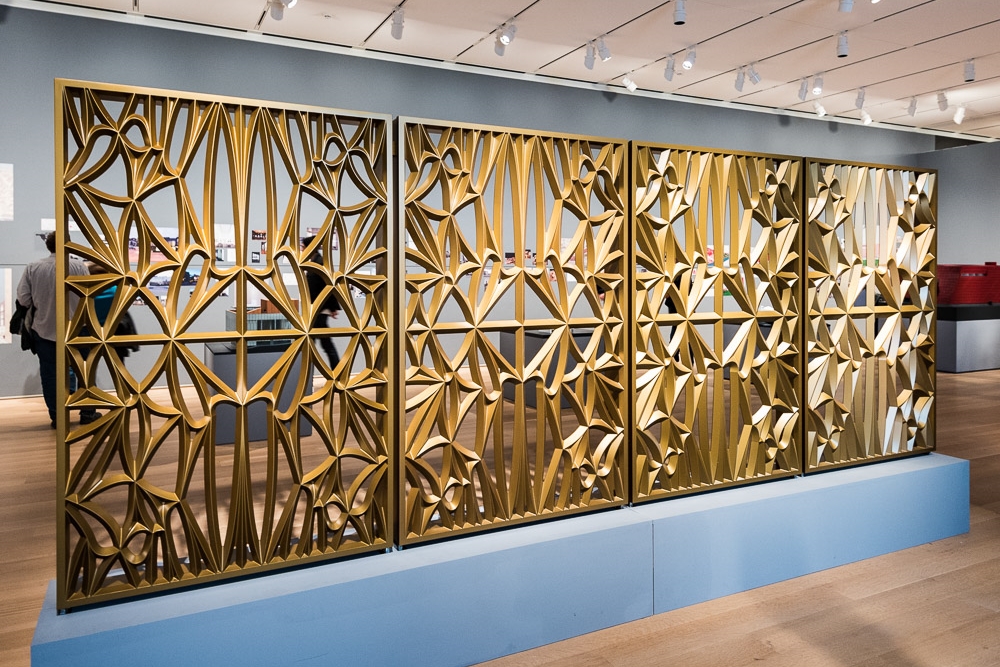
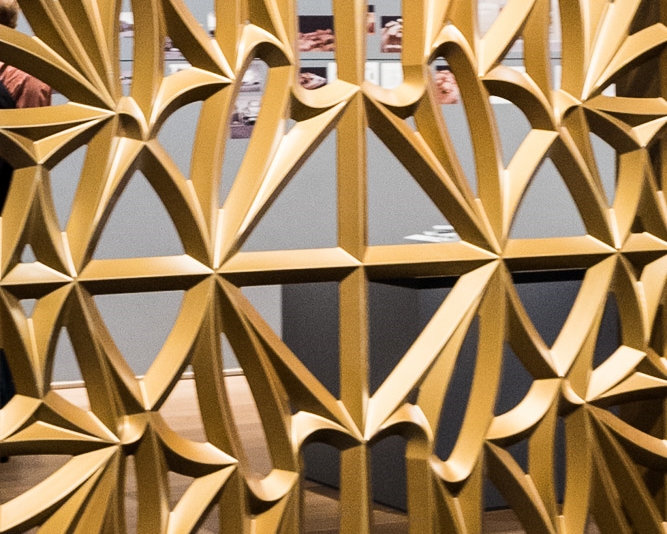
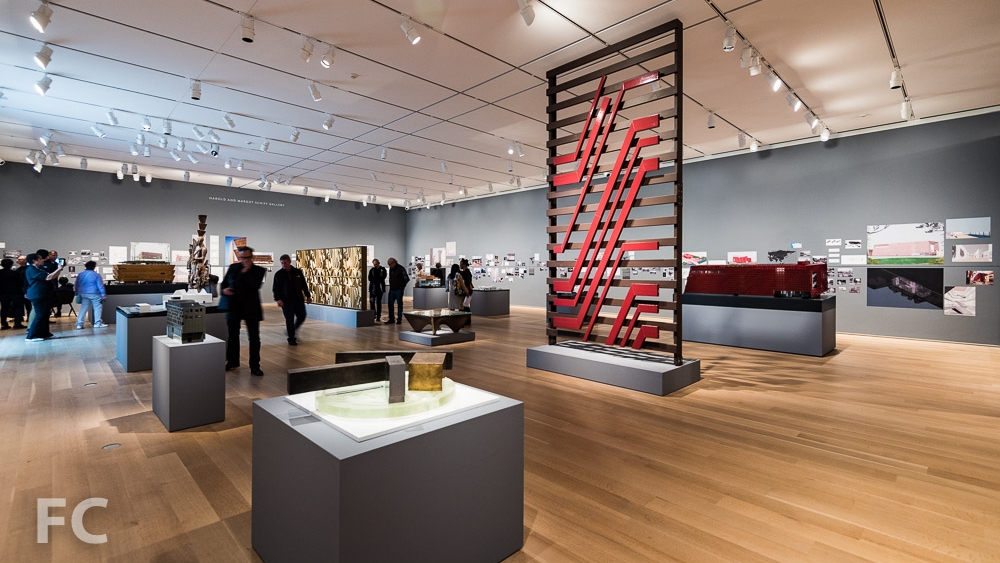
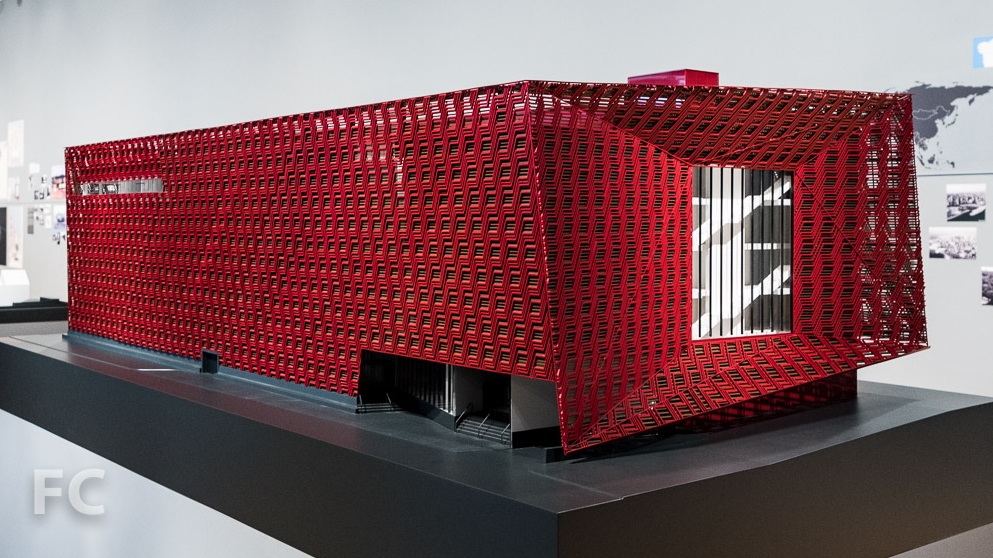
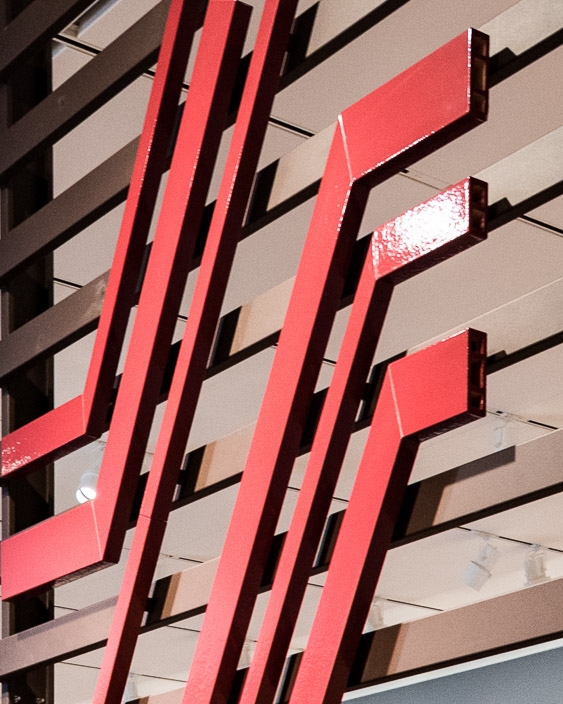
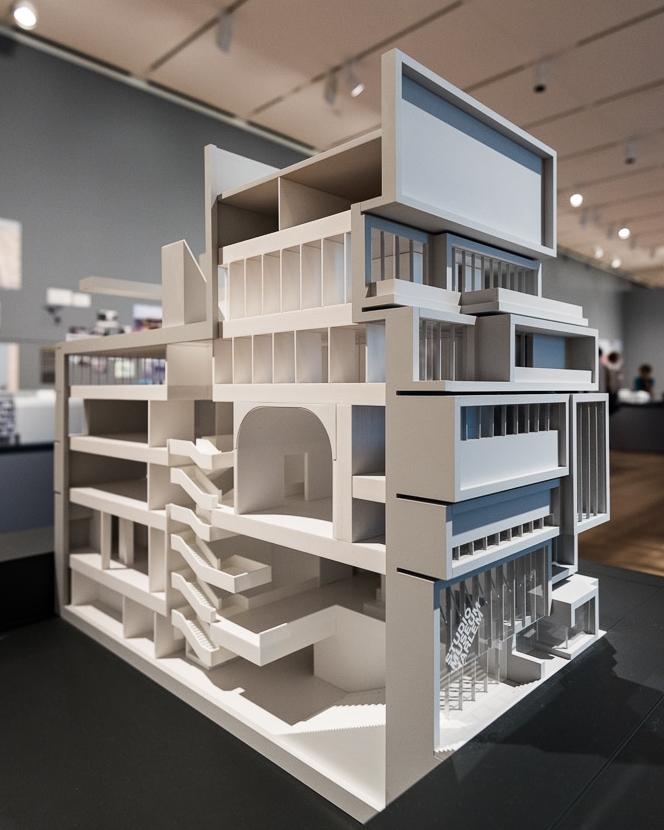
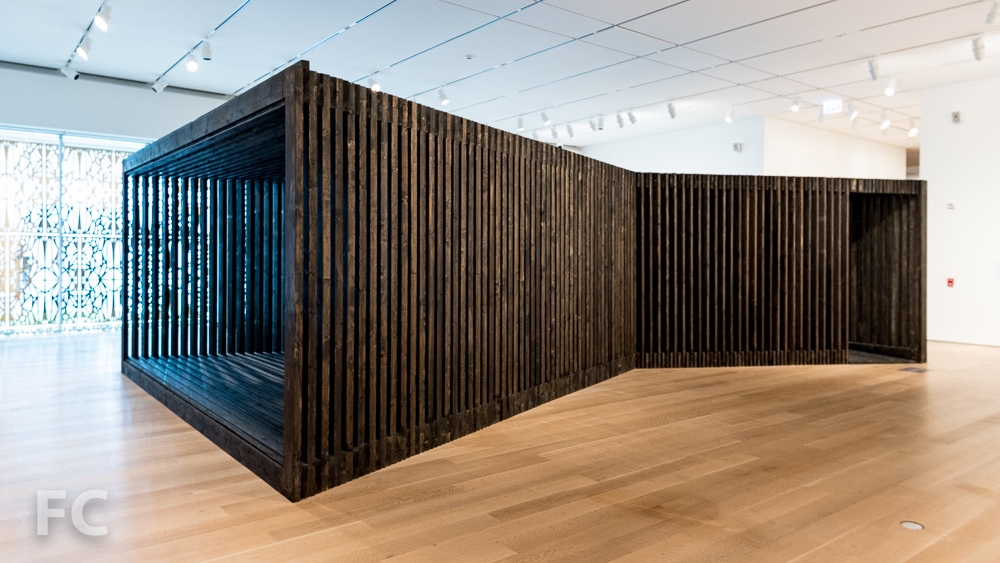
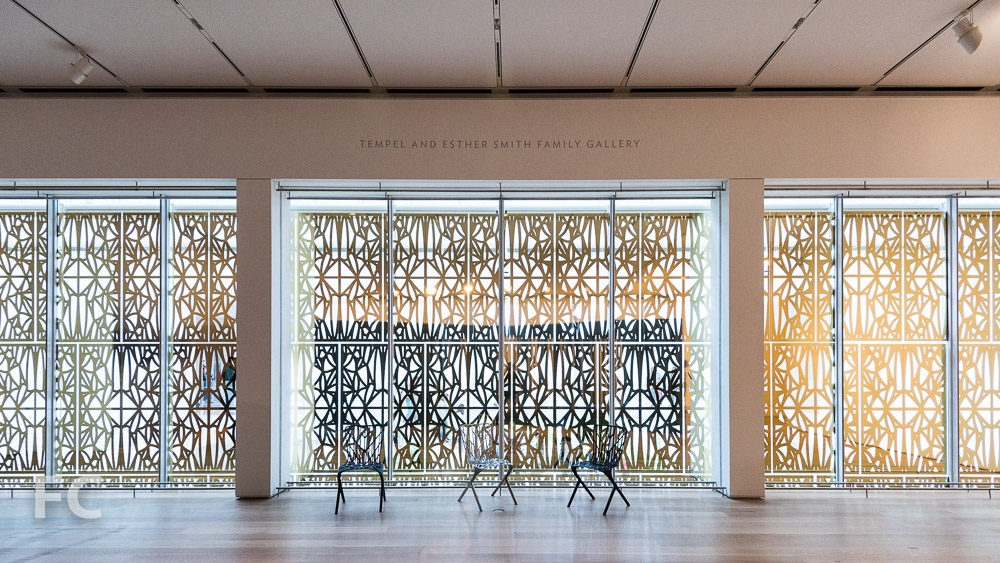
Making Place: The Architecture of David Adjaye (The Art Institute of Chicago, Chicago, IL):

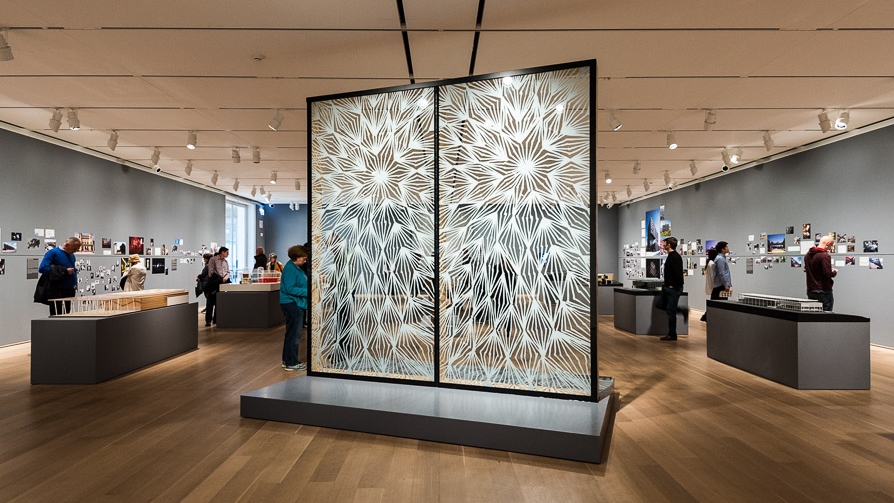
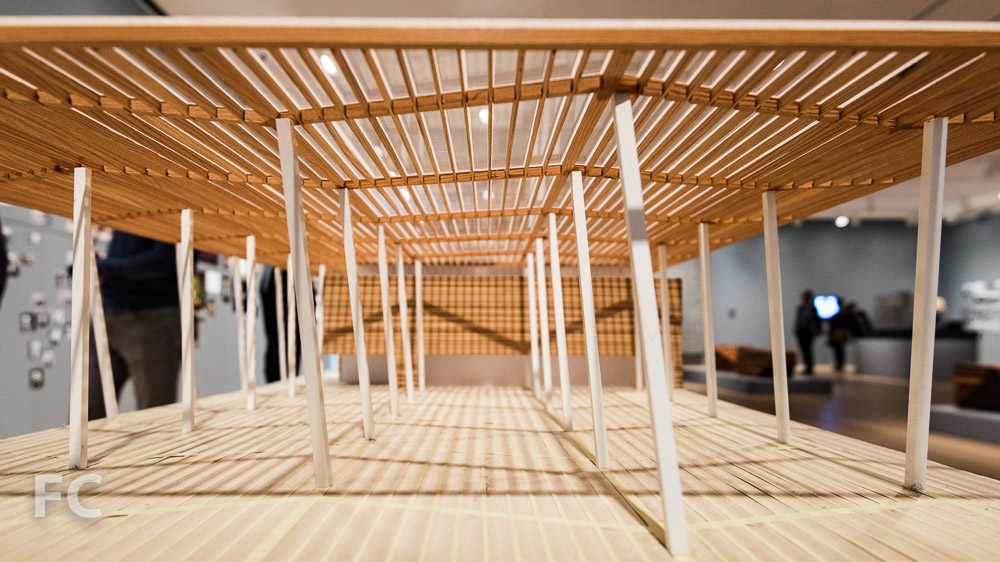
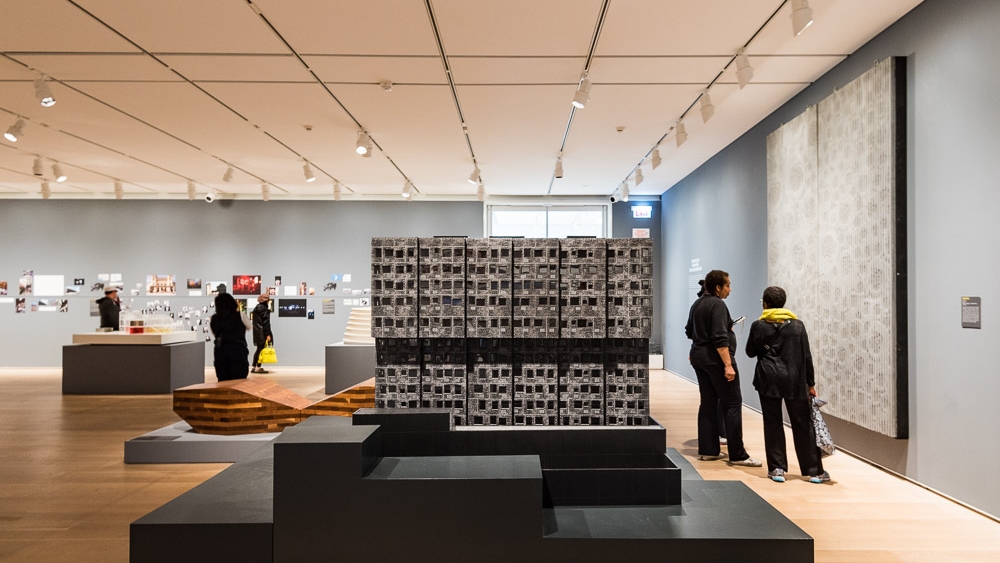
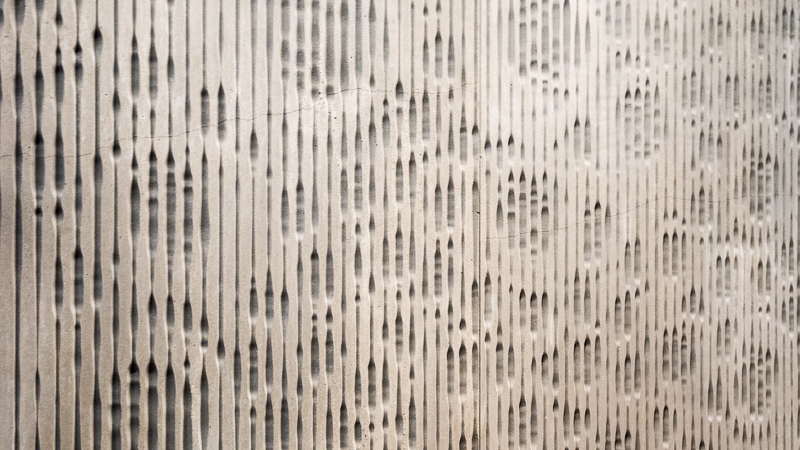

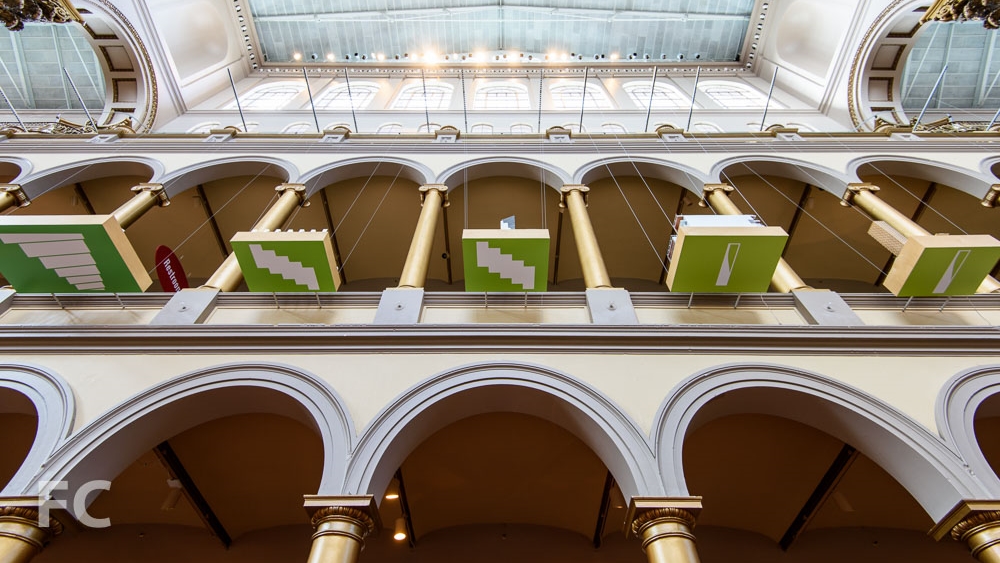
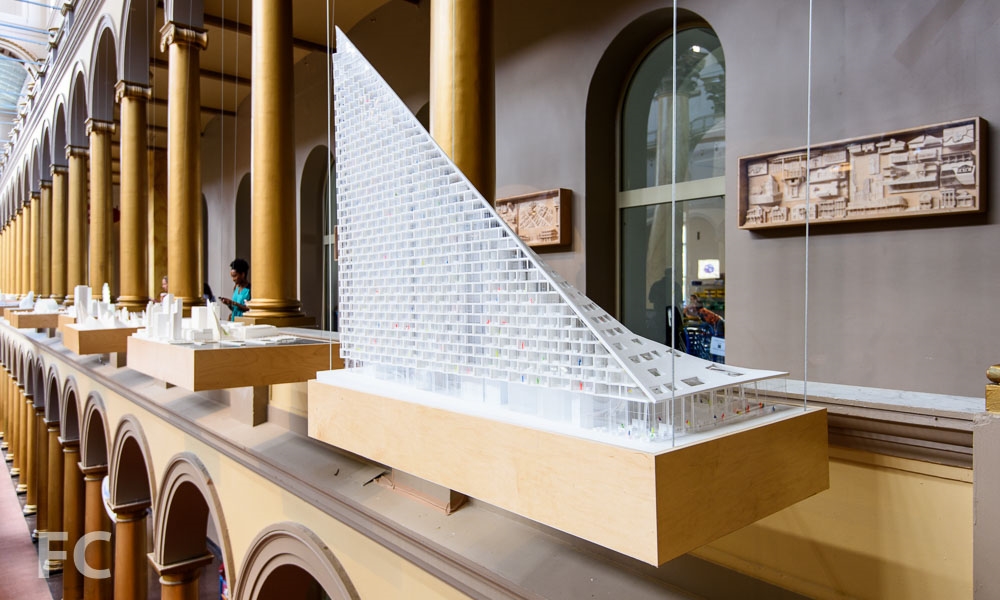
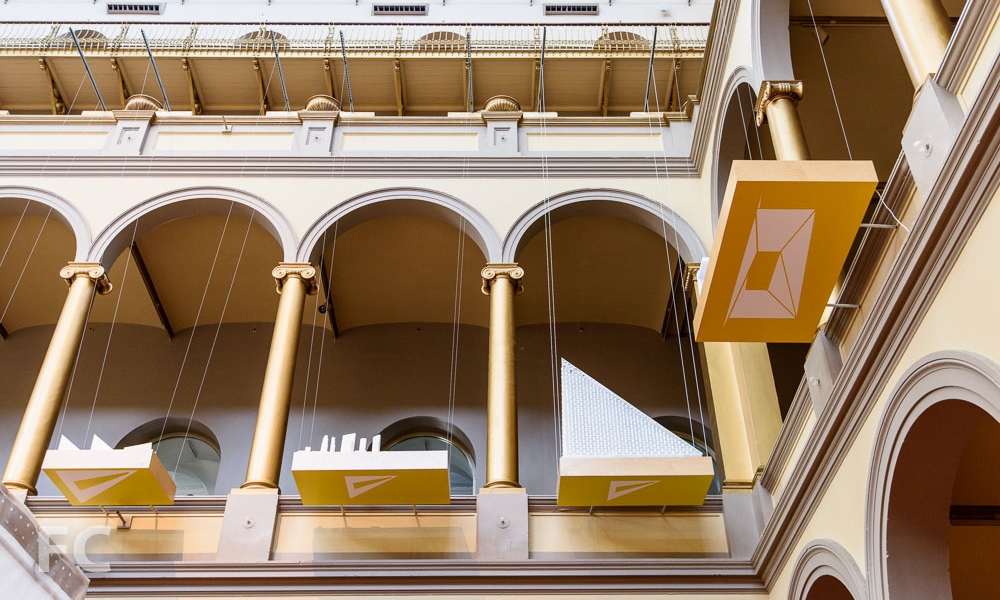
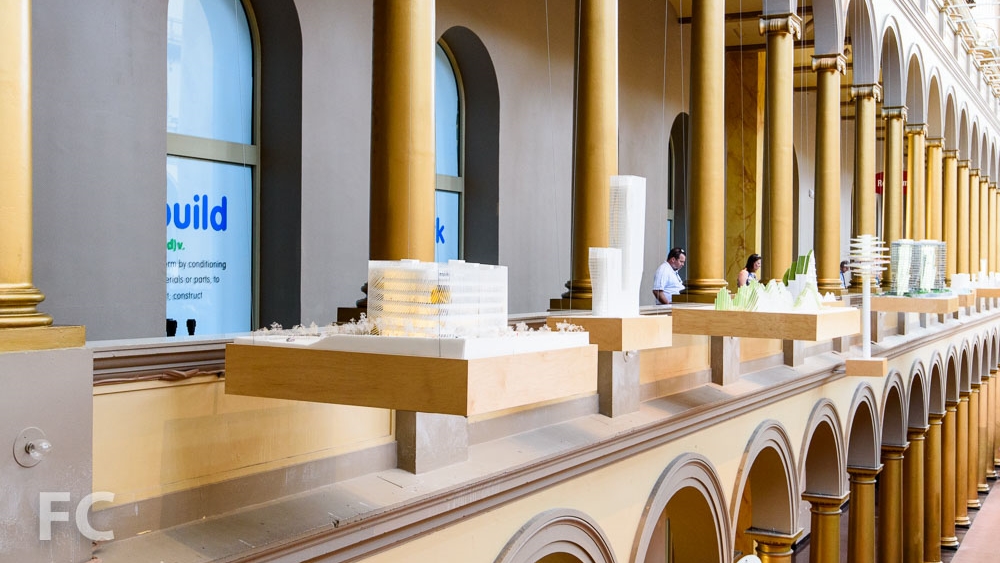
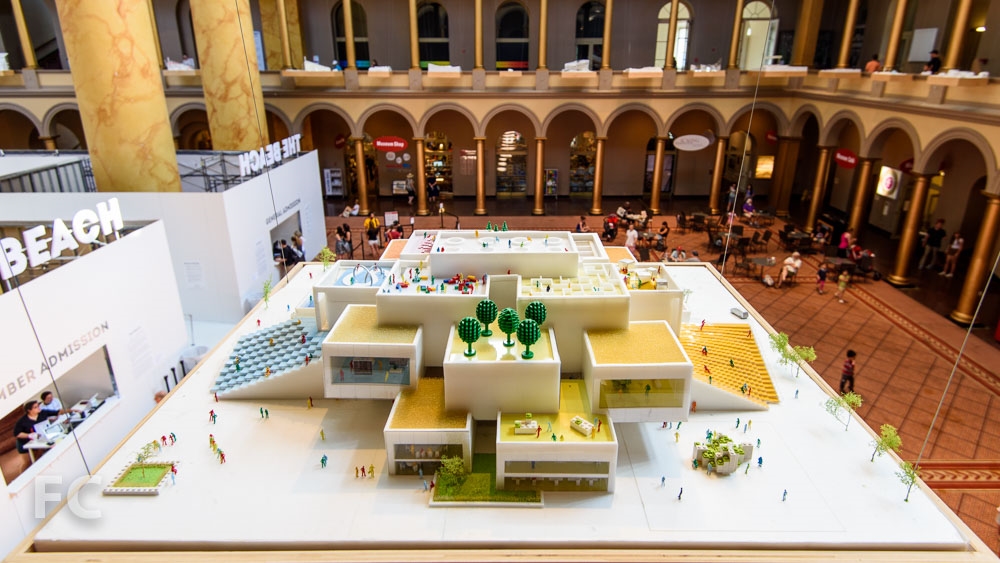
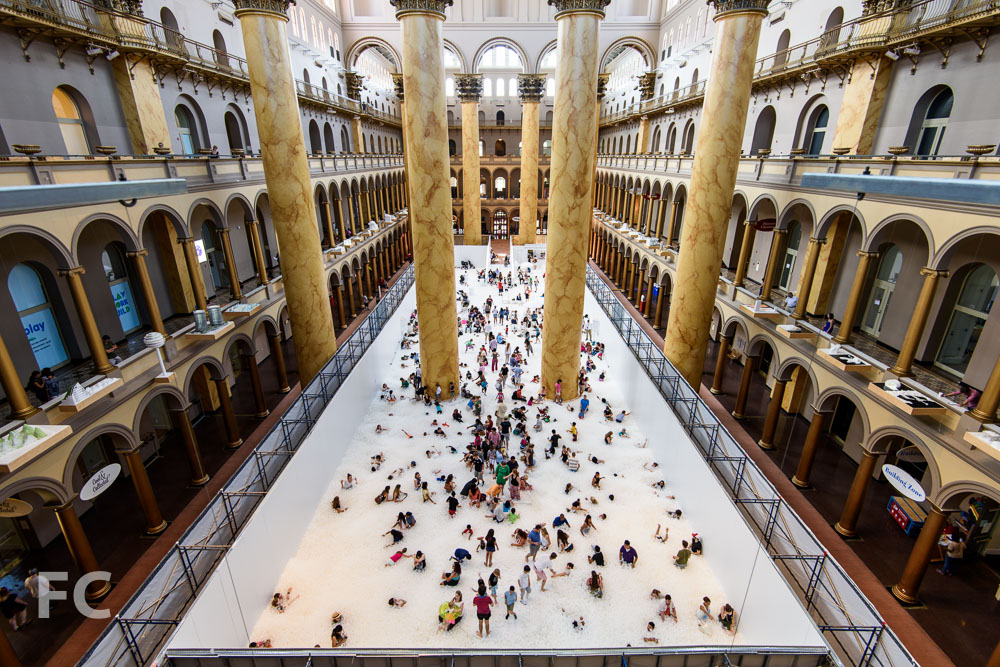
BIG's Hot To Cold: an odyssey of architectural adaptation (National Building Museum, Washington, DC):
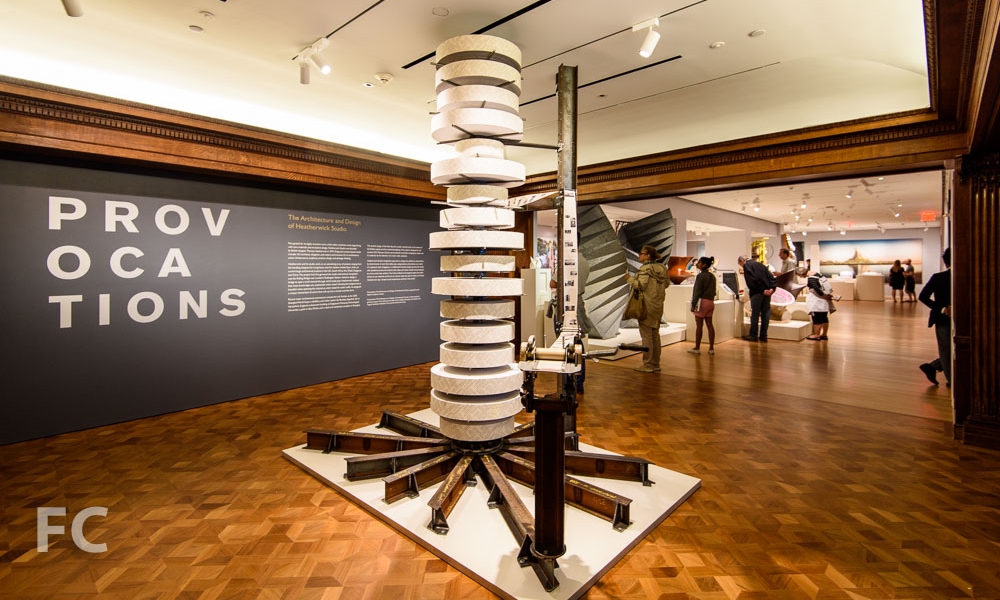
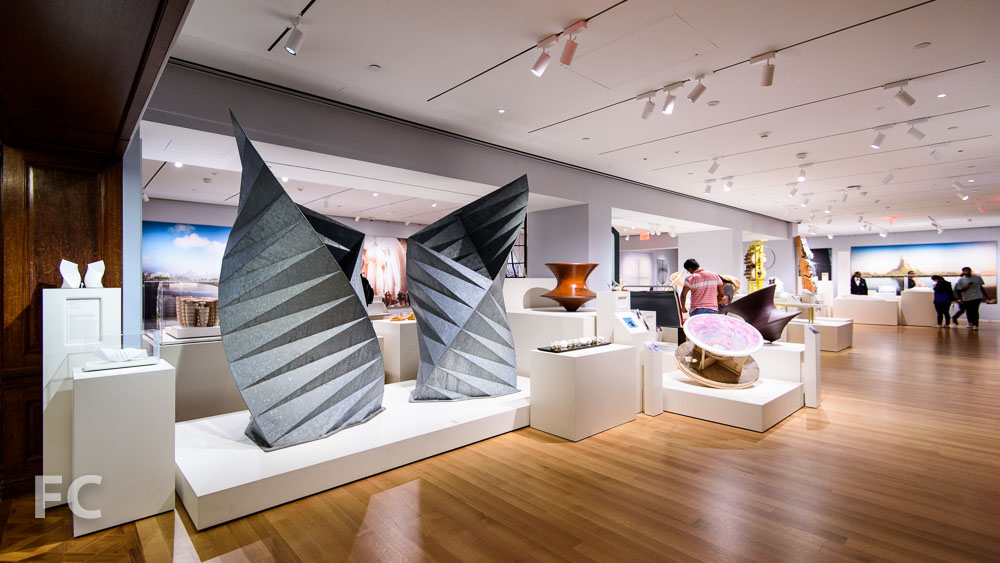
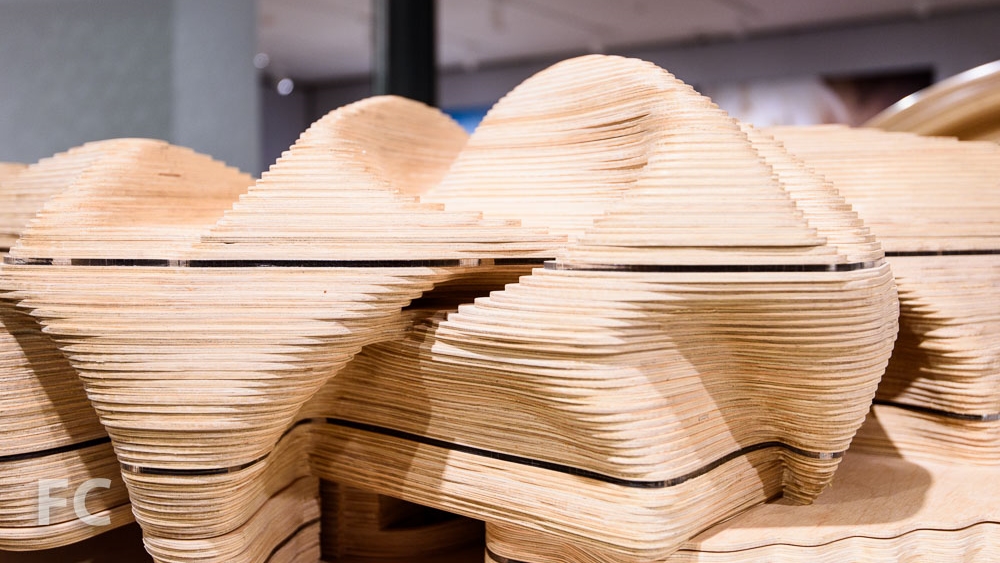
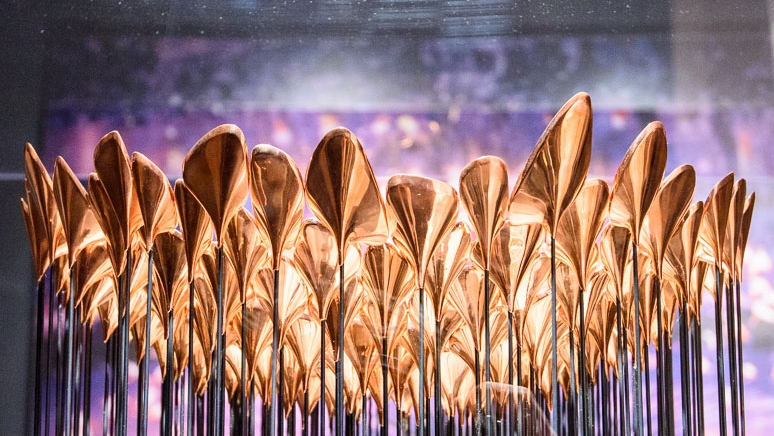
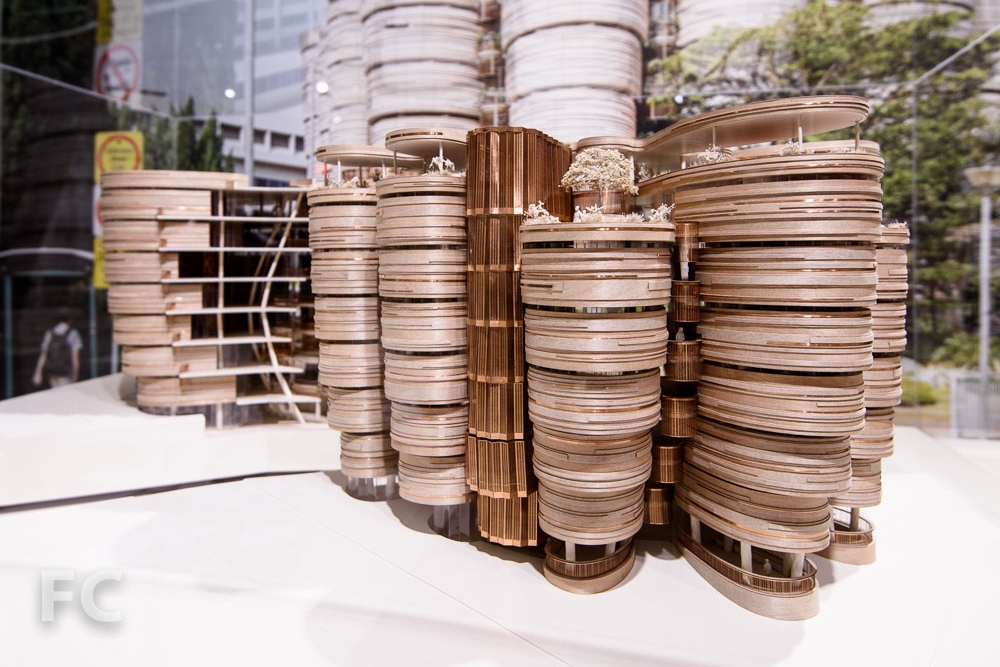
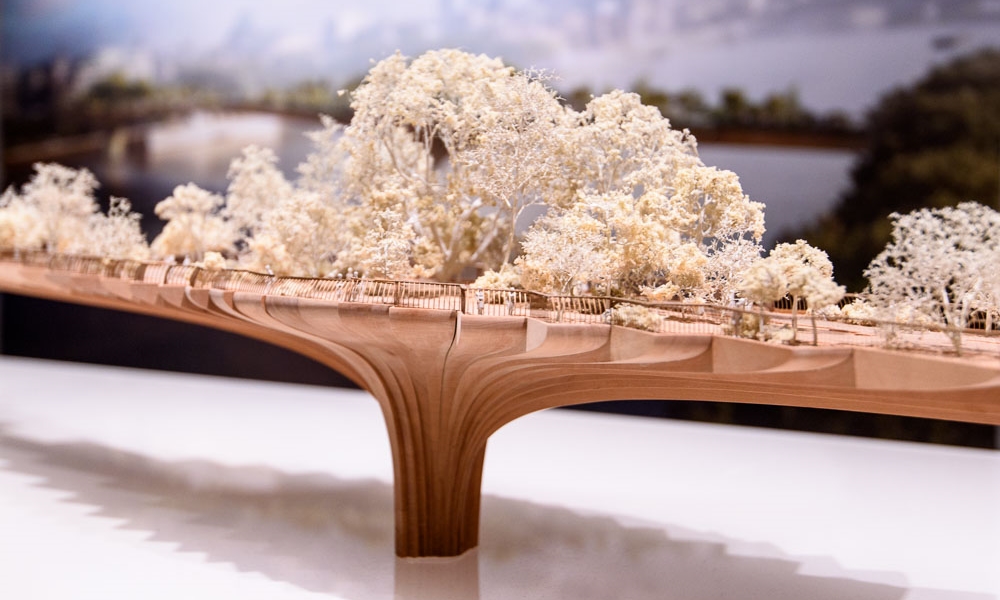
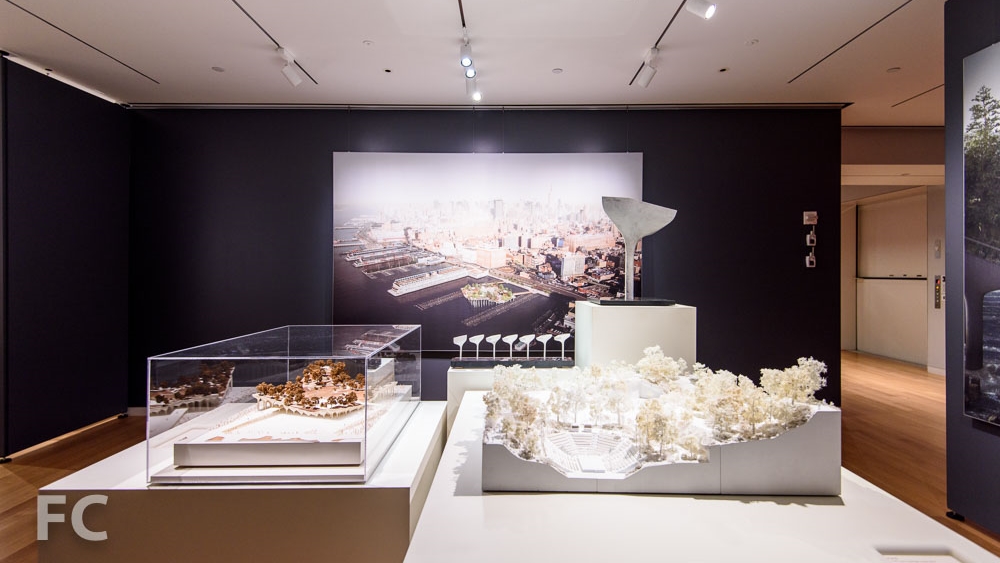
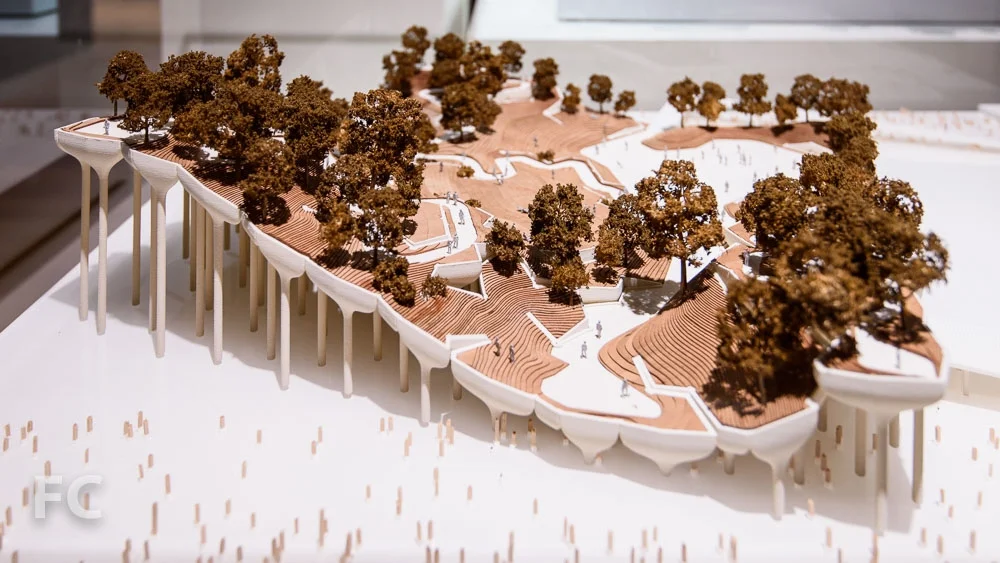
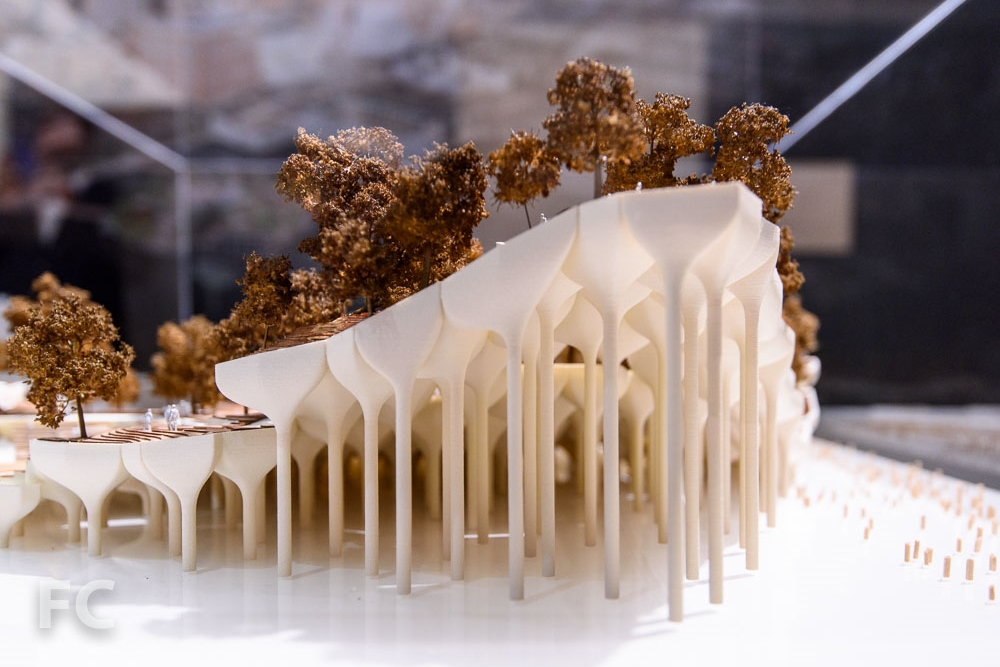
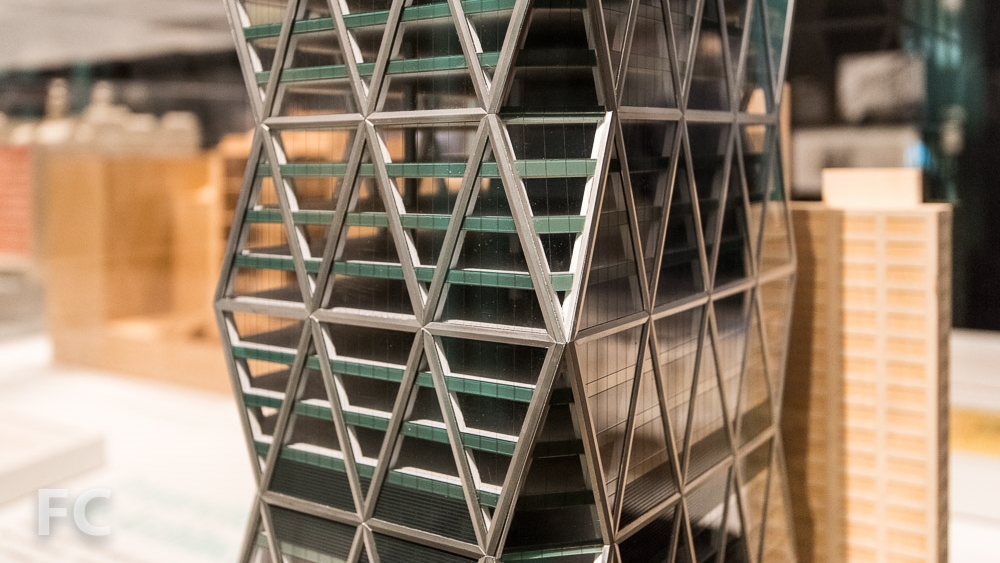
Provocations: The Architecture and Design of Heatherwick Studio (Cooper Hewitt, New York, NY):
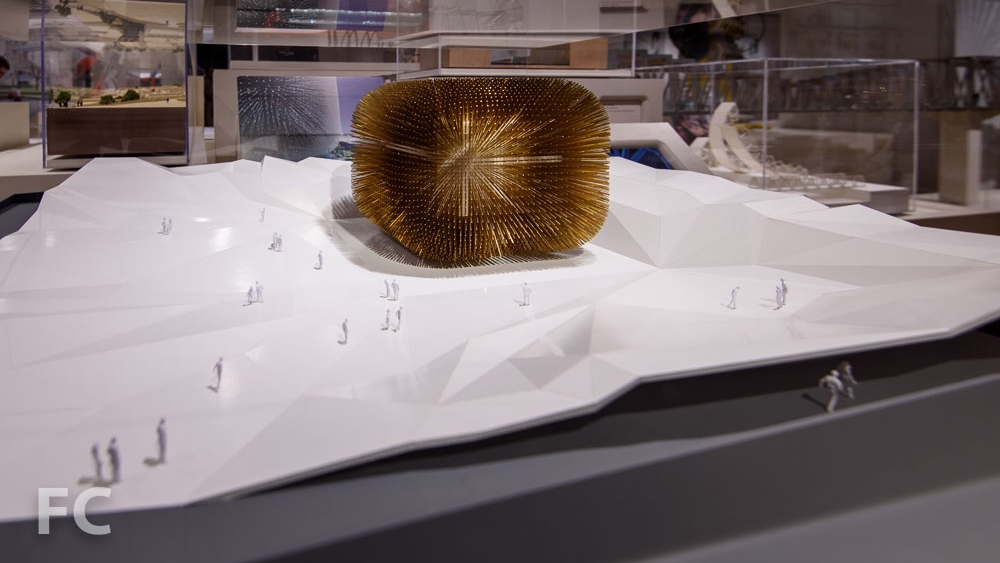
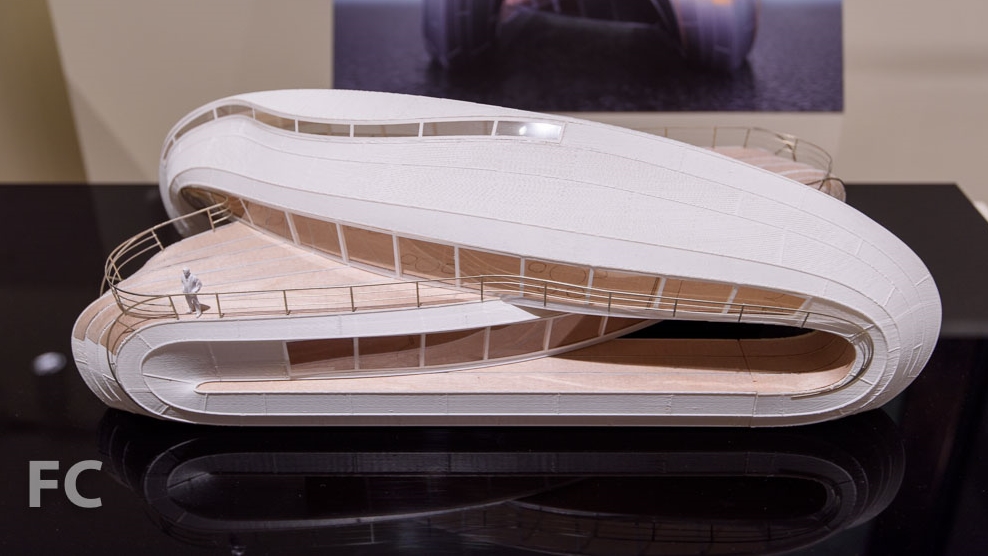
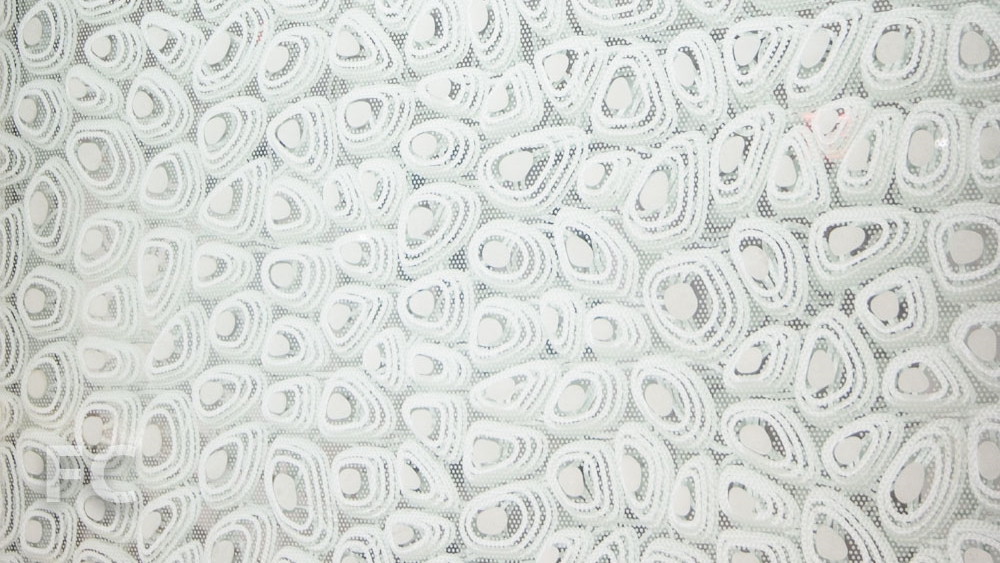

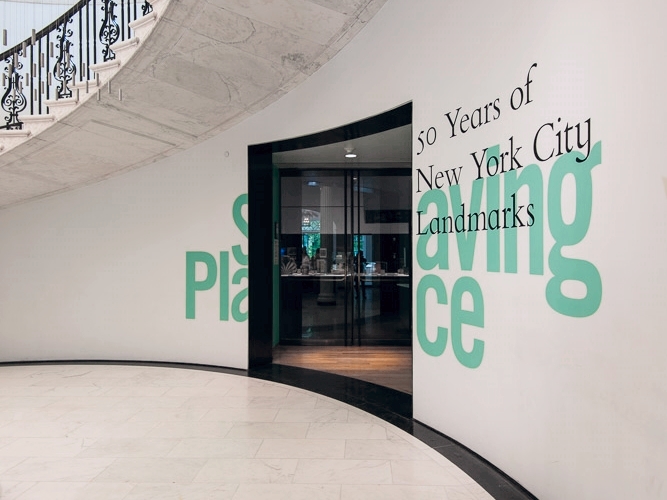
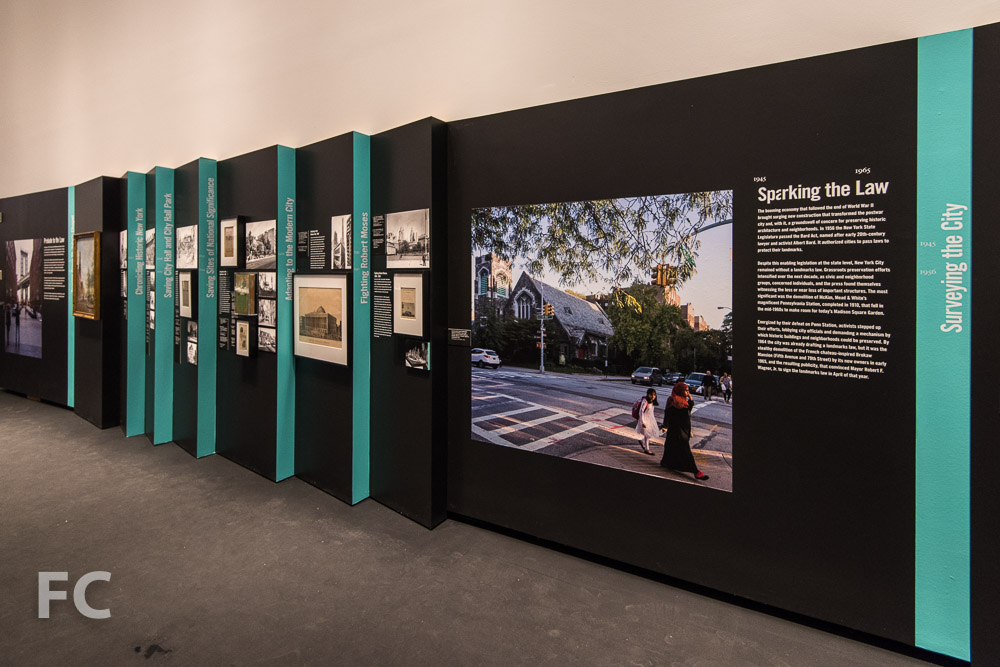
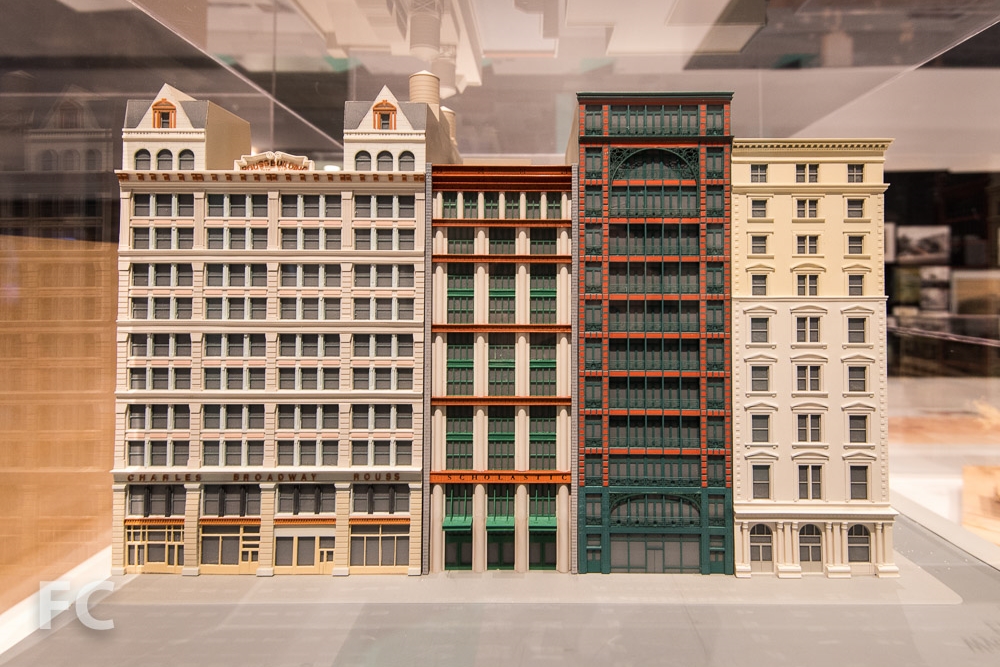
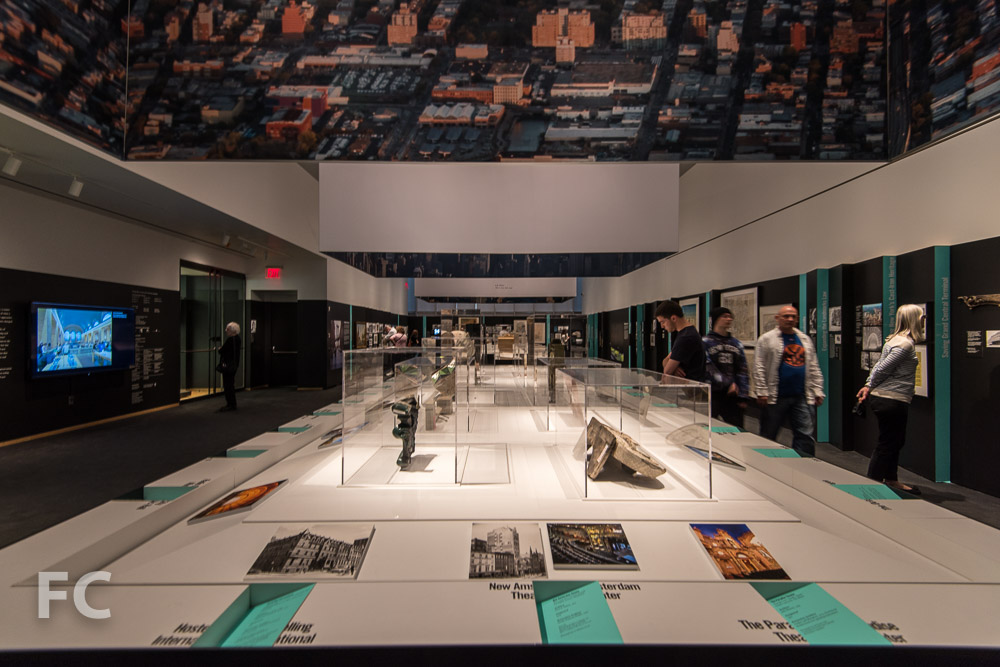
Saving Place: 50 Years of New York City Landmarks (Museum of the City of New York, New York, NY):


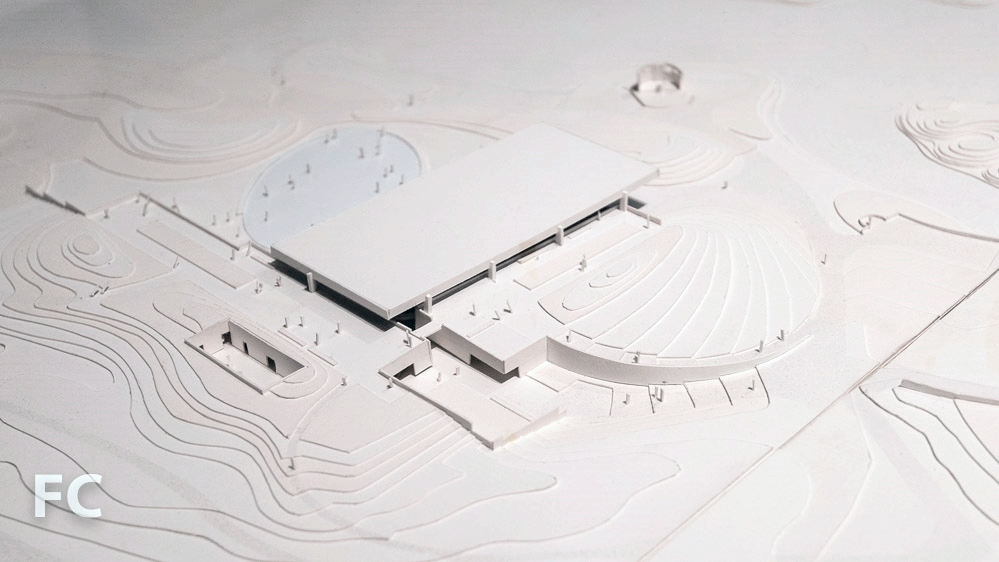

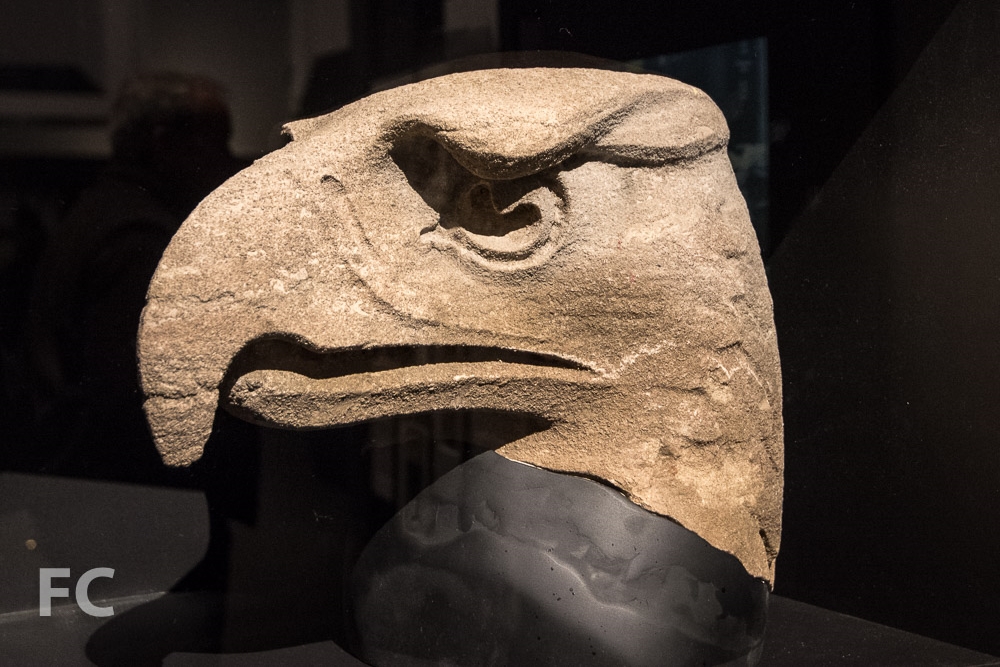
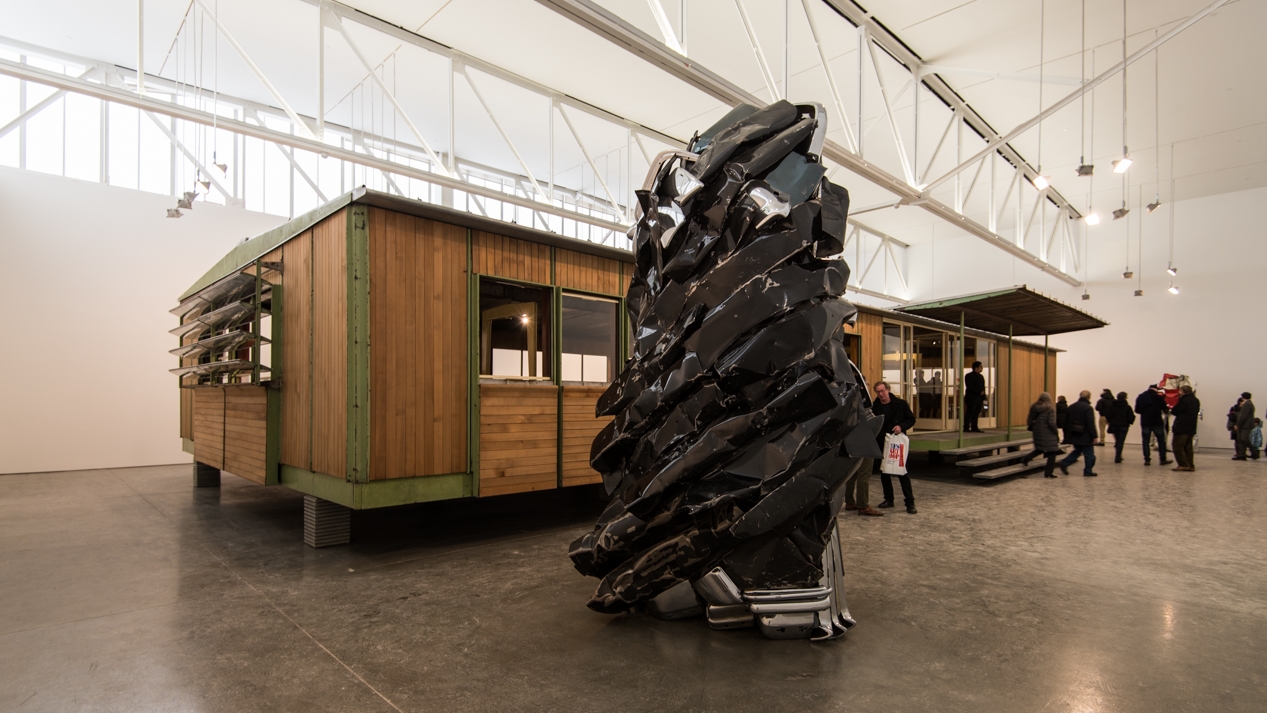
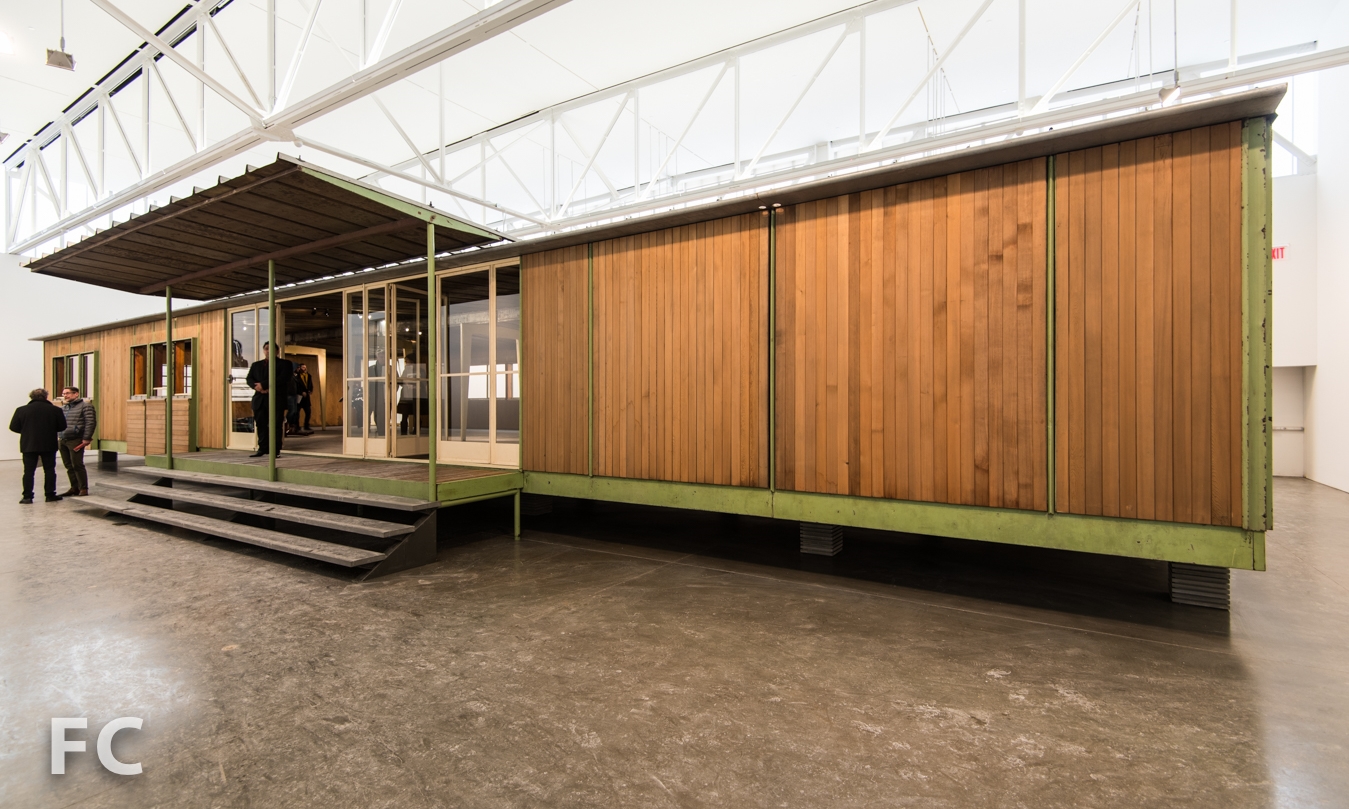
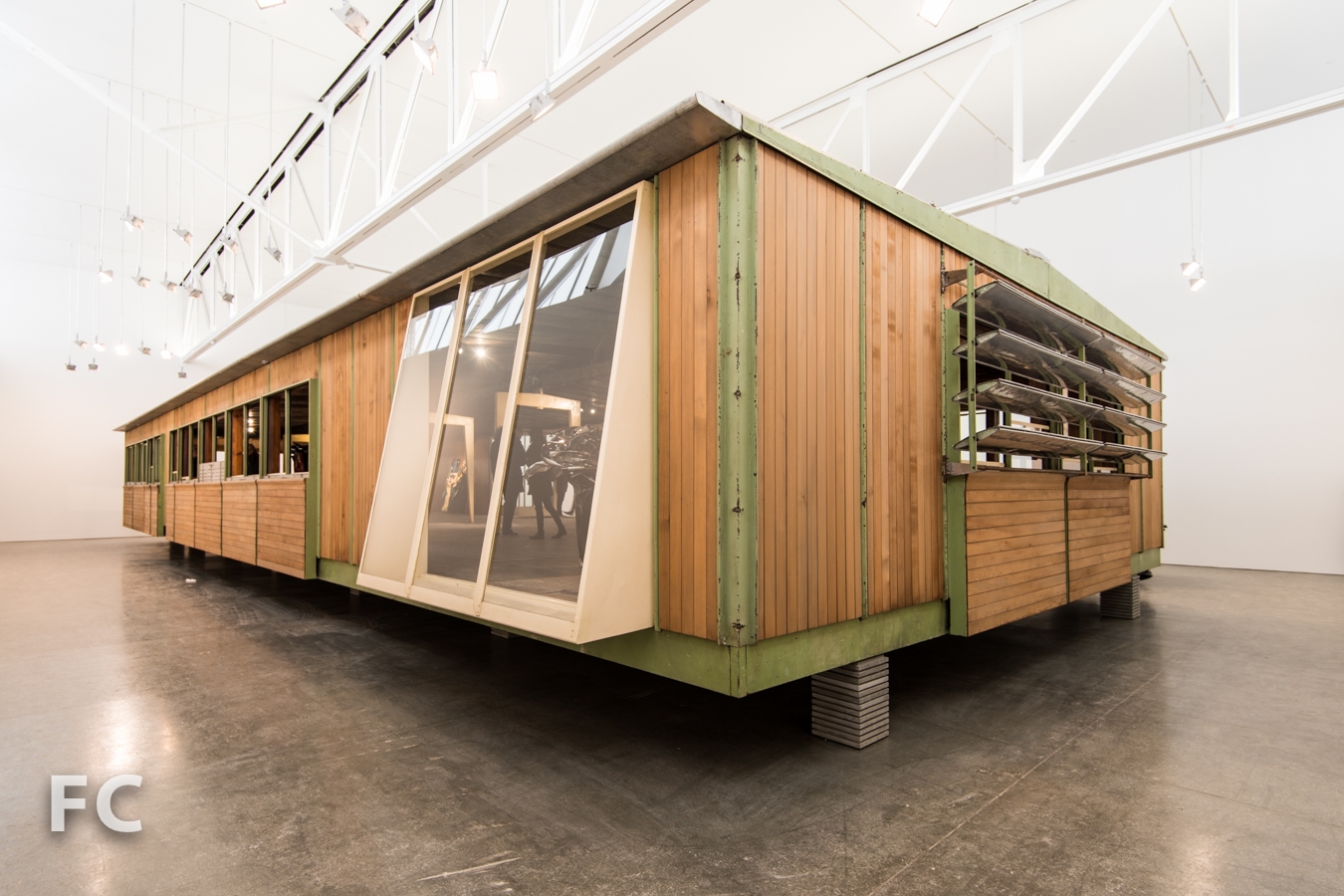
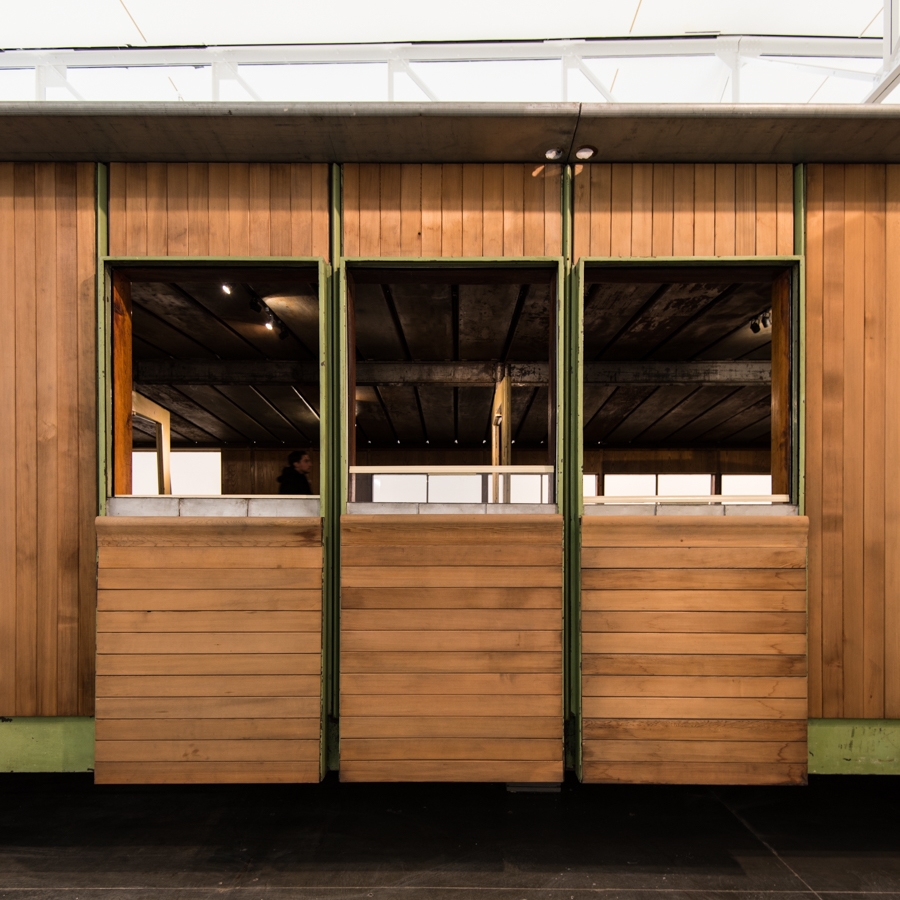
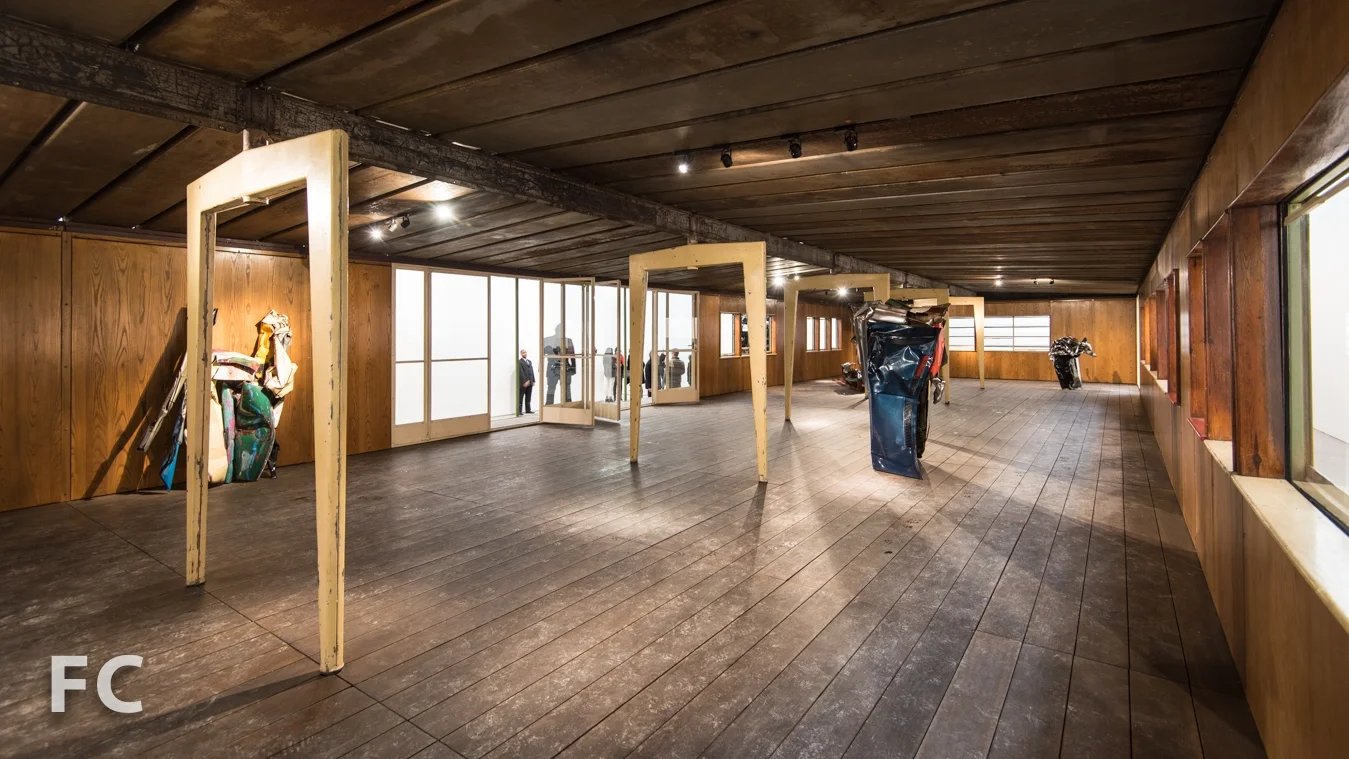
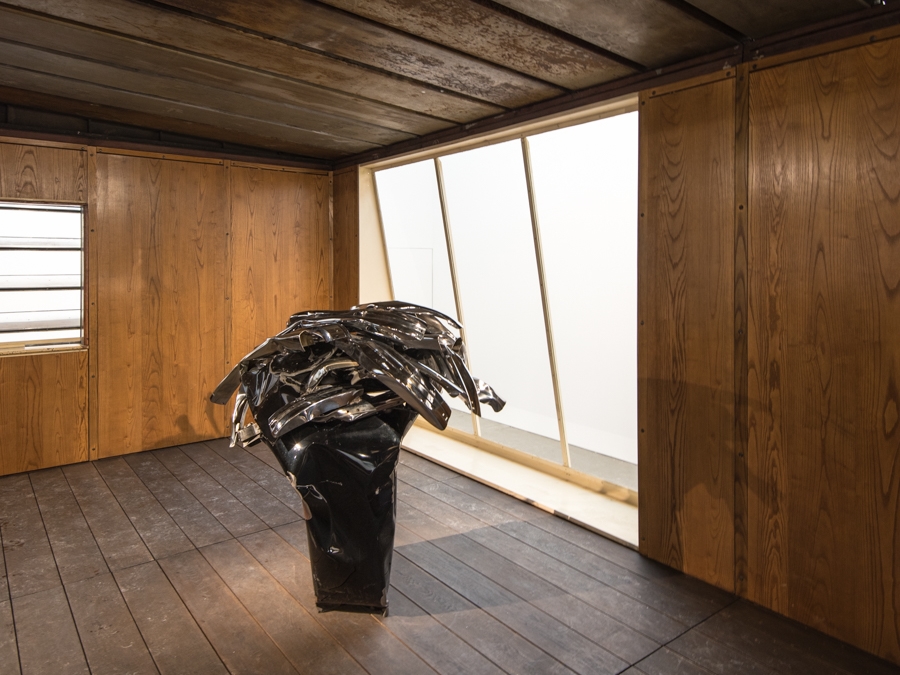
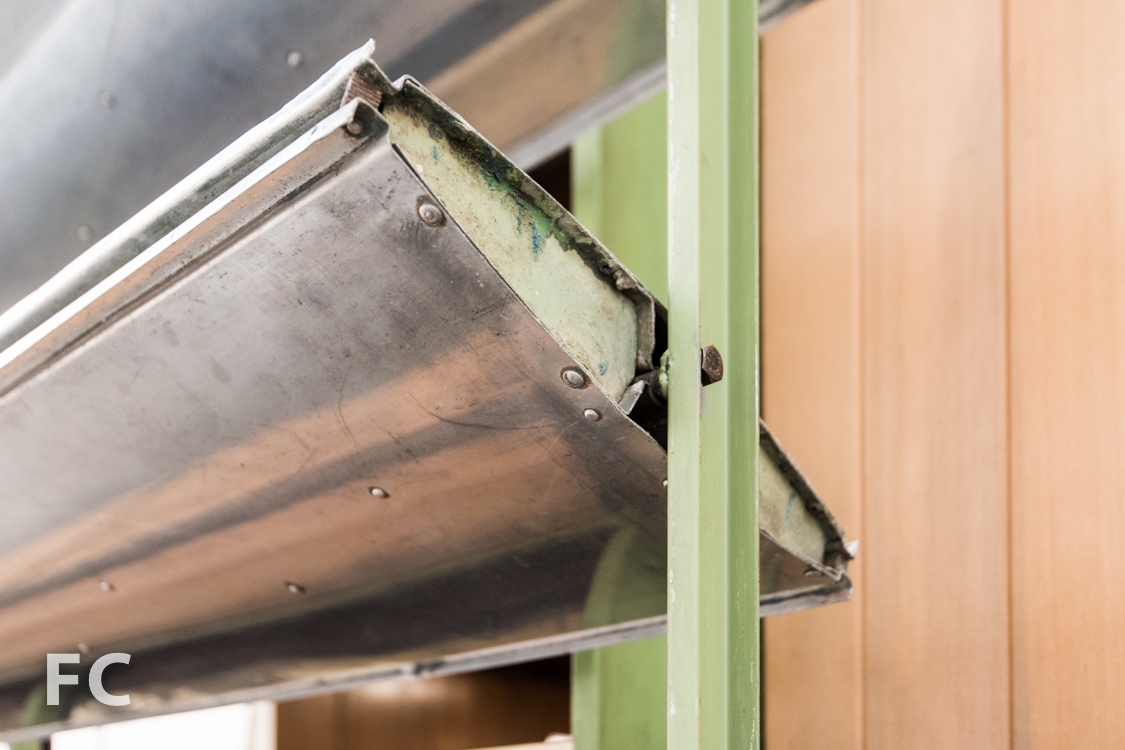
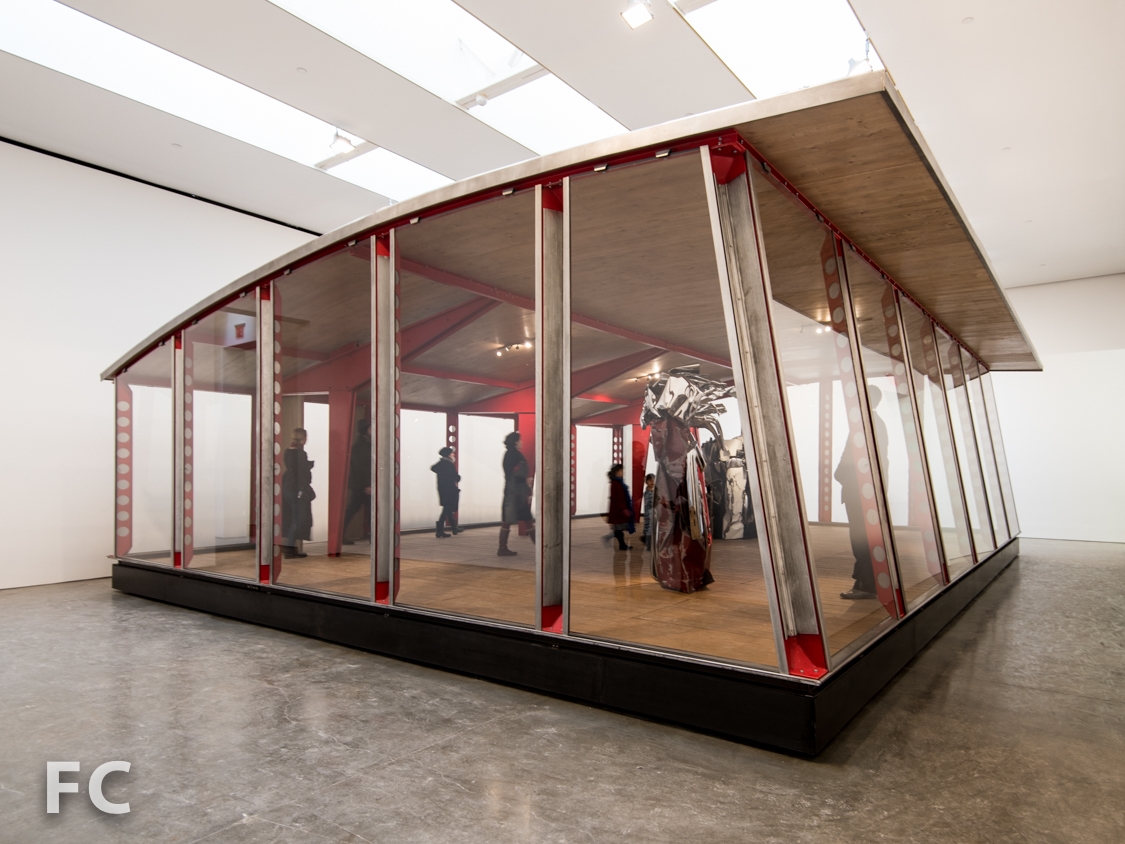
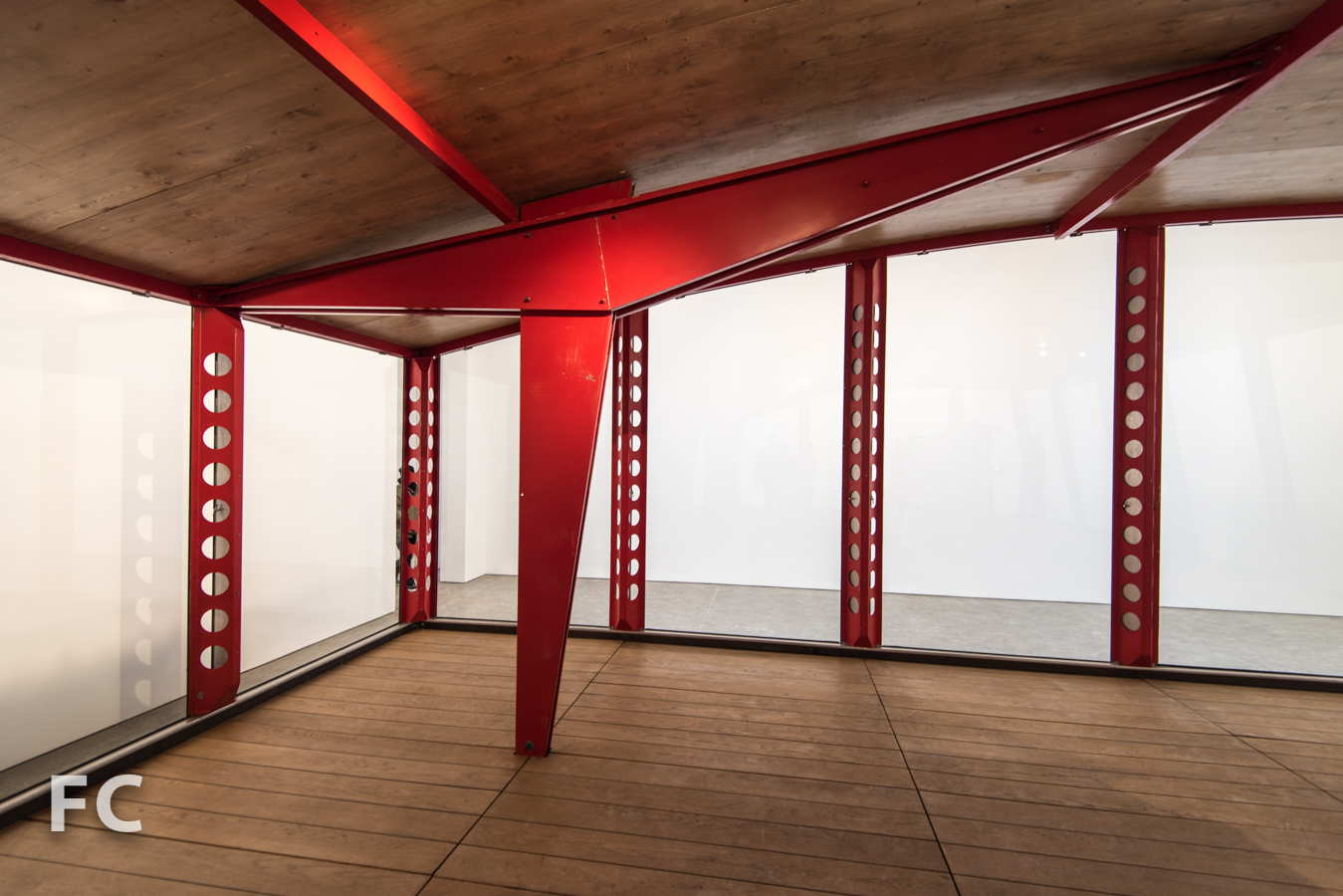
Chamberlain | Prouve (Gagosian Gallery, New York, NY)
Chicago Architecture Biennial
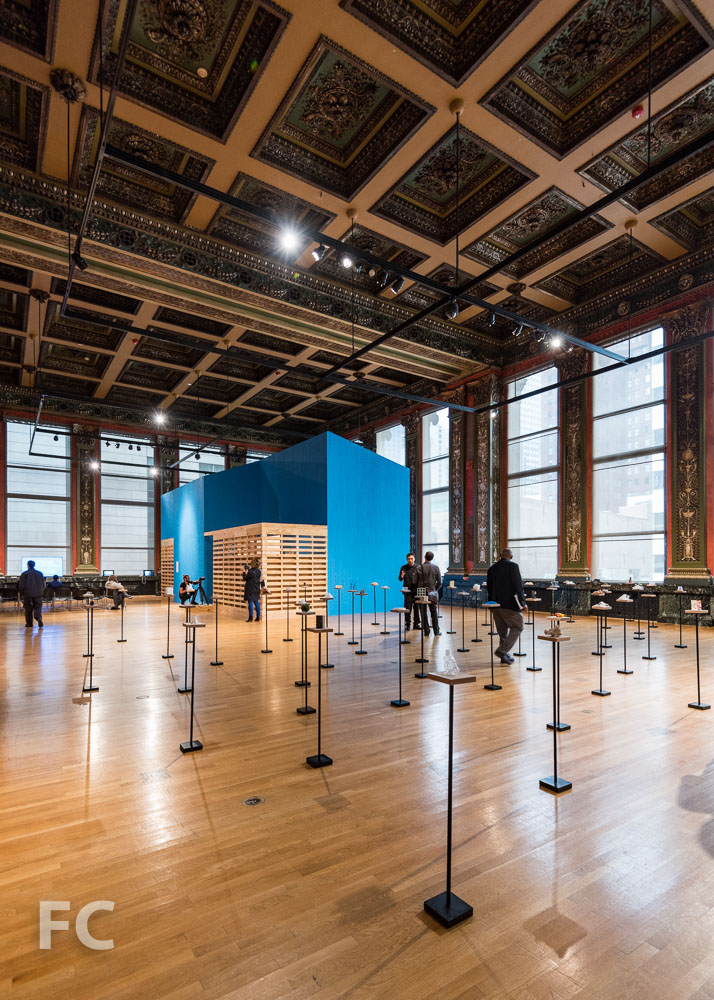
A photo essay from the press preview of the inaugural Chicago Architecture Biennial, which opens today, October 3, and runs through January 3, 2016.
Northeast corner of the Chicago Cultural Center, built in 1893 by Shepley, Rutan and Coolidge.
The End of Sitting - Cut Out by RAAAF.
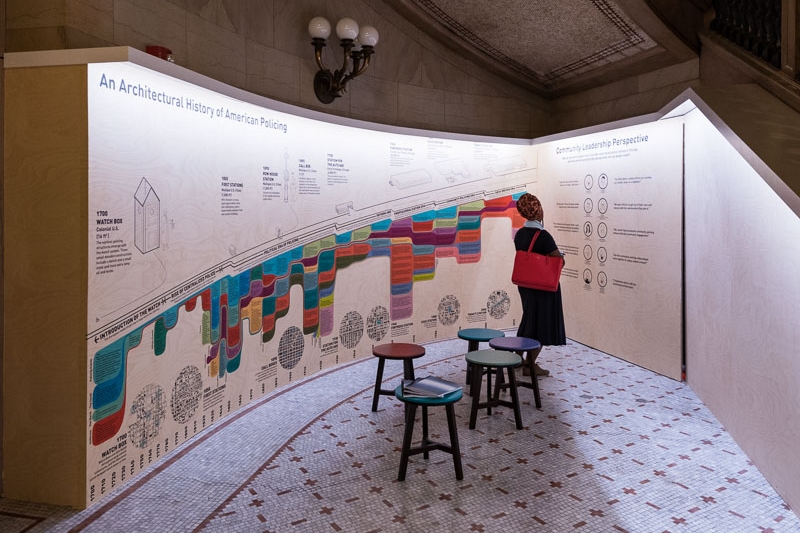
Ground floor central staircase.
Polis Station by Studio Gang.
Polis Station by Studio Gang.
Detail of Polis Station by Studio Gang.
LA Recalculated by Smout Allen + Geoff Manaugh.
BUILTHEFIGHT by Didier Faustino.
People's United Nations: pUN by Pedro Reyes.
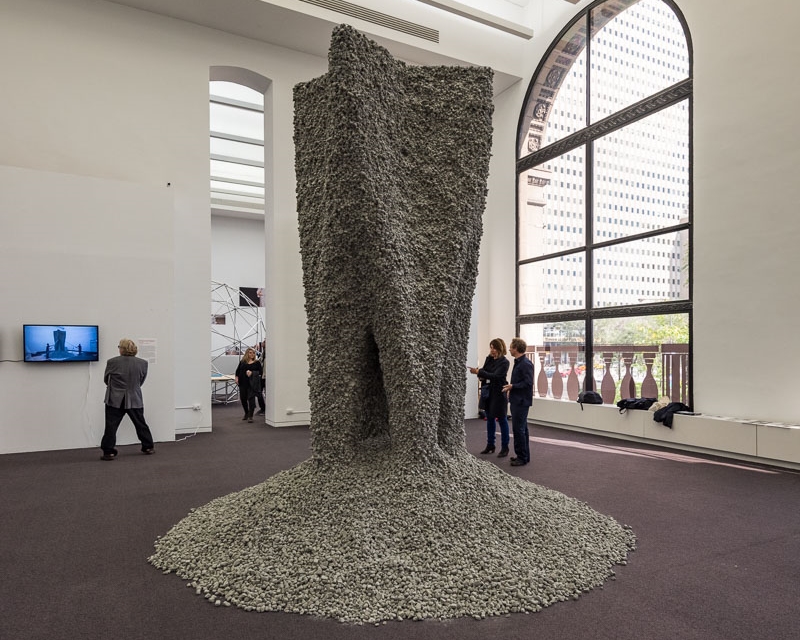
Rock Print by Gramazio Kohler Research of ETH Zurich and the Self-Assembly Lab of MIT.
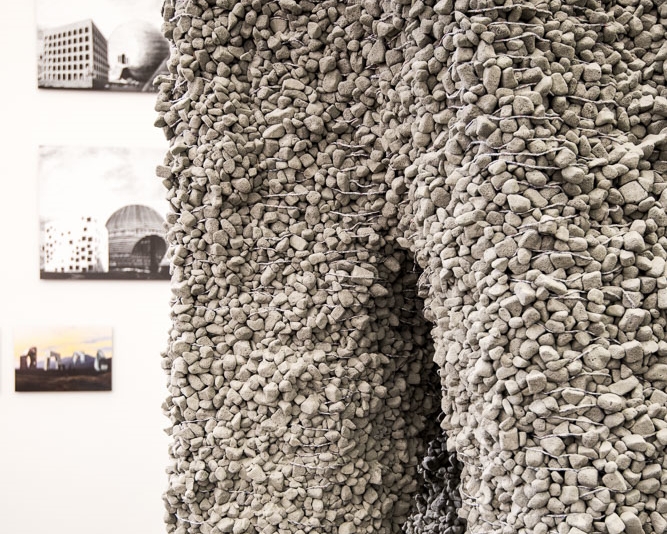
Detail of Rock Print.
The Tiffany dome.
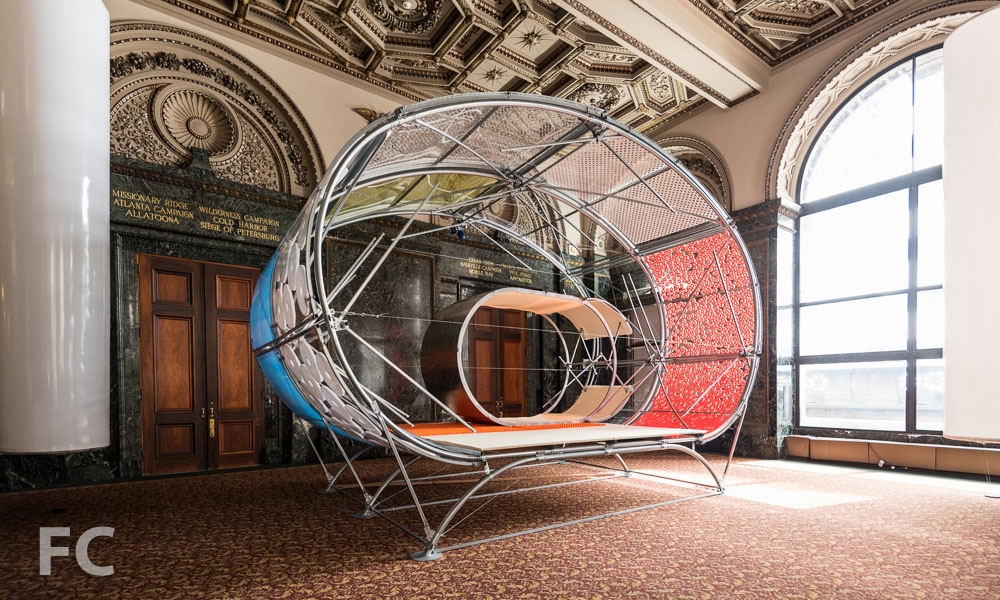
Casa A by Selgascano and Helloeverything
Children's Town by Onishimaki and Hyakudayuki Architects.
Passage by SO-IL.
Passage by SO-IL.
Detail of Passage.
Piranesi Circus by Atelier Bow-Wow.
Making Camp by Lateral Office.
Model detail from Making Camp by Lateral Office.
Rural Collage: Strategies for the Chinese Countryside by Rural Urban Framework.
S House by Vo Trong Ngia Architects.
Detail of S House by Vo Trong Ngia Architects.
Interior of S House by Vo Trong Ngia Architects.
Kanagawa Institute of Technology by Junya Ishigami and Associates.
3-C.CITY: Climate, Convention, and Cruise by WORKac and Ant Farm.
Exquisite Corpse: A Studio Residency for the Land by Nikolaus Hirsch / Michel Muller.
House No. 11 (Corridor House) by MOS Architects.
Architecture is Everywhere by Sou Fujimoto Architects.
Model from Architecture is Everywhere.
Model from Architecture is Everywhere.
Sustainable Housing by Tatiana Bilbao S.C.
Interiors of Sustainable Housing by Tatiana Bilbao S.C.
Sustainable Housing by Tatiana Bilbao S.C.
Color(ed) Theory by Amanda Williams.
Hollow Trunk by Plan:B Arquitectos (left) and Indo-Pacific Atlas by Fake Industries Architectural Agonism and UTS (right).
Hollow Trunk by Plan:B Arquitectos.
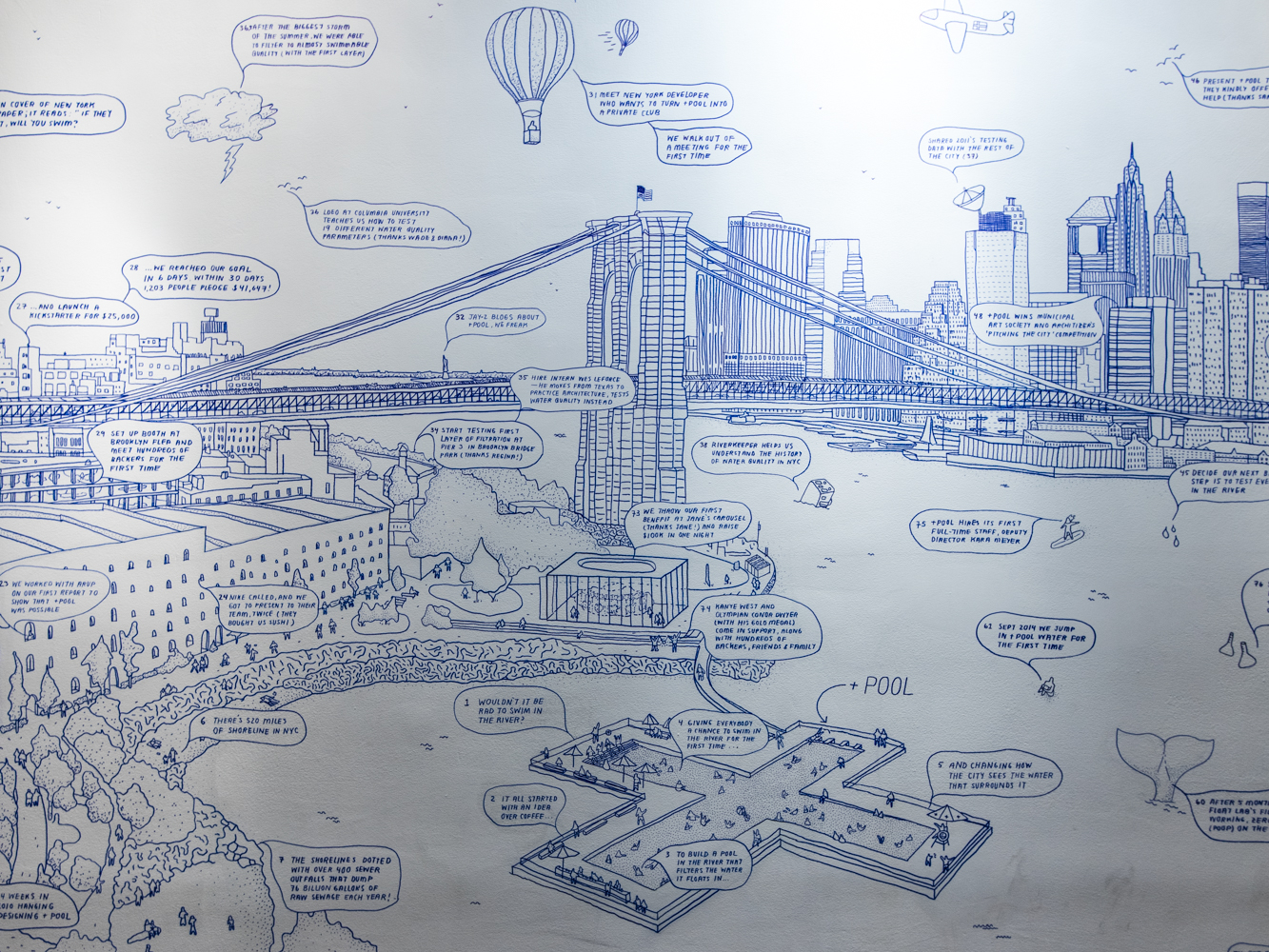
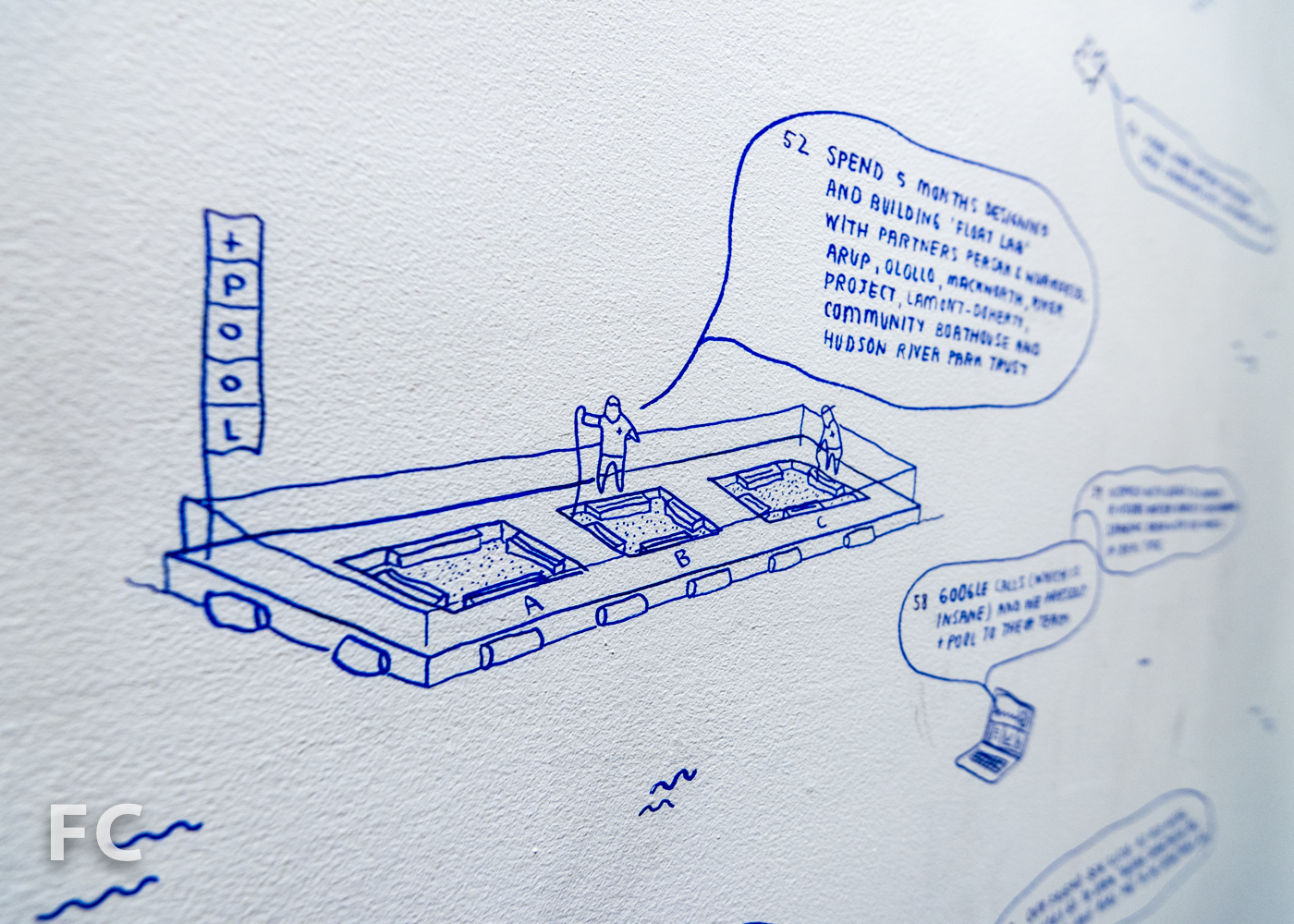
+Pool at Ace Hotel: DOING SOMETHING BIG
Ace Hotel has opened the doors of its gallery to the team behind the + Pool to present their efforts over the past four years to build the visionary water filtering pool in the East River. Conceived by designers at Playlab, Inc. and Family New York, the + Pool would be the first water-filtering, floating pool. "Doing Something Big When No One Asks You To Do Something Big" tells the story of the + Pool through a wall-sized drawing of the project in its New York setting with cartoon bubbles containing numerous facts and milestones. It's a fantastically whimsical way to engage the public and generate buzz for the project. Stop by the hotel any time day or night to check out the exhibition and lend your support for the next innovative public space in New York.
Holiday Train Show
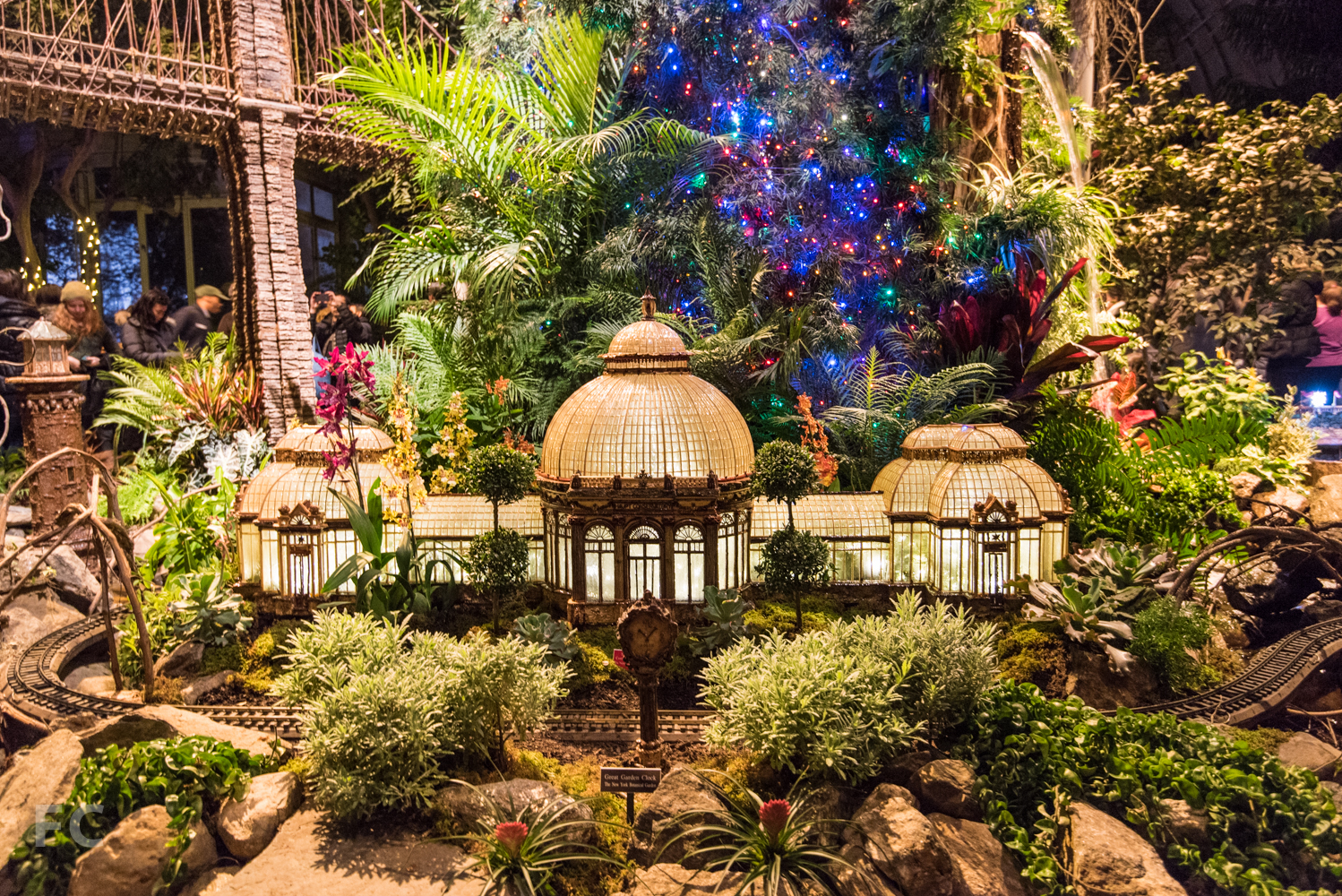
Now in its twenty-third year, the Holiday Train Show at the New York Botanical Garden is a holiday tradition among many in the city. Over 150 architectural icons are on display in the Haupt Conservatory, with model trains running on tracks that weave their way through the model structures rendered in natural materials. Paul Busse and his team at Applied Imagination have created each of the landmarks for the show. They have designed train exhibitions for gardens across the country, including Chicago, Las Vegas, New Orleans, and Washington, D.C. The Holiday Train Show will run through January 19, 2015.
Haupt Conservatory at the New York Botanical Garden.
Haupt Conservatory, 1902.
Brooklyn Bridge, 1883.
Manhattan skyscrapers.
Detail of Grand Central Terminal, 1913.
Penn Station, 1910 (demolished, 1963).
Park Avenue Armory, 1880.
Detail of Park Avenue Armory.
Guggenheim Museum, 1959.
TWA Terminal at JFK Airport, 1962.
TWA Terminal at JFK Airport, 1962.
Yankee Stadium, 1923 (demolished, 2010).
Rose Center for Earth and Space, The American Museum of Natural History, 2000.
Macy's department store, 1902.

BIG Maze
BIG has just completed a modern take on the maze, constructed in the Great Hall of the National Building Museum in Washington, D.C. The firm has approached the project with its signature methodology of rigorously evaluating form in relation to function to find new approaches to a design problem. This manner of design thinking is seen in every building they undertake, primarily conveyed in their signature diagrams.
The historical form of the maze, found in cultures around the world from ancient times, has been that of increasing confusion as one wanders further into its depths. To bring new life to the form, BIG has subtracted a convex form from the 18 feet high walls of the maze. The further you journey into the center of the maze, the better you understand the path you've taken, as the wall's height decreases. Not only does this lead to personal enlightenment, it is also a spectacular new way to encourage the visitor to reexamine the Renaissance detailing of the building through the dynamic framing of the walls.
View of the maze from the Great Hall.
Entrance to the maze.
Entrance podium.
Looking up within the maze.
View from the center of the maze.
View from the center of the maze.
The material selection of plywood by BIG sought to complement the earth tones of the Building Museum's interiors while contrasting with its Renaissance detailing through its sparseness of finish and form.
Walking through the maze.
Detail of the maze wall intersections.
Maze walls at the center.
Construction was achieved in just under a month with the help of work donated by local contractors. The base floor was constructed first, with a break in construction for a previously scheduled wedding in the Hall before resuming with the walls.
This formal approach of the warped surface eroding the field of walls from the top recalls Peter Eisenman's strategy for his sculptural memorial in Berlin. At the Memorial to the Murdered Jews of Europe, Eisenman uses the warped surface of the ground to alter the visitor's relation to the concrete pillars. As you enter the field, the pillars are low, creating a bench or steps for children to jump between. The further in you proceed, their scale dramatically increases, becoming looming columns that block the light and instilling an unease that evokes the emotional effect of the Holocaust's atrocities.
Memorial to the Murdered Jews of Europe, Eisenman Architects, 2004
To add to the experience of BIG's maze, the visitor can gain a different perspective as they visit the upper levels of the museum and look down on its intricate paths from the colonnades.
Aerial perspective from the second floor colonnade.
Aerial perspective from the second floor colonnade.
The center of the maze.
Bjarke Ingels leading a tour in the maze.
Aerial perspective from the third floor colonnade.
Hopefully with the success of the maze, the museum will seek more opportunities to engage the public with architecture in a space which begs for elements that activate it and create a dialogue.
Architects: BIG (Bjarke Ingels Group); Program: Exhibition; Location: National Building Museum, Washington, D.C.; Completion: 2014.